
You’re standing in the pet food aisle, reading labels that all sound healthy, premium, and wholesome – and then one phrase keeps showing up: what is complete and balanced dog food, exactly? It’s a smart question, because that wording is more than marketing. It tells you whether a food is designed to support your dog’s daily nutrition, not just fill the bowl.
For dog parents who care about skin health, digestion, energy, and long-term wellness, this phrase matters. A shiny coat, healthy stool, steady weight, and good everyday vitality often start with one basic thing: a diet that delivers the right nutrients in the right amounts, day after day.
What is complete and balanced dog food?
Complete and balanced dog food is food formulated to provide all the essential nutrients a dog needs in proper proportions for a specific life stage. “Complete” means the food contains the required nutrients. “Balanced” means those nutrients work together at the right levels, so your dog isn’t getting too much of one thing and too little of another.
That second part is where many pet owners get tripped up. A food can contain protein, fat, vitamins, and minerals, but that alone does not make it balanced. Dogs need nutrition that works as a system. Calcium and phosphorus need the right relationship. Fat has to be paired with appropriate vitamin levels. Protein quality matters, not just the number on the bag. When a food is truly complete and balanced, it is meant to serve as a dog’s main daily diet.
In practical terms, that means you should be able to feed it regularly without needing to add supplements, toppers, or homemade extras just to make the diet nutritionally adequate.
What “complete” really means in a dog food formula
Dogs need more than meat and calories. They require protein for muscle maintenance and body function, fats for energy and skin support, carbohydrates for usable energy in many formulas, vitamins for metabolic processes, and minerals for bones, nerves, and cellular health. They also need water, of course, though that comes from both food and drinking.
A complete food includes these essential nutrients in amounts established for canine health. The exact targets depend on life stage. Puppies have different needs than adult dogs, and large breed puppies have even more specific requirements because growth has to be carefully supported, not rushed.
This is why life stage labeling matters so much. A food that is complete and balanced for adult maintenance may not be appropriate for growth. Likewise, a formula intended for puppies may deliver nutrient levels that are not ideal for every adult dog in every situation.
What “balanced” means for everyday wellness
Balance is where nutrition becomes more than a checklist. Dogs do not benefit from the highest possible amount of every nutrient. They benefit from the right amount.
Too little protein can affect muscle condition. Too much or too little fat can influence weight, digestion, and coat condition. Mineral imbalances can create bigger problems, especially in growing dogs. Even a food with excellent ingredients can miss the mark if the full formula is not properly balanced.
This is one reason pet owners often notice visible changes when they move from a lower-quality food to a thoughtfully formulated one. Good health shows. Skin may look calmer. Coats can feel softer and look shinier. Digestion may become more consistent. Energy levels may even out. Those results are not just about one trendy ingredient. They usually reflect a complete feeding approach.
How to tell if a dog food is complete and balanced
The easiest place to look is the nutritional adequacy statement on the package. This statement tells you whether the food is complete and balanced for a particular life stage, such as growth, adult maintenance, or all life stages.
You’ll usually find this in smaller print on the bag or can, not front and center with the marketing claims. It may also explain whether the food was formulated to meet recognized nutrient profiles or tested through feeding trials.
Both approaches can play a role, but they are not identical. A formulated diet is built to meet nutrient standards on paper. A feeding trial means dogs actually consumed the diet under structured conditions. Neither label should be viewed in isolation. Ingredient quality, digestibility, manufacturing standards, and suitability for your individual dog still matter.
If a food does not say it is complete and balanced, it may be intended only for intermittent or supplemental feeding. That can be fine for treats, mixers, or toppers, but not as the foundation of your dog’s diet.
Why treats and toppers are not the same thing
Many pet parents now customize meals with broths, fresh add-ins, freeze-dried toppers, or treats used as food. That can be enjoyable and sometimes useful, but it should not blur the difference between a complete diet and an extra.
Treats are not usually designed to provide full daily nutrition. The same goes for many meal enhancers. They can add flavor, texture, or variety, but they are not meant to replace a complete and balanced dog food unless clearly labeled that way.
This matters most when dogs are picky eaters. If a dog starts eating mostly extras and only a little of the main diet, nutritional balance can slip over time. The bowl may look exciting, but the overall intake may no longer support the dog’s needs.
Do natural ingredients automatically mean balanced nutrition?
Not always. Natural ingredients can be a great part of a premium dog food, and many pet owners prefer recognizable ingredients for good reason. But natural does not automatically mean nutritionally complete, and premium does not always mean appropriate for every dog.
A strong formula combines ingredient quality with nutritional precision. That means selecting ingredients for both what they contribute individually and how they function together in the full diet.
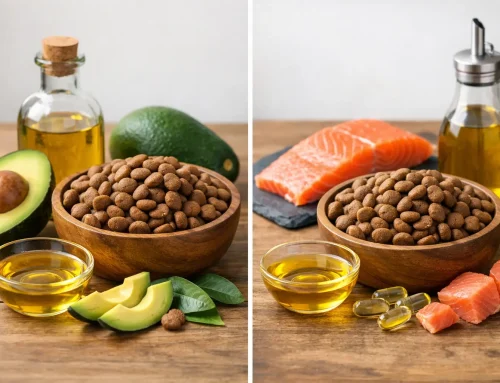
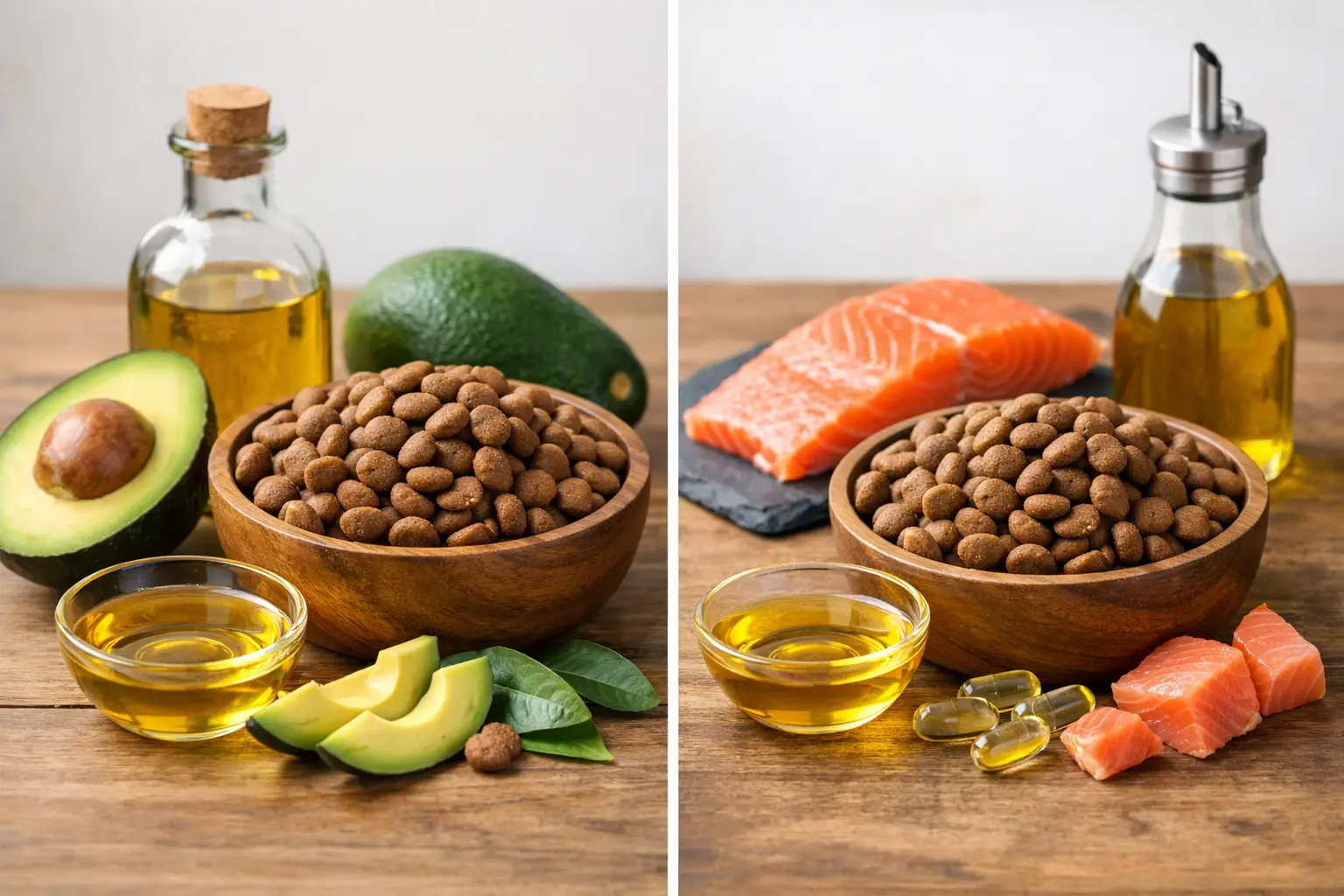
For example, ingredients rich in healthy fats can support skin and coat health, but those benefits are strongest when the entire formula is built to deliver complete daily nutrition. That’s one reason superfood ingredients and functional fats are most effective inside a balanced recipe rather than added randomly at home. Brands like AvoDerm center this idea by pairing avocado and avocado oil with full-formula nutrition designed for everyday feeding, not just label appeal.
What is complete and balanced dog food for different life stages?
The answer changes slightly depending on your dog.
For puppies, complete and balanced means nutrition that supports healthy growth, brain development, muscle building, and proper bone formation. For adult dogs, it means maintaining healthy body condition, energy, immune support, and everyday function. For senior dogs, the picture can get more individual. There is no universal senior nutrient profile in the same way many owners expect, so age-related needs may depend on activity level, body condition, and health status.
Breed size matters too. A small active adult dog may do well on a different calorie density than a large, more sedentary dog. Dogs with food sensitivities may need simpler ingredient choices or certain protein sources, but they still need the food to remain complete and balanced.
So while the phrase sounds universal, the best choice is still personal. The label should match your dog’s life stage, and the formula should make sense for your dog’s size, activity, and sensitivities.
Signs a food may be working well for your dog
No single food is perfect for every dog, which is why results matter. A complete and balanced dog food should support your dog in ways you can actually see over time.
Most pet parents watch for healthy stool quality, consistent appetite, good energy, steady weight, and strong skin and coat condition. A soft, beautiful coat and healthy-looking skin are often some of the first visible clues that nutrition is doing its job. On the other hand, dull fur, recurring digestive upset, frequent itchiness, or unexplained weight changes may signal that it’s time to look more closely at the current diet.
That does not always mean the food is poor quality. Sometimes it simply means the formula is not the best fit for that particular dog.
Common mistakes when choosing a complete diet
One common mistake is focusing on a single number, like protein percentage, without looking at the whole formula. Another is assuming a food with the most buzzwords is automatically better. Grain-free, limited ingredient, high protein, natural, and sensitive skin formulas can all be useful in the right context, but none of those terms replace nutritional balance.
Another mistake is switching foods too fast. Even when moving to a high-quality complete and balanced formula, transition matters. A gradual change supports digestion and gives you a better sense of how your dog responds.
It also helps to be realistic about extras. If treats, table scraps, and chews make up a big share of your dog’s calories, even an excellent main food may not be enough to keep the overall diet balanced.
How to choose with confidence
Start with the adequacy statement. Then look at the life stage. After that, consider your dog as an individual. Think about coat quality, skin comfort, stool consistency, activity level, and any known sensitivities.
If your priority is visible wellness, look for a food that combines complete daily nutrition with purposeful ingredients that support whole-body health. That might include quality proteins, well-chosen fats, and functional ingredients known for helping maintain healthy skin and a beautiful coat.
The best dog food is not the one with the longest list of claims. It’s the one that gives your dog dependable nourishment every day and helps good health show where you can see it – in energy, comfort, and a coat that looks as good as your dog feels.
When you see “complete and balanced” on a label, you’re not just reading a technical phrase. You’re looking at the foundation of daily feeding, and that foundation can make all the difference over a lifetime.