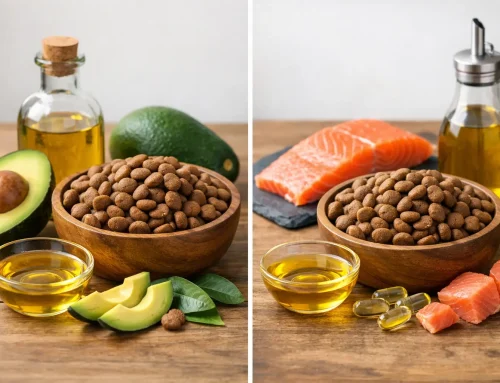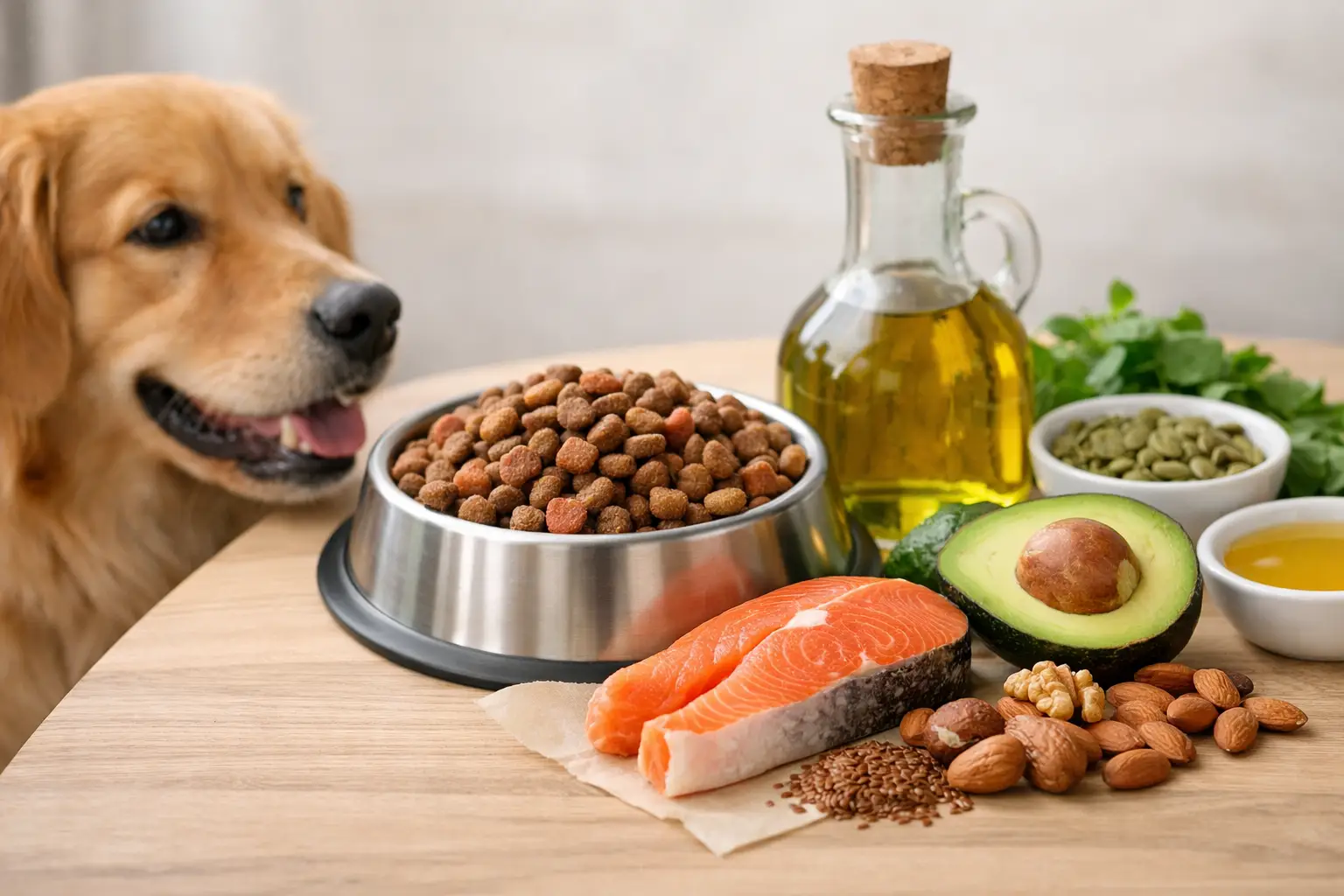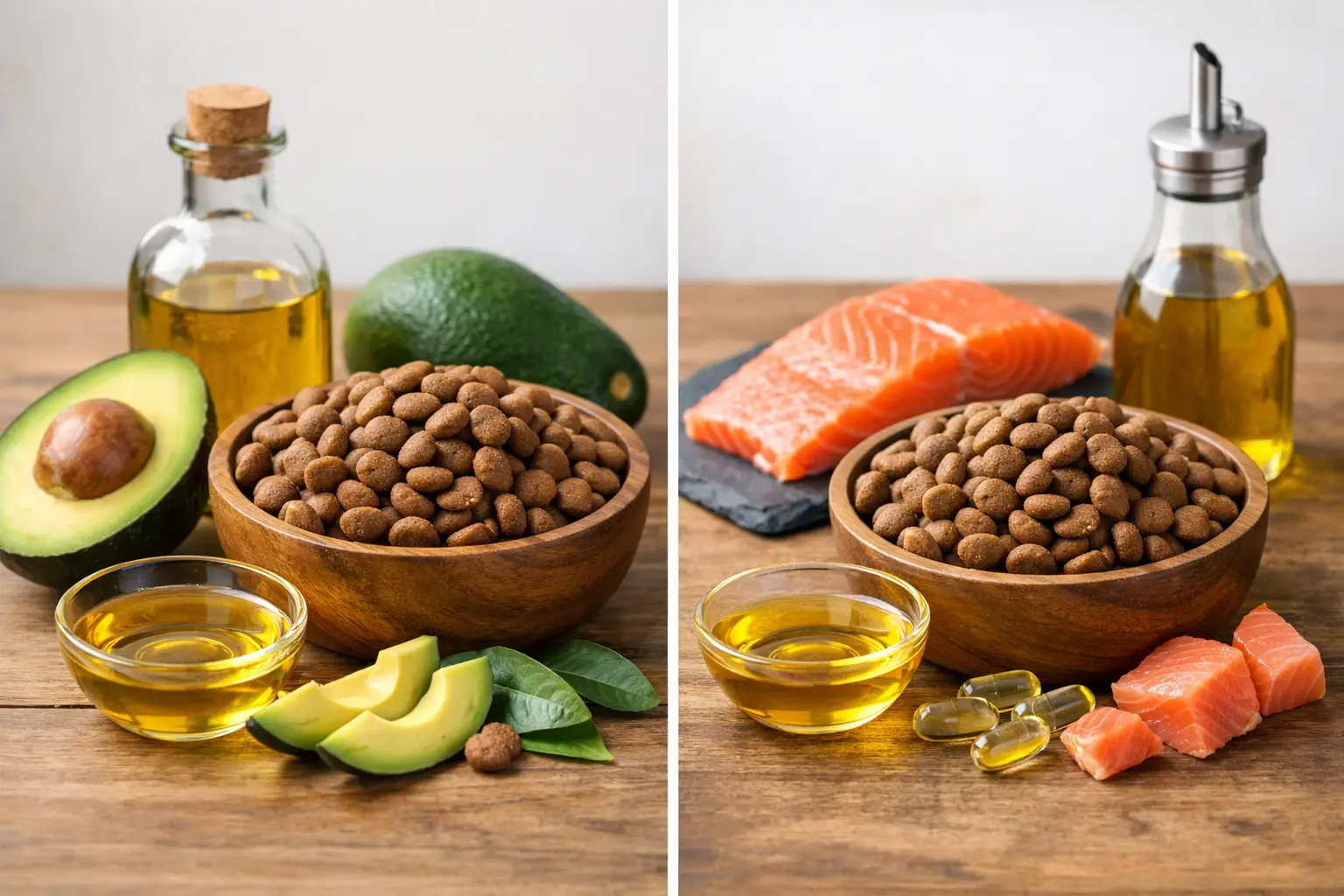
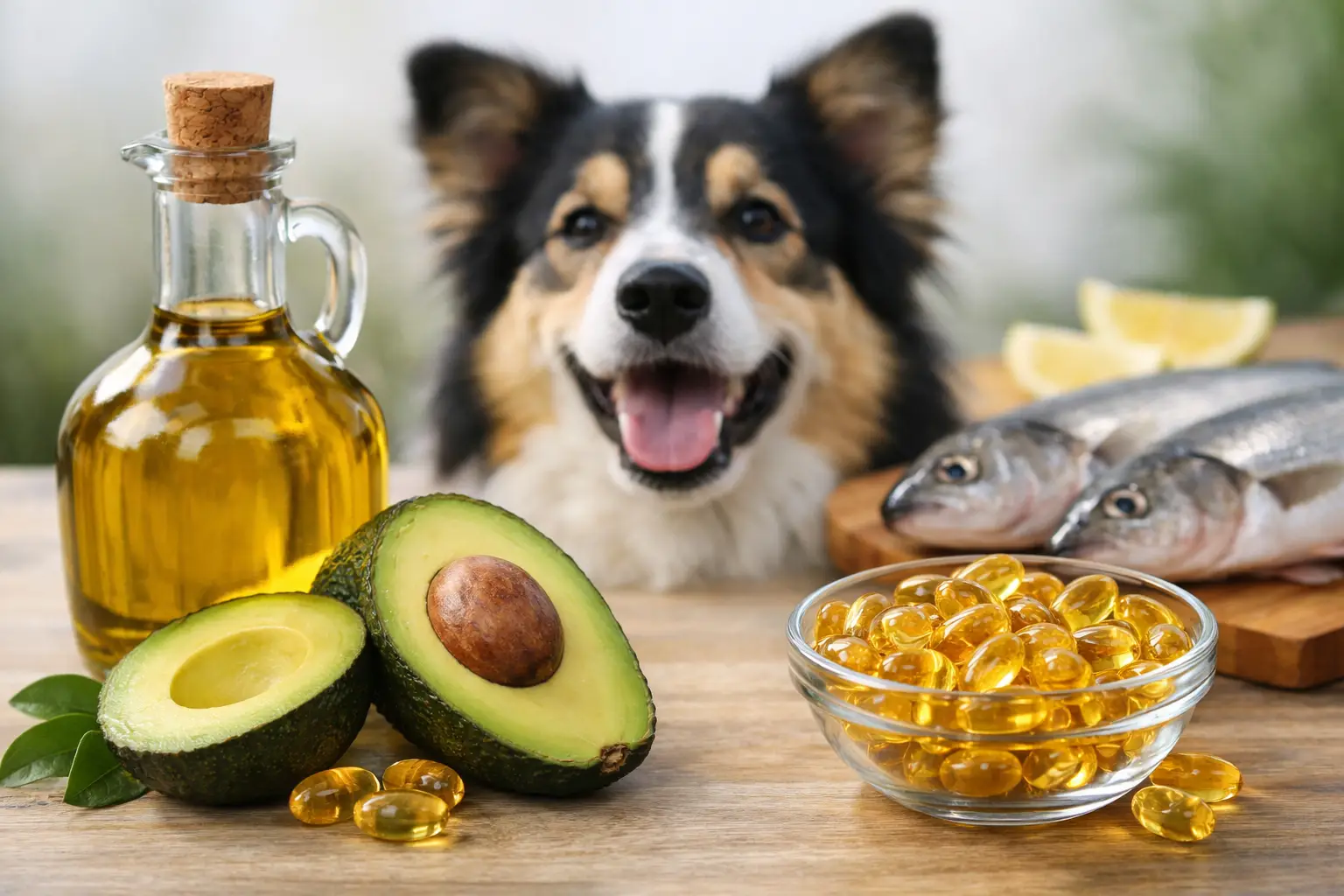
That dull coat, the constant scratching, the flaky skin on the dog bed – these are often the moments that send pet parents looking harder at fats and oils. When comparing avocado oil vs fish oil for dogs, the real question is not which one sounds trendier. It is which one fits your dog’s daily nutrition, skin and coat needs, and overall sensitivity profile.
Both oils can play a valuable role in canine wellness. Both are used because they deliver beneficial fatty acids. But they are not interchangeable, and the best choice depends on what you are trying to support.
Avocado oil vs fish oil for dogs: what’s the difference?
At a glance, avocado oil and fish oil both bring omega fatty acids to the bowl, but they do it in different ways. Fish oil is best known for omega-3 fatty acids, especially EPA and DHA. These are commonly associated with skin health, joint support, and general anti-inflammatory benefits.
Avocado oil, on the other hand, is valued for its rich content of healthy fats, including omega fatty acids that help nourish skin and support a soft, beautiful coat. It is also part of a broader ingredient story that many premium pet parents appreciate – whole-food-inspired nutrition that supports everyday wellness, not just a single targeted benefit.
That difference matters. Fish oil is often chosen as a focused supplement. Avocado oil is often appreciated as part of a complete and balanced approach to skin and coat nutrition.
What fish oil may do well for dogs
Fish oil has earned its reputation for a reason. EPA and DHA are long-chain omega-3 fatty acids that can be especially helpful for dogs who need added support for inflammation-related concerns. If your dog is older, highly active, or dealing with seasonal skin irritation, fish oil may be part of the conversation with your veterinarian.
It can also be appealing for pet owners who want a concentrated source of omega-3s. In some cases, that concentration is exactly the point. A dog with a specific need may benefit from a more targeted fatty acid profile than a general wellness food alone can provide.
Still, fish oil has trade-offs. Quality varies a lot. Some products are more prone to oxidation, which can affect freshness and nutritional value. Some dogs are also sensitive to fish-based ingredients, and not every pet parent loves the smell, taste, or mess that can come with liquid fish oil supplements.
Why avocado oil stands out in everyday nutrition
Avocado oil often makes more sense when the goal is steady, visible support for skin and coat as part of a dog’s daily diet. Healthy fats matter for the skin barrier, coat softness, and overall condition, and avocado oil offers those fats in a way that feels naturally aligned with premium pet nutrition.
This is where ingredient quality and formulation matter more than hype. A well-made dog food that includes avocado oil is not asking you to patch over nutrition with a topper. It is building skin and coat support directly into everyday feeding.
For many pet parents, that simplicity is a real advantage. Instead of juggling separate oils, measuring doses, and wondering if a supplement clashes with the rest of the diet, you can choose a food designed to provide complete and balanced nutrition with skin-friendly fats already included.
AvoDerm has built its approach around that idea – that good health shows, and that visible wellness starts with thoughtfully chosen ingredients like avocado and avocado oil.
Is one better for skin and coat?
If your top priority is a shiny coat and healthy-looking skin, the answer depends on whether you are looking for daily maintenance or a more targeted add-on. Fish oil may be useful when a dog needs extra omega-3 support, particularly if inflammation is part of the picture. Avocado oil shines in a daily wellness role, especially when included in a balanced formula built for skin and coat health.
That is why this comparison is not really about declaring a single winner. It is about function.
For a healthy dog whose coat looks dry, whose skin seems a little less comfortable than usual, or who simply benefits from premium nutrition, avocado oil can be an excellent everyday choice. For a dog with a veterinarian-identified need for more EPA and DHA, fish oil may have a more specific job to do.
Avocado oil vs fish oil for dogs with food sensitivities
This is where pet parents need to slow down and look at the full ingredient picture. Dogs with food sensitivities do not react to ingredients in neat categories. A fish-based oil may be perfectly fine for one dog and a problem for another. Likewise, the source, purity, and formulation of any added oil matter.
For some sensitive dogs, a complete food made with carefully selected ingredients can feel easier and more dependable than layering in an extra supplement. It reduces guesswork. It also helps you track what your dog is actually eating and how they respond over time.
If your dog has a history of digestive upset, itching tied to food changes, or reactions to fish proteins, you should be especially cautious about adding fish oil on your own. In those cases, choosing a thoughtfully formulated food with skin and coat benefits already built in may be the more comfortable path.
What about safety?
This topic comes up often, especially with avocado. Pet owners have heard mixed messages, and it is understandable to want clarity.
The key point is that avocado oil used in properly formulated pet food is different from casually sharing random avocado products from the kitchen. Dogs need foods made for dogs, with ingredients selected and balanced for canine nutrition. When avocado oil is used appropriately in a quality dog food, it can be a beneficial source of healthy fats that supports skin and coat wellness.
Fish oil also requires some care. More is not better. Excessive supplementation can upset the balance of the diet, add unnecessary calories, or lead to digestive issues in some dogs. Freshness matters, too, because oils can degrade over time.
How to choose the right option for your dog
Start with your goal. If you are trying to support overall skin and coat condition through everyday nutrition, a premium complete food with avocado oil may be the strongest fit. It gives you consistency, convenience, and a wellness benefit that is easy to maintain.
If your dog has a more specific need – such as support your veterinarian believes would benefit from additional EPA and DHA – fish oil may be worth discussing. That is especially true for older dogs or dogs with particular inflammatory concerns.
Then look at your dog, not just the label. Coat texture, scratching frequency, stool quality, appetite, and energy can all tell you whether a nutrition change is helping. The best oil on paper is not the best oil if your dog does not tolerate it well or if it complicates feeding.
It also helps to think long term. A daily food that supports healthy skin and a glossy coat without requiring extra steps tends to be easier for families to stick with. And with dogs, consistency often drives the most visible results.
Should dogs get both?
Sometimes, but not automatically. A complete and balanced food can include beneficial fats as part of its formula, and some dogs may also use a fish oil supplement under veterinary guidance. But combining oils without a reason can create more confusion than benefit.
This is one of those areas where pet nutrition is more than ingredient buzzwords. The goal is not to stack every healthy-sounding fat into one meal. The goal is to feed a diet that matches your dog’s needs and supports wellness you can actually see.
If your dog is already eating a skin-and-coat-focused food and doing well, there may be no need to add anything else. If results are not where you want them to be, that is the time to assess the whole picture – diet quality, sensitivities, environment, grooming, and veterinary input if needed.
Choosing between avocado oil and fish oil does not have to feel complicated. Fish oil can be a useful targeted tool, especially for added omega-3 support. Avocado oil offers a naturally nourishing way to support healthy skin and a beautiful coat as part of everyday feeding. The smartest choice is the one that fits your dog’s body, your routine, and the kind of wellness support you can feel confident giving every day.