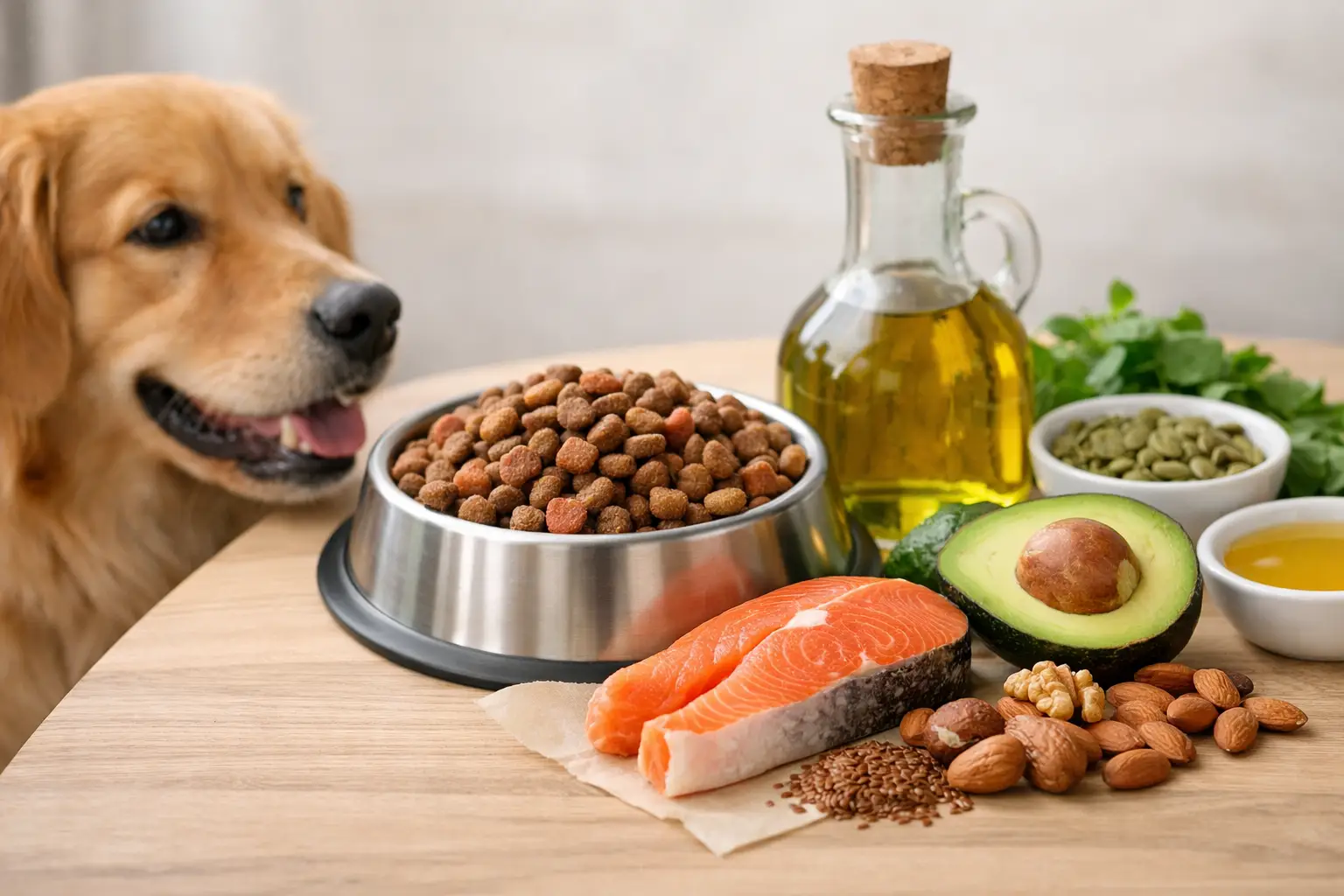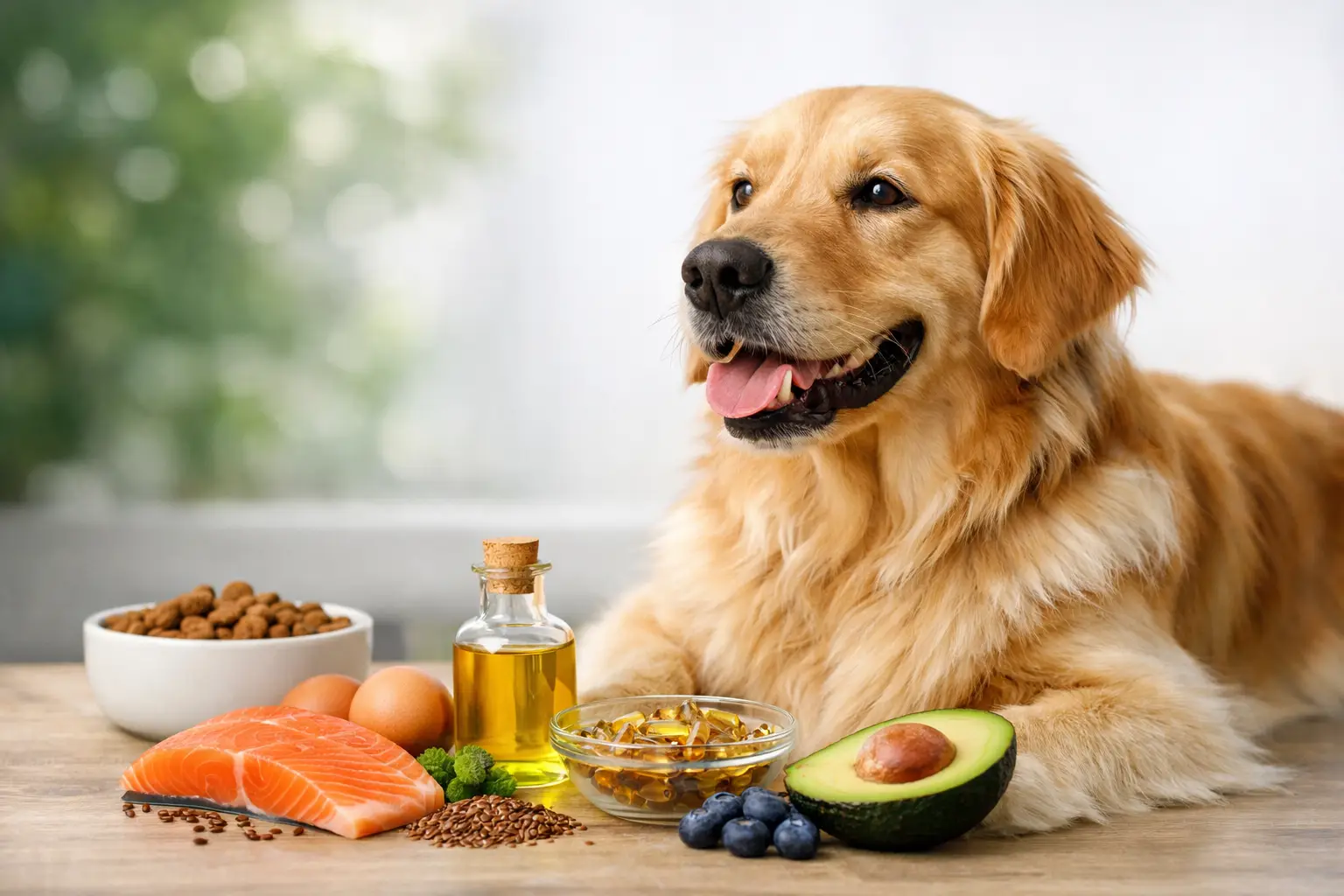
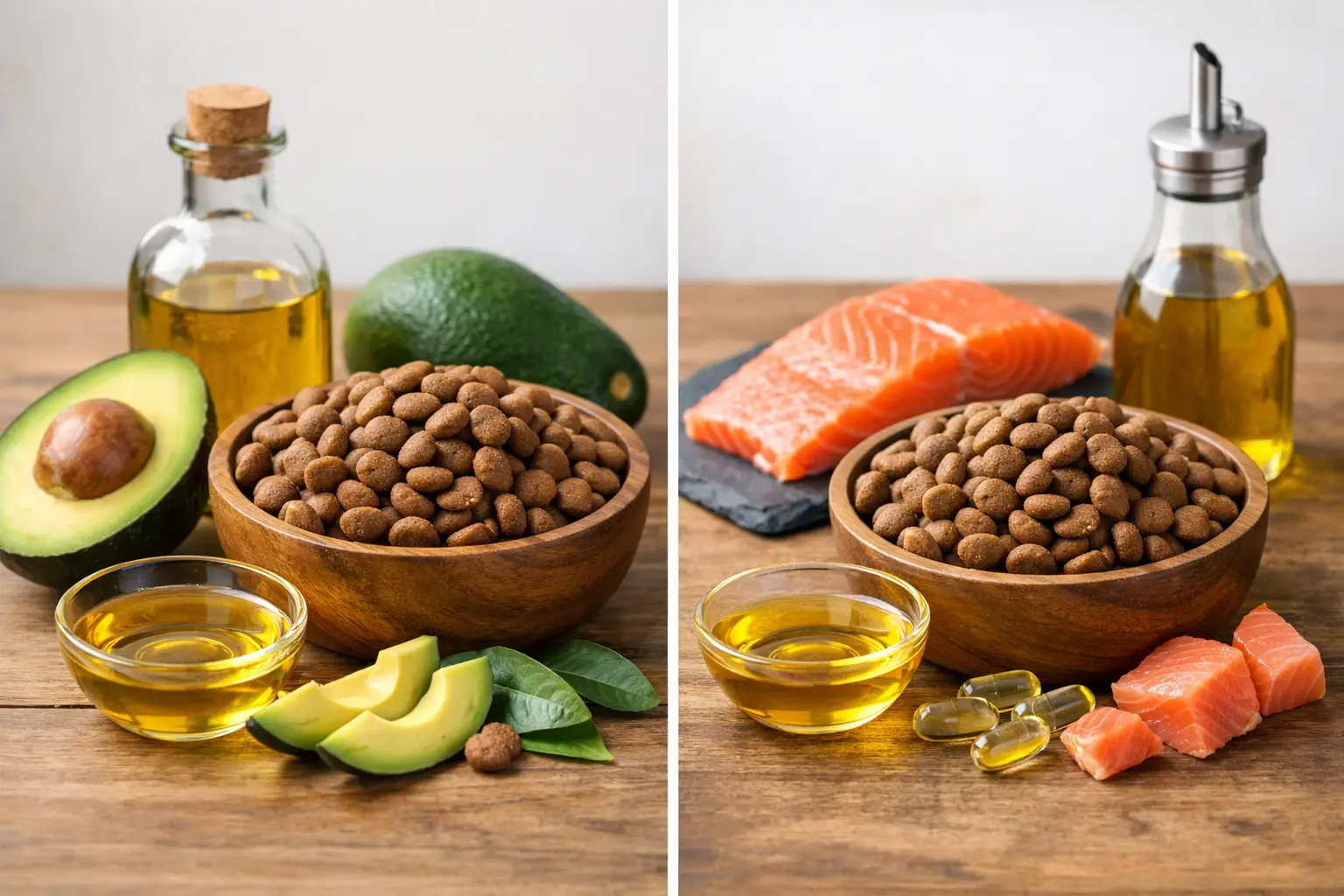
A dull coat, dry-looking skin, or frequent scratching can send pet parents straight to the ingredient panel. That is where the question of dog food with avocado oil versus salmon oil often comes up. Both oils can contribute beneficial fats to a complete and balanced diet, but they are not interchangeable. Their fatty-acid profiles, flavor, sourcing, and fit for individual dogs can differ.
The best choice is not about crowning one oil the winner. It is about choosing a thoughtfully formulated food that supports your dog’s whole-body wellness, suits their needs, and is one they will happily eat every day.
Why dietary fats matter for dogs
Fat has a bigger job than making food taste great. It provides energy, helps the body use certain vitamins, supports normal cell function, and plays a meaningful role in healthy skin and a beautiful coat. The fats in a dog’s food also influence how a recipe feels in the bowl and how it fits into the dog’s overall calorie needs.
Two types of polyunsaturated fatty acids get much of the attention: omega-3 and omega-6 fatty acids. Dogs need both. Omega-6 fatty acids, including linoleic acid, help support the skin barrier and coat condition. Omega-3 fatty acids, especially EPA and DHA from marine sources, are valued for supporting normal inflammatory processes, brain function, and more.
Balance matters more than chasing one ingredient. A dog food should be formulated to provide complete and balanced nutrition for the appropriate life stage, rather than relying on a splash of oil added at home to fill a nutritional gap.
Dog food with avocado oil versus salmon oil: the key differences
Avocado oil and salmon oil come from very different sources, so they bring distinct strengths to a recipe. Avocado oil is plant-based and naturally rich in monounsaturated fats, including oleic acid, along with essential fatty acids such as linoleic acid. Salmon oil is marine-based and is particularly known for EPA and DHA, two long-chain omega-3 fatty acids.
What avocado oil brings to the bowl
In a properly formulated dog food, avocado oil can be a nourishing source of fat that supports skin and coat wellness. It is also an appealing choice for pet parents who appreciate recognizable, nutrient-rich ingredients. Avocado’s reputation as a superfood for people has a real nutritional foundation, and carefully selected avocado ingredients can play a valuable role in pet nutrition, too.
The safety distinction is essential. Whole avocados, especially the pit, skin, and leaves, are not appropriate treats for dogs. The pit can create a choking or obstruction risk, and plant parts may contain higher concentrations of persin. That is very different from using avocado oil or avocado meal responsibly in a professionally formulated dog food. The ingredient form, amount, and total recipe matter.
For dogs whose wellness goals center on everyday skin and coat support, a food featuring avocado can be an especially natural fit. At AvoDerm, avocado is more than a trend-driven ingredient. It is part of a focused approach to complete nutrition designed to help good health show through a soft, healthy-looking coat.
What salmon oil brings to the bowl
Salmon oil’s standout feature is its concentration of marine omega-3s, particularly EPA and DHA. These fatty acids are harder to obtain from many plant oils in the same form. For that reason, salmon oil is commonly used in dog foods and supplements aimed at supporting skin, coat, mobility, and healthy brain function.
It can be a strong option for dogs that benefit from added marine omega-3s, provided the overall recipe is right for them. The trade-off is that fish oils can have a pronounced aroma and flavor. Many dogs love it, while a few are less enthusiastic. Fish-based recipes also may not suit every household’s ingredient preferences or every dog with a history of food sensitivities.
Quality control matters here, too. Fish oil needs careful handling to protect it from oxidation, which can affect freshness. A reputable manufacturer formulates, packages, and stores recipes with ingredient quality and stability in mind.
Which oil is better for skin and coat health?
The honest answer is that it depends on the dog and the complete formula. If your goal is broad, daily nourishment for supple skin and a glossy coat, avocado oil can be a wonderful contributor to a balanced recipe. Its fatty acids complement an ingredient-forward approach to everyday wellness.
If your veterinarian has recommended a diet with more EPA and DHA, or if you are specifically seeking marine omega-3s, salmon oil may have an advantage. That does not mean avocado oil has no place in the diet. In fact, a formula can include different fat sources because each contributes something useful.
It is also worth remembering that a flaky coat or itchy skin is not always a dietary-fat issue. Environmental allergies, fleas, grooming products, dry indoor air, parasites, and underlying health concerns can all affect the skin. If your dog has persistent itching, redness, ear issues, hair loss, or changes in appetite or energy, talk with your veterinarian rather than changing foods repeatedly.
Consider sensitivities, taste, and calorie needs
For a dog with suspected food sensitivities, simple ingredient decisions can feel complicated. Fish is a common protein source, but it is not the right match for every dog. If your dog has had digestive upset or skin concerns with fish-based foods before, choosing a recipe without salmon ingredients may be sensible. Your veterinarian can help you determine whether a structured food trial is appropriate.
Taste matters, too. A nutritional benefit only helps if your dog consistently eats the food. Some dogs are drawn to the savory scent of salmon, while others do well with poultry, lamb, or other proteins paired with avocado-based nutrition. Avoid assuming that an oil alone determines palatability. The protein, texture, fiber, and total formula all shape the eating experience.
Finally, oils are calorie-dense. Dogs who need weight management benefit from portion-conscious feeding, even when the food contains high-quality fats. Use the feeding guide as a starting point, account for treats, monitor body condition, and adjust with your veterinarian’s guidance when needed.
How to choose a food with the right fat sources
Start with the nutrition statement, not the front-of-bag ingredient spotlight. Look for a food labeled complete and balanced for your dog’s life stage. Then consider the full recipe: the protein source, calorie content, fiber, ingredient profile, and whether the manufacturer clearly communicates its quality practices.
Ask yourself what you are trying to support. A healthy adult dog with a lackluster coat may thrive on a balanced avocado-based recipe that delivers dependable daily nourishment. A dog with a veterinarian-identified need for higher marine omega-3 intake may benefit from a food that includes salmon oil or another well-managed fish oil source. Puppies, senior dogs, and dogs with medical conditions can have additional considerations, so professional guidance is especially useful.
When you switch foods, take it slowly. Blend increasing amounts of the new food with the current food over about seven to 10 days, watching stool quality, appetite, and comfort. Dogs with sensitive stomachs may need an even more gradual transition.
A better question than which oil wins
Rather than asking whether avocado oil or salmon oil is universally better, ask which complete recipe helps your individual dog look and feel their best. Avocado oil offers a plant-based source of beneficial fats and a wellness-forward way to support skin and coat health. Salmon oil offers notable EPA and DHA for dogs that may benefit from marine omega-3s.
A shiny coat can be a lovely sign of good nutrition, but the real goal is a dog who feels comfortable in their skin, enjoys mealtime, and has the everyday energy to be part of the family. Choose with that bigger picture in mind, and give any new food enough time to show what consistent nutrition can do.