White flakes on a favorite blanket, a dull coat, or a cat who suddenly cannot stop scratching can make any pet parent worry. Learning how to improve cat skin health naturally starts with looking beyond the surface. Your cat’s skin and coat reflect what is happening inside their body, from daily nutrition and hydration to grooming habits and possible sensitivities.
A healthy cat coat should feel soft, look full, and have a natural shine without being greasy. A few occasional flakes can happen, especially during dry weather, but persistent itching, redness, scabs, or hair loss deserve closer attention. The good news is that many everyday skin-supporting habits are simple, gentle, and easy to build into your cat’s routine.
How to Improve Cat Skin Health Naturally With Nutrition
Good health shows in the coat, and nutrition is where that story begins. Cats are obligate carnivores, which means they need animal-based protein and specific nutrients to support their skin, coat, muscles, and overall wellness. A complete and balanced cat food provides the reliable nutritional foundation that home remedies cannot replace.
Protein matters because skin and hair are constantly renewing. If a food does not provide adequate high-quality protein, a cat’s coat may become dry, thin, or lackluster over time. Essential fatty acids also play a major role. Omega fatty acids help support the skin barrier, which helps skin hold onto moisture and stand up to everyday environmental irritants.
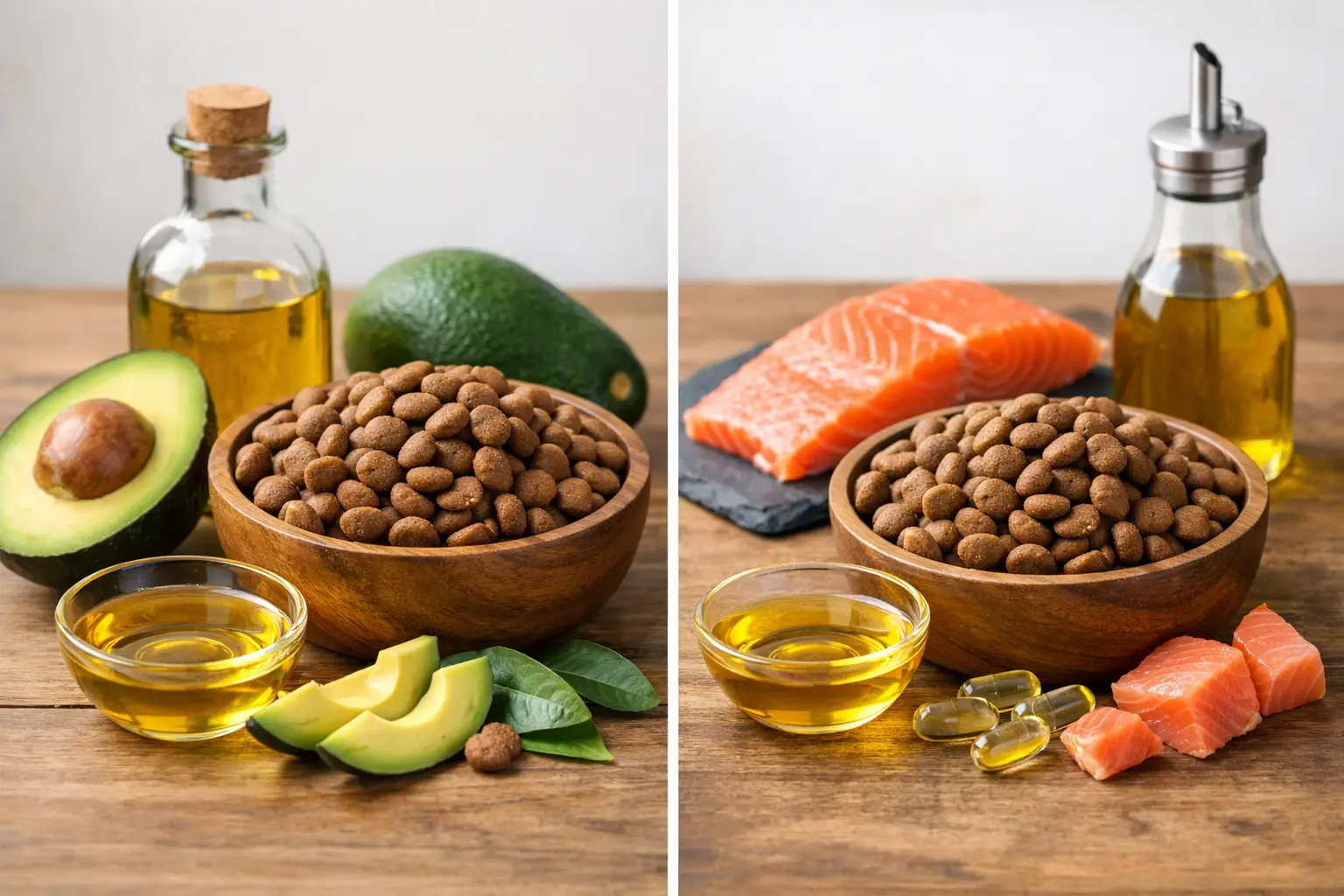
Look for a food made for your cat’s life stage and formulated to deliver complete daily nutrition. Ingredients with naturally beneficial fats can be a welcome part of that recipe. AvoDerm cat foods, for example, feature nutrient-rich avocado and avocado oil to support healthy skin and a beautiful coat as part of a complete and balanced diet.
There is an important difference between a thoughtfully formulated cat food and sharing avocado from your kitchen. Do not offer your cat avocado pit, peel, leaves, or heavily seasoned human foods. Cats do best with nutrition designed specifically for their needs, in appropriate portions.
If you suspect food sensitivities may be affecting your cat’s skin, resist the urge to change foods repeatedly. Constant switching can make it harder to identify patterns and may upset digestion. Instead, speak with your veterinarian about a focused feeding plan and give any appropriate transition enough time to work.
Keep Hydration on Your Cat’s Wellness Menu
Hydration supports every system in your cat’s body, including healthy skin. Yet many cats naturally have a low thirst drive. Dry skin can become more noticeable when a cat is not taking in enough moisture, particularly in warm homes or dry climates.
Fresh water should always be available in clean bowls placed away from the litter box. Some cats drink more when they have several water stations, a wide shallow bowl that does not brush their whiskers, or a circulating water fountain. It can also help to offer wet food as part of a complete feeding routine, depending on your cat’s preferences and nutritional needs.
Watch for changes in drinking habits. Drinking far more or far less than usual is not simply a skin issue and should be discussed with your veterinarian.
Groom Gently, Even if Your Cat Grooms Themselves
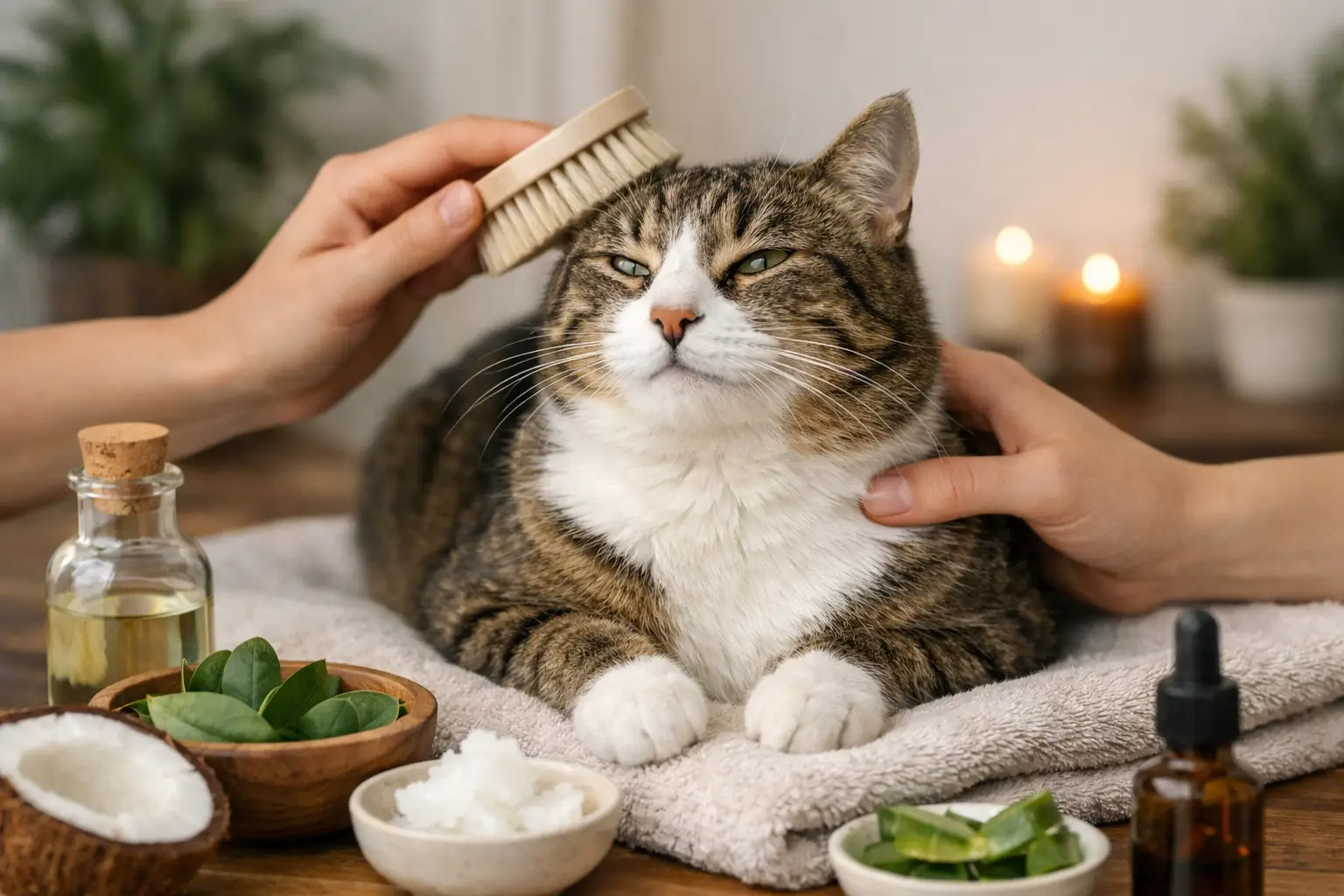
Cats are dedicated self-groomers, but a little help from you can make a meaningful difference. Regular brushing removes loose hair, distributes natural oils through the coat, and gives you a chance to spot dry patches, flea dirt, bumps, or tender areas before they become bigger concerns.
Shorthaired cats may only need a gentle brushing once or twice a week. Longhaired cats often benefit from more frequent sessions to prevent mats, which can pull on the skin and trap moisture or debris. Choose a brush that suits your cat’s coat type, and keep sessions short and calm. A favorite treat afterward can turn grooming into a positive ritual.
Avoid frequent bathing unless your veterinarian recommends it. Most cats do not need routine baths, and over-bathing can strip the coat of natural oils. Never use human shampoo, essential oils, or medicated products intended for people. Cats are highly sensitive to many ingredients that seem harmless in human skin care.
Support a Skin-Friendly Home Environment
Sometimes the trigger is not in the food bowl. Dry indoor air, household cleaners, dusty bedding, and parasites can all affect a cat’s comfort. During colder months, a humidifier may help reduce dry air, but it should be cleaned regularly to prevent mold growth.
Wash your cat’s bedding with a fragrance-free, pet-safe detergent when needed. Vacuum favorite lounging areas, especially if your cat spends time on upholstered furniture or rugs. If your cat goes outdoors, bring allergens such as pollen inside on their coat, so occasional gentle wiping with a damp, soft cloth may be useful during high-pollen periods.
Consistent flea prevention is another essential piece of natural skin care. Flea bites can cause intense itching, scabs, and hair loss, even when you never see a live flea. Your veterinarian can recommend an effective product that is appropriate for your cat. Do not use dog flea treatments on cats, as some ingredients can be dangerous for them.
Know When It Is Time for Veterinary Care
Natural daily care can support healthy skin, but it cannot diagnose the cause of a serious or ongoing problem. Skin changes may be connected to fleas, mites, ringworm, bacterial or yeast infections, allergies, pain, hormonal conditions, stress, or other health concerns.
Schedule a veterinary visit if you notice any of the following:
- Persistent scratching, licking, chewing, or over-grooming
- Redness, swelling, sores, scabs, or a strong skin odor
- Bald patches, sudden shedding, or a rapidly thinning coat
- Black specks in the fur that may be flea dirt
- Changes in appetite, energy, litter box habits, or behavior alongside skin symptoms
Cats often hide discomfort well. A cat who is repeatedly licking the same area may not look obviously itchy, but that behavior can still signal a problem worth investigating. Early care can be more comfortable for your cat and may prevent a small issue from becoming a larger one.
Make Changes Slowly and Watch for Patterns
Whether you are introducing a new food, adding wet food, or improving grooming habits, give your cat time to adjust. Transition to a new food gradually over about seven to 10 days, unless your veterinarian advises otherwise. Start by mixing a small amount of the new food with the current food, then slowly increase the new food each day.
Keep a simple note on your phone about coat texture, flakes, scratching, stool quality, and appetite. This is especially helpful for cats with suspected sensitivities. Visible coat improvements can take several weeks because healthy hair needs time to grow in, while improvements in comfort may happen sooner.
Your cat does not need a complicated skin-care routine. They need nourishing daily food, fresh water, gentle grooming, a clean environment, and a pet parent who notices when something changes. Those small, consistent choices can help your cat feel comfortable in their skin and look as healthy as they feel.