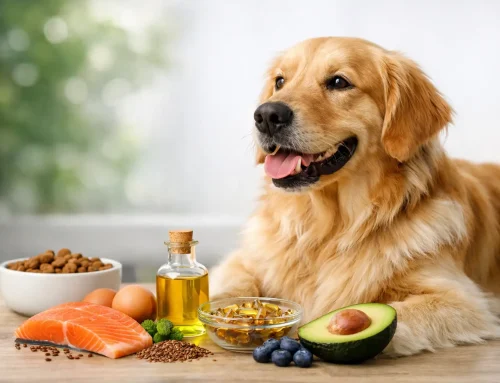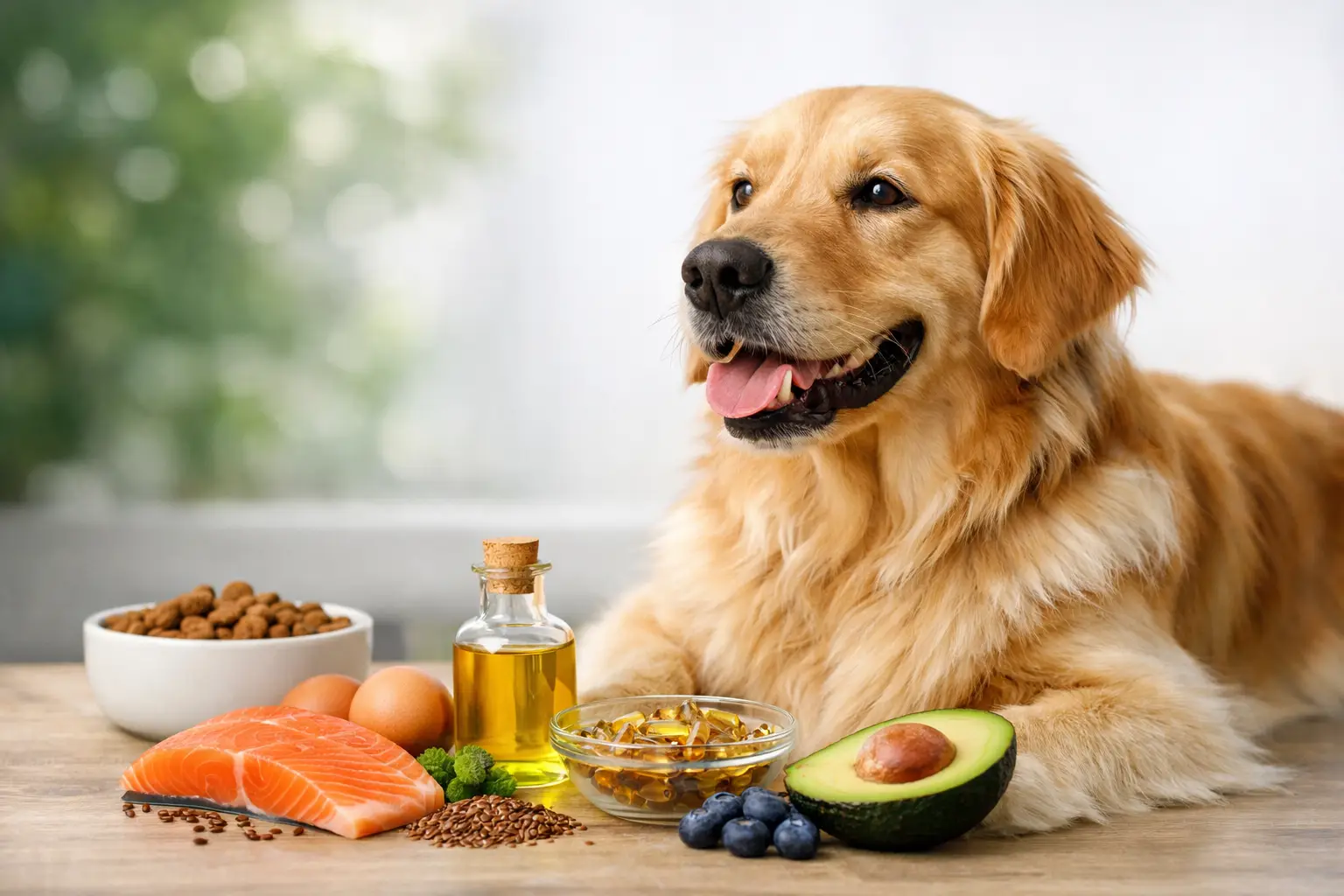
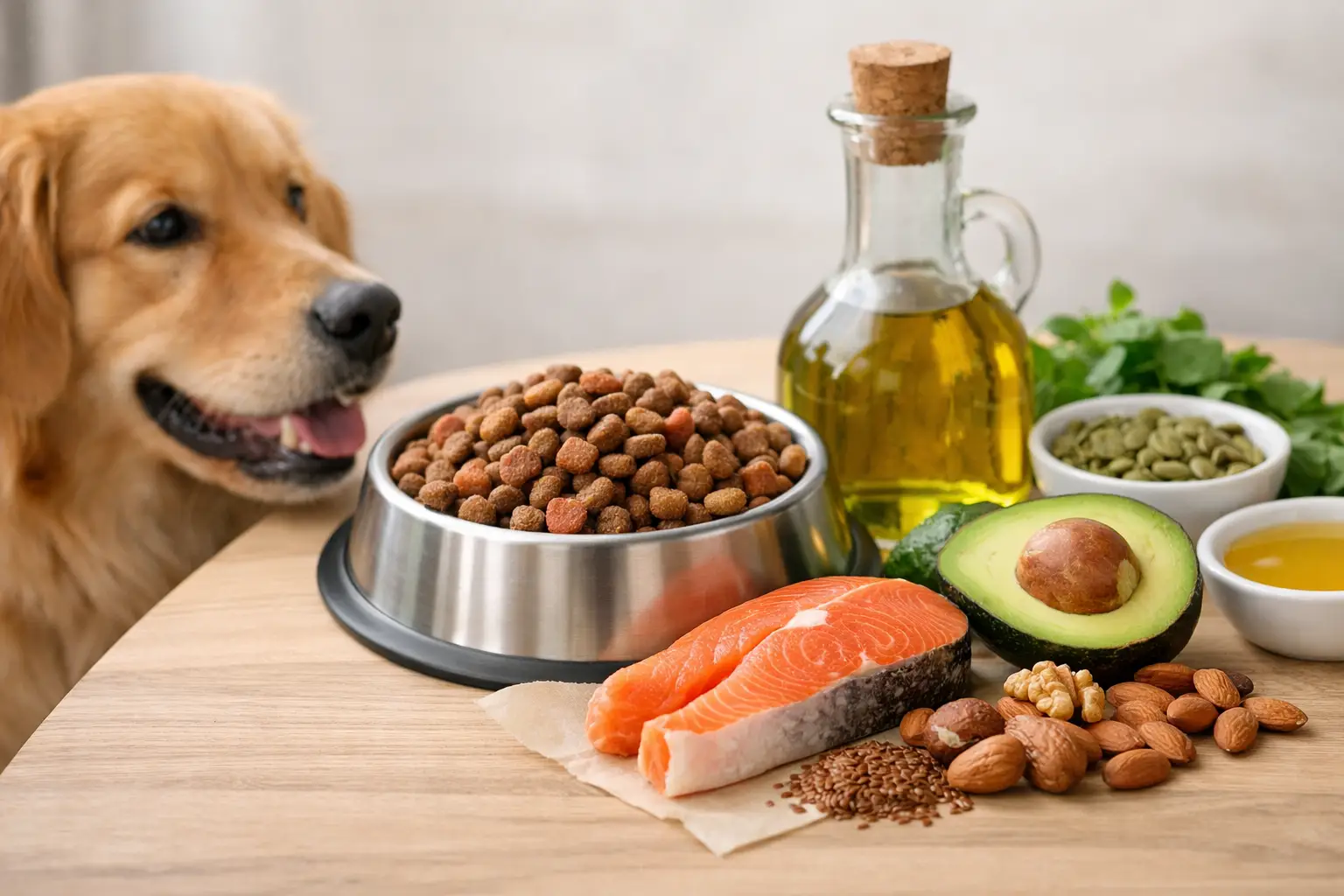
A soft, glossy coat is more than a nice-looking bonus. It can be one of the everyday signs that your dog’s nutrition is supporting them from the inside out. Dog food with healthy fats helps provide the energy, essential fatty acids, and nutrient support dogs need to feel good, stay active, and show off that beautiful coat.
Fat sometimes gets an unfair reputation, especially when pet parents are watching their dog’s weight. But dietary fat is not something to avoid across the board. The goal is to choose the right kinds of fats, in an appropriate amount, within a complete and balanced recipe made for your dog’s life stage and lifestyle.
Why Healthy Fats Matter for Dogs
Fats are a concentrated source of energy. They provide more calories per gram than protein or carbohydrates, which makes them especially valuable for active dogs, growing puppies, and dogs who need calorie-dense nutrition in reasonable portions. They also make food more satisfying and can help bring out the flavor dogs love at mealtime.
More importantly, fats supply essential fatty acids. These are fats a dog’s body cannot make in sufficient amounts on its own, so they need to come from food. Omega-6 fatty acids help support normal skin function and a healthy coat. Omega-3 fatty acids play a role in healthy skin, joint function, and overall wellness.
Dietary fat also helps dogs absorb fat-soluble vitamins, including vitamins A, D, E, and K. A formula may contain beneficial nutrients, but your dog needs adequate dietary fat to make use of them efficiently. That is one reason a thoughtfully formulated food matters more than simply adding an oil or table scrap to an otherwise unbalanced diet.
What Counts as Healthy Fat in Dog Food?
A healthy fat is not defined by one trendy ingredient. It is about the source, the overall formulation, and whether the food provides balanced nutrition for your individual dog.
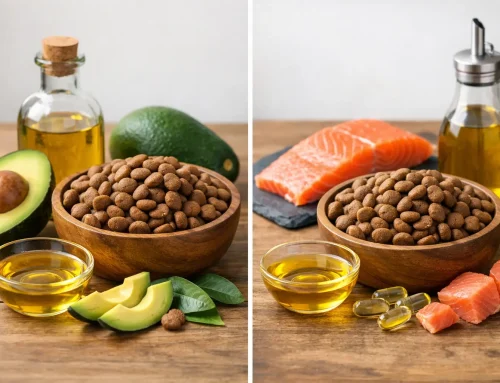
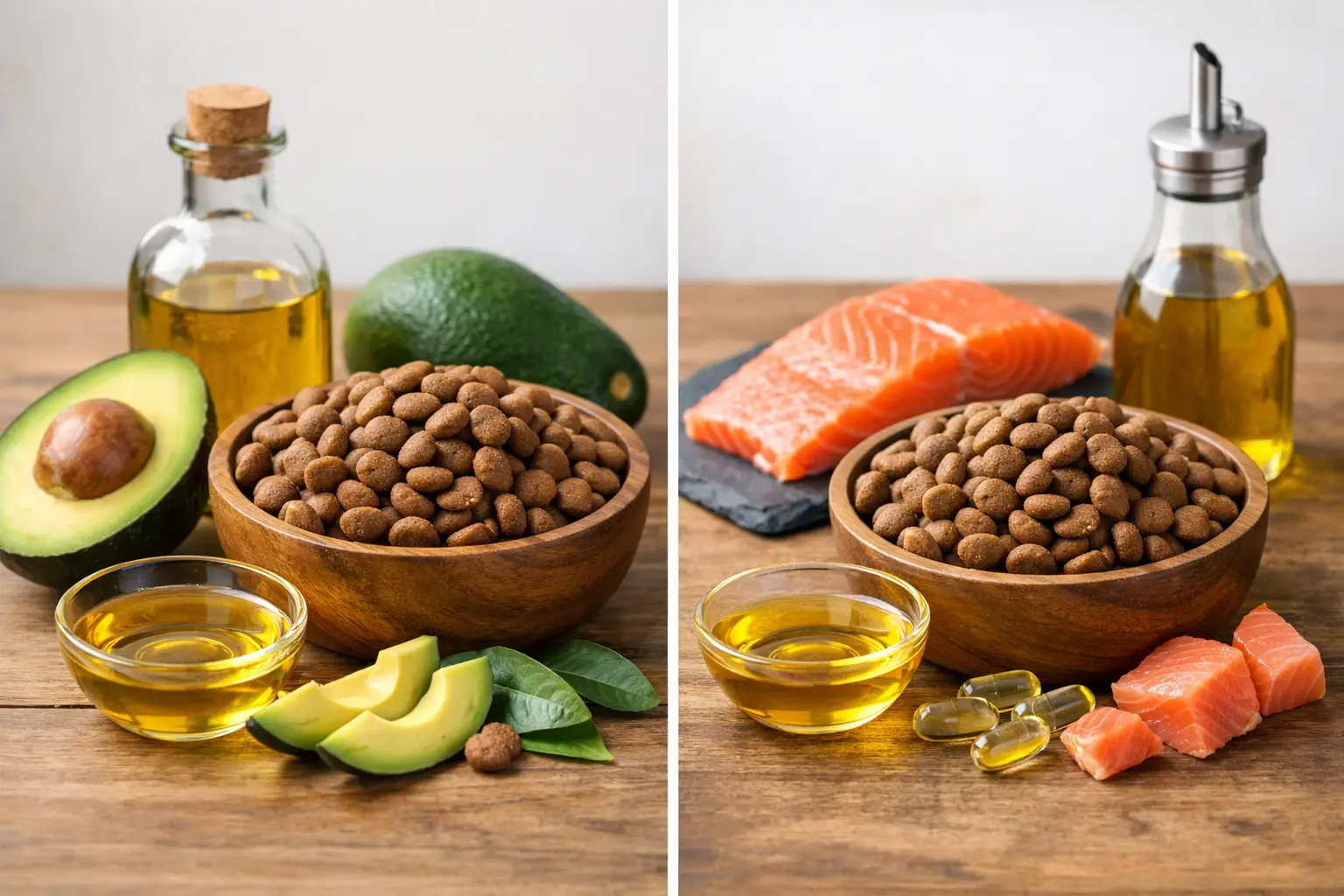
Animal-based ingredients such as chicken fat and fish oil can contribute valuable fatty acids and support palatability. Fish oil is often valued as a source of omega-3 fatty acids. Plant-based ingredients can be helpful, too. Flaxseed, for example, provides alpha-linolenic acid, while avocado and avocado oil offer naturally occurring fatty acids and vitamin E that can support skin and coat health.
Avocado deserves a little context. While dogs should not be given avocado pits, peels, or large amounts of fresh avocado from the kitchen, avocado ingredients that are carefully incorporated into a professionally formulated dog food can be a nutritious part of a complete diet. AvoDerm uses omega-rich avocado in its recipes to help nourish healthy skin and support a soft, beautiful coat.
The ingredient list can tell you where fats come from, but it does not tell the whole story. Look for a complete and balanced nutritional statement appropriate for your dog’s life stage. That statement indicates the food is formulated to provide the essential nutrients dogs need, rather than just offering a few appealing ingredients.
Omega-3 and Omega-6: Better Together
Pet nutrition conversations often make omega-3s sound like the only fat that matters. They are valuable, but dogs need both omega-3 and omega-6 fatty acids. The right balance supports normal skin, coat quality, and many everyday body functions.
There is no single ideal food for every dog. A young, highly active dog may thrive on a different calorie and fat level than a senior dog who enjoys shorter walks and more naps. Dogs with a history of pancreatitis, obesity, or certain digestive concerns may need a diet with a specifically managed fat level. Your veterinarian can help guide those decisions.
How to Read a Dog Food Label for Healthy Fats
Choosing dog food with healthy fats does not require a nutrition degree. Start with the product’s intended life stage and feeding purpose, then look beyond front-of-bag claims.
The guaranteed analysis lists minimum crude fat, along with protein, fiber, and moisture. This number is useful for comparing foods, but it is not a quality score by itself. A higher fat percentage is not automatically better, and a lower percentage is not automatically healthier. It simply tells you part of the nutritional picture.
Next, scan the ingredient list for recognizable fat sources, such as fish oil, chicken fat, flaxseed, avocado, or avocado oil. Quality brands should also be clear about their nutritional approach and manufacturing standards. If your dog has a known sensitivity, review the full ingredient panel instead of assuming that a recipe is a match based on one featured ingredient.
Finally, check calories per cup or can. Fat adds energy quickly, so portion size matters. Even a premium food made with excellent ingredients can contribute to weight gain if a dog receives more calories than they use each day. Treats, chews, and training rewards count, too.
Signs Your Dog May Benefit From a Nutrition Check-In
A dull coat or dry-looking skin can lead pet parents to seek out more dietary fat, but these concerns can have many causes. Seasonal weather, grooming habits, fleas, allergies, underlying health issues, and an unbalanced diet can all affect skin and coat condition.
Consider a conversation with your veterinarian if you notice several ongoing changes, such as:
- Dry, flaky skin or frequent scratching
- A coat that looks dull, brittle, or sparse
- Unexplained weight gain or weight loss
- Loose stool, vomiting, or changes in appetite
These signs do not automatically mean your dog needs a fattier food. They do mean it is worth looking at the whole picture. Your veterinarian can help rule out medical concerns and recommend a feeding plan that fits your dog’s needs.
Choosing the Right Fat Level for Your Dog
A food that works beautifully for one dog may not be the best choice for another. Start with your dog’s age, body condition, activity level, and health history.
Puppies need carefully balanced nutrition to support growth, so choose a formula specifically designed for puppies or all life stages when appropriate. Active adult dogs may do well with a recipe that provides steady energy from quality protein and healthy fats. Less active dogs and dogs prone to weight gain may benefit from a recipe with mindful calorie density and measured portions.
For dogs with food sensitivities, simplicity can be helpful. A limited-ingredient or sensitive-skin-and-stomach recipe may make it easier to identify ingredients that agree with your dog. Still, a sensitivity-friendly recipe should provide complete nutrition, including the fats and fatty acids needed for skin and coat wellness.
If your veterinarian has recommended a therapeutic diet or a low-fat approach for a health condition, follow that advice rather than selecting a food based on a general wellness claim. Healthy fats are beneficial, but the appropriate amount always depends on the dog in front of you.
Switch Foods Slowly for Happier Mealtimes
Even an excellent new recipe can upset a dog’s stomach if the change happens too quickly. A gradual transition gives their digestive system time to adjust and lets you watch for changes in stool quality, appetite, energy, skin, and coat.
Over about seven to 10 days, blend increasing amounts of the new food with decreasing amounts of the old food. Start with a small portion of the new recipe, then slowly increase it every few days. Some dogs need a little more time, particularly those with sensitive stomachs.
Keep portions consistent during the transition, and avoid introducing several new treats or toppers at once. That makes it easier to understand how your dog responds to the food itself. If vomiting, diarrhea, or significant itching occurs, pause the transition and contact your veterinarian.
A bowl filled with purposeful nutrition can support far more than a wagging tail at dinner. Choose a complete recipe with quality fat sources, feed the right portion for your dog’s needs, and give the change time to show. Good health shows in the small moments: comfortable skin, eager energy, and a coat you cannot help but admire.