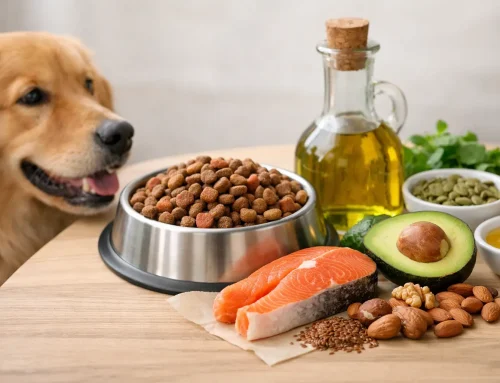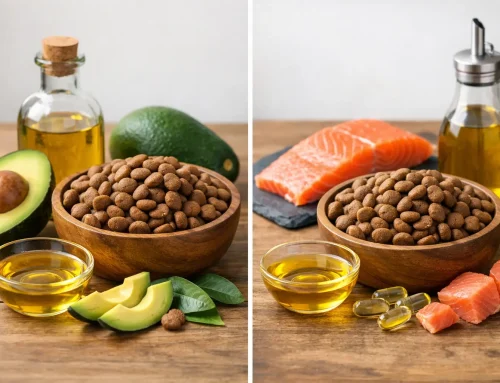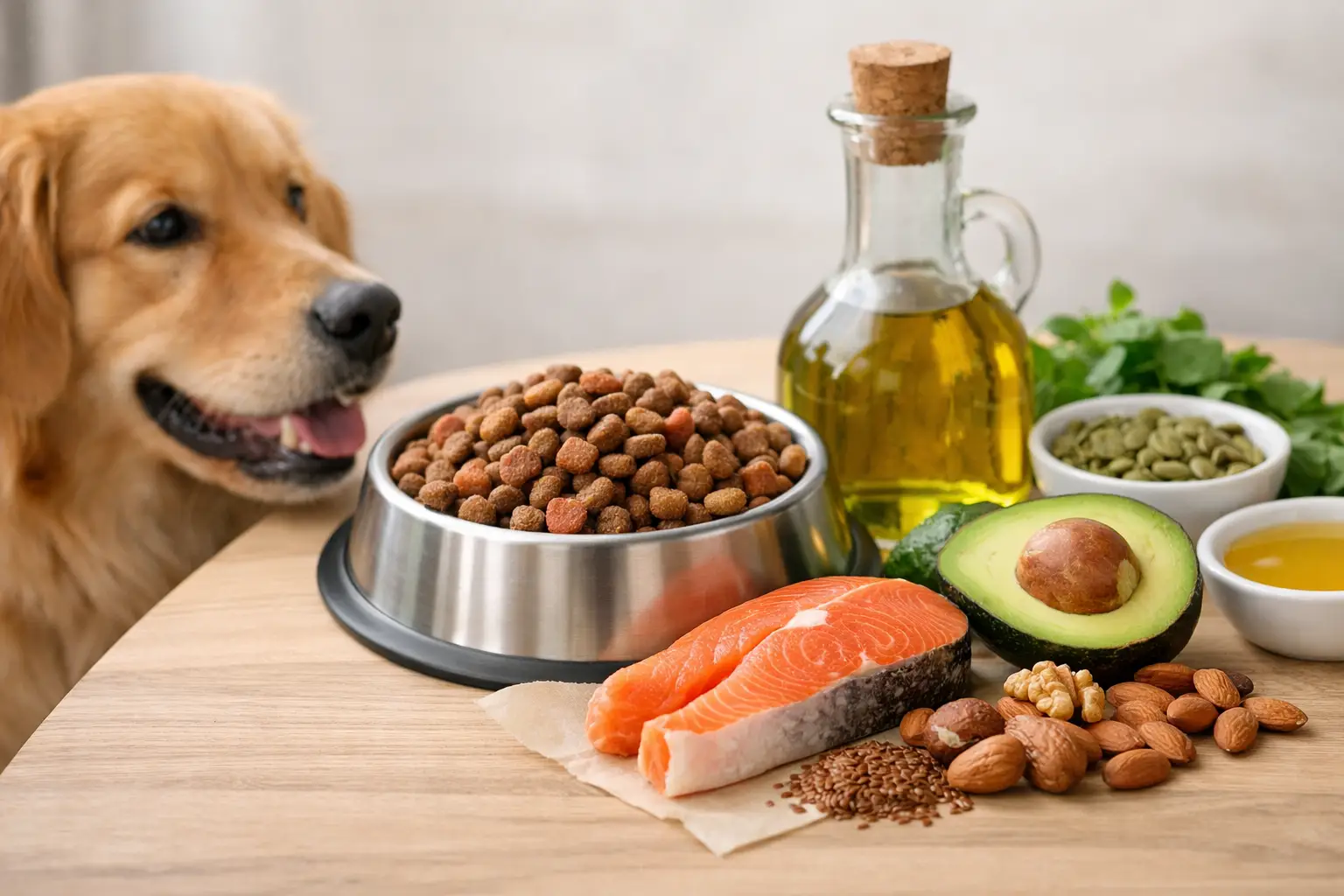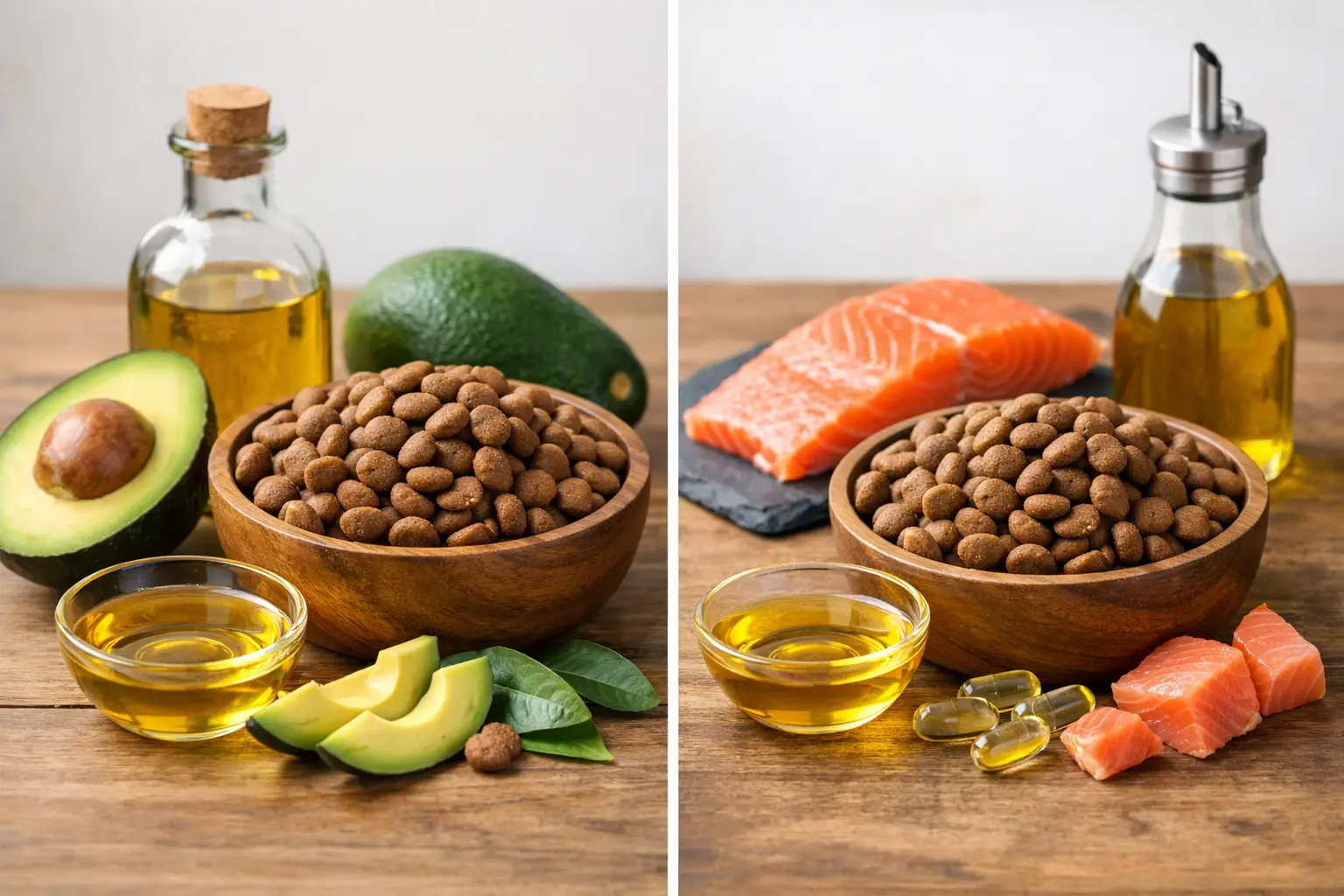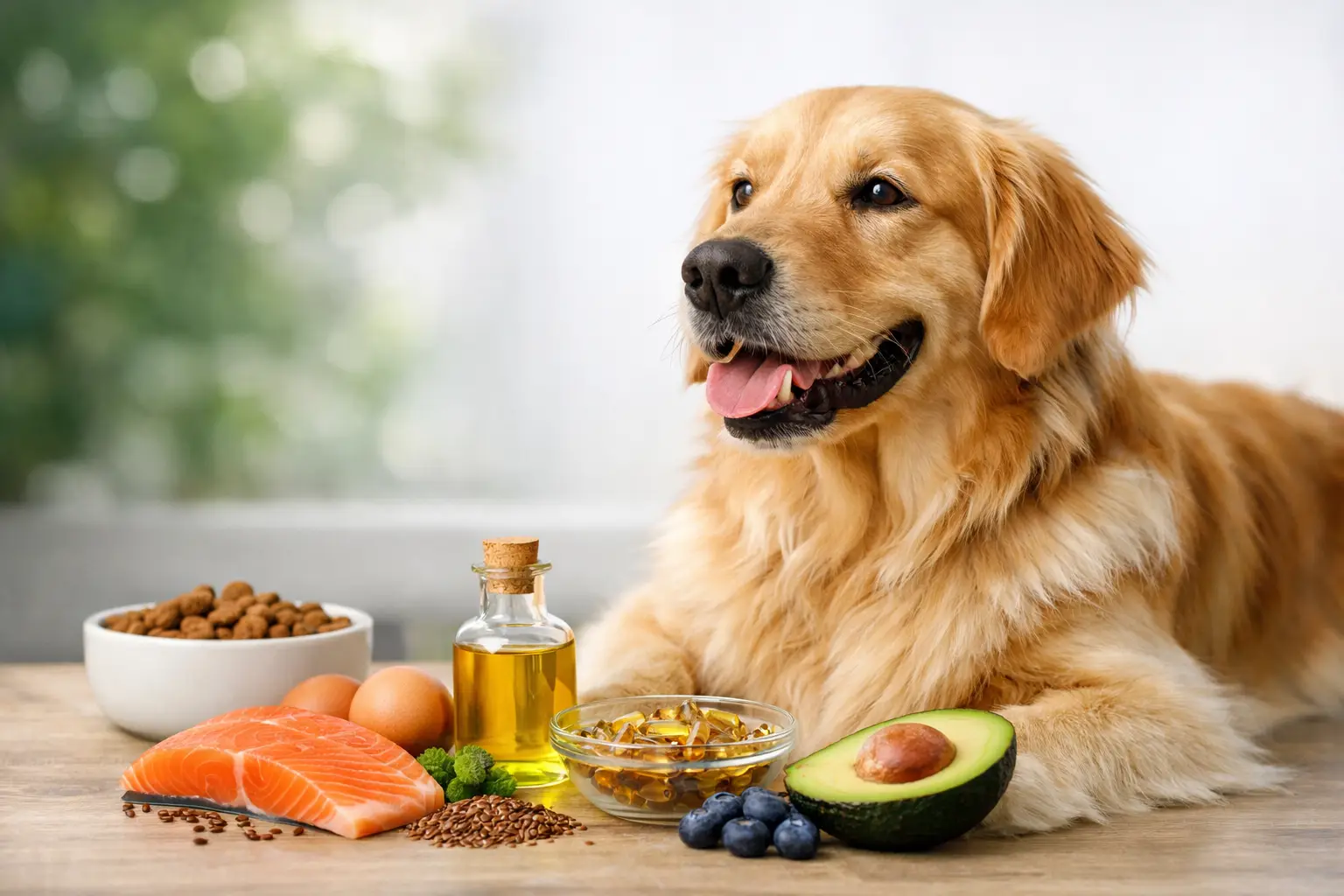
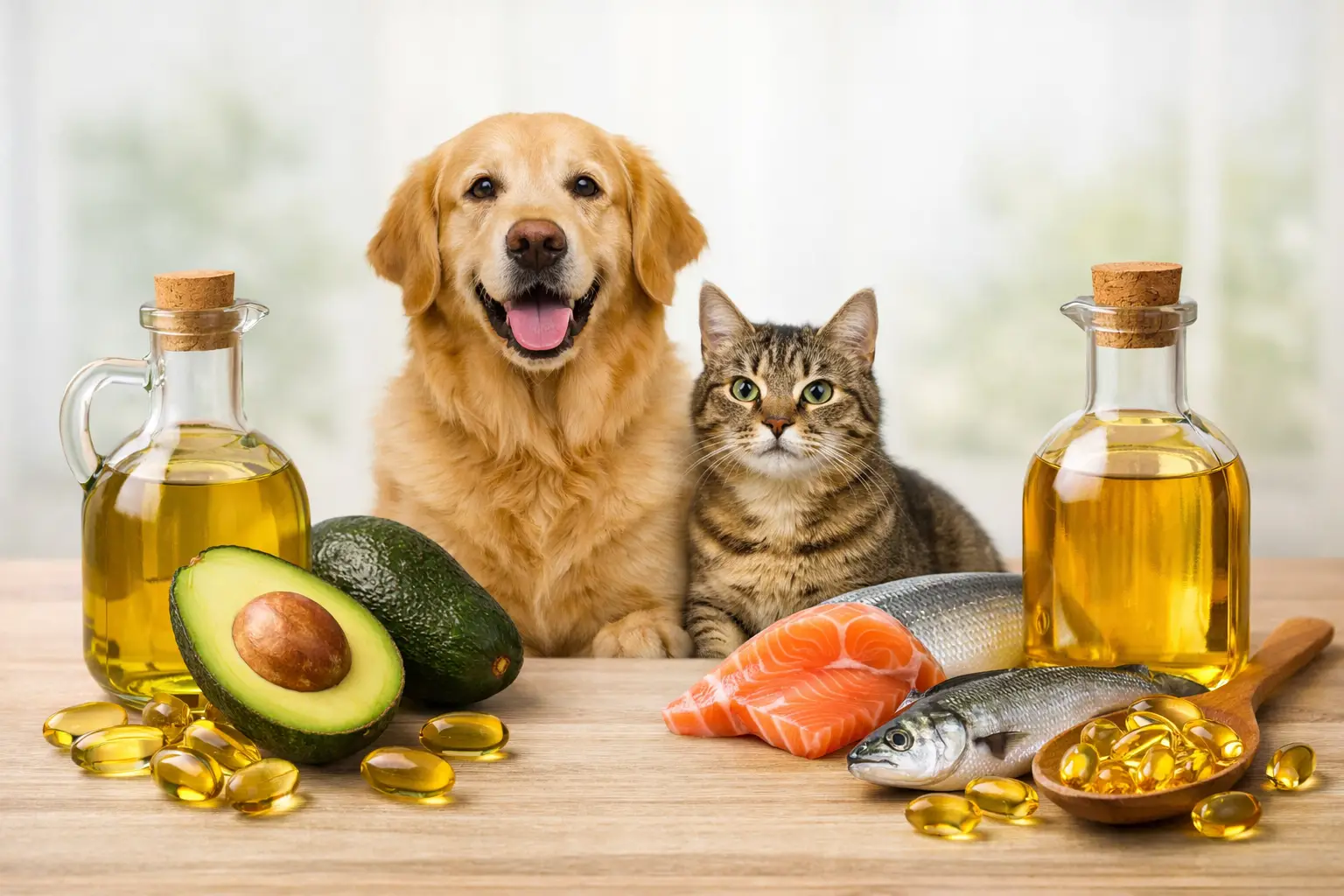
A dull coat, flaky skin, or constant scratching can send pet parents straight to the ingredient panel. That is usually where the avocado oil vs fish oil question starts. Both are well-known fat sources, and both can play a role in skin and coat health, but they are not interchangeable in every formula or for every pet.
If you are choosing food for a dog or cat, the better question is not which oil sounds trendier. It is which one fits your pet’s needs, your standards for ingredient quality, and the kind of everyday nutrition you want in the bowl. That is where the differences start to matter.
Avocado oil vs fish oil: what is the real difference?
At a basic level, avocado oil and fish oil are both dietary fats. They help deliver energy, support normal body functions, and contribute to healthy skin and a soft, shiny coat. But nutritionally, they bring different strengths.
Fish oil is best known for omega-3 fatty acids, especially EPA and DHA. These are the fats most pet owners hear about when they are looking for support for skin, coat, and normal inflammatory response. Fish oil has a strong reputation for that reason, and in some cases, it is absolutely a useful ingredient.
Avocado oil is different. It is valued for its rich fatty acid profile, including omega fatty acids that help nourish skin and support coat condition. It is also tied to a recognizable whole-food source that many premium pet parents appreciate. For brands built around ingredient function, avocado oil offers more than a label claim. It supports a broader wellness story centered on natural, visible results.
That distinction matters because pet food is not just about isolated nutrients. It is about how ingredients work together in a complete and balanced formula.
Why pet parents compare avocado oil vs fish oil
Most comparisons happen when pet owners are trying to solve a problem they can see. Their dog’s coat looks dry. Their cat sheds more than usual. Their pet has food sensitivities, or they want a gentler formula with purposeful ingredients.
Fish oil often comes up first because it is familiar. It has strong name recognition in both human and pet nutrition. But familiarity does not always mean it is the only good option, or even the best fit for a daily food.
Avocado oil appeals to pet parents who want skin and coat support from an ingredient that feels both functional and premium. It is especially attractive in formulas designed around wholesome nutrition and ingredient transparency. When used thoughtfully, it can help support the kind of healthy skin and beautiful coat that pet parents notice every day.
Fish oil’s strengths
Fish oil has a clear place in pet nutrition. Its omega-3 content is one reason many veterinarians and pet owners use it for targeted support. If a pet needs extra omega-3s, fish oil may be part of that conversation.
There are trade-offs, though. Fish oil quality can vary depending on sourcing and handling. It can also be more prone to oxidation if not carefully managed, which is one reason manufacturing standards matter so much. And for some pet parents, fish-based ingredients are less appealing because of odor, ingredient preferences, or questions about sourcing.
Avocado oil’s strengths
Avocado oil brings a different kind of value. It supports skin and coat health through nourishing fats, and it aligns naturally with a premium, wellness-focused approach to feeding. For pet parents who want food built around ingredient integrity and visible benefits, avocado oil is easy to understand and easy to trust.
It also fits well in formulas designed for ongoing daily nutrition rather than a single nutrient spotlight. That can be especially appealing for pet owners who want a complete and balanced food that supports multiple wellness goals at once.
Which oil is better for skin and coat?
For many pet parents, this is the heart of the avocado oil vs fish oil decision. The honest answer is that both can contribute to healthy skin and coat, but they do it in slightly different ways and in different formula contexts.
Fish oil is often chosen for concentrated omega-3 support. That can make it useful when a pet needs help maintaining normal skin comfort or when a nutrition plan is focused heavily on EPA and DHA intake.
Avocado oil shines as part of a broader skin and coat nutrition strategy. It helps nourish the skin barrier and support coat softness and shine in a way that feels natural for everyday feeding. If your goal is not just to add a supplement but to feed a premium food with wellness built in, avocado oil is a strong ingredient to look for.
For many pets, the best results come from the overall quality of the diet, not from chasing one ingredient alone. Protein quality, digestibility, vitamin and mineral balance, and fatty acid composition all work together. That is why a thoughtfully designed food matters more than ingredient hype.
What about pets with food sensitivities?
This is where context matters. Some pets do well with fish-based ingredients. Others may need a different approach, especially if pet parents are trying to simplify the diet or avoid certain proteins and flavor profiles.
Avocado oil can be appealing in sensitivity-conscious formulas because it supports wellness without relying on fish as the nutritional hero. That does not mean fish oil is automatically a problem. It simply means avocado oil may fit better in some recipes and for some households.
If your dog or cat has a history of digestive upset, itching, or ingredient-related reactions, it helps to look beyond the oil alone. Check the full recipe. Is the protein source appropriate? Is the formula designed for easy digestion? Is the brand clear about ingredient purpose and manufacturing quality? Those answers usually matter more than one oil in isolation.
Daily nutrition vs targeted supplementation
Another helpful way to look at avocado oil vs fish oil is to ask whether you are choosing a daily food or trying to add a supplement.
Fish oil is often discussed as a supplement first and a food ingredient second. That can be useful when a pet needs targeted nutritional support under veterinary guidance. But adding oils on top of a complete diet is not always simple. Too much added fat can upset digestion, contribute extra calories, or throw off the intended nutrient balance.
Avocado oil tends to make the most sense when it is already built into a complete and balanced recipe. In that setting, it becomes part of an everyday approach to skin, coat, and overall vitality. That is often the more convenient and more consistent option for pet parents who want visible wellness without building a complicated routine.
How to choose between avocado oil and fish oil in pet food
Start with your pet, not the trend. If your dog or cat needs highly specific omega-3 support, fish oil may be worth discussing with your veterinarian. If your goal is premium everyday nutrition with skin and coat benefits built into the formula, avocado oil is a compelling ingredient.
Next, look at the brand’s philosophy. Are ingredients there for a reason, or just for marketing? Brands that center nutrition around a signature ingredient should be able to explain what that ingredient does, why it is included, and how it fits into the whole formula. That kind of clarity builds trust.
It also helps to think about what you want to see over time. Many pet parents are looking for the same signs of success: less dryness, a softer coat, healthy-looking skin, and a pet that seems to feel good from the inside out. A formula featuring avocado oil can support those visible benefits in a way that feels both purposeful and easy to feed. For pet owners who value natural ingredients and dependable daily wellness, that can be a smart choice.
The bigger picture on avocado oil vs fish oil
No single oil makes a pet food great on its own. What matters most is how the formula is built, how ingredients are sourced, and whether the food delivers complete and balanced nutrition your pet can thrive on.
That said, ingredient choice still tells you a lot about a brand. Fish oil points to one kind of nutritional strategy. Avocado oil points to another – one that often emphasizes skin and coat nourishment, premium ingredient identity, and whole-food-inspired wellness. For many pet parents, that difference feels meaningful because it aligns with how they want to feed their pets every day.
At AvoDerm, that philosophy is easy to understand. Good health shows, and when a food is built around nourishing ingredients that support healthy skin and a beautiful coat, you can often see the difference in the mirror-bright shine of your pet’s fur.
If you are weighing the options, trust what makes sense for your pet’s needs and your feeding goals. The best choice is the one that supports everyday health in a way you can feel good about every time you fill the bowl.