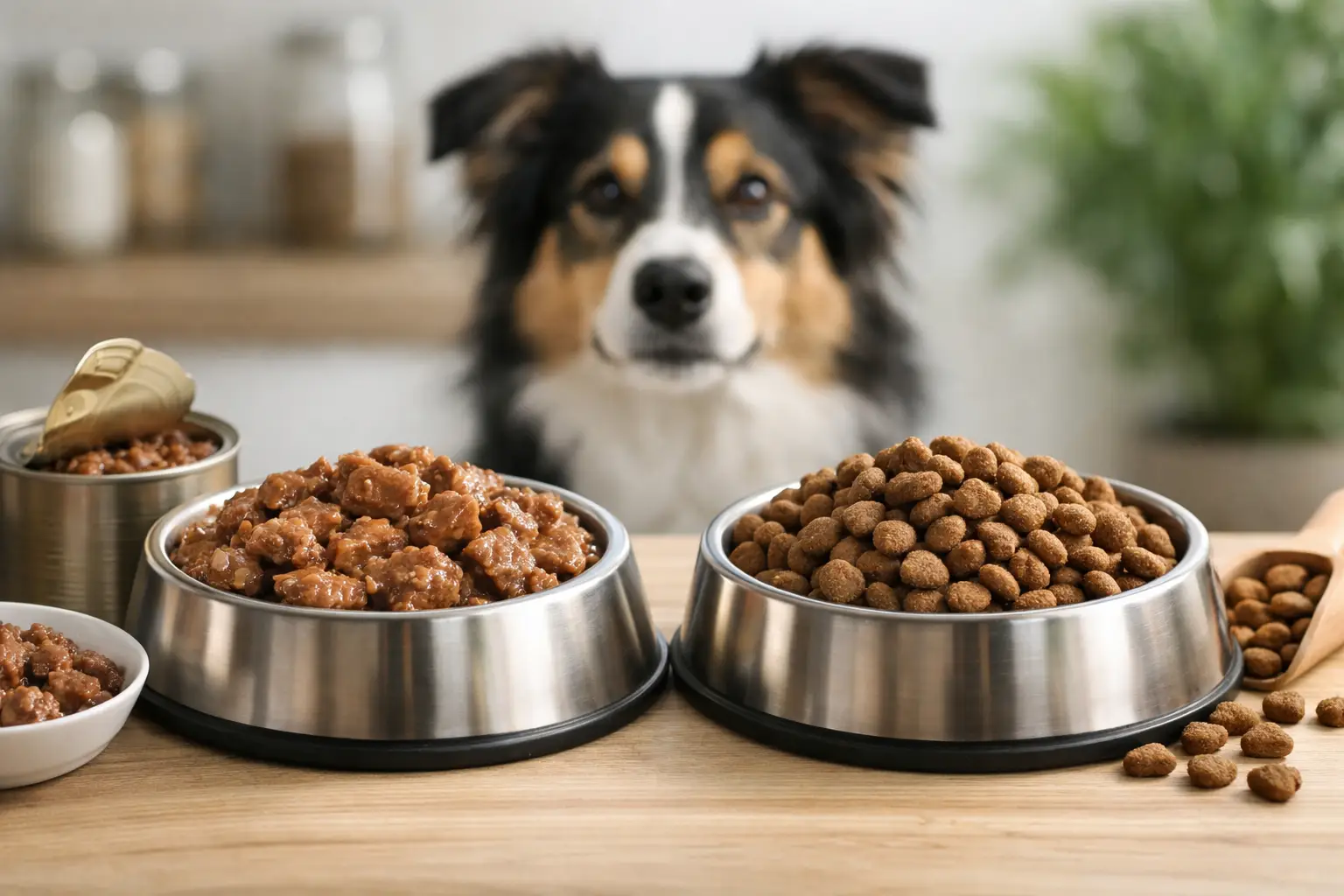
You notice it at feeding time. One dog inhales crunchy kibble like it is the best part of the day. Another turns up their nose unless dinner comes with extra aroma, moisture, and texture. That is why the wet or dry food for dogs question rarely has a one-size-fits-all answer. The better question is which format supports your dog’s health, appetite, digestion, and daily routine best.
For many pet parents, the choice is not about picking a winner. It is about understanding what each type of food does well and where the trade-offs show up. A healthy diet starts with complete and balanced nutrition, but texture, moisture, ingredient quality, and your dog’s individual needs all matter too.
Wet or dry food for dogs: what really changes?
The biggest difference between wet and dry food is moisture content. Wet food contains much more water, which changes everything from texture and smell to calorie density and how filling it feels in the bowl. Dry food has much less moisture, so it is more concentrated and usually easier to portion, store, and serve.
That moisture difference can affect how appealing the food is. Wet food tends to have a stronger aroma and softer texture, which can be especially helpful for picky eaters or dogs whose appetite needs a little encouragement. Dry food offers crunch and convenience, and many families appreciate how simple it is to measure for consistent feeding.
Nutrition is where some confusion sets in. Pet parents sometimes assume one format is automatically healthier than the other, but that is not the right lens. A high-quality wet food and a high-quality dry food can both deliver complete and balanced nutrition. The real question is whether the recipe is thoughtfully made and whether it fits your dog’s life stage, preferences, and wellness goals.
The benefits of wet food
Wet food often shines when hydration is a concern. Dogs naturally get water from drinking, but moisture in food can still support overall fluid intake, which may be helpful for dogs that do not drink eagerly from the bowl. For some dogs, especially small breeds, seniors, or dogs recovering from stress or illness, the softer texture can also make mealtime more comfortable.
Palatability is another major advantage. Wet food’s smell and texture can make it more enticing, which matters when your dog is selective or has lost some enthusiasm for meals. If your dog tends to walk away from dry food but lights up when food is warmed slightly and served moist, that tells you something useful.
There is also a portioning benefit that some pet parents overlook. Because wet food contains more water, it is typically less calorie-dense by volume than dry food. That can make meals feel generous in the bowl, which some dogs love. Of course, calorie needs still come first, so the label and feeding guidance matter more than the look of the serving.
Wet food does come with practical limits. Opened cans or trays need refrigeration, leftovers have a shorter lifespan, and feeding can cost more per day depending on your dog’s size. It can also be messier, which is not a health issue but is very real when you are feeding twice a day in a busy household.
The benefits of dry food
Dry food is popular for good reason. It is convenient, easy to store, and simple to feed consistently. If you want precise portions, quick meal prep, and a format that fits training schedules or automatic feeders, dry food makes everyday life easier.
It also works well for many dogs who thrive on routine. Measuring kibble is straightforward, which helps when you are tracking calories, managing weight, or making sure every family member feeds the same amount. That consistency can be a quiet advantage over time.
Another reason pet parents choose dry food is ingredient focus and everyday value. Premium dry foods can offer targeted nutrition for skin and coat health, digestive support, or food sensitivities while still being practical for long-term feeding. Formulas made with quality proteins, wholesome carbohydrates, and omega-rich ingredients can support visible wellness from the inside out. Good health often shows in the skin and coat first, which is why ingredient function matters as much as format.
Dry food is not perfect for every dog. Some pets want more moisture, more aroma, or a softer bite. Others eat too quickly, which can make mealtime feel less satisfying. In those cases, dry food may still work well, but it may need a little help from feeding strategies or a mixed approach.
How to decide between wet or dry food for dogs
Start with your dog, not the packaging. Age, size, dental comfort, activity level, and appetite all shape the best choice.
Puppies often do well with either format as long as the food is complete and balanced for growth, but texture can influence how easily they take to meals. Adult dogs usually have the widest flexibility. Senior dogs may appreciate wet food or softened dry food if chewing becomes less comfortable, though many older dogs continue to do very well on dry diets.
If your dog is a picky eater, wet food may be the easiest way to improve enthusiasm at mealtime. If your dog needs tightly managed portions or you prefer a more budget-friendly premium feeding routine, dry food may be the better fit. If your dog has a history of sensitivities, look beyond the moisture level and focus on the ingredient panel, protein source, and whether the recipe is designed with sensitive dogs in mind.
Hydration is worth paying attention to, but it should not be overstated. Dogs eating dry food can absolutely stay well hydrated if they have regular access to fresh water and drink normally. Still, if your dog rarely drinks or seems to benefit from extra moisture in meals, wet food can be a smart option.
Is mixing wet and dry a good idea?
For many households, mixing is the sweet spot. A combination feeding routine can bring together the convenience of dry food and the taste appeal and moisture of wet food. That can be especially helpful for dogs who want more excitement in the bowl but still do well on kibble as their nutritional foundation.
Mixed feeding can also help with transitions. If you are moving a dog from one texture to another, blending the two can make the change feel more familiar. Just remember that calories from both foods count. It is easy to overfeed if you add wet food on top of a full dry portion instead of adjusting the total meal.
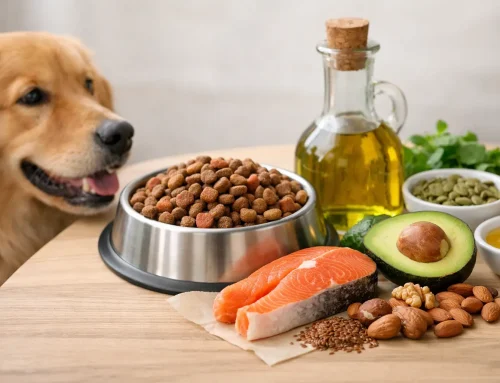
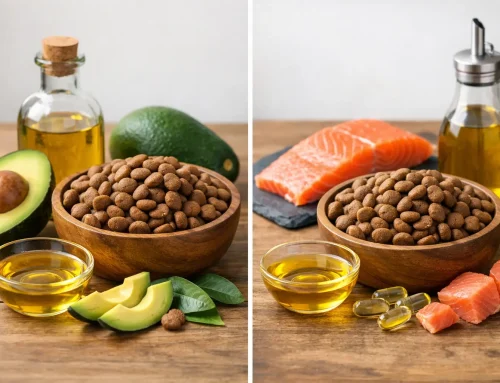
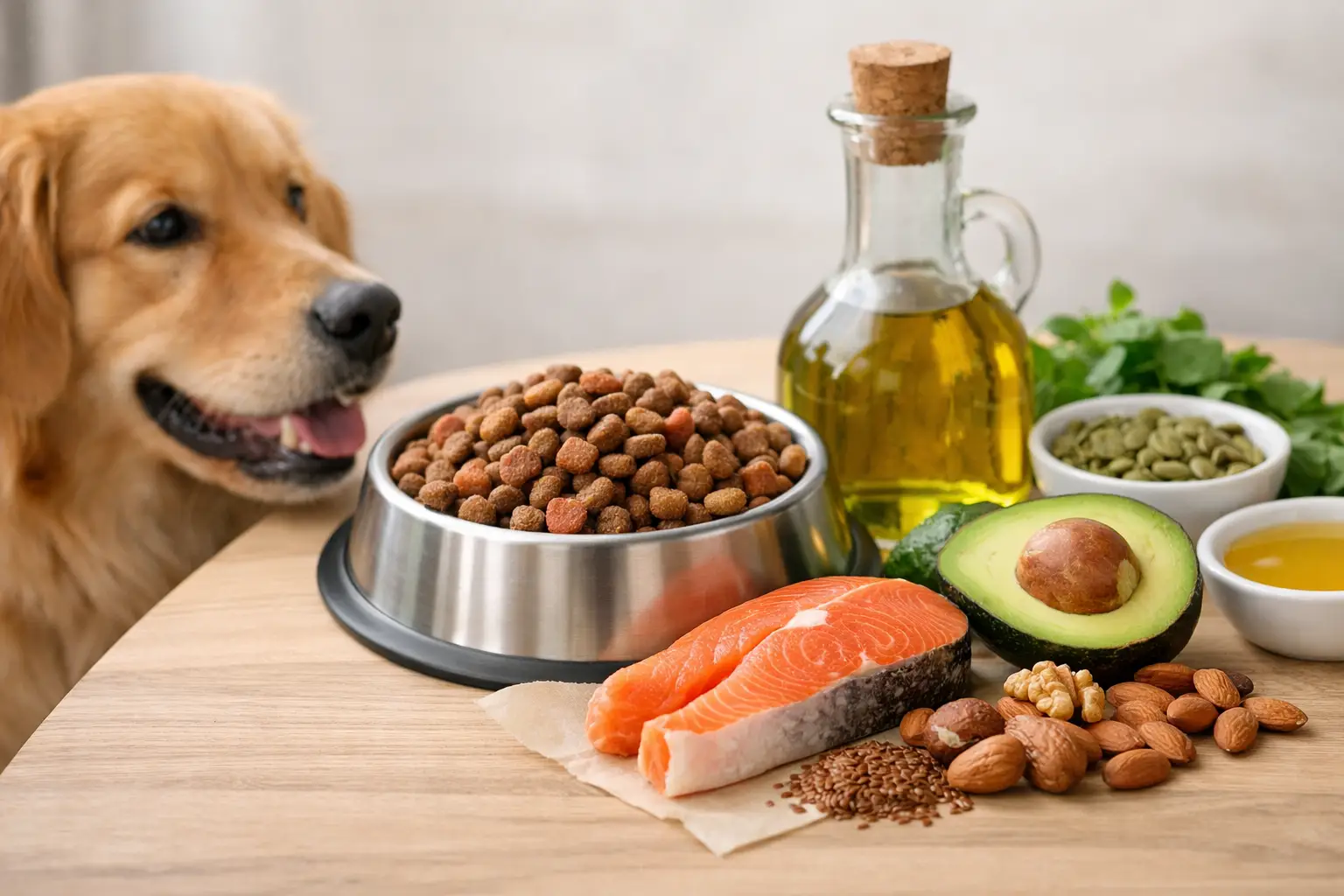
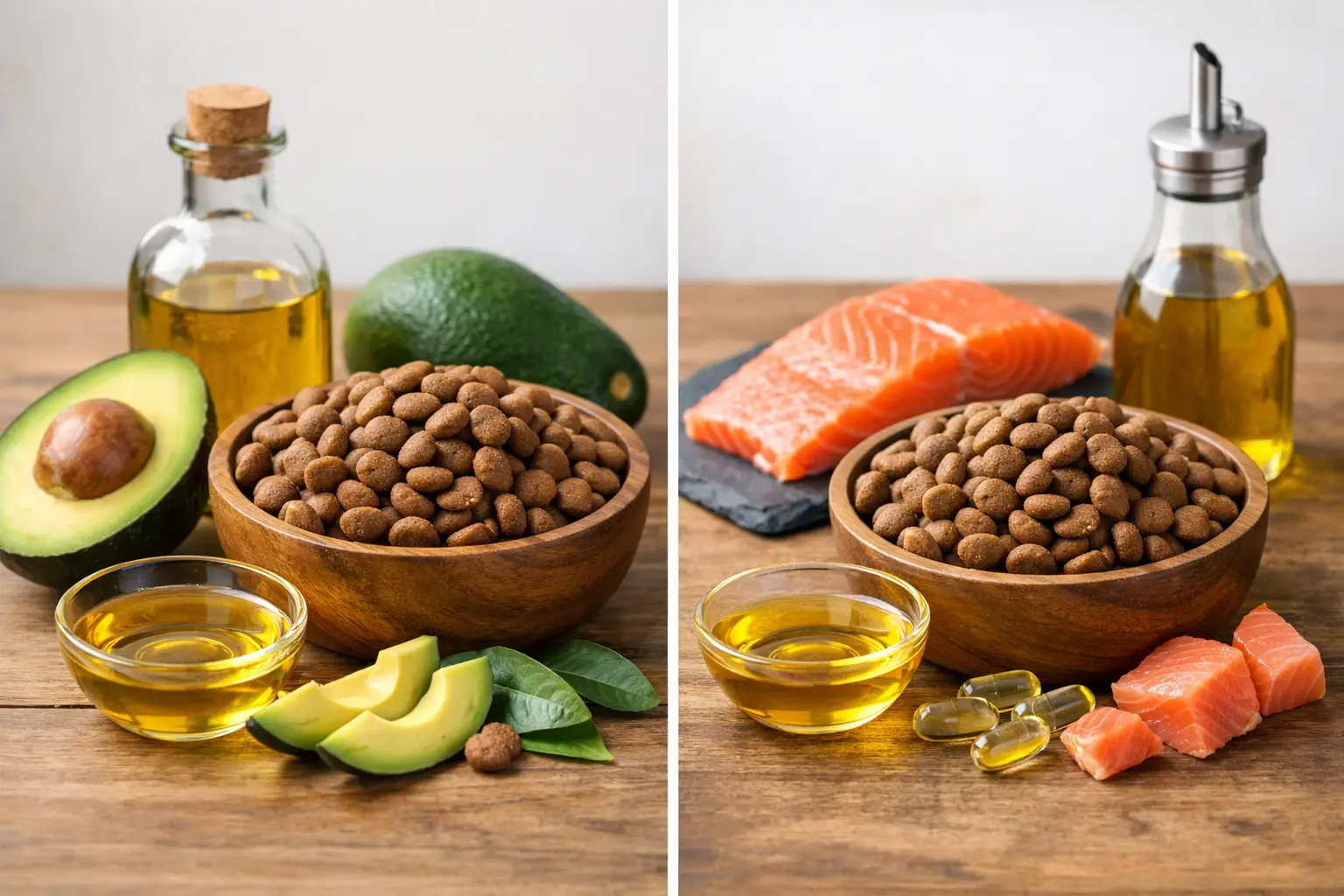
This is also where quality matters even more. If you mix foods, make sure both are complete and balanced and aligned with your dog’s needs. A premium recipe with purposeful ingredients can support benefits you can actually see, like healthy skin, a beautiful coat, and steady digestion. That is one reason many pet parents look for formulas built around functional ingredients such as avocado and avocado oil, which naturally provide good fats that help nourish skin and coat health.
What matters more than format
It is easy to get stuck on wet versus dry, but format is only one part of the picture. The bigger markers of a smart choice are nutritional completeness, ingredient quality, digestibility, and how your dog responds over time.
Look at your dog’s energy, stool quality, skin condition, coat appearance, and mealtime enthusiasm. Those real-life signals often tell you more than internet debates ever will. A food that looks great on paper still needs to work in your dog’s bowl.
Transparency matters too. Pet parents who care about premium nutrition often want to know how foods are made, where ingredients come from, and what the recipe is designed to support. That trust becomes especially important when you are feeding for visible wellness goals like coat shine or managing sensitivity concerns through everyday nutrition.
If you are switching formats, take it slowly. A gradual transition over several days gives your dog’s digestive system time to adjust and helps you spot any issues early. Sudden changes can cause unnecessary stomach upset, even when the new food is excellent.
There is no gold star for choosing only wet or only dry. The best feeding plan is the one that gives your dog complete nutrition, fits your routine, and supports how they feel and look every day. For some dogs, that is a premium dry formula. For others, it is wet food, or a thoughtful mix of both. When you choose with your dog’s real needs in mind, you are already on the right track.