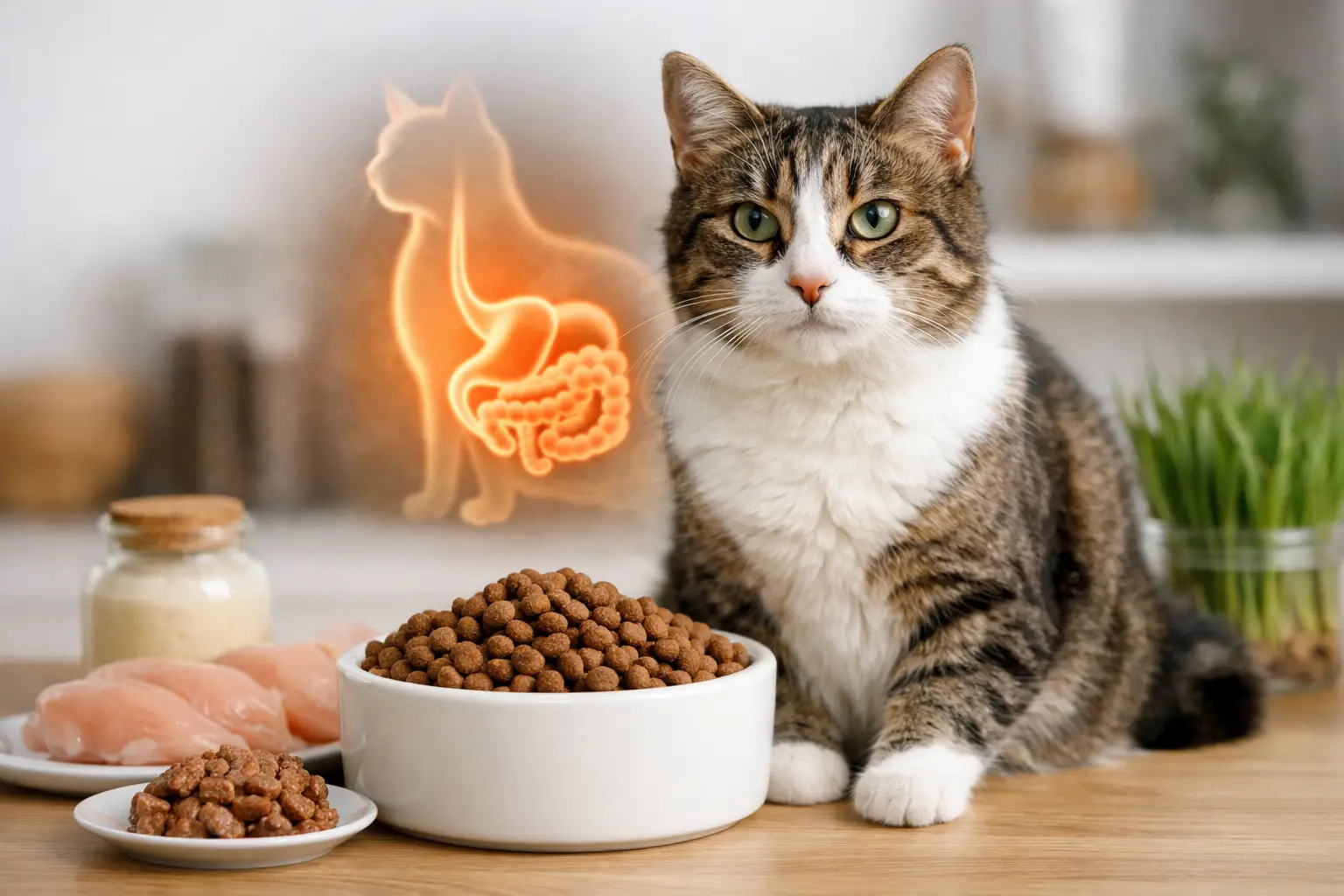
If your cat’s litter box habits suddenly change, mealtime gets hesitant, or vomiting becomes a little too common, the food bowl is one of the first places worth looking. Digestive support cat food is designed for exactly these moments – when your cat needs nutrition that is easier on the stomach, gentler through the gut, and reliable enough for everyday feeding.
Cats can have digestive upsets for simple reasons, like eating too fast or switching foods too quickly. They can also react to richer formulas, hard-to-digest ingredients, or specific proteins that do not agree with them. The goal is not just to calm a rough patch. It is to feed in a way that supports better digestion over time, so your cat can feel comfortable and you can see the difference in appetite, stool quality, energy, and coat condition.
What digestive support cat food is meant to do
A good digestive support formula does more than avoid obvious irritants. It helps create a feeding routine that works with your cat’s system instead of challenging it. That usually means ingredients chosen for digestibility, balanced fiber, and a complete, everyday nutrient profile that supports overall wellness.
For many cats, digestive support starts with predictability. Cats tend to do well when their food is consistent, nutritionally balanced, and made with carefully selected ingredients. When digestion is off, the signs may look small at first – more hairballs, loose stools, gas, occasional vomiting, or a cat who suddenly seems picky. Over time, those signs can affect body condition, hydration, and even coat quality.
That is why digestive health matters beyond the stomach alone. Good digestion helps your cat actually use the nutrients in the food. When nutrient absorption is working well, good health shows in very visible ways.
Signs your cat may benefit from digestive support cat food
Not every digestive issue means your cat needs a new diet, and not every sensitive stomach needs the same solution. Still, there are some common patterns that suggest a gentler formula may be worth considering.
One is frequent soft stool or inconsistent stool quality. Another is vomiting that happens often enough to feel like part of the routine, especially after meals. Some cats also show digestive stress through reduced enthusiasm at mealtime, sudden food refusal, excessive shedding linked with poor nutrient use, or a dull coat.
Food transitions can be another trigger. A cat may do fine for months, then react when a food changes, a new formula is introduced, or treats become a larger part of the diet. Stress can also affect digestion. Travel, schedule changes, a new pet, or even a moved litter box can show up in the gut.
If symptoms are severe, persistent, or paired with weight loss, blood in stool, or major behavior changes, it is time to talk with your veterinarian. Digestive support food can be a smart nutritional step, but it is not a substitute for medical care when something more serious is going on.
The ingredients that matter most
When pet parents shop for digestive support, the label can get crowded fast. The better approach is to focus on a few meaningful factors rather than every claim on the bag or can.
Highly digestible proteins
Cats are obligate carnivores, so protein quality matters. A digestive support formula should include animal protein sources that are not overly complicated and that your cat tolerates well. For some cats, a simpler recipe can make a real difference, especially if they have a history of food sensitivity.
This is where ingredient choice becomes practical, not trendy. Fewer unnecessary extras can help you better understand what your cat is eating and how they respond to it.
Balanced fiber
Fiber is one of the most useful tools in digestive nutrition, but the right amount matters. Too little can leave stools loose or irregular. Too much can be counterproductive for some cats and may reduce palatability.
Balanced fiber helps support normal stool formation and can also help move ingested hair through the digestive tract. That matters for cats prone to hairballs, especially long-haired cats or enthusiastic groomers.
Beneficial fats
Digestive wellness is not just about the gut lining. It is also about feeding a complete diet your cat can thrive on. Healthy fats help support skin, coat, and overall nutrient balance, and quality fat sources can improve taste and feeding consistency too.
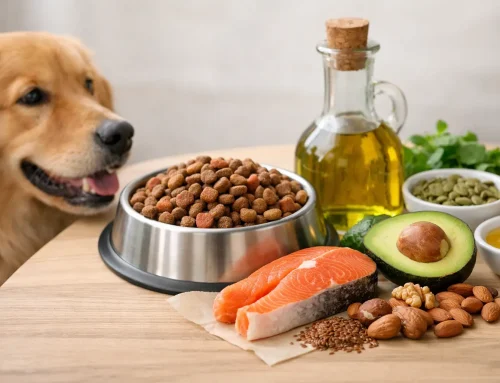
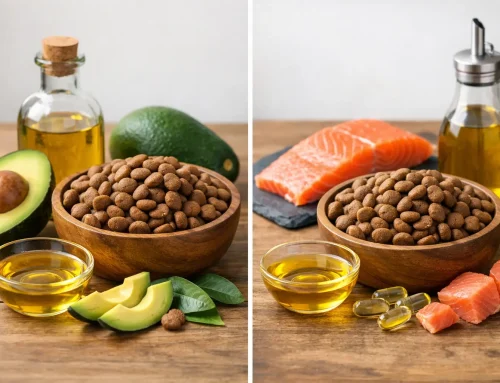
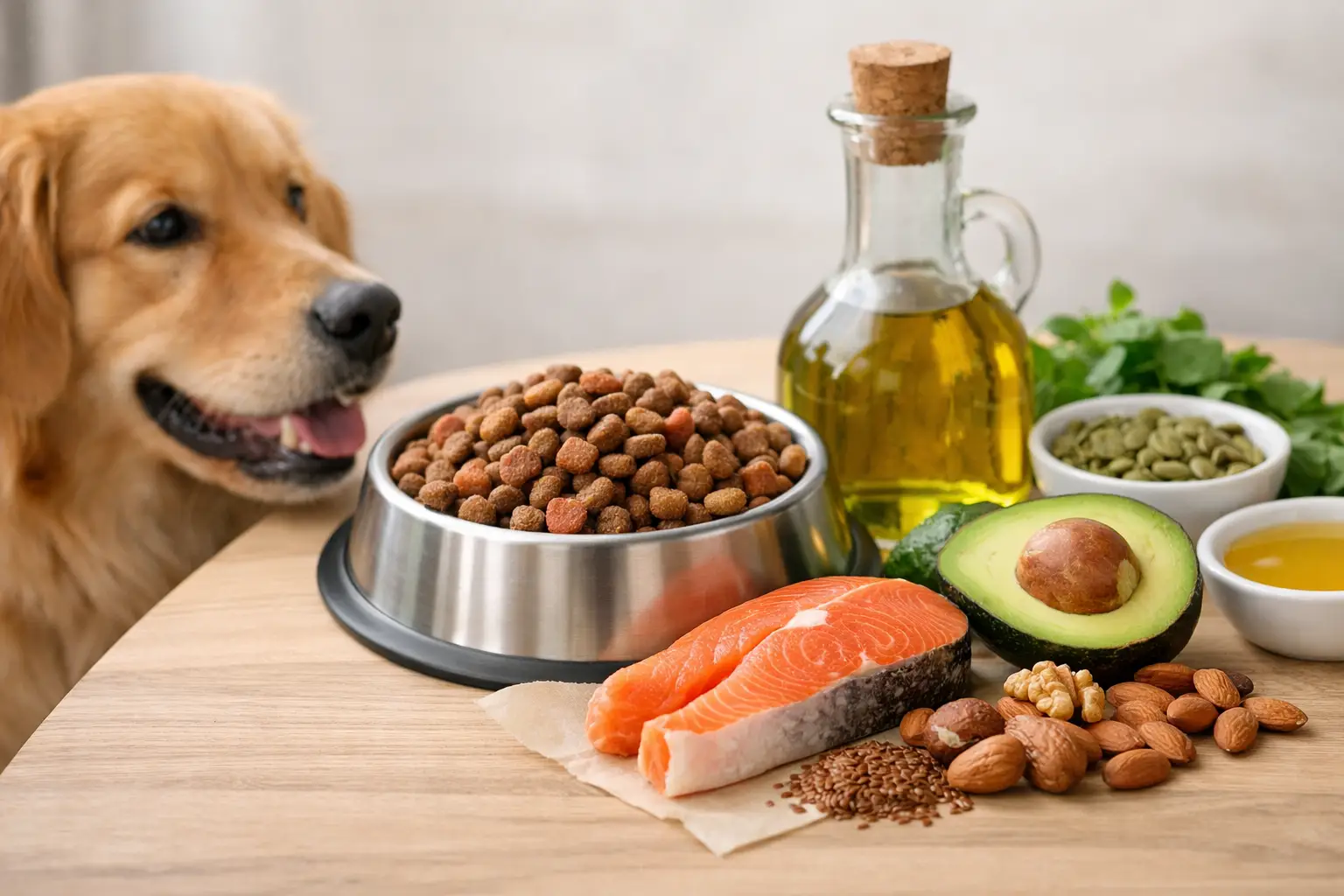
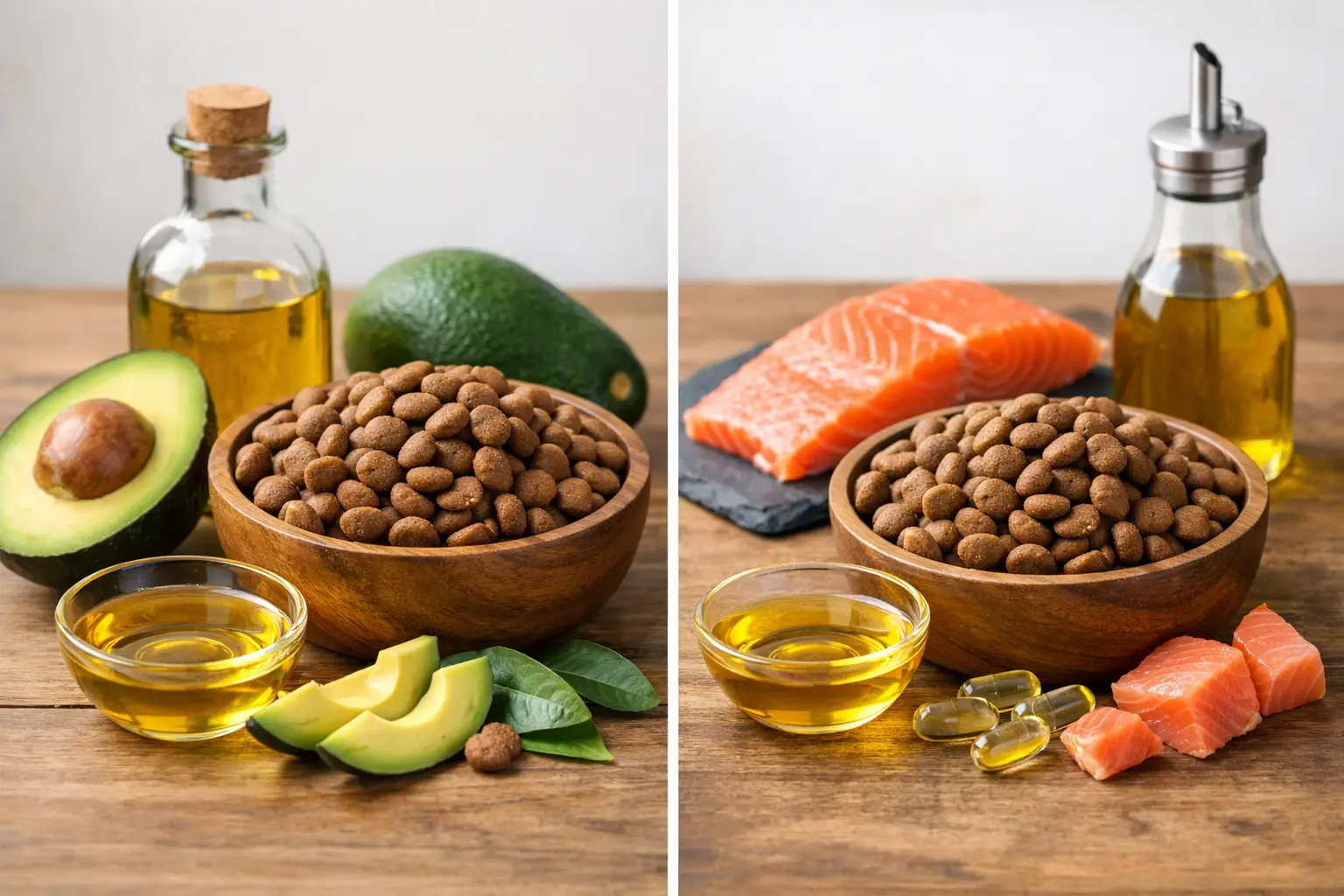
Avocado oil is a standout ingredient in premium pet nutrition because it provides beneficial omega fatty acids that support skin and coat health while fitting into a well-rounded formula. For cats with digestive sensitivity, that whole-body support matters. When a food is easier to digest and also helps maintain a beautiful coat, the benefits become easier to see.
No unnecessary guesswork
Natural, thoughtfully formulated recipes can be helpful for pet parents who want to avoid overly complicated feeding. That does not mean every cat needs an ultra-limited ingredient diet. It means the formula should feel purposeful, complete, and easy to trust.
Dry, wet, or mixed feeding?
The best format depends on your cat. Dry food offers convenience, easy portioning, and consistency. Wet food adds moisture, which can be especially helpful for cats who are not enthusiastic drinkers. A mixed approach can work well for many households because it combines texture variety with practical feeding.
For digestive support, the most important thing is not whether the food comes in a bag or a can. It is whether the formula agrees with your cat and whether the feeding routine is consistent. Some cats with sensitive stomachs do better with smaller, more frequent meals, regardless of format.
How to switch to a digestive support formula
Even the best digestive support cat food can backfire if the transition is rushed. A sudden food change is one of the quickest ways to upset digestion, which can make it harder to tell whether the new food is helping.
Start gradually over 7 to 10 days. Mix a small amount of the new food into the current food and increase it step by step. If your cat has a very sensitive stomach, it may be worth going even slower. This is one of those situations where patience pays off.
During the transition, keep everything else as steady as possible. Do not rotate in several new treats, toppers, or supplements at the same time. If you change too many variables at once, it becomes difficult to know what is working.
Watch the basics: stool quality, vomiting frequency, appetite, energy, and coat appearance. Improvement is not always instant. Some cats show better stool quality quickly, while visible coat and skin benefits can take longer.
What results should you expect?
A realistic expectation is steady improvement, not a miracle overnight. The first signs of progress are often more consistent stools, less stomach upset, and calmer mealtimes. Some cats become more interested in food once they stop associating eating with discomfort.
Over the following weeks, you may also notice more stable weight maintenance, better litter box consistency, and a healthier-looking coat. Because digestion affects how the body uses nutrients, improvements can show up well beyond the digestive tract.
That said, it depends on the cause of the issue. If the problem is mainly a fast switch, a gentler food and a slower transition may solve it. If your cat has deeper food sensitivities, finding the right formula may take more trial and observation. If there is an underlying medical condition, food may be only part of the plan.
Choosing a formula you can feel good about
For premium pet parents, digestive support should not mean settling for bland, low-value nutrition. The ideal formula supports sensitive digestion while still delivering complete and balanced daily nourishment. It should be made with quality ingredients, offer clear functional benefits, and fit naturally into your routine.
That is where brand trust matters. Transparent sourcing, thoughtful formulation, and wellness-focused ingredients give pet owners more confidence that the food is doing what it promises. A brand like AvoDerm brings an especially distinctive approach by pairing digestive-minded nutrition with the benefits of avocado and avocado oil, giving cats support that goes beyond the bowl and shows up in everyday health.
Your cat does not need a complicated feeding strategy. Often, they just need food that is easier to digest, consistent from meal to meal, and designed with real wellness in mind. When the right formula clicks, you usually see it in the simplest ways – a cleaner bowl, a calmer stomach, and a cat that looks as good as they feel.