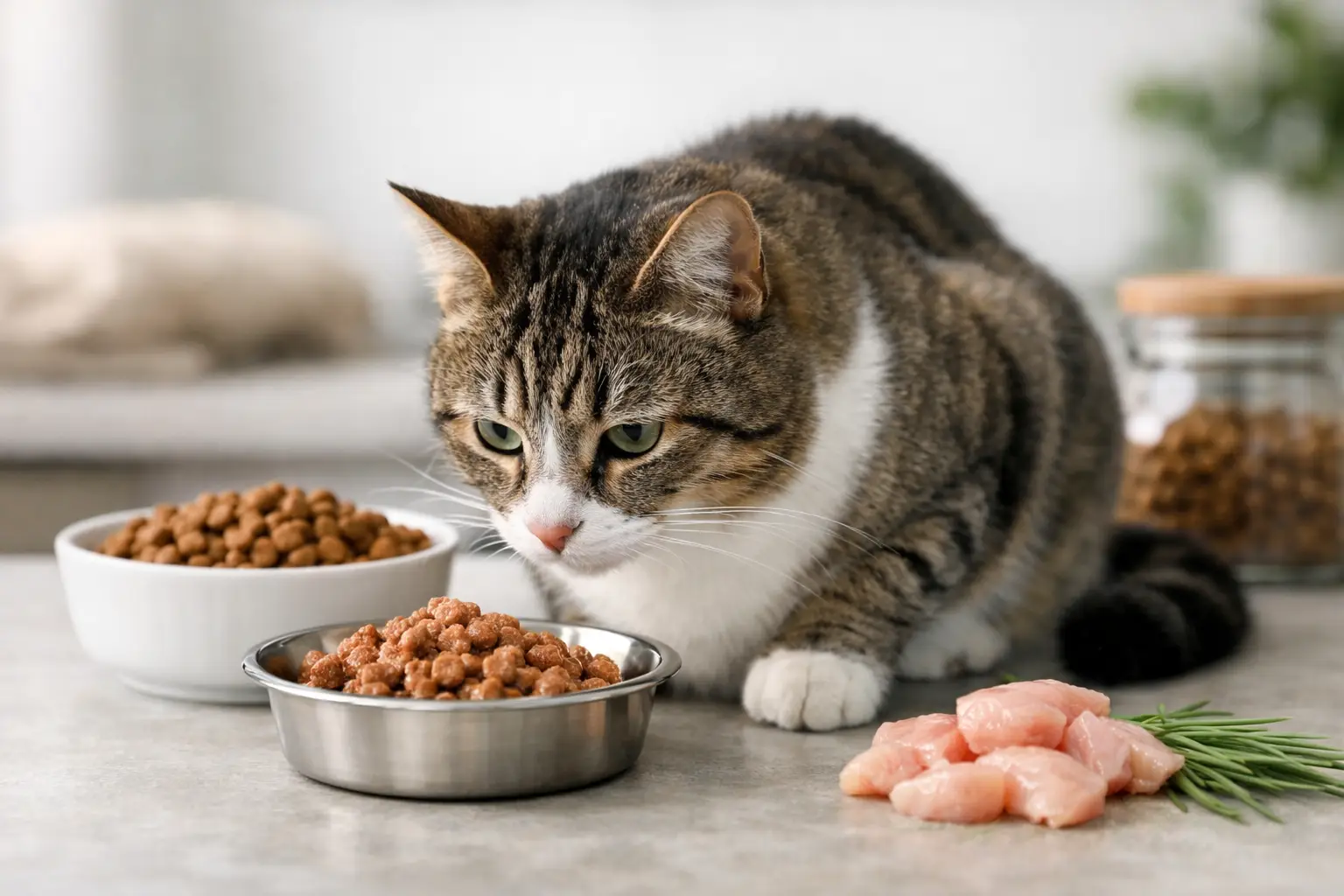
One day your cat cleans the bowl without a problem. The next, you are dealing with vomit on the rug, loose stool in the litter box, or a cat who seems interested in food but uncomfortable after eating. Finding the right cat food for sensitive stomach concerns often starts there – with small, frustrating signs that digestion is off.
A sensitive stomach is not a formal diagnosis by itself. It is usually a pattern. Your cat may have trouble digesting certain ingredients, may react poorly to abrupt diet changes, or may simply do better on a gentler formula with carefully chosen proteins and fats. The goal is not to chase trends. It is to find complete, balanced nutrition that your cat can handle comfortably every day.
What sensitive stomach looks like in cats
Digestive upset can show up in a few different ways. Some cats vomit occasionally after meals. Others have soft stools, gas, inconsistent appetite, or more frequent hairballs that seem tied to digestive stress. A cat with a sensitive stomach may also act hungry but eat slowly, walk away from the bowl, or seem less enthusiastic about food over time.
That said, not every upset stomach is a food issue. Parasites, infections, stress, eating too fast, and underlying medical conditions can cause similar symptoms. If your cat has persistent vomiting, weight loss, blood in the stool, lethargy, or a sudden major change in appetite, it is time to call your veterinarian. Food can support digestive wellness, but it is not a substitute for proper medical care.
How to choose cat food for sensitive stomach support
When pet parents start shopping, they often focus on what to avoid. That matters, but what you include matters just as much. The best cat food for sensitive stomach support usually comes down to digestibility, ingredient quality, and consistency.
Start with a digestible protein source
Cats are obligate carnivores, so animal protein should stay at the center of the bowl. For sensitive cats, a single, clearly identified protein source can be helpful because it makes the diet simpler and easier to evaluate. Chicken, turkey, duck, and fish can all work well, but it depends on the cat. An ingredient that suits one cat beautifully may not suit another.
If you suspect your cat reacts poorly to a specific protein, avoid guessing for too long. Repeated trial and error can prolong discomfort. A more focused approach, ideally with veterinary guidance, can save time and help your cat feel better sooner.
Look for gentle fat sources and balanced nutrition
Fat is a valuable energy source and helps support skin and coat health, but very rich foods can be too much for some cats. A formula that delivers balanced fat levels from quality ingredients often works better than one built around excess richness.
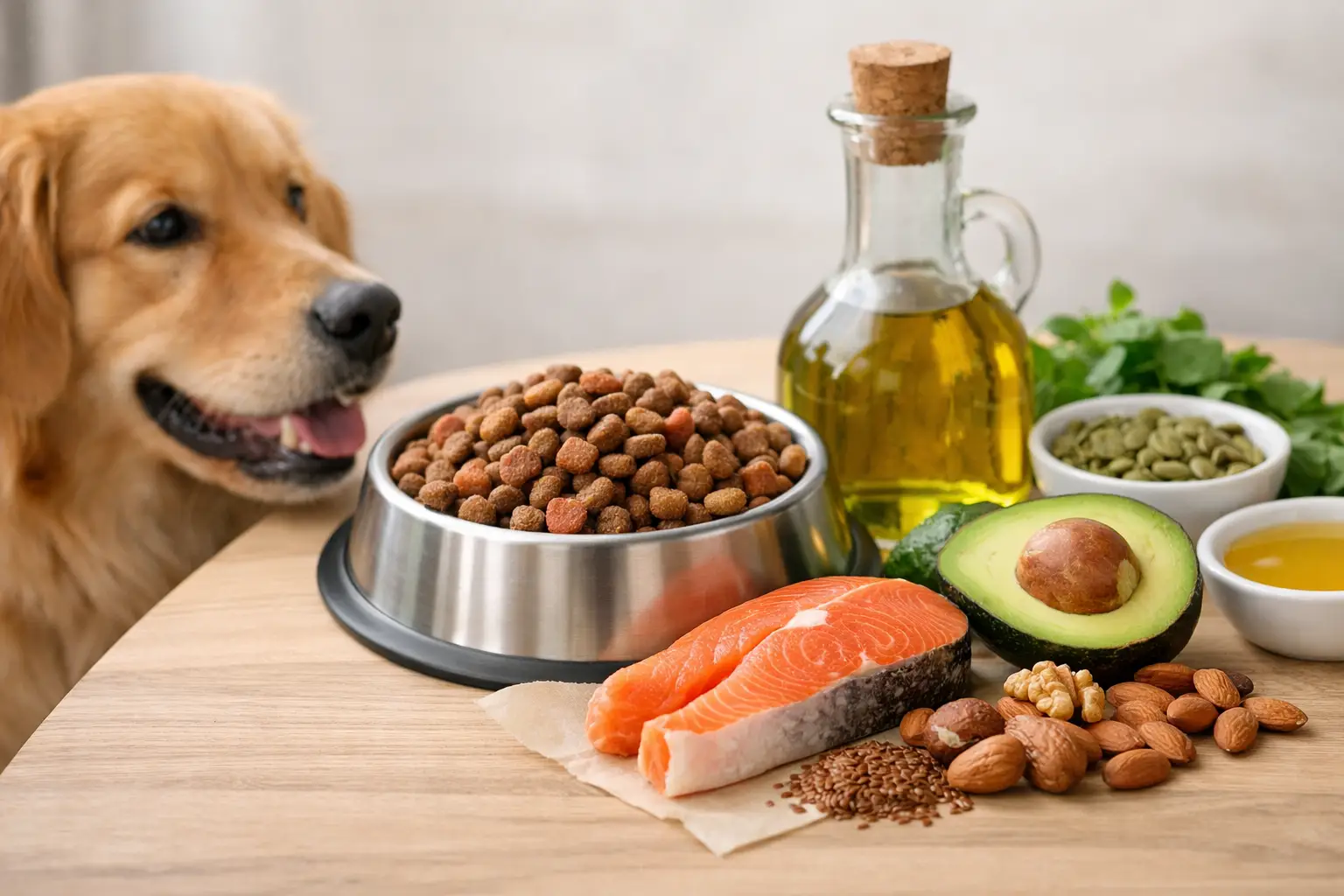
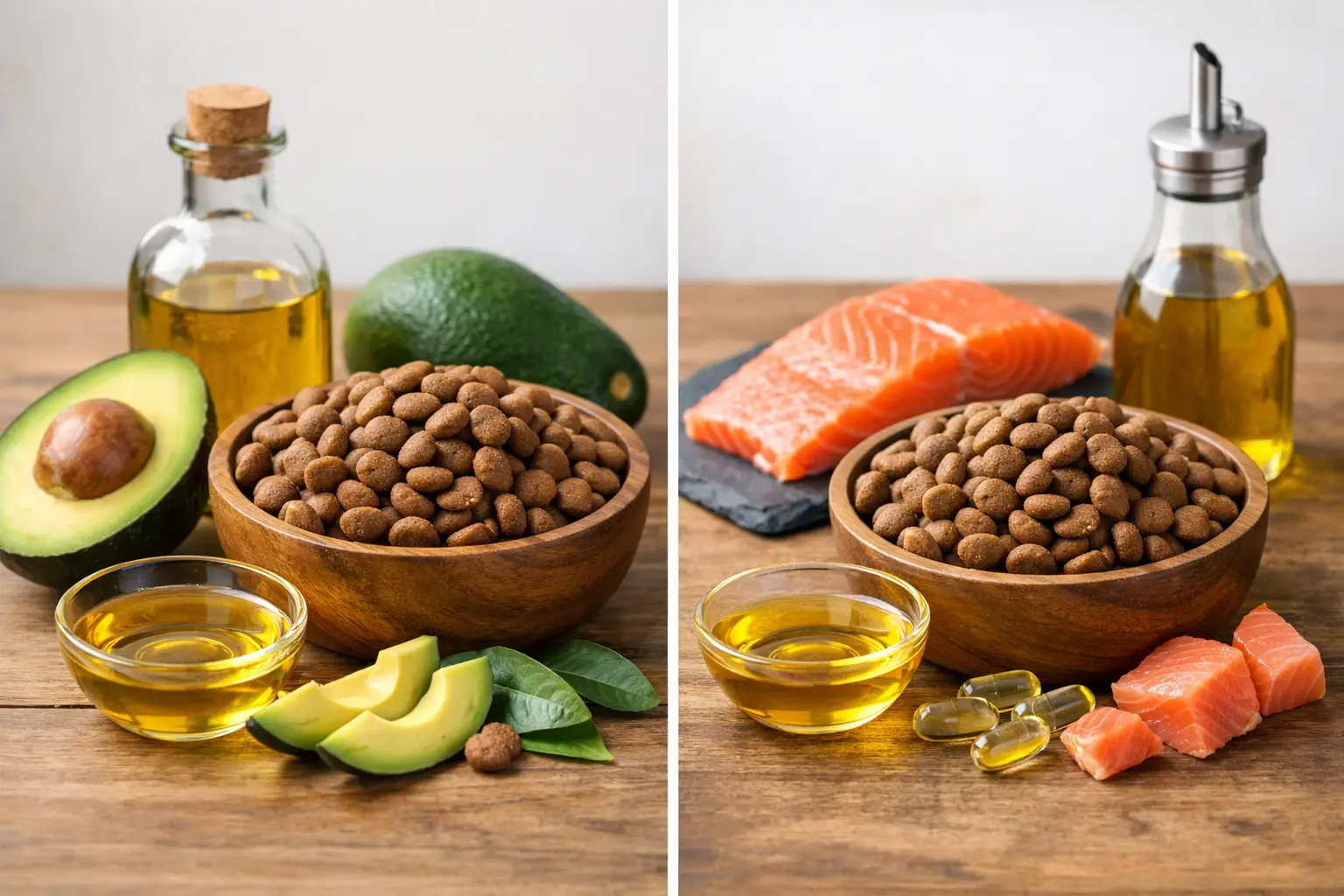
This is where ingredient quality really shows. Nutrient-dense recipes that support digestion without overloading the gut can make a visible difference in stool quality, comfort, and appetite. Functional ingredients such as avocado oil can be part of that equation, offering beneficial fatty acids that support overall wellness while fitting into a thoughtfully balanced formula.
Keep the ingredient deck straightforward
A shorter ingredient list is not automatically better, but a more purposeful one often is. Sensitive cats tend to do well when formulas avoid unnecessary complexity. That means recognizable ingredients, complete and balanced nutrition, and no constant switching between recipes just for variety.
If your cat is sensitive, consistency is your friend. Even a high-quality food can cause problems if you rotate too often or transition too quickly.
Ingredients that may be harder on some cats
There is no single ingredient that causes every digestive issue, which is why broad claims can be misleading. Still, some patterns are common. Artificial colors and flavors are easy to skip and bring little nutritional value. Sudden exposure to a new protein or very rich treat can also throw things off.
Some cats are sensitive to dairy, even though many people still picture cats lapping up milk. Others struggle with formulas that do not agree with their individual digestion, even if those foods are popular or premium. A food that supports one cat’s beautiful coat and healthy appetite may leave another with loose stools.
This is why label reading matters, but observation matters more. Your cat’s digestion, energy, litter box habits, and appetite tell you whether a food is truly working.
Wet or dry cat food for sensitive stomach cats?
This answer depends on the cat. Wet food can be helpful for cats who need extra moisture and may be easier for some to eat comfortably. Dry food can also be a strong choice when it is made with quality ingredients and designed for complete daily nutrition. Many pet parents find that a combination feeding approach works well, especially for cats who enjoy variety but still need dietary consistency.
What matters most is not whether the food is wet or dry. It is whether the recipe is digestible, nutritionally complete, and tolerated well by your cat over time.
Texture can matter more than you think
Some cats with stomach sensitivity are also picky eaters. In those cases, texture can influence how steadily they eat. A cat that bolts down one texture and refuses another may end up with digestive upset simply because the feeding pattern is irregular. Finding a food your cat enjoys enough to eat calmly and consistently can help more than many owners expect.
How to transition to a new cat food for sensitive stomach needs
Even the right food can cause trouble if the switch is too fast. A gradual transition gives your cat’s digestive system time to adjust. Start by mixing a small amount of the new food into the old, then increase the new portion over seven to ten days. For very sensitive cats, going even slower can be the better move.
During the transition, keep everything else as stable as possible. Avoid introducing new treats, table scraps, or supplements at the same time. If your cat has a setback, it does not always mean the new food is wrong. Sometimes the pace of change was simply too aggressive.
Signs the new food is working
Digestive improvements are often subtle at first. You may notice firmer stools, less frequent vomiting, and more relaxed eating habits. Some cats seem brighter and more comfortable within a couple of weeks. Others take longer, especially if they have had repeated stomach upset or multiple recent diet changes.
Good health shows in more than the litter box. When nutrition supports digestion well, you may also see steadier energy, a healthier-looking coat, and less day-to-day fussiness around meals. That is one reason premium nutrition matters. Better digestion often creates benefits that show up across your cat’s routine.
When food alone may not be enough
Sensitive stomach symptoms can overlap with food allergies, inflammatory bowel issues, pancreatitis, parasites, and other conditions. If you have tried a careful diet transition and your cat is still having regular problems, do not keep switching foods endlessly. That can muddy the picture and make it harder to identify the cause.
A veterinarian can help determine whether you are dealing with a simple sensitivity, a true allergy, or something more complex. In some cases, the best path is a limited-ingredient or veterinary-directed diet. In others, a high-quality natural formula with gentle, well-chosen ingredients is enough to restore comfort.
A smarter way to shop for sensitive stomach cat food
Instead of asking for the single best food, ask a better question: what kind of nutrition does my cat handle best? That shift helps you focus on outcomes rather than hype. Look for complete and balanced recipes, trusted ingredient sourcing, and a nutritional approach designed to support whole-body wellness, not just one symptom.
For many pet parents, that means choosing natural formulas made with purpose. A well-crafted recipe with quality protein, balanced fat, and wellness-supportive ingredients can help take mealtime from stressful to steady. Brands like AvoDerm build around that idea, using avocado and avocado oil as nutrient-rich ingredients that support skin, coat, and overall health while fitting into complete, balanced nutrition.
If your cat has a sensitive stomach, patience pays off. Small changes, made thoughtfully, often lead to the biggest difference. The right bowl should not just fill your cat up – it should help them feel good after every meal.