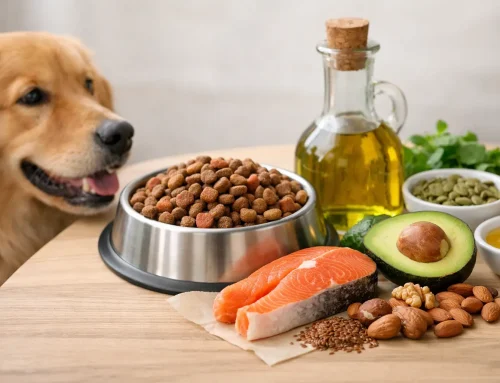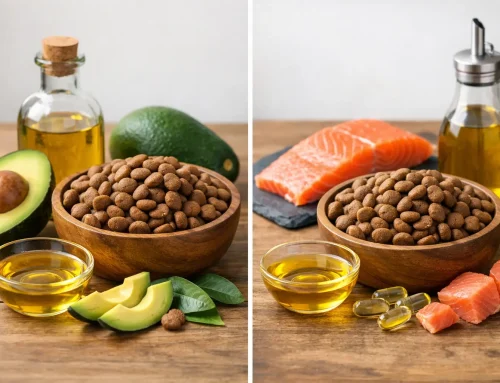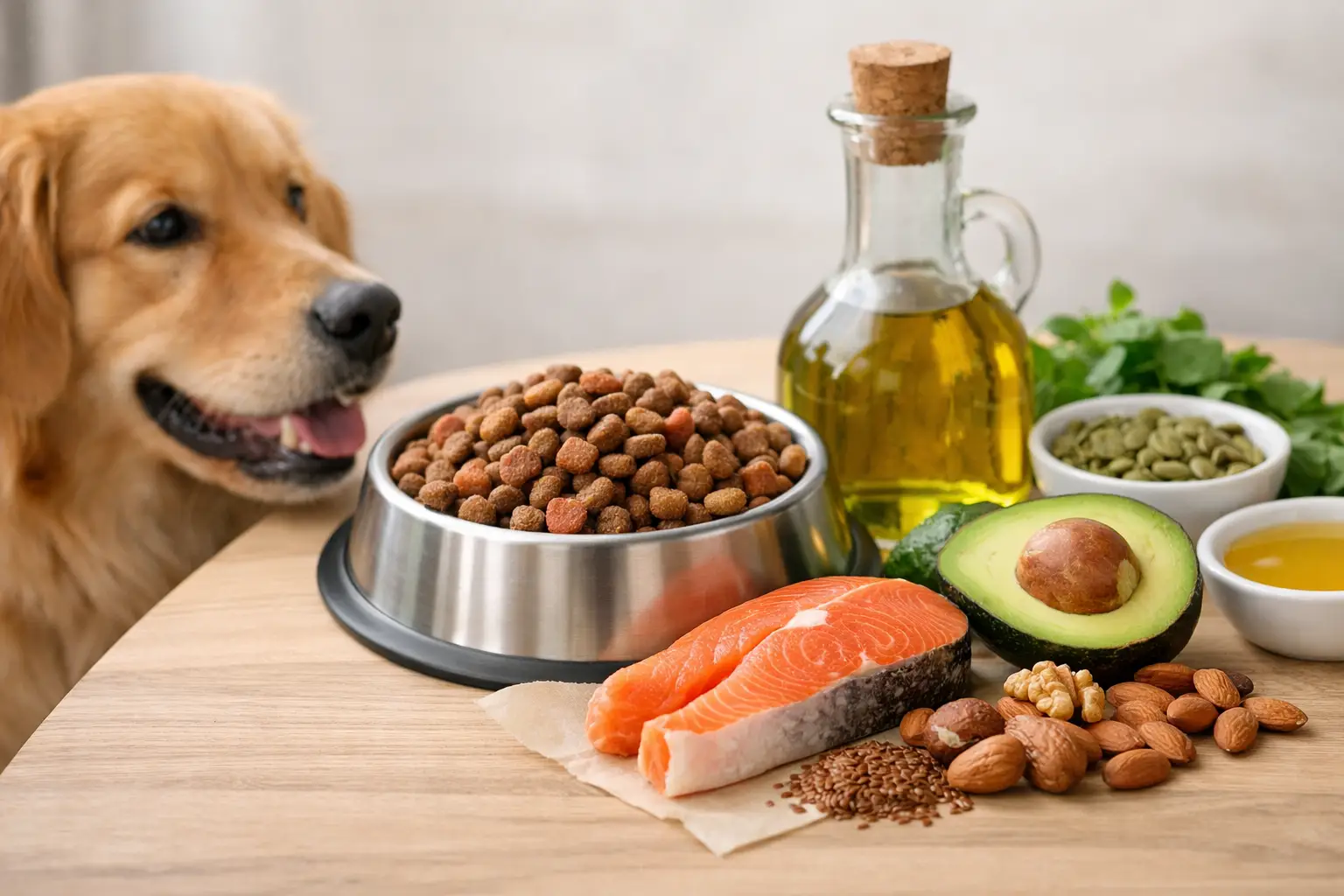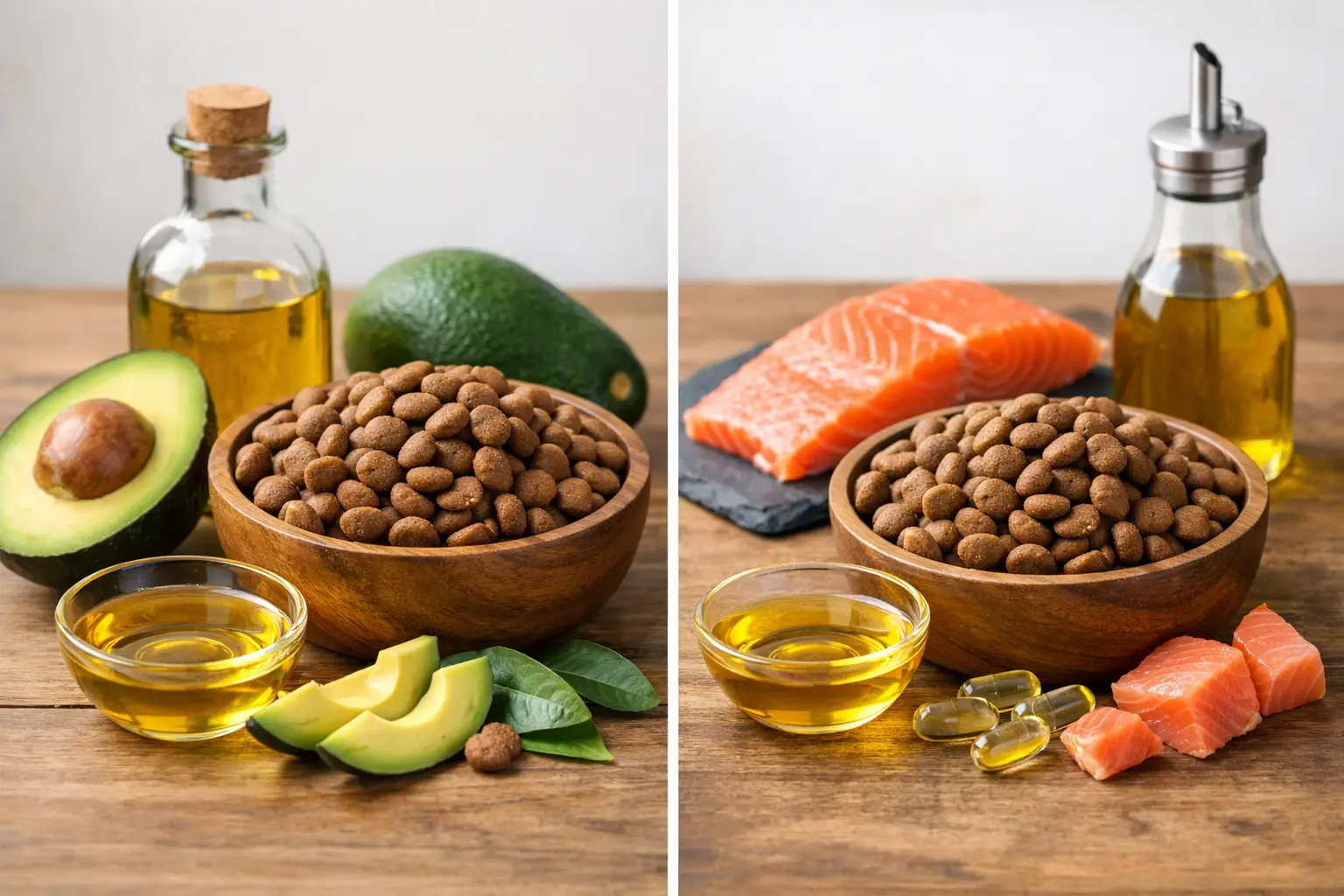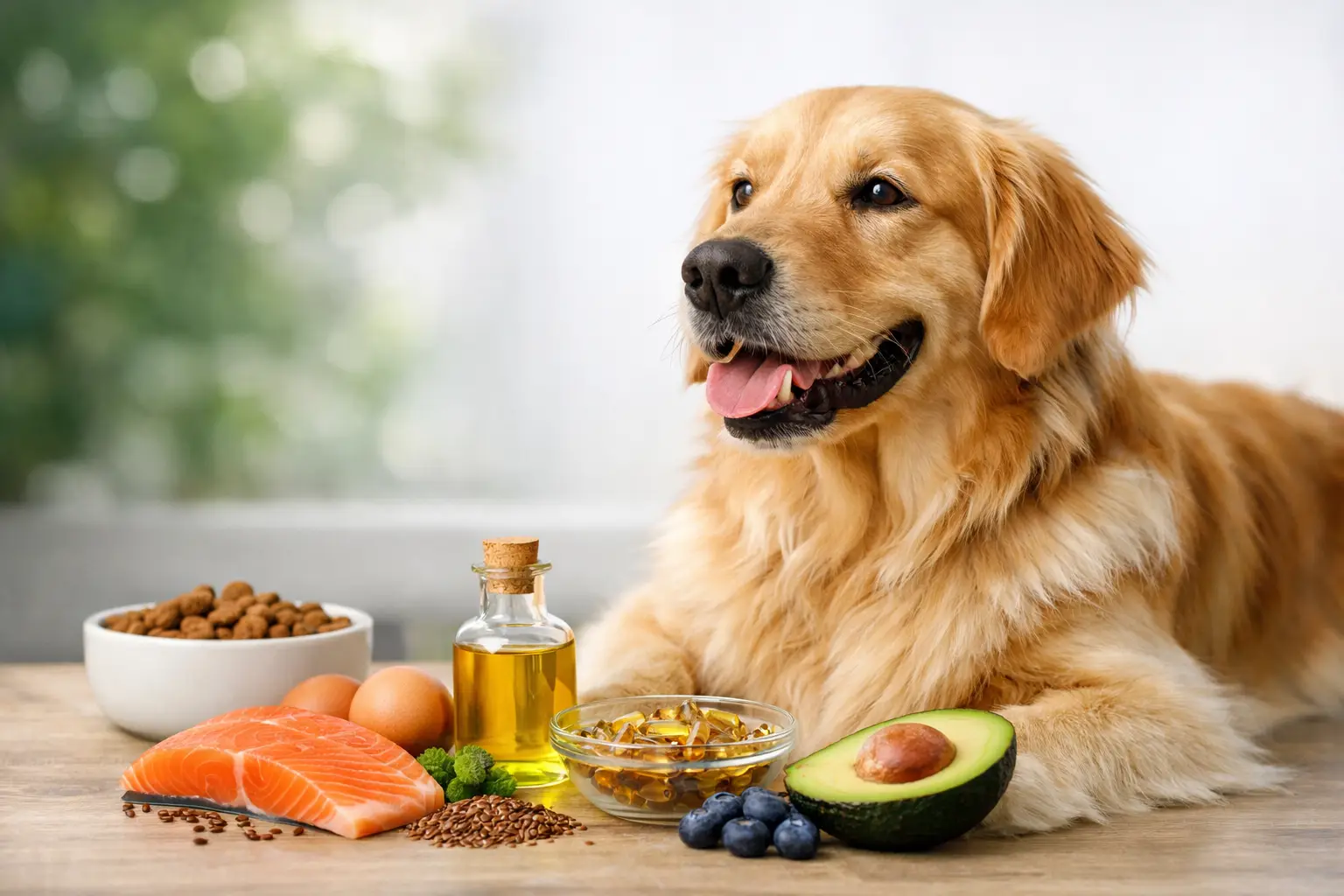
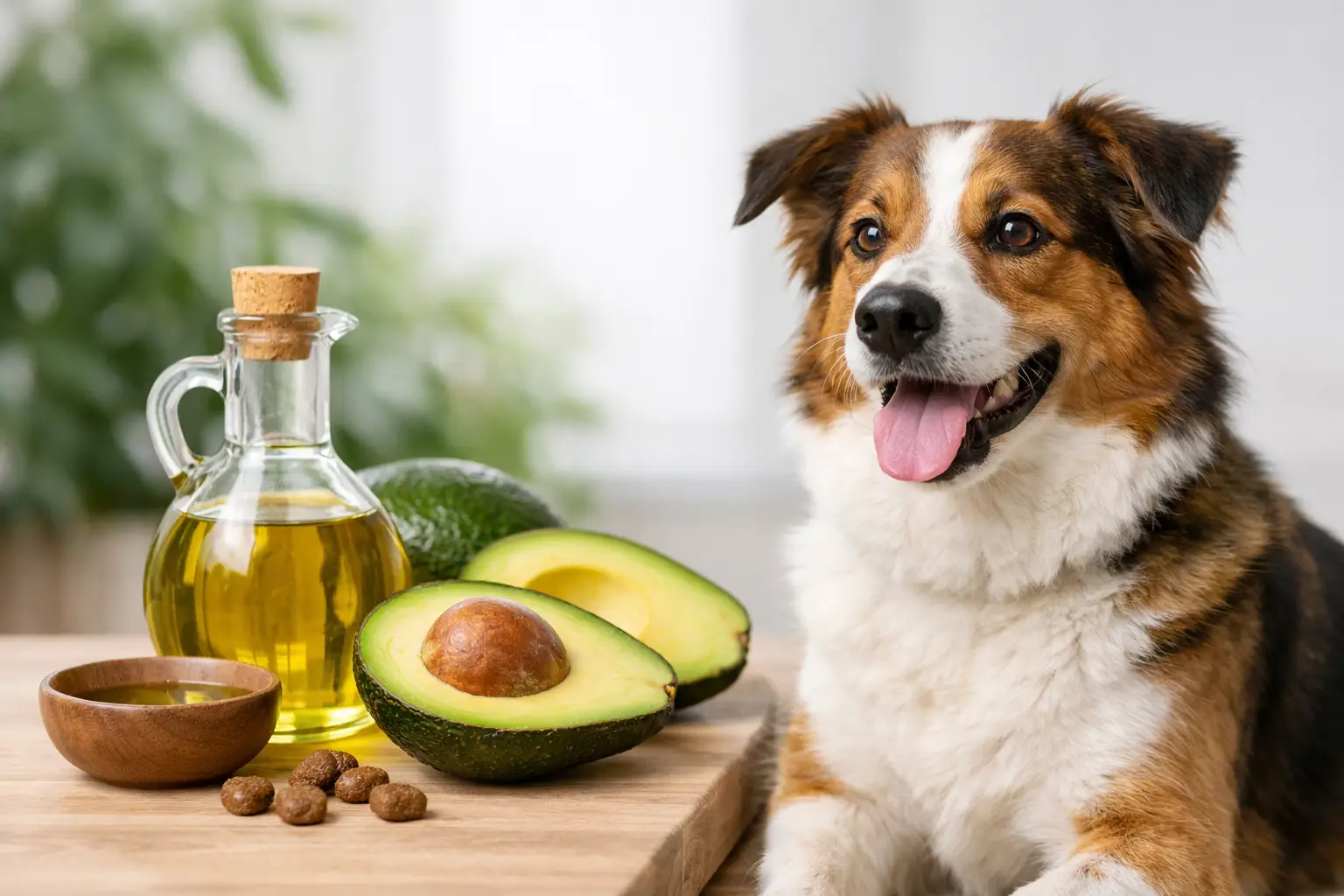
A lot of pet parents hear the word avocado and immediately wonder if it belongs anywhere near a dog’s bowl. That makes sense. If you’re asking, is avocado oil safe for dogs, the short answer is yes – in the right form, in the right amount, and as part of a balanced diet.
The reason this question gets confusing is that avocado is not one single thing nutritionally. The fruit, pit, skin, leaves, and extracted oil are very different when it comes to safety and digestibility. So while whole avocado raises valid concerns, avocado oil is a more specific ingredient with a very different role in canine nutrition.
Is avocado oil safe for dogs in everyday nutrition?
For most healthy dogs, avocado oil is considered safe when it is properly processed and included in appropriate amounts. In pet nutrition, avocado oil is valued for its fatty acid content, especially the kinds of fats that help support skin health and a soft, glossy coat.
That is one reason avocado oil appears in some premium dog foods and treats. It is not there as a trendy extra. It is used because fats matter in a dog’s diet. They help provide energy, support normal cell function, and play an important role in maintaining healthy skin.
What matters most is context. A small amount of avocado oil in a complete and balanced formula is very different from pouring generous amounts over your dog’s dinner at home. Dogs benefit from the right amount of fat, not unlimited fat.
Why avocado oil gets a mixed reputation
Avocado has long been discussed in pet circles because of persin, a natural compound found in parts of the avocado plant. The highest concentrations are generally in the leaves, skin, pit, and other parts of the plant, not in refined avocado oil used for pet food.
That distinction is where a lot of confusion starts. People hear that avocado can be risky and assume avocado oil must be risky too. But ingredient form matters. Properly prepared avocado oil is not the same as letting a dog chew on an avocado pit or eat pieces of avocado skin.
There is also a second issue that has nothing to do with persin at all – fat level. Even a safe oil can cause trouble if a dog gets too much of it too fast. Rich additions to the diet may trigger digestive upset, especially in dogs with sensitive stomachs.
What are the benefits of avocado oil for dogs?
When used appropriately, avocado oil can offer real nutritional value. Its biggest strengths are tied to healthy fats and the visible wellness benefits many pet parents care about most.
Skin and coat support
One of the clearest reasons avocado oil is used in dog nutrition is support for healthy skin and a beautiful coat. Dogs need dietary fat for skin barrier function. If a dog’s skin is dry or their coat looks dull, the overall fat profile of the diet may be part of the picture.
Avocado oil contains beneficial fatty acids that can help nourish the skin from within. That does not mean it is a cure-all for itching or shedding, but it can be a useful part of a broader nutrition plan focused on coat condition.
Energy and nutrient absorption
Fat is a concentrated energy source for dogs, and oils also help with the absorption of fat-soluble vitamins. In a well-formulated food, avocado oil can contribute to both palatability and nutritional function.
This is one reason ingredient quality matters. A thoughtfully formulated food uses fats with purpose, not just as filler. When avocado oil is part of that formulation, it can support everyday wellness in a way that pet parents may actually see over time.
Support for dogs with food sensitivities
For some dogs, simpler ingredient profiles and carefully selected fat sources make a difference. That does not mean avocado oil is automatically right for every sensitive dog, but it can fit well into diets designed with skin and food sensitivity support in mind.
If your dog tends to react poorly to frequent diet changes or rich table scraps, a consistent food with well-chosen ingredients is usually a better path than experimenting with random toppers at home.
When should pet parents be cautious?
Even though the answer to is avocado oil safe for dogs is generally yes, there are situations where caution makes sense.
Dogs with a history of pancreatitis, chronic digestive upset, or fat intolerance may need stricter control over dietary fat. In those cases, adding any extra oil without veterinary guidance can be a bad idea. The issue is not that avocado oil is uniquely harmful. It is that some dogs simply do not handle added fats well.
Portion size matters too. A little goes a long way. Too much oil can lead to loose stool, stomach upset, or unwanted weight gain over time. Small dogs are especially easy to over-serve because even a teaspoon can be significant relative to body size.
It is also important to avoid assuming all avocado-containing items are dog-friendly. Guacamole is not safe for dogs because it often includes onion, garlic, salt, and other ingredients that do not belong in a pet’s diet. Whole avocado also creates different concerns, especially if a dog might ingest the pit or skin.
Can you give your dog avocado oil at home?
You can, but that does not always mean you should. The safer and more predictable option is avocado oil that is already included in a complete and balanced dog food made for canine nutrition.
That approach takes out the guesswork. Instead of trying to decide how much oil your dog needs, you are feeding a formula where the fat level has already been designed with balance in mind. Brands such as AvoDerm build around this kind of ingredient purposefully, with avocado and avocado oil included as part of a broader wellness-focused recipe rather than a DIY add-on.
If you are thinking about adding avocado oil separately, start small and think about your dog’s full diet first. If your dog is already eating a nutrient-rich food with adequate fat, more oil is not automatically better. Extra calories add up fast, and dogs do best when their nutrition stays balanced and consistent.
How to tell if avocado oil is working well for your dog
The benefits of a good nutrition choice are often gradual, not dramatic. You are more likely to notice steady signs of wellness than an overnight transformation.
A dog doing well with a diet that includes avocado oil may show softer skin, a shinier coat, and strong day-to-day digestion. You may also notice good appetite, stable stool quality, and overall condition that looks healthy rather than dry or lackluster.
If instead you notice loose stool, vomiting, reduced appetite, or signs of abdominal discomfort after introducing an oil supplement, stop using it and talk with your veterinarian. That response may point to too much fat, a poor fit for your dog, or another issue that deserves attention.
So, is avocado oil safe for dogs of all ages and sizes?
Usually, yes – but healthy feeding is never one-size-fits-all. Puppies, adult dogs, seniors, large breeds, and small breeds all have different calorie needs and different sensitivities. The question is not only whether an ingredient is safe. It is whether it fits your dog’s life stage, body condition, and digestive tolerance.
For healthy adult dogs, avocado oil in a balanced food is generally a smart and well-tolerated ingredient. For dogs with medical conditions or highly restricted diets, it is worth getting personalized guidance before adding anything new.
That balanced view matters. Safe does not mean unlimited. Beneficial does not mean necessary in every form. The best nutrition choices are the ones that match your dog’s needs and deliver visible wellness without overcomplicating mealtime.
If you want the benefits of avocado oil for your dog, the simplest path is often the best one – choose nutrition that uses it with intention, watch how your dog responds, and let good health show in the places you can actually see every day, from comfort to coat shine.