A dull coat usually shows up before bigger nutrition questions do. If your dog’s fur feels dry, looks flat, or sheds more than usual, the search for the best dog food for shiny coat support starts with what is actually in the bowl every day.
A glossy coat is not just about looks. Good health shows in the skin and fur, which means coat quality can reflect how well your dog is getting key nutrients, how comfortably they are digesting their food, and whether their skin barrier is getting the support it needs. Some dogs need more omega fatty acids. Others need a gentler formula because food sensitivities are getting in the way of healthy skin.
What makes the best dog food for shiny coat support?
The best dog food for shiny coat support does more than add fat to the recipe. It should provide complete and balanced nutrition with specific nutrients that help nourish the skin, support normal oil production, and keep the coat soft and healthy-looking.
Fat quality matters more than fat quantity. Dogs need healthy fats, especially omega-3 and omega-6 fatty acids, because these play a major role in skin and coat condition. When those nutrients are present in the right balance, they can help support moisture in the skin and improve the feel and appearance of the coat over time.
Protein matters just as much. Hair is made mostly of protein, so a food with quality animal protein gives the body the building blocks it needs for coat growth and maintenance. If the protein source does not agree with your dog, though, even a premium formula may not deliver visible results. That is why ingredient quality and digestibility go hand in hand.
Vitamins and minerals also do quiet but important work. Nutrients such as vitamin E, zinc, and biotin help support skin health. You may not notice them on the front of the bag, but they help round out a formula that is designed for real, visible wellness.
Ingredients that support a beautiful coat
When pet parents shop for coat support, they often focus on one buzzworthy ingredient. In reality, better coat condition usually comes from a smart combination of ingredients working together.
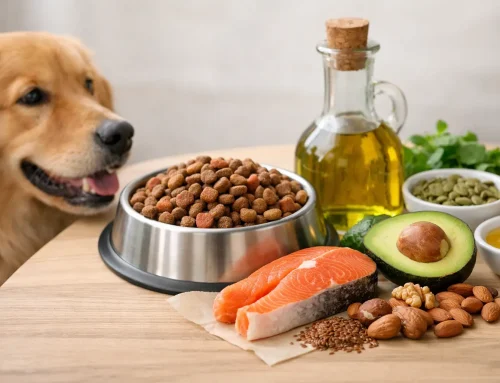
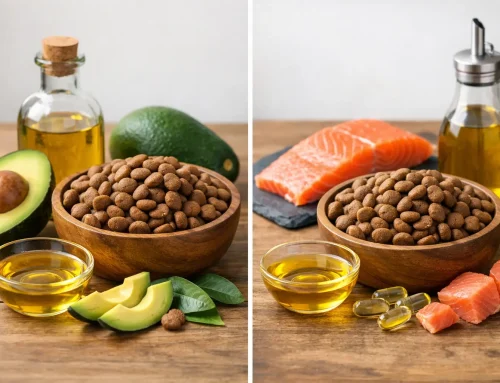
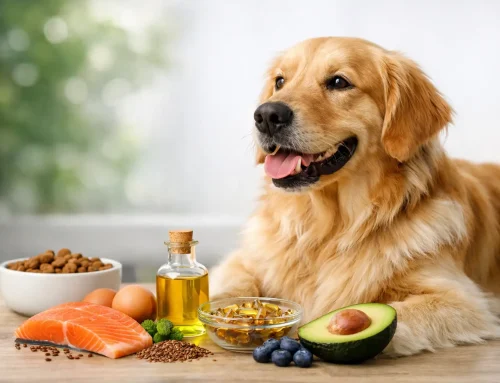
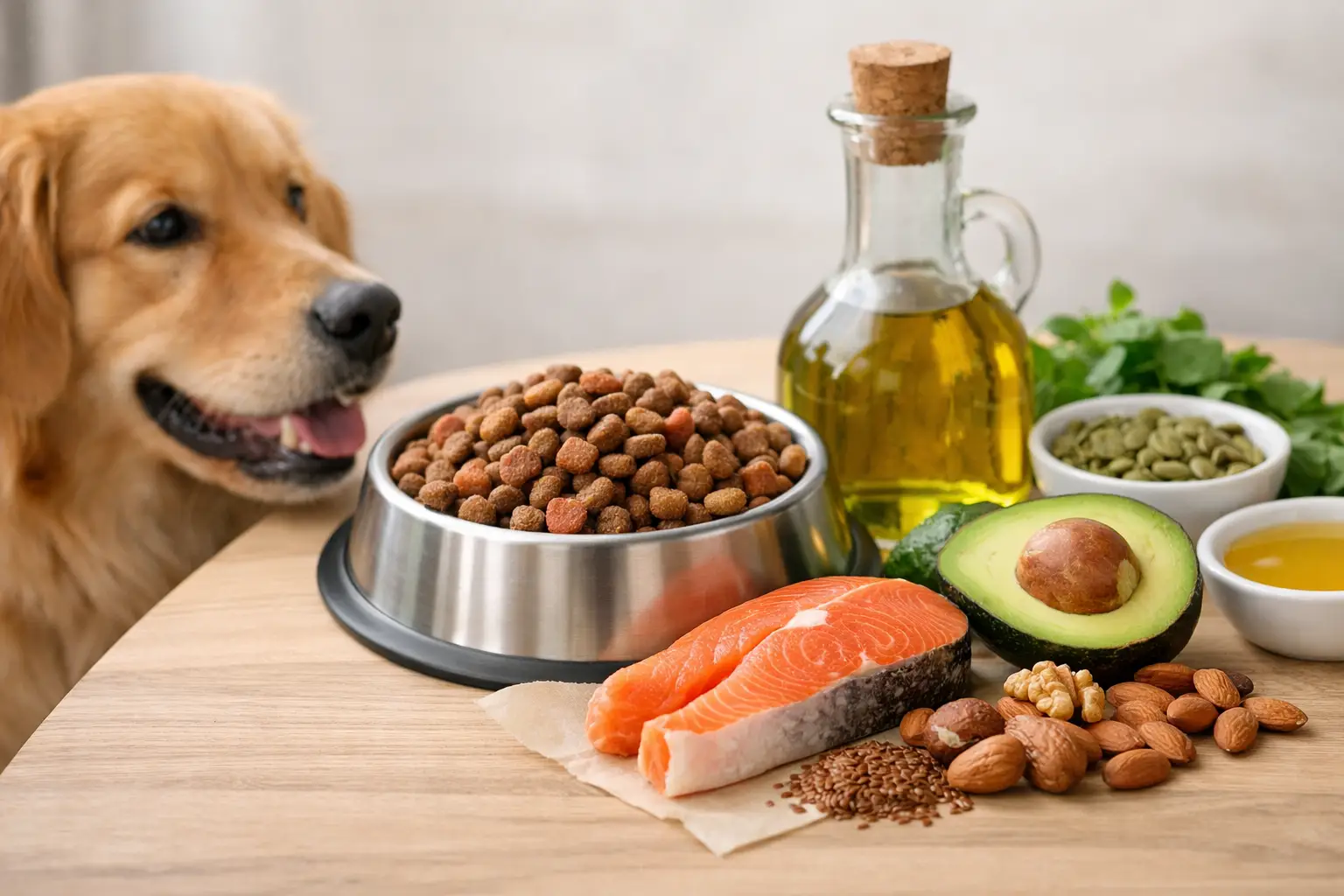
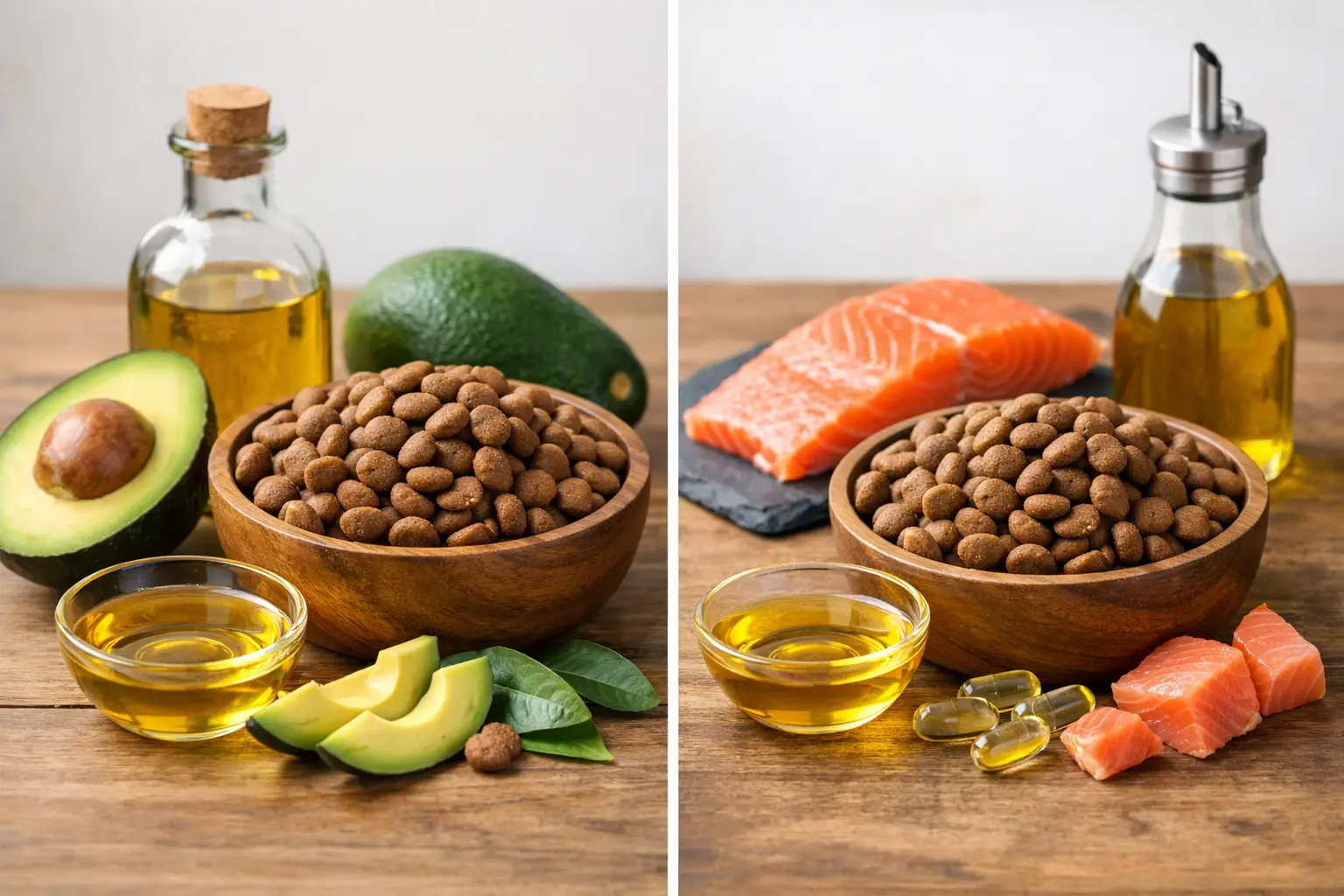
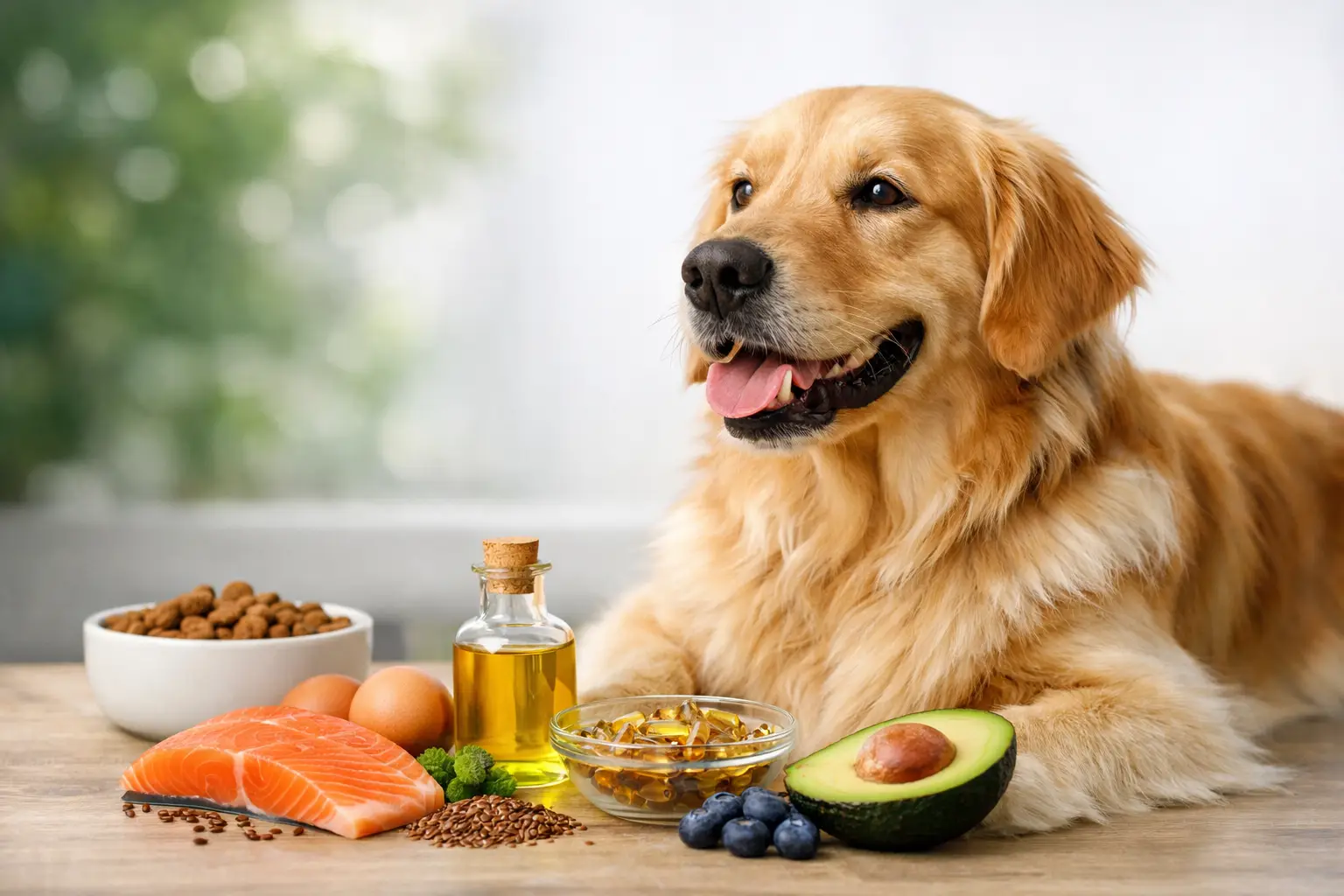
Omega-rich ingredients are often the first place to look. Fish meal, salmon, flaxseed, and certain oils can help provide the fatty acids dogs need for skin and coat health. Avocado and avocado oil are also standout ingredients in coat-focused nutrition because they naturally provide beneficial fats that support healthy skin and a beautiful coat.
That ingredient story matters when it is backed by a complete formula. A superfood ingredient can be a real advantage, but only if the overall recipe is balanced for everyday feeding. This is where premium foods tend to separate themselves from foods that simply market shine without supporting the whole dog.
Whole grains or thoughtfully selected carbohydrates can also help, depending on the dog. Some dogs do very well on grain-inclusive recipes that support steady digestion and everyday energy. Others may need a more limited-ingredient approach. There is no single formula that fits every dog perfectly, which is why the best choice depends on your dog’s age, sensitivities, and overall health picture.
Why some dogs still have a dull coat on premium food
This is where coat health gets more nuanced. A higher price tag does not automatically mean better coat results.
Sometimes the issue is food sensitivity. A dog may be eating a quality food on paper, but if a specific protein or ingredient does not agree with them, the skin may stay irritated and the coat may never look its best. You might see itching, licking, redness, flaky skin, or recurring ear issues along with coat dullness.
Sometimes the problem is unrelated to food quality alone. Seasonal dryness, frequent bathing, stress, parasites, underlying medical conditions, and even age can all affect coat condition. Puppies often have different coat needs than adults, and senior dogs may need extra nutritional support to maintain skin resilience.
There is also the question of time. If you have just switched foods, you may not see a dramatic difference in a week or two. Coat improvement usually takes several weeks because your dog needs time to digest, absorb, and use those nutrients consistently.
How to choose the best dog food for shiny coat results
Start with the guaranteed analysis and ingredient panel, but do not stop there. Look for a food labeled complete and balanced for your dog’s life stage. Then look at whether the formula includes quality protein, healthy fat sources, and ingredients known to support skin and coat wellness.
If your dog has a history of itching or stomach upset, a limited-ingredient or sensitive skin formula may be a better fit than a standard recipe. For these dogs, a shiny coat often comes after the skin calms down. Coat appearance is usually the result, not the starting point.
Pay attention to your dog’s specific pattern. A very active dog may need higher calorie support with enough fat to maintain coat condition. A dog who gains weight easily may need careful portioning so you can support skin health without overfeeding. Small breeds and large breeds can also differ in what works best for them day to day.
It helps to ask a few practical questions before you buy. Does your dog digest this protein well? Does the formula include omega-rich ingredients? Is it designed for everyday feeding, not just occasional supplementation? Can you trust the brand’s approach to sourcing, manufacturing, and nutritional purpose?
For pet parents who want a food built around visible skin and coat wellness, avocado-based nutrition can be an especially appealing option. A brand like AvoDerm has built its identity around the benefits of avocado and avocado oil, pairing those ingredients with complete and balanced recipes designed to support healthy skin and a beautiful coat.
Signs your dog’s food is helping
The first changes are often subtle. You may notice that the coat feels softer when you pet your dog. Then it may begin to look smoother, fuller, or more reflective in the light. Shedding may become more manageable, and dry flakes may appear less often.
Your dog’s comfort matters too. A healthier coat often comes with less scratching and less irritation, especially if the food is supporting the skin barrier well. More consistent stools and easier mealtimes can also be a good sign that the formula agrees with your dog overall.
This is one reason coat-focused feeding should never be purely cosmetic. When the skin and coat improve together, it often suggests the nutrition is supporting broader wellness.
When food is only part of the answer
If your dog’s coat suddenly changes or seems unusually thin, patchy, greasy, or irritated, food may not be the whole story. That is especially true if the change is severe or comes with weight loss, odor, sores, or major itchiness.
A veterinarian can help rule out allergies, infections, thyroid issues, parasites, or other conditions that no food alone can fix. Good nutrition still matters in those cases, but it works best as part of the bigger care plan.
That said, many everyday coat concerns really do improve with a better formula and a little patience. If your dog is otherwise healthy, a food that supports skin with quality protein, balanced fatty acids, and nutrient-rich ingredients can make a visible difference.
A smarter way to think about coat nutrition
The best dog food for shiny coat support is usually not the one with the flashiest promise. It is the one that fits your dog well, supports healthy skin from the inside out, and delivers consistent nutrition every day.
That may mean choosing a recipe with omega-rich ingredients and premium proteins. It may mean switching to a gentler formula if sensitivities are part of the problem. And for many pet parents, it means looking for natural ingredients with a clear wellness purpose, including superfoods that help support healthy skin and a soft, glossy coat.
When your dog’s nutrition is working, you can often see it without guessing. The coat feels better. The skin looks calmer. Your dog seems more comfortable being their happy, active self. That is usually the clearest sign you are feeding more than a meal – you are feeding visible well-being.