
When your dog starts itching more than usual, the problem is not always seasonal. Often, the bowl is part of the story. The right dog food for sensitive skin can help support a calmer skin barrier, a shinier coat, and less day-to-day irritation, especially when ingredient quality and fat sources are working in your dog’s favor.
Sensitive skin can show up in ways that are easy to miss at first. A little scratching after dinner. Dry flakes along the back. Licking at the paws. A coat that looks dull even though you are doing everything right with grooming. For many dogs, skin comfort starts from within, and that makes nutrition one of the smartest places to look.
Why dog food for sensitive skin matters
Skin is your dog’s largest organ, and it needs steady nutritional support to stay strong. When the skin barrier is healthy, it helps hold in moisture and defend against everyday irritants. When that barrier is stressed, dogs may be more prone to dryness, itching, and visible coat changes.
Food is not the only reason a dog may have skin trouble. Environmental triggers, grooming products, parasites, and underlying health issues can all play a role. Still, diet is one of the most consistent daily inputs you can control. That is why choosing dog food for sensitive skin can make a real difference over time.
The goal is not simply to avoid a reaction. It is to feed a complete and balanced diet that supports skin health every single day. That usually means looking closely at protein sources, fat quality, digestibility, and whether the formula includes nutrients known to support the skin and coat.
What to look for in dog food for sensitive skin
A good formula starts with ingredients that are purposeful, not just trendy. Dogs with sensitive skin often do well on recipes built around high-quality protein and carefully selected carbohydrate sources. Simpler formulas can be helpful because they make it easier to identify what your dog tolerates well.
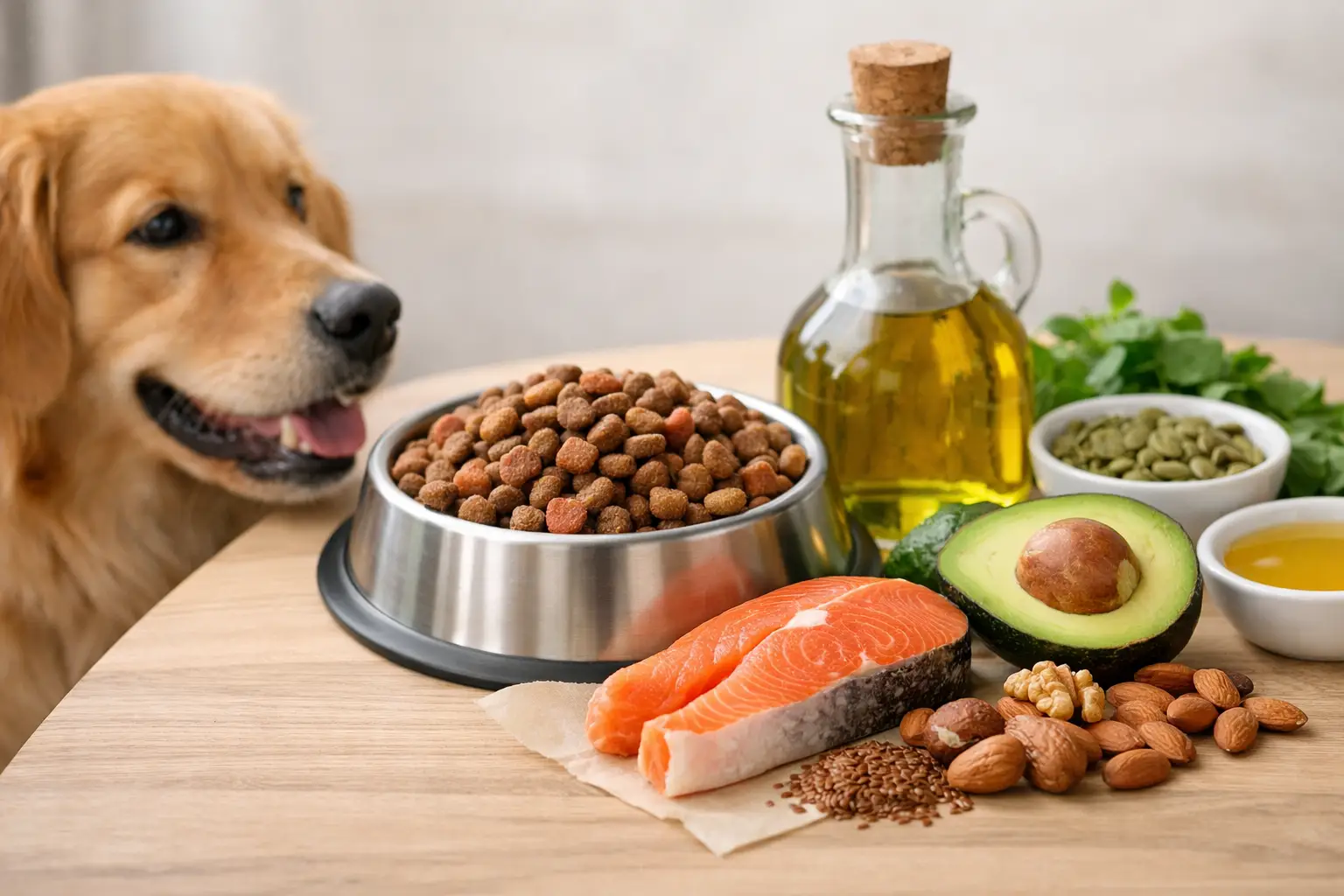
Healthy fats matter just as much. Omega fatty acids are especially valuable because they help nourish the skin and support a soft, glossy coat. This is one reason ingredient quality stands out so much in skin-focused nutrition. When a food includes beneficial fat sources, you are not just feeding calories. You are feeding visible wellness.
Digestibility also deserves attention. Skin and digestion are closely connected. If your dog struggles with food sensitivities, a formula that is gentle on the digestive system may also help support better skin comfort. That does not mean every itchy dog needs a highly restricted diet, but it does mean your dog’s full-body response to food matters.
Then there is consistency. Changing foods too often can make it harder to tell what is helping. Once you find a complete and balanced formula that agrees with your dog, staying with it long enough to see results is usually the better move.
Ingredients that can support skin and coat health
Some nutrients earn their reputation because pet parents can actually see the difference. Essential fatty acids are one of them. They help support the skin’s natural barrier and can improve coat texture and shine over time.
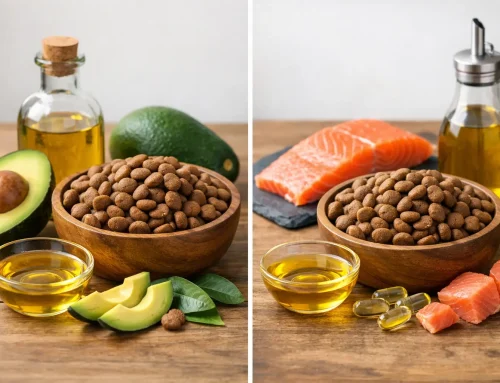
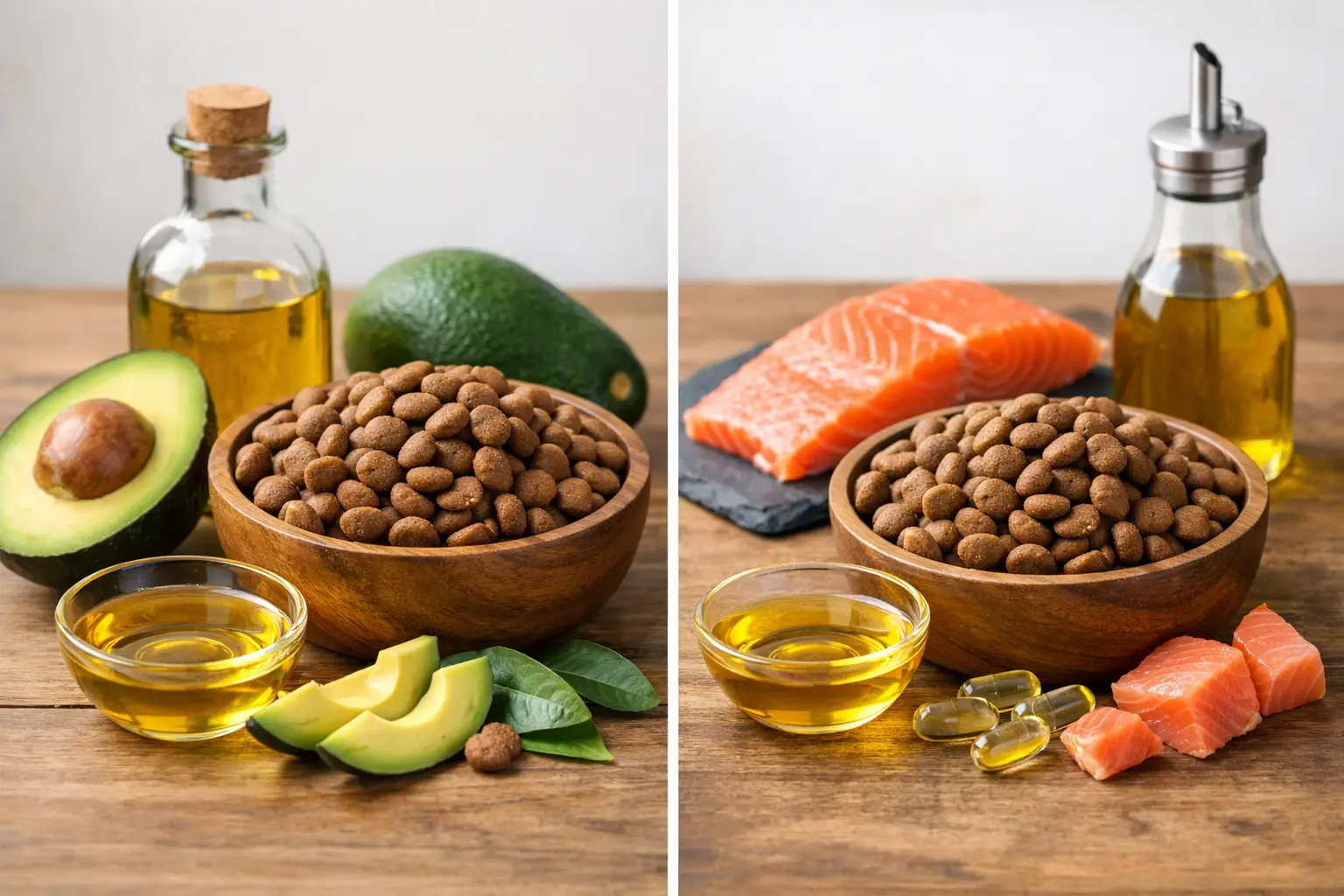
Avocado and avocado oil are especially appealing in skin-focused dog nutrition because they provide naturally good fats that help nourish the skin and coat. In a thoughtfully formulated dog food, avocado-based nutrition can be a strong part of an everyday wellness routine. Good health shows, and for many dogs, it shows first in the coat.
Protein quality matters too. Dogs need protein for normal skin and coat maintenance, but the source can affect how well a sensitive dog does on a formula. Some dogs thrive on one protein and struggle with another. That is where careful observation becomes useful. If your dog seems better on a specific recipe, that information matters.
Vitamins and minerals also do quiet but important work. Nutrients like vitamin E and zinc help support skin health as part of a balanced diet. They are not magic fixes on their own, but they contribute to the bigger picture.
Signs your dog’s current food may not be the best fit
Not every skin issue points to food, but some patterns are worth noticing. If your dog has recurring dry skin, a dull coat, frequent scratching, or constant licking of the paws, it may be time to take a closer look at the diet. Ear irritation and digestive upset can also appear alongside food sensitivities in some dogs.
Timing can offer clues. If symptoms stay fairly steady through the year instead of flaring only in one season, food becomes a more likely factor. If you switched foods and problems followed, that is another detail to note. None of this replaces veterinary guidance, but it can help you ask better questions.
It is also worth remembering that improvement takes time. Skin cells turn over gradually, and coat condition does not transform overnight. Even with a great food, visible changes often take several weeks.
How to choose the right formula for your dog
Start with your dog’s history. Has your dog done well on certain proteins before? Are there ingredients you already suspect may be a problem? If so, use that knowledge. Choosing a formula with a clear ingredient story can make feeding decisions feel much less like guesswork.
Next, look for a food designed to deliver complete and balanced nutrition, not just a short-term patch. Sensitive skin support works best when the formula is suitable for daily feeding and built around beneficial ingredients rather than heavy fillers.
Palatability matters more than some people expect. A healthy food only helps if your dog will actually eat it consistently. Premium nutrition should still feel approachable at mealtime.
If you are comparing options, focus on the total formula rather than one buzzworthy ingredient. A bag can make big claims, but what matters is how the full recipe supports skin, coat, digestion, and overall wellness. A food with high-quality fats, thoughtfully chosen proteins, and reliable manufacturing standards gives pet parents more confidence.
For dogs with known or severe reactions, your veterinarian may recommend a more specific feeding approach. That is one of those it depends situations. Some dogs need broader skin support. Others need more targeted food sensitivity management.
How to transition to dog food for sensitive skin
Even an excellent formula can cause stomach upset if the switch is too sudden. A gradual transition is usually the safest path. Start by mixing a small amount of the new food with the current food, then increase the new portion over several days until the change is complete.
During that window, watch your dog closely. You are not just checking stool quality. Pay attention to scratching, paw licking, coat feel, and general comfort. Small improvements count.
Try to keep treats and table scraps simple during the transition. If too many extras are in the mix, it becomes harder to tell how the new food is performing. This is especially true for dogs who may have both digestive and skin sensitivity.
The trade-offs pet parents should know
Premium skin-support nutrition can cost more, and that is a real consideration for families. But higher-quality ingredients and functional fat sources often bring better value when they help support fewer flare-ups, better coat quality, and more comfortable days.
There is also the question of how narrow to go with ingredients. A limited-ingredient formula may help some dogs, but it is not automatically the best choice for every case. Some dogs simply need better fat quality and a balanced recipe, not the most restrictive food on the shelf.
And while coat improvement is exciting, it should not be the only benchmark. A food should support the whole dog. Healthy skin, steady digestion, good energy, and consistent appetite all matter.
When to talk with your veterinarian
If your dog’s itching is intense, if the skin looks inflamed, or if there is hair loss, odor, or recurring infection, it is time to involve your veterinarian. Nutrition can be powerful, but it works best when it is matched to the real cause of the problem.
Your vet can help you sort out whether you are dealing with food sensitivity, environmental triggers, or something else entirely. That kind of clarity can save time, money, and frustration. Once you know what your dog needs, choosing the right food gets much easier.
For pet parents who want visible wellness benefits from everyday feeding, a thoughtfully made formula with skin-supporting fats can be a smart place to start. Brands such as AvoDerm have built their approach around avocado-based nutrition because nourishing the skin and supporting a beautiful coat are not side benefits – they are part of the goal. When your dog is more comfortable in their own skin, you can usually see it before you ever need to say it.