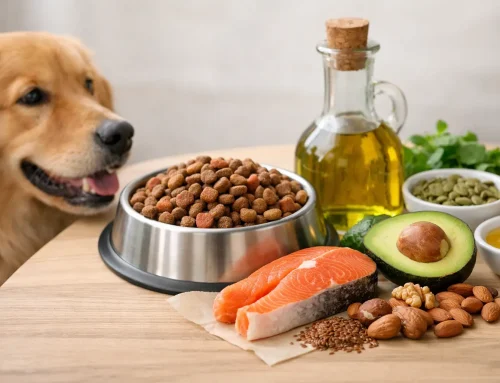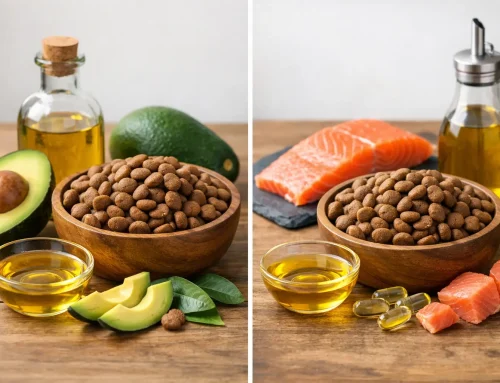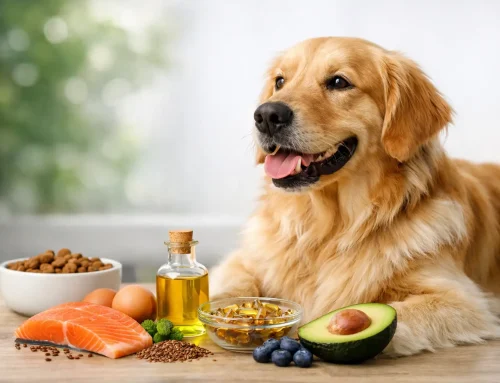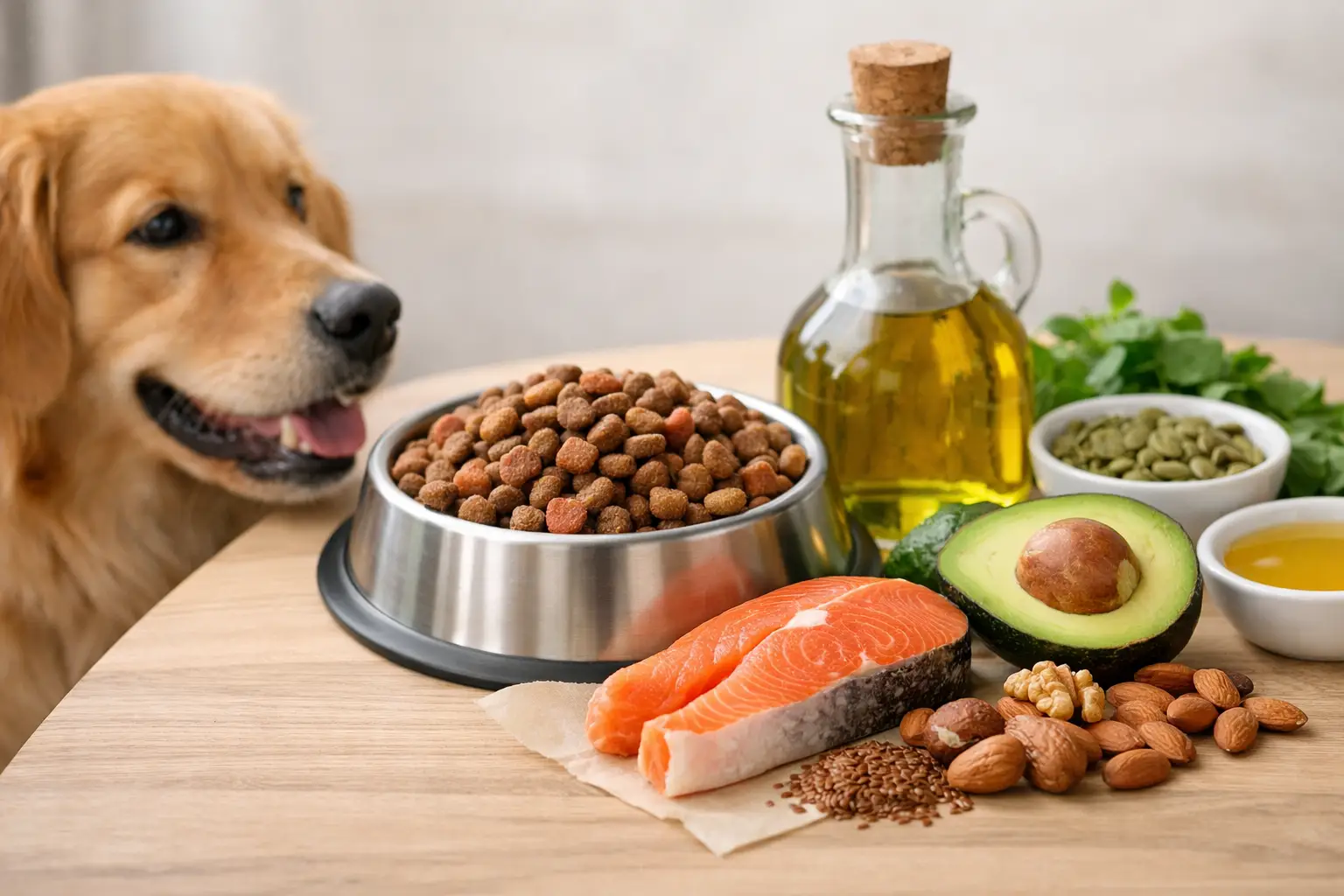
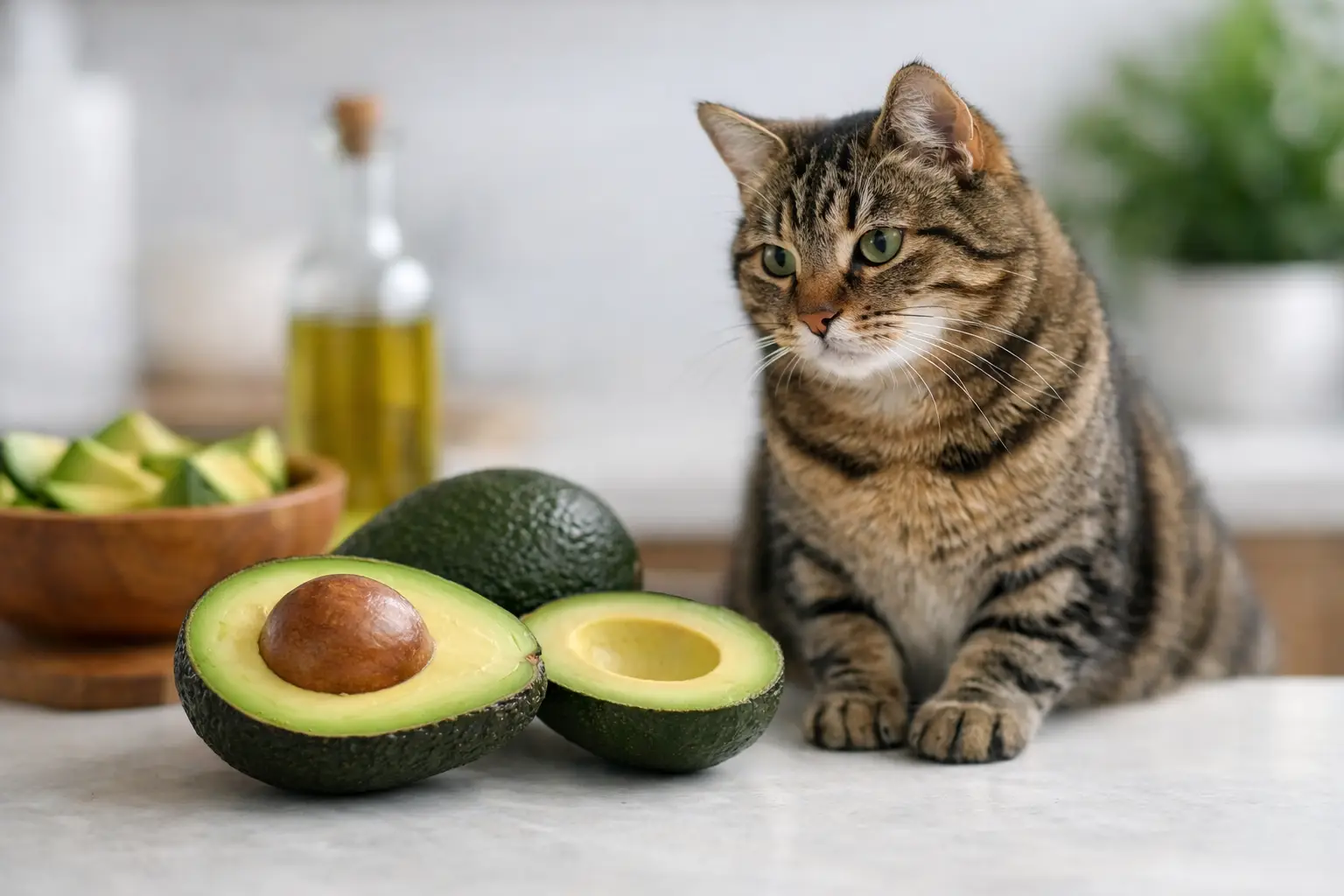
The question is avocado safe for cats usually comes up fast – often right after a slice slips off the cutting board or a cat gets curious about guacamole. The short answer is that avocado is not a simple yes-or-no food for cats. Some parts of the avocado can be more concerning than others, and how avocado is used in a complete cat food is very different from letting your cat snack on table scraps.
That distinction matters. Cats have specific nutritional needs, and even foods that sound healthy for people are not always a smart choice for feline snack time.
Is avocado safe for cats in general?
In general, avocado is not considered an ideal treat for cats. While a tiny amount of plain avocado flesh may not cause a problem for every cat, avocado still comes with enough uncertainty that most pet parents are better off skipping it as a homemade snack.
Part of the concern is persin, a natural compound found in avocados. Persin is present in the fruit, but it is more concentrated in the leaves, skin, and pit. Cats are not the species most sensitive to persin, but that does not make avocado automatically safe in any form or amount. It simply means the level of risk can vary depending on which part of the avocado your cat gets into and how much was eaten.
There is also a practical issue. Avocado is high in fat, and rich human foods can be tough on a cat’s digestive system. Even if persin is not the main problem in a specific situation, too much fatty food can still lead to vomiting, diarrhea, or general stomach upset.
Why avocado can be risky for cats
When pet owners hear that avocado contains healthy fats, it is easy to assume it belongs in the same category as other wellness foods. But cats are obligate carnivores, which means their nutrition has to be built around animal-based needs first. A food can contain beneficial nutrients and still not be a good casual snack.
The biggest concern depends on the part of the avocado. The pit is a choking hazard and can create an intestinal blockage if swallowed. The skin is tough, difficult to digest, and more likely to irritate the stomach. Guacamole adds another layer of risk because it often contains onion, garlic, salt, lime, or spices – ingredients that are much more clearly problematic for cats than the avocado itself.
So if your cat licks a trace amount of plain avocado off a plate, that is a different situation than chewing on the peel or eating a seasoned avocado dip. The details matter.
The avocado flesh vs. the peel and pit
The soft green flesh is the part people usually think about, and it is generally less concerning than the peel, leaves, or pit. Still, less concerning does not mean recommended. Cats do not need avocado in their bowl as a topper or treat, and many will do better with species-appropriate snacks made for feline digestion.
The peel and pit are where the risk goes up quickly. Besides higher persin exposure, they create physical hazards. A curious bite can turn into choking, gagging, or an emergency if something gets lodged in the digestive tract.
What about avocado oil?
This is where context is important. Avocado oil used in a properly formulated pet food is not the same thing as feeding chunks of avocado from your kitchen. Ingredient selection, processing, amount used, and complete formulation all shape how an ingredient functions in a finished food.
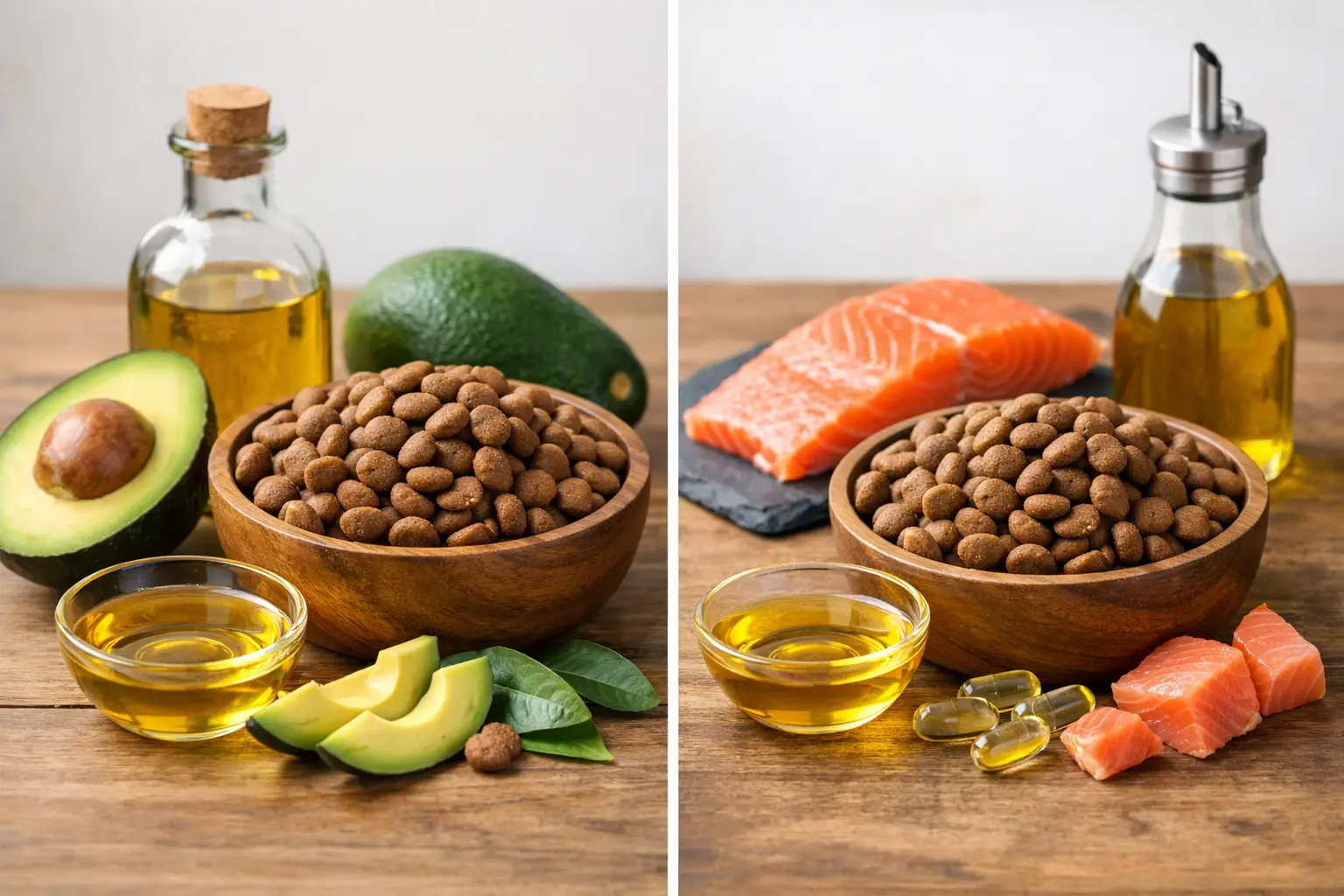
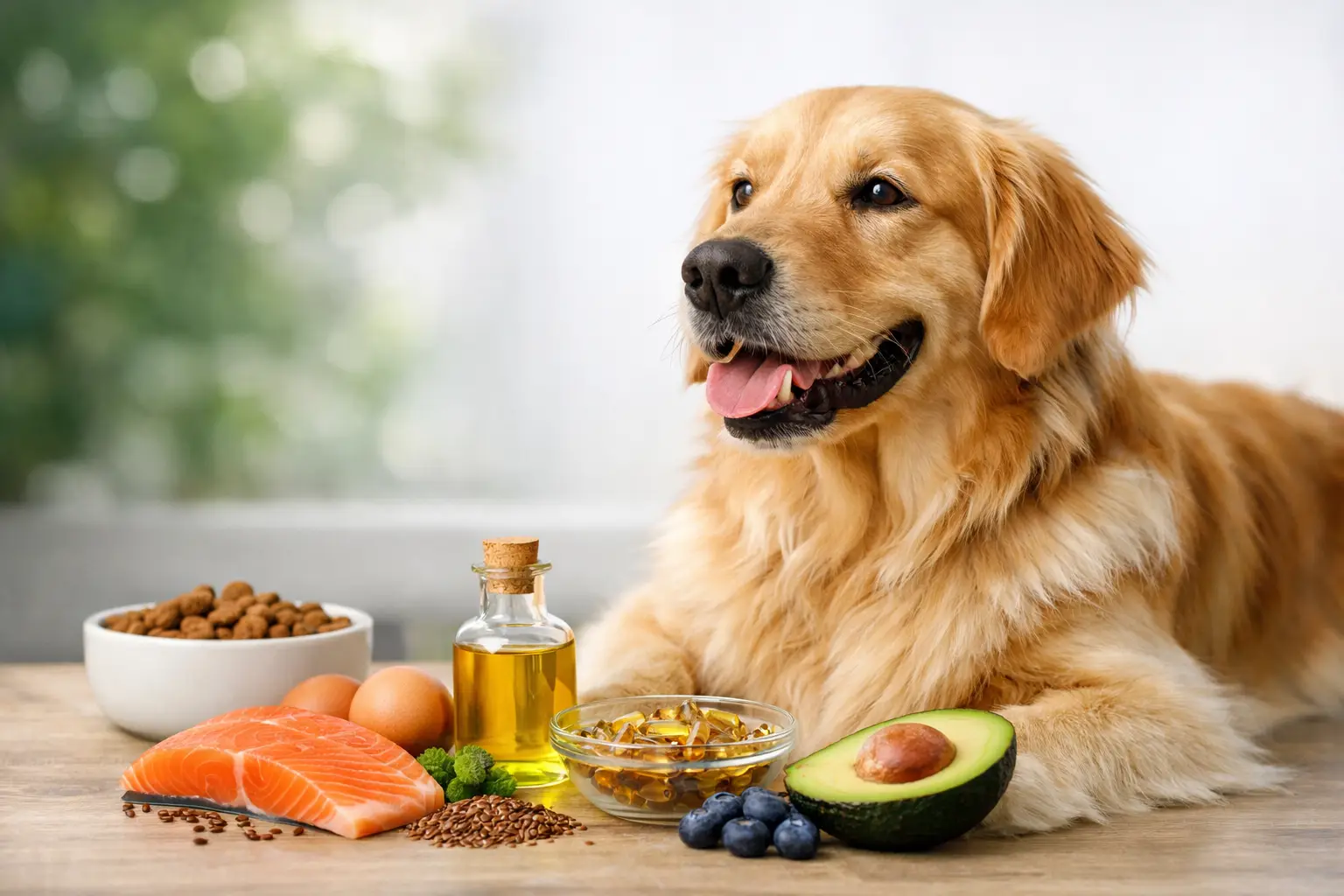
In premium pet nutrition, avocado and avocado oil can be included as part of a complete and balanced recipe developed for cats. When used this way, the ingredient is there for a reason – often to contribute fatty acids that support skin and coat health. That is very different from guessing at safe portions at home.
Signs your cat may have eaten too much avocado
If your cat gets into avocado, the first step is to stay calm and look at what was eaten. A small lick of plain flesh is not the same as swallowing part of a pit or eating a scoop of guacamole.
Watch for vomiting, diarrhea, reduced appetite, drooling, lethargy, or signs of belly discomfort. If your cat ate the pit, peel, or a large quantity of avocado, or if the avocado was seasoned, it is smart to contact your veterinarian promptly. The same goes for kittens, senior cats, and cats with a history of digestive sensitivity, since they may have less room for dietary surprises.
If symptoms seem severe, sudden, or unusual, veterinary guidance is the safest move. With cats, subtle behavior changes can be easy to miss, so it is worth paying attention even if the amount eaten seemed small.
Why avocado in cat food is different from avocado on the counter
This is the part that often gets overlooked. Pet nutrition is about more than whether a whole food sounds trendy or nutritious. It is about whether an ingredient is used in the right form, at the right level, and inside a formula designed to meet a cat’s daily needs.
A complete and balanced cat food is built with nutrient targets in mind. Ingredients are selected and combined to support the full diet, not offered as random extras. That is why an ingredient like avocado or avocado oil can have a place in specialized pet food without meaning fresh avocado should become a regular people-food treat for your cat.
For brands that focus on avocado-based nutrition, the goal is not novelty. It is purposeful formulation. Used correctly, avocado-derived ingredients can help support healthy skin and a beautiful coat – visible wellness benefits that matter to pet parents and to cats who thrive on consistent nutrition.
When pet owners should avoid offering avocado completely
If your cat has a sensitive stomach, a history of pancreatitis, frequent vomiting, or a habit of swallowing foods without chewing well, avocado is especially easy to cross off the treat list. There is no nutritional upside strong enough to justify the gamble.
The same goes for multi-pet households where dropped food disappears before you can react. If avocado is part of your meal prep, it is best to keep it out of reach and clean up scraps right away. Cats do not need much to end up with digestive upset, and the pit and skin are simply not worth the risk.
This is one of those moments where being health-conscious means being selective, not adventurous. A premium approach to feeding is usually less about adding human superfoods and more about choosing a well-crafted diet that delivers benefits consistently.
Better ways to support your cat’s skin and coat
Many pet parents ask about avocado because they are looking for visible wellness support, especially for dry skin or a dull coat. That goal makes sense. Good health shows, and coat quality is one of the first things people notice.
But the best route is not sharing avocado toast ingredients with your cat. It is choosing a complete food made with functional ingredients that support skin and coat health as part of everyday feeding. That might include balanced fatty acids, quality protein, and formulas designed for cats with sensitivities or specific wellness goals.
That is where a specialized nutrition approach can really shine. A carefully made recipe that includes avocado or avocado oil in an appropriate form gives pet parents the benefit of targeted nutrition without the guesswork of home feeding. AvoDerm is built around that idea – using avocado-based nutrition in complete, balanced recipes that support everyday wellness.
So, is avocado safe for cats?
The most honest answer is: not as a go-to treat, and not in every form. A tiny amount of plain flesh may be tolerated by some cats, but the peel, pit, and seasoned avocado foods create more obvious concerns. Even when the risk is mild, avocado is still unnecessary in a cat’s snack rotation.
If you want the wellness benefits associated with avocado, the smarter choice is not handing over bites from your plate. It is feeding a nutritionally complete cat food that uses ingredients with care, purpose, and feline needs in mind.
When it comes to your cat’s bowl, confidence usually comes from formulation, not improvising with human food.