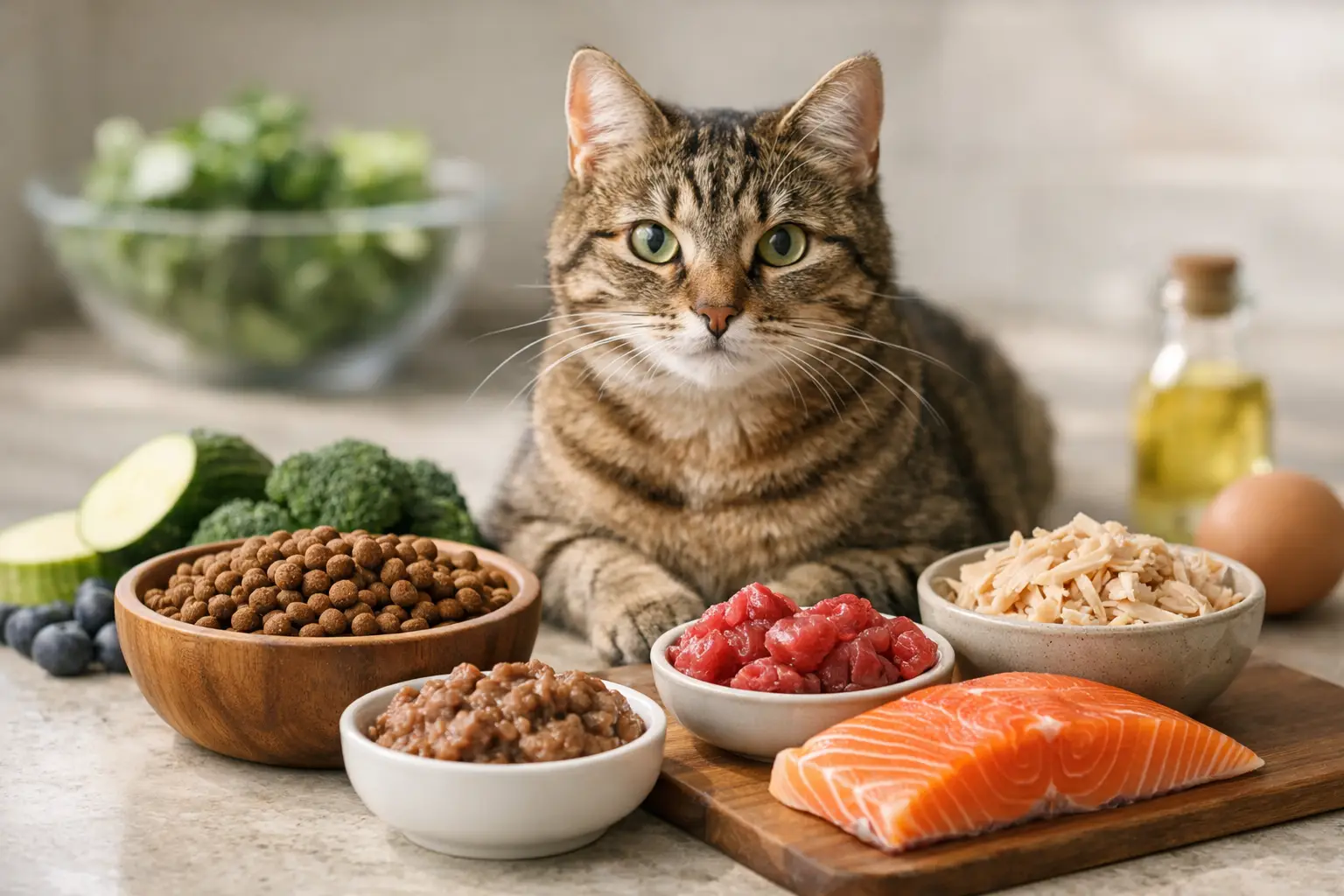
The food bowl often becomes the first place pet parents look when their cat starts scratching more, leaves loose stools in the litter box, or suddenly seems picky at mealtime. That is one reason grain free cat food benefits get so much attention. For some cats, a grain-free recipe can be a smart way to support digestion, simplify ingredient choices, and focus meals around the animal-based nutrition cats are built to eat.
That said, grain-free is not a magic label. Some cats do very well on diets that include grains, while others seem to thrive when those ingredients are removed. The real value comes from understanding what grain-free can offer, when it makes sense, and how to choose a recipe that still delivers complete and balanced nutrition.
What grain free cat food really means
Grain-free cat food is made without common grains such as corn, wheat, rice, barley, or oats. Instead, those recipes usually use other carbohydrate sources like potatoes, peas, lentils, or chickpeas, alongside animal proteins and fats.
That distinction matters because grain-free does not automatically mean low-carb, higher-protein, or better quality. A premium grain-free food is still only as good as its full ingredient profile, nutrient balance, and manufacturing standards. For cat parents, the goal is not to chase a trend. It is to choose a food that supports visible wellness, steady digestion, and everyday vitality.
1. Grain free cat food benefits may include better support for food sensitivities
If your cat deals with recurring itching, overgrooming, digestive upset, or inconsistent stools, food sensitivities may be part of the picture. Grains are not the most common trigger for every cat, but some cats do better when grain ingredients are removed from the formula.
A grain-free recipe can help narrow the ingredient list and make feeding feel less complicated. When there are fewer potential triggers in the bowl, it may be easier to identify what agrees with your cat and what does not. This can be especially helpful for pet parents working through mild sensitivity concerns with their veterinarian.
It is worth being realistic here. If a cat is sensitive to chicken, fish, or another main protein, switching to grain-free alone may not solve the issue. The full formula still matters.
2. Some cats see digestive benefits from a grain-free recipe
Cats are obligate carnivores, which means their bodies are designed to get key nutrition from animal ingredients. Many cats digest grain-inclusive diets just fine, but others seem more comfortable on recipes that reduce ingredient complexity and place more emphasis on meat-based nutrition.
For sensitive cats, a well-formulated grain-free food may help support firmer stools, less stomach upset, and more consistent digestion. Sometimes the benefit comes from removing a specific grain. Sometimes it comes from switching to a higher-quality overall formula with better digestibility.
This is where careful observation helps. If your cat transitions to a new food and you notice steadier litter box habits, less gas, and a better appetite, that is meaningful feedback.
3. Grain free cat food benefits often include a stronger focus on protein
Cats do not have the same nutritional priorities as dogs or humans. They need protein-rich nutrition to support lean muscle, energy, and healthy body function. Many premium grain-free foods are designed with that in mind, using quality animal proteins as a central part of the recipe.
That can be appealing for cat parents who want a diet that feels more aligned with feline needs. Protein supports everything from daily activity to tissue maintenance, and it also plays a role in helping cats feel satisfied after meals.
Still, do not assume every grain-free recipe is protein-forward. Some formulas replace grains with other starch sources and do not meaningfully increase meat content. Reading the guaranteed analysis and ingredient panel can tell you much more than the grain-free claim alone.
4. Skin and coat may improve when the formula fits your cat better
Good health shows, and for cats, one of the clearest places it shows is the coat. A soft, glossy coat and healthy-looking skin are often signs that nutrition is working well. When a cat has mild food sensitivities or is not thriving on a current diet, the skin and coat may be among the first areas to reflect it.
A high-quality grain-free food can support skin and coat health when it delivers balanced nutrition, quality protein, and beneficial fats. Recipes made with omega-rich ingredients, including avocado oil in some premium formulations, can be especially appealing for pet parents focused on visible wellness.
This does not mean grain-free itself creates a beautiful coat. The improvement usually comes from the full nutritional package and from finding a recipe that agrees with your cat’s system.
5. Ingredient-conscious pet parents often find grain-free easier to shop
One overlooked benefit of grain-free cat food is clarity. For pet owners who like to be intentional about what goes into the bowl, grain-free formulas can feel simpler to compare. If you already know you want to avoid corn, wheat, or other grains, the shopping process becomes more focused.
That can be reassuring when you are trying to make a confident nutrition decision without turning every purchase into a research project. Brands that are transparent about sourcing, recipe purpose, and manufacturing standards make that process even easier.
For many premium shoppers, grain-free is not about avoiding one ingredient category at all costs. It is about choosing a recipe with a clear nutritional purpose and ingredients that support that goal.
6. Grain-free formulas can be useful during a food transition
When a cat needs a diet change because of mild digestive issues, suspected sensitivities, or coat concerns, a grain-free recipe sometimes becomes part of a fresh start. It can give pet parents a more focused formula to evaluate while watching for improvements in stool quality, appetite, skin comfort, or coat appearance.
Transitions should still be gradual. Mixing increasing amounts of the new food with the old food over several days helps reduce stomach upset and gives your cat time to adjust. Even the best recipe can cause temporary digestive changes if the switch happens too fast.
If your cat has chronic vomiting, weight loss, severe diarrhea, or a diagnosed medical condition, this is the point where veterinary guidance matters most. Nutrition is powerful, but it works best with the right diagnosis.
7. The right grain-free food can support whole-body wellness
The biggest benefit is not the absence of grains by itself. It is what a thoughtfully made grain-free food may offer as a complete daily diet: digestible nutrition, quality protein, balanced fats, and support for skin, coat, and digestive comfort.
For pet parents who want visible results, that whole-body view matters. You are not just buying a label claim. You are looking for healthy energy, consistent litter box habits, a beautiful coat, and a cat that seems comfortable and eager to eat.
That is why premium nutrition brands put so much emphasis on complete and balanced recipes instead of one ingredient headline. A grain-free approach can be a great fit, but only when the food behind the label is built to nourish the whole cat.
How to choose a grain-free recipe wisely
If you are interested in grain free cat food benefits, start by looking beyond the front of the bag. Check whether the recipe includes quality animal protein sources, complete and balanced nutrition for your cat’s life stage, and added nutrients that support skin, coat, and overall wellness.
Think about your cat’s individual needs too. A kitten, an indoor adult, and a senior cat may all need different calorie levels and nutrient profiles. Texture preferences matter as well. Some cats do better with dry food, some love wet food, and many thrive on a combination.
This is also where trusted formulation makes a difference. Brands that emphasize purposeful ingredients, quality control, and wellness-driven recipes tend to offer more than a trend. They offer a feeding solution you can feel good about day after day. For cat parents seeking natural nutrition with skin and coat support in mind, AvoDerm is one example of that ingredient-led approach.
When grain-free may not be necessary
It is easy to assume grain-free is automatically better, but that is not always true. If your cat is thriving on a complete and balanced grain-inclusive food with no signs of digestive trouble, skin issues, or food intolerance, there may be no urgent reason to switch.
Some cats tolerate grains very well. Others need a more tailored approach. The best food is the one that helps your cat maintain healthy weight, good digestion, strong energy, and a coat that looks as good as it feels.
That is why the smartest nutrition decisions are usually personal, not trendy. Watch your cat, read the formula closely, and choose the bowl that supports real wellness you can see.