
If your dog is scratching more than usual, shedding heavily, or showing dry, flaky skin, the food bowl is one of the first places worth looking. The right dog food for skin health can do more than support a shiny coat – it can help nourish the skin barrier, provide key fatty acids, and give your dog steady, everyday support from the inside out.
Skin issues in dogs are rarely caused by just one thing. Weather changes, seasonal allergies, grooming habits, sensitivities, and overall nutrition can all play a role. That is why food matters so much. Skin is the body’s largest organ, and keeping it healthy takes a steady supply of quality nutrients.
Why skin health starts with nutrition
A dog’s skin is not just there to hold in fur. It acts as a protective barrier, helping keep moisture in and irritants out. When that barrier is undernourished, you may start to notice dandruff, dull coat texture, itchiness, or skin that looks dry and irritated.
Good nutrition supports the skin in a few important ways. First, it provides essential fats that help maintain moisture and flexibility. Second, it delivers protein, which the body uses to build and repair skin and coat. Third, it supplies vitamins and minerals that support normal skin function.
This is where pet owners often see a real difference after changing foods. A healthier coat can feel softer and look glossier, but the bigger win is often calmer, more comfortable skin.
What to look for in dog food for skin health
Not every premium food is designed with skin support in mind. If skin and coat wellness are your focus, it helps to look beyond packaging claims and pay attention to what is doing the work nutritionally.
Omega fatty acids matter
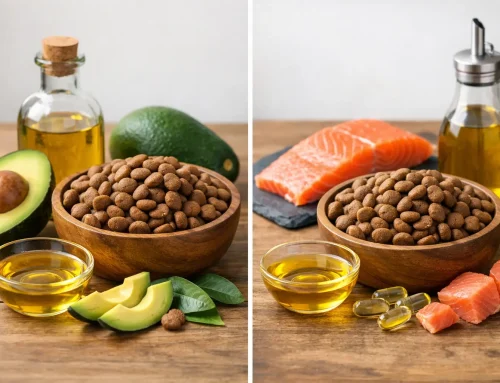
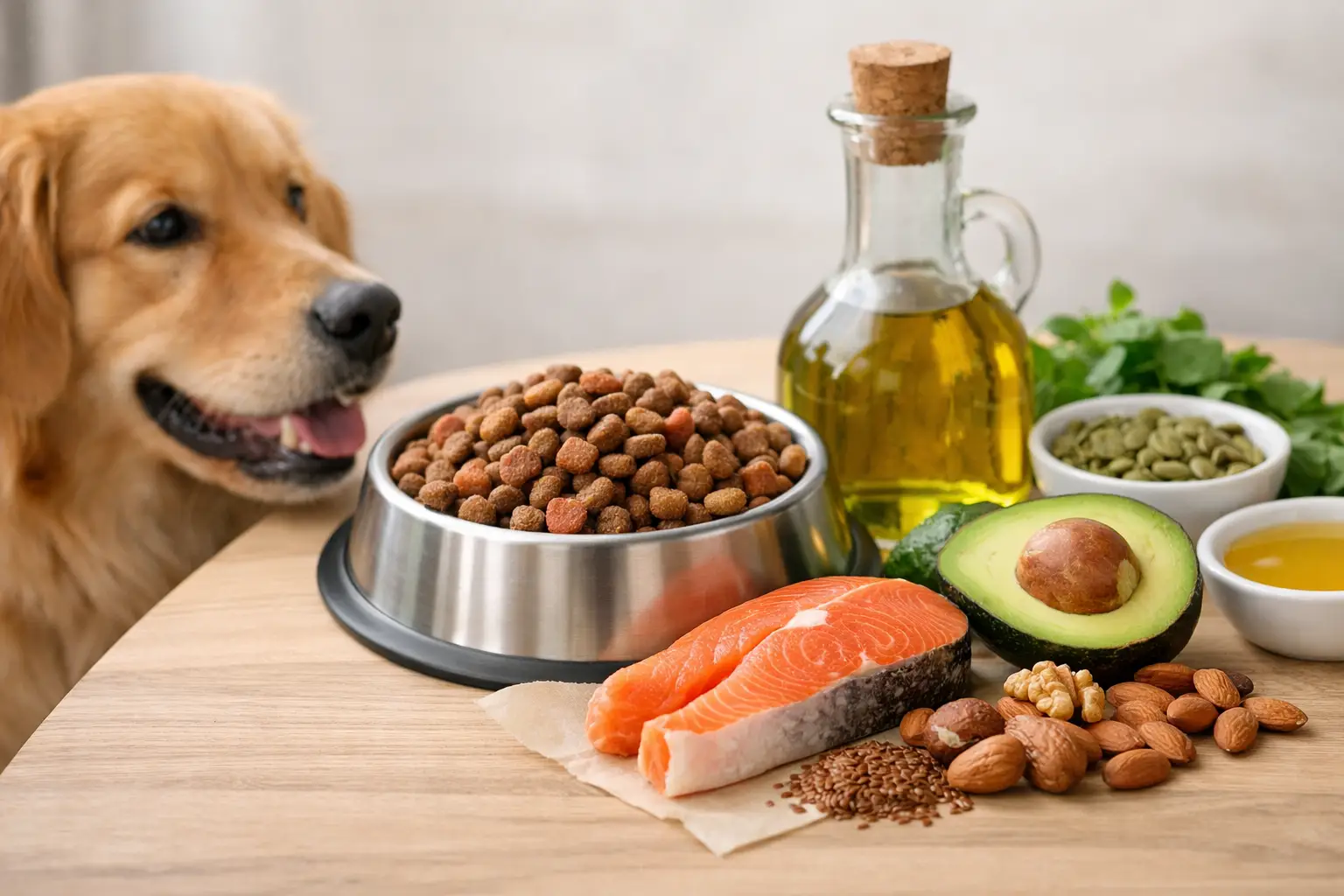
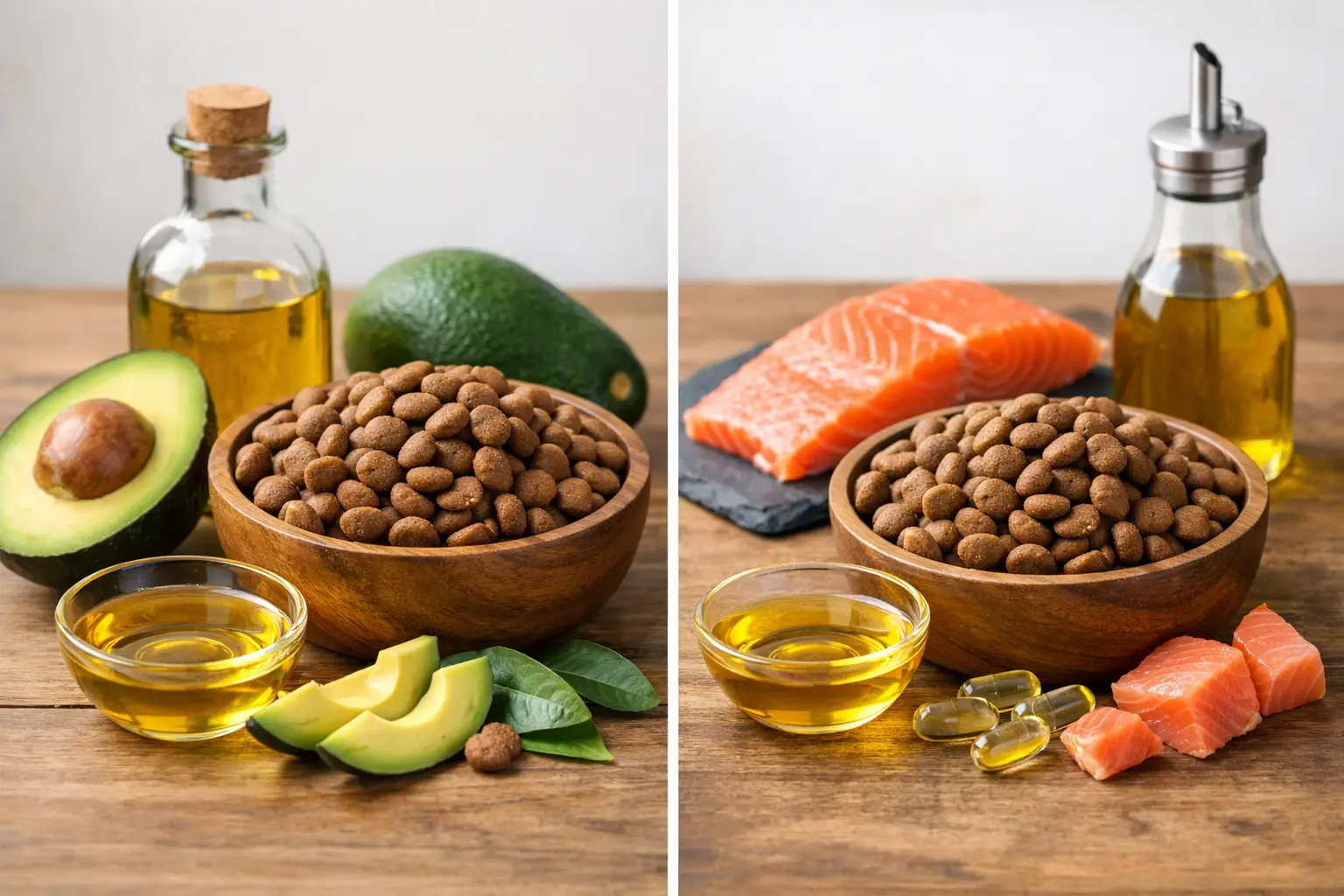
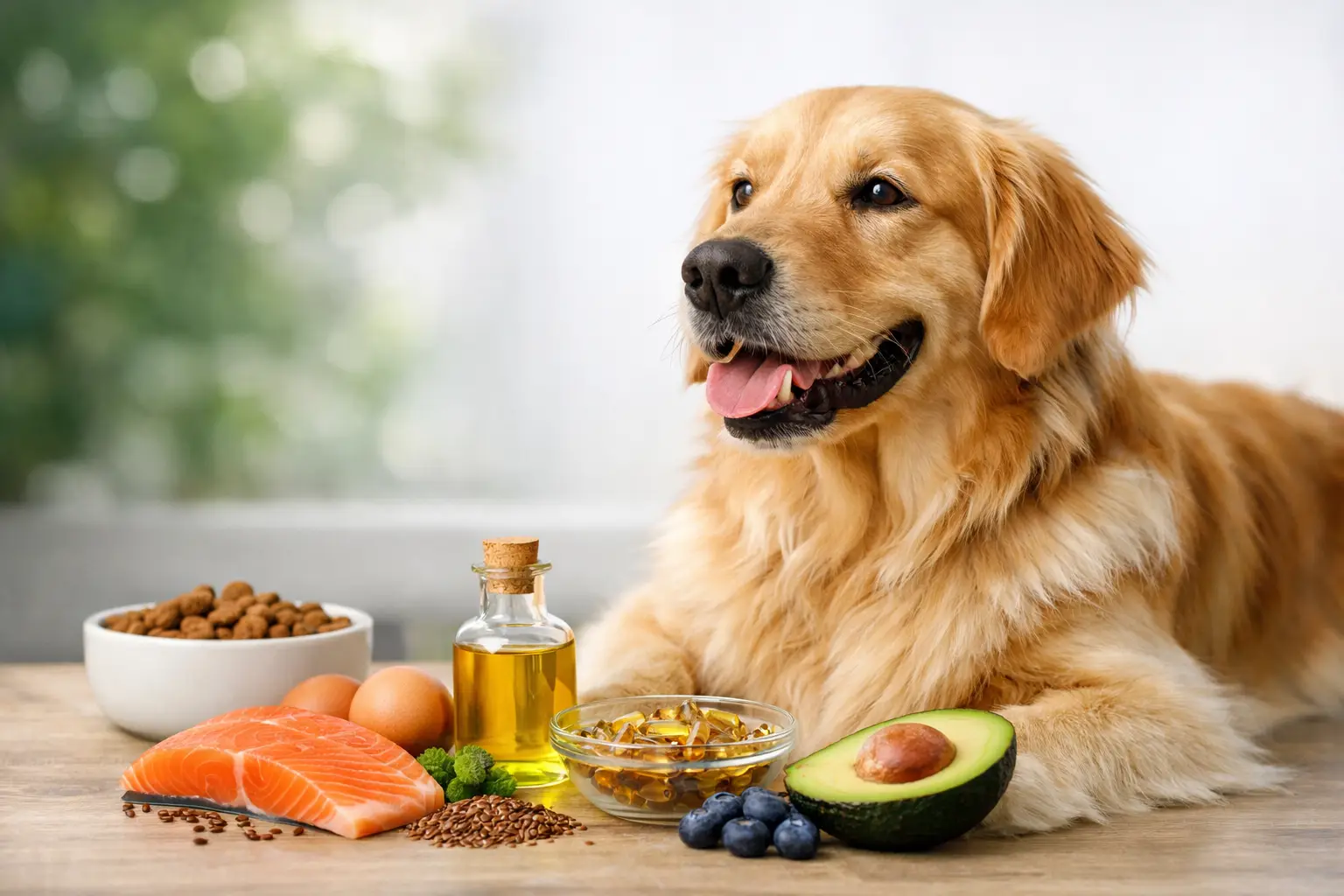
Omega fatty acids are some of the most valuable nutrients for skin support. Omega-3s and omega-6s help nourish the skin barrier and support a soft, healthy-looking coat. These fats can come from ingredients such as fish, flaxseed, and certain plant oils.
Balance matters here. More fat is not always better, and not every source offers the same nutritional profile. A well-formulated food uses fats intentionally, not just for flavor, but for visible wellness benefits.
Quality protein supports skin and coat repair
Skin and hair are both built with protein, so the source and quality of that protein count. Dogs need complete, digestible protein to help maintain normal skin structure and healthy fur growth.
Chicken, lamb, salmon, and turkey are all common choices, and the best option often depends on your dog. Some dogs do well with traditional proteins, while others benefit from a simpler formula if food sensitivities are suspected.
Vitamin and mineral support
Zinc, vitamin E, and other micronutrients help support normal skin function. You may not shop for dog food based on zinc levels alone, but these nutrients are part of the bigger picture. A complete and balanced food should include them in the right proportions rather than relying on one hero ingredient.
Functional ingredients that bring more to the bowl
Some ingredients stand out because they offer both nutrition and a clear skin-and-coat benefit. Avocado and avocado oil are great examples. They naturally provide omega fatty acids and can be part of a thoughtfully formulated food designed to support healthy skin and a beautiful coat.
That ingredient-led approach is one reason many pet parents look for foods built around specific wellness benefits instead of generic formulas.
When your dog’s skin issues may be food-related
Food is not always the cause of skin trouble, but it can absolutely be part of the solution. If your dog has ongoing dryness, itching, or a rough-looking coat, nutrition is worth reviewing.
Signs that may prompt a closer look at diet include frequent scratching, flaky skin, excess shedding, dull fur, recurring ear irritation, or chewing at paws. These signs can also be linked to environmental allergies or other health concerns, so it is smart to look at the full picture.
This is one of those it-depends situations. A new food may help if your dog’s current diet is missing key nutrients or includes ingredients that do not agree with them. But if the issue is driven by fleas, a skin infection, or seasonal triggers, food alone may not fix it. That does not make nutrition any less important – it just means skin health often benefits from a combination of support.
Choosing dog food for skin health based on your dog
The best formula is not always the one with the longest ingredient list or the trendiest claim on the bag. It is the one that matches your dog’s needs and supports visible results over time.
For dogs with generally dry skin or lackluster coats, a formula rich in healthy fats and balanced nutrition may be enough to make a noticeable difference. For dogs with suspected sensitivities, a limited-ingredient or carefully selected protein recipe can be a smarter fit.
Life stage matters too. Puppies need growth-focused nutrition, adults need steady maintenance, and senior dogs may benefit from targeted support that helps maintain skin and coat quality as they age. If your dog has a sensitive stomach along with skin issues, it helps to choose a food that supports both digestion and skin wellness instead of treating them as separate goals.
A premium formula that combines complete and balanced nutrition with omega-rich ingredients can be a strong everyday option. That is where a brand like AvoDerm naturally stands out, with avocado-based nutrition designed to support healthy skin and a beautiful coat while still delivering daily nourishment.
How long it takes to see results
Pet parents often want quick answers, especially when a dog is uncomfortable. But with skin and coat health, patience matters.
You may notice small improvements within a few weeks, especially in coat softness or shine. More visible changes in dryness, flaking, and overall skin condition often take longer, usually several weeks to a couple of months. Skin cells need time to renew, and coat growth is gradual.
Consistency is key. Switching foods too often can make it harder to tell what is helping, and frequent changes may upset digestion. Once you choose a well-formulated food for skin support, give it time to work.
Tips for switching to a skin-supportive food
A gradual transition is usually the best move. Start by mixing a small amount of the new food with your dog’s current food, then slowly increase the new food over several days. This gives your dog’s digestive system time to adjust.
During the switch, pay attention to more than just stool quality. Watch the coat, skin texture, scratching, and energy level. Skin improvements are not immediate, but early signs of tolerance matter.
Also be mindful of extras. Treats, table scraps, and chews can affect dogs with sensitivities and may muddy the picture if you are trying to evaluate a new food. If skin health is your focus, keeping the overall diet simple for a while can help.
A few common mistakes to avoid
One common mistake is chasing a single ingredient instead of looking at the full formula. Salmon oil, coconut oil, or another trendy add-in may sound promising, but skin health depends on complete nutrition, not one splash of oil on top of an otherwise average diet.
Another is assuming every itchy dog has a food allergy. True food sensitivities do happen, but many dogs react more to environmental factors than to their dinner. That is why a balanced, skin-supportive food is helpful, but sometimes not the whole answer.
It is also easy to over-supplement. Adding multiple oils, skin chews, and toppers on top of a complete food can throw off calorie intake and nutrient balance. More is not always better, especially when the base food is already designed to support skin and coat health.
What healthy progress looks like
Better skin health is not always dramatic at first. Sometimes it starts with less scratching at bedtime, fewer flakes on the dog bed, or a coat that feels softer when you pet your dog. Over time, those small shifts can add up to a healthier-looking, more comfortable dog.
That is the real goal. Not just a glossy coat for appearance, but skin that is nourished, resilient, and supported every day by what goes into the bowl.
If your dog’s skin seems off, a smarter formula is a practical place to start. Good health shows, and when nutrition is working the way it should, you can often see it in the coat, feel it in the skin, and notice it in your dog’s comfort day after day.