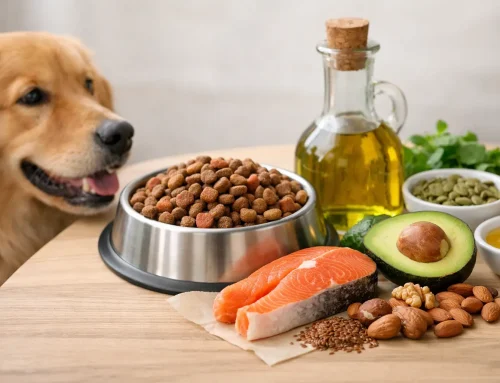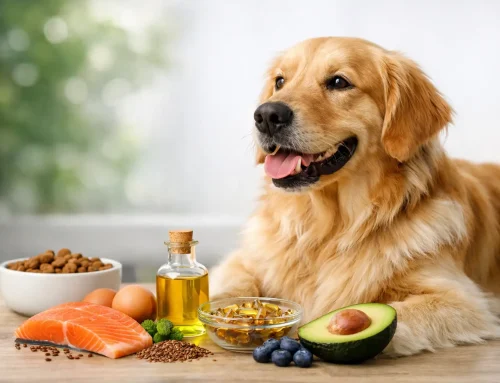
If your vacuum is working overtime and your dog’s coat looks a little dull, food may be part of the picture. Knowing how to choose dog food for shedding starts with one simple truth – shedding is normal, but excessive shedding can be a sign that your dog’s skin and coat need better nutritional support.
Some dogs naturally shed more than others. Breed, season, age, and overall health all matter. But nutrition plays a major role in how well the skin holds onto hair, how glossy the coat looks, and how comfortably your dog lives in that coat every day. Good health shows, and one of the first places pet parents often notice it is in the fur left behind on the couch.
Why shedding and nutrition are connected
Hair is built from protein, and healthy skin depends on a steady supply of key fatty acids, vitamins, and minerals. When a dog’s food falls short in those areas, the coat may become dry, brittle, or lackluster. That can lead to more visible shedding, more itching, and more flakes.
That does not mean every shedding problem is solved by switching food. Allergies, parasites, stress, hormones, and seasonal coat changes can all contribute. Still, if your dog sheds heavily year-round or the coat feels rough instead of soft and resilient, diet is a smart place to look.
How to choose dog food for shedding support
When pet owners ask how to choose dog food for shedding, the best answer is to focus less on buzzwords and more on nutritional function. A food that supports skin and coat health should be complete and balanced, made with quality ingredients, and designed to deliver consistent nourishment over time.
The first thing to evaluate is protein quality. Because hair is made mostly of protein, your dog needs enough of it from reliable animal sources to support normal coat growth and repair. Look for a named protein source, such as chicken, lamb, salmon, turkey, or duck, rather than vague ingredient descriptions. Dogs with poor coat quality may not be getting the building blocks they need.
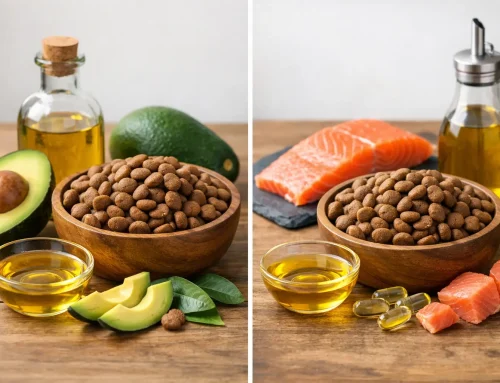
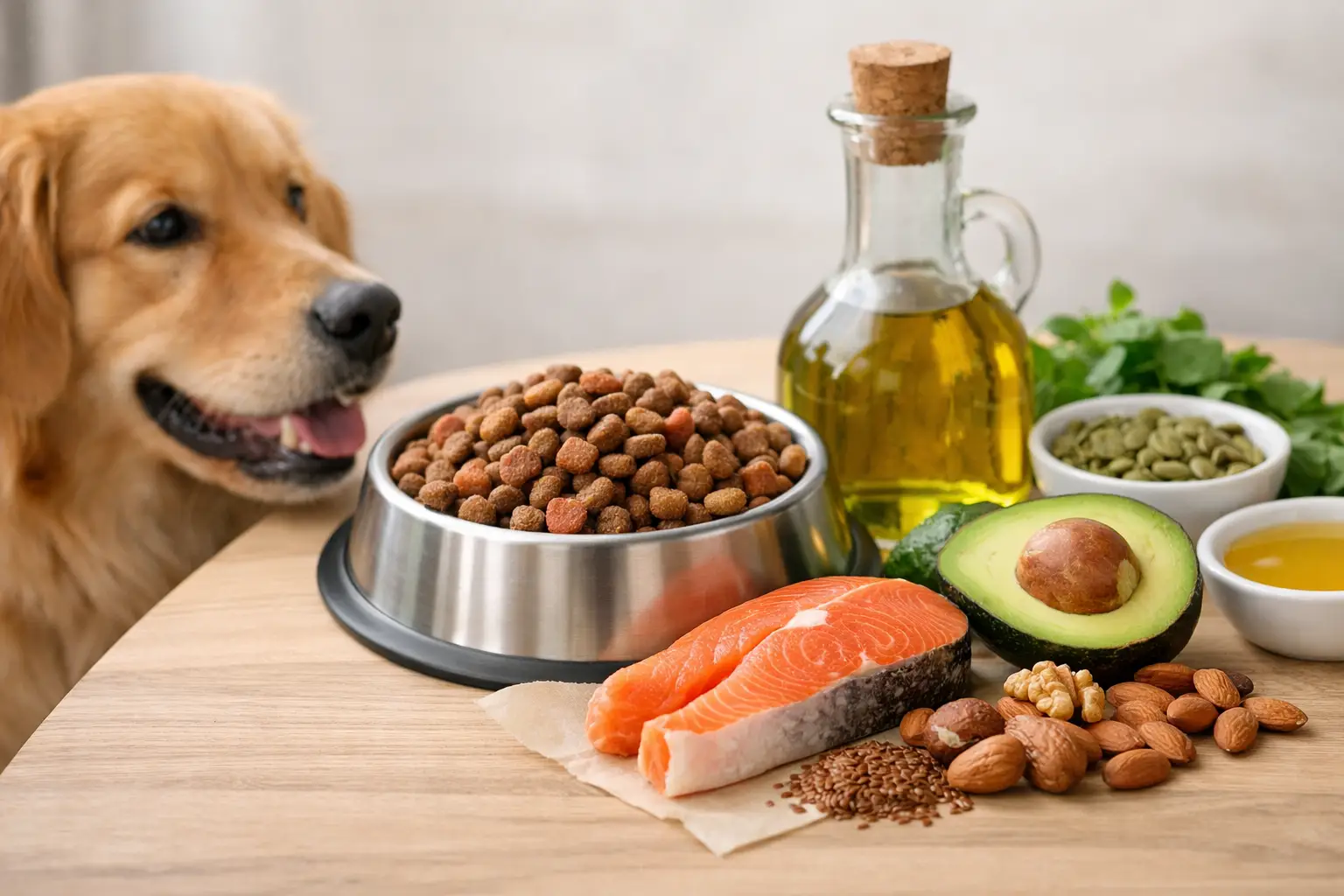
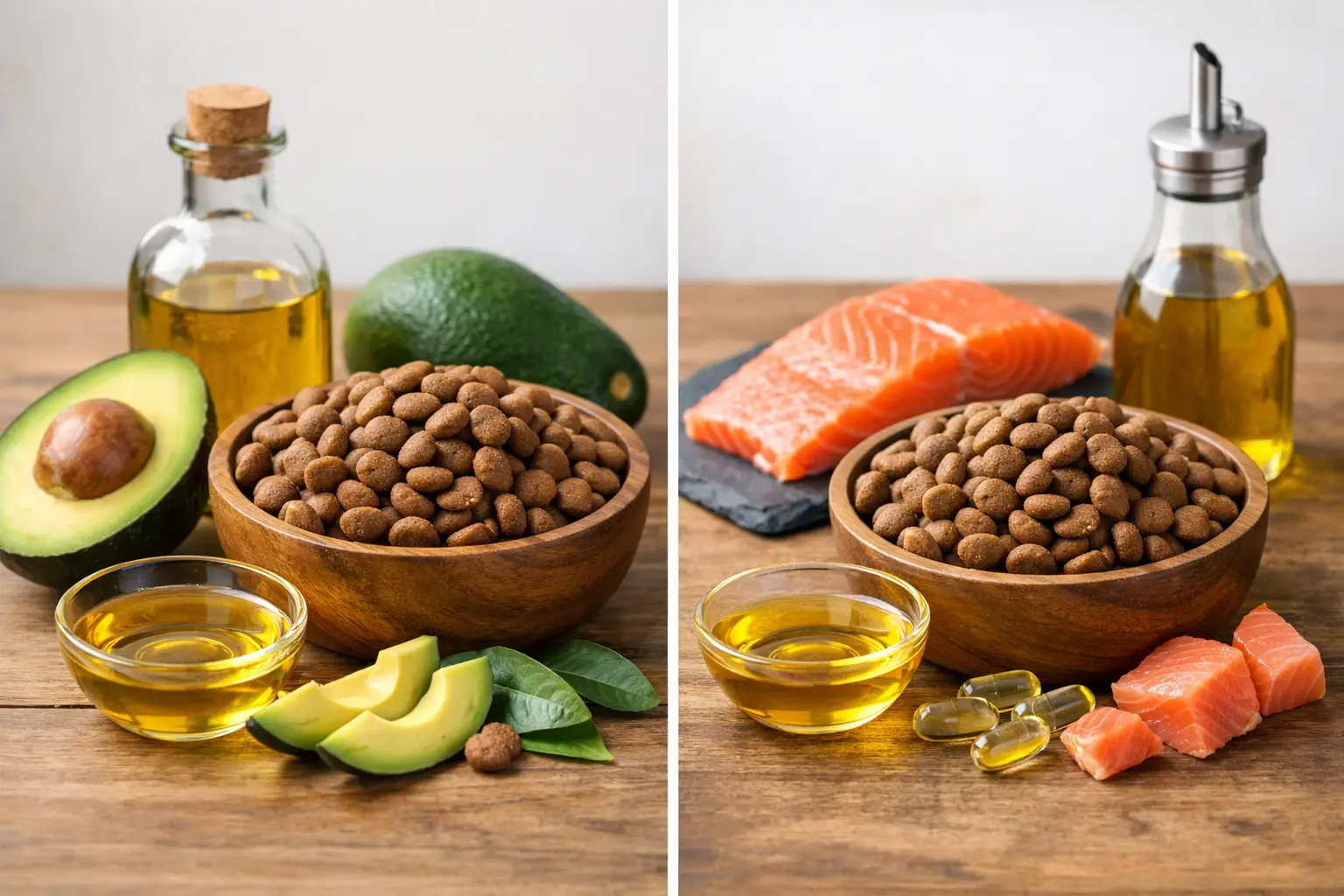
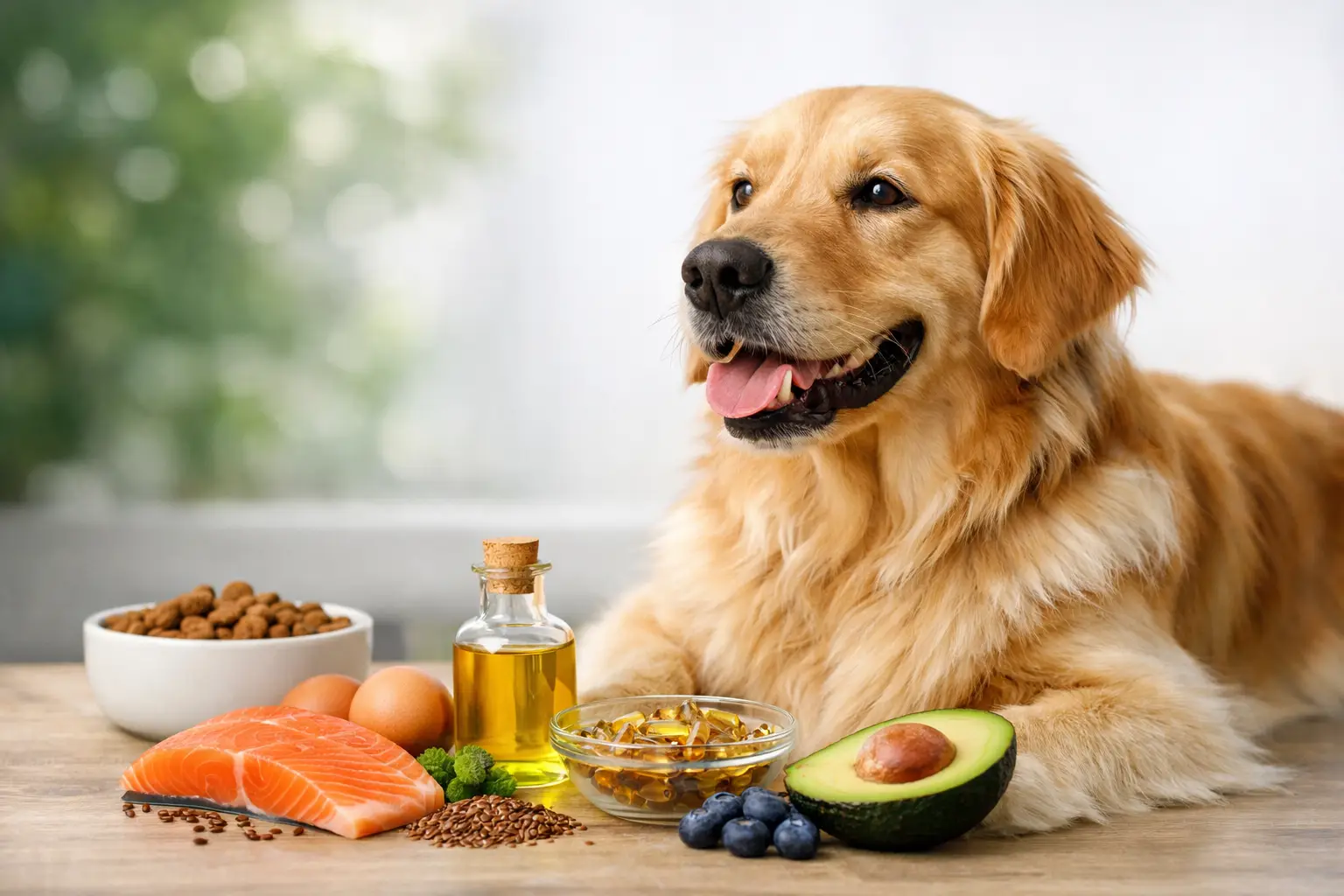
Healthy fat matters just as much. Omega fatty acids help support the skin barrier, which is your dog’s first defense against dryness and irritation. Omega-6 fatty acids help nourish skin and coat, while omega-3 fatty acids help support a balanced inflammatory response. Together, they can make a real difference in softness, shine, and overall coat condition. Foods made with ingredients rich in beneficial fats, including fish oils or avocado oil, can be especially appealing for pet parents focused on visible skin and coat wellness.
Ingredient quality also matters when your dog has sensitivities. Some dogs shed more because they are dealing with chronic irritation, licking, or scratching triggered by food intolerances. In those cases, a formula with carefully selected ingredients and fewer common triggers may help. It depends on the dog, though. Grain-free is not automatically better, and neither is a limited-ingredient recipe unless your dog truly needs one.
What nutrients help reduce excessive shedding?
A shiny coat is not just about calories. It is about whether those calories deliver the right nutrients in the right balance.
Protein supports hair structure. Essential fatty acids help maintain healthy skin moisture and support coat softness. Zinc helps with skin integrity, while vitamins such as vitamin E contribute antioxidant support. Biotin is another nutrient commonly associated with skin and coat health. You do not need to shop for a food with flashy claims about every single nutrient, but you do want a formula built to support whole-body wellness, including skin health.
This is one reason premium foods can stand out. They are often formulated with targeted benefits in mind, not just basic maintenance. For pet parents who want to see healthy skin and a beautiful coat, ingredient choices are not a small detail – they are the point.
Ingredients worth a closer look
When comparing labels, start with the first several ingredients and the guaranteed analysis, but do not stop there. A food can sound impressive on the bag and still be a poor fit for your dog.
Look for a named animal protein as a lead ingredient. Then consider whether the formula includes beneficial fat sources that support skin and coat condition. Avocado and avocado oil, for example, are valued in pet nutrition for their naturally rich content of omega fatty acids and their role in supporting healthy skin. In a properly formulated dog food, those ingredients can be part of a complete and balanced approach to coat care.
Also pay attention to whether the food includes artificial colors, fillers, or low-value ingredients that do little to support your dog’s overall wellness. Premium pet owners often want more than a full bowl. They want a formula that earns its place every day.
When shedding points to food sensitivities
Some shedding is mechanical – the coat simply cycles and drops hair. Other times, the real issue is inflammation. If your dog has excessive licking, ear issues, red skin, hot spots, or digestive upset along with shedding, sensitivities may be involved.
This is where choosing the right food gets more specific. A dog with suspected food sensitivities may benefit from a recipe with a novel protein or a simpler ingredient deck. You may also want to avoid frequent food changes, which can make it harder to identify what is helping and what is not.
Visible improvement usually takes time. Skin needs to calm down, and new hair needs to grow in. That means patience matters just as much as the product you choose. A quick switch followed by a quick judgment often leads pet parents to miss real progress.
Dry food, wet food, or both?
Pet parents sometimes wonder whether food format affects shedding. The bigger factor is nutrient profile, not whether the food is dry or wet. A high-quality dry food can support skin and coat health very well, and wet food can also be a strong option depending on your dog’s preferences and overall diet.
Some dogs do well with a combination approach. Dry food offers convenience and consistency, while wet food can add palatability and moisture. The important part is that the diet remains complete and balanced, and that any additions do not throw off the overall nutrition.
Signs the food is helping
A better coat usually improves in stages. First, you may notice less scratching and less flaking. Then the coat may start to feel softer, look shinier, and shed a little less dramatically. Over time, healthy skin support can help the coat look fuller and more resilient.
Do not expect overnight change. Most dogs need several weeks on a new food before you can fairly assess the difference, and some need longer. If you are transitioning to a skin-and-coat-focused formula, consistency matters.
Common mistakes when choosing dog food for shedding
One of the biggest mistakes is chasing trendy labels instead of your dog’s actual needs. Terms like natural, holistic, or premium may sound reassuring, but they do not tell you enough on their own. You still need to look at protein sources, fat quality, and overall formulation.
Another common mistake is focusing only on supplements while ignoring the base diet. A supplement can be useful in some cases, but if the main food is not doing the heavy lifting, results may be limited. Your dog eats the full bowl every day. That is where coat support should begin.
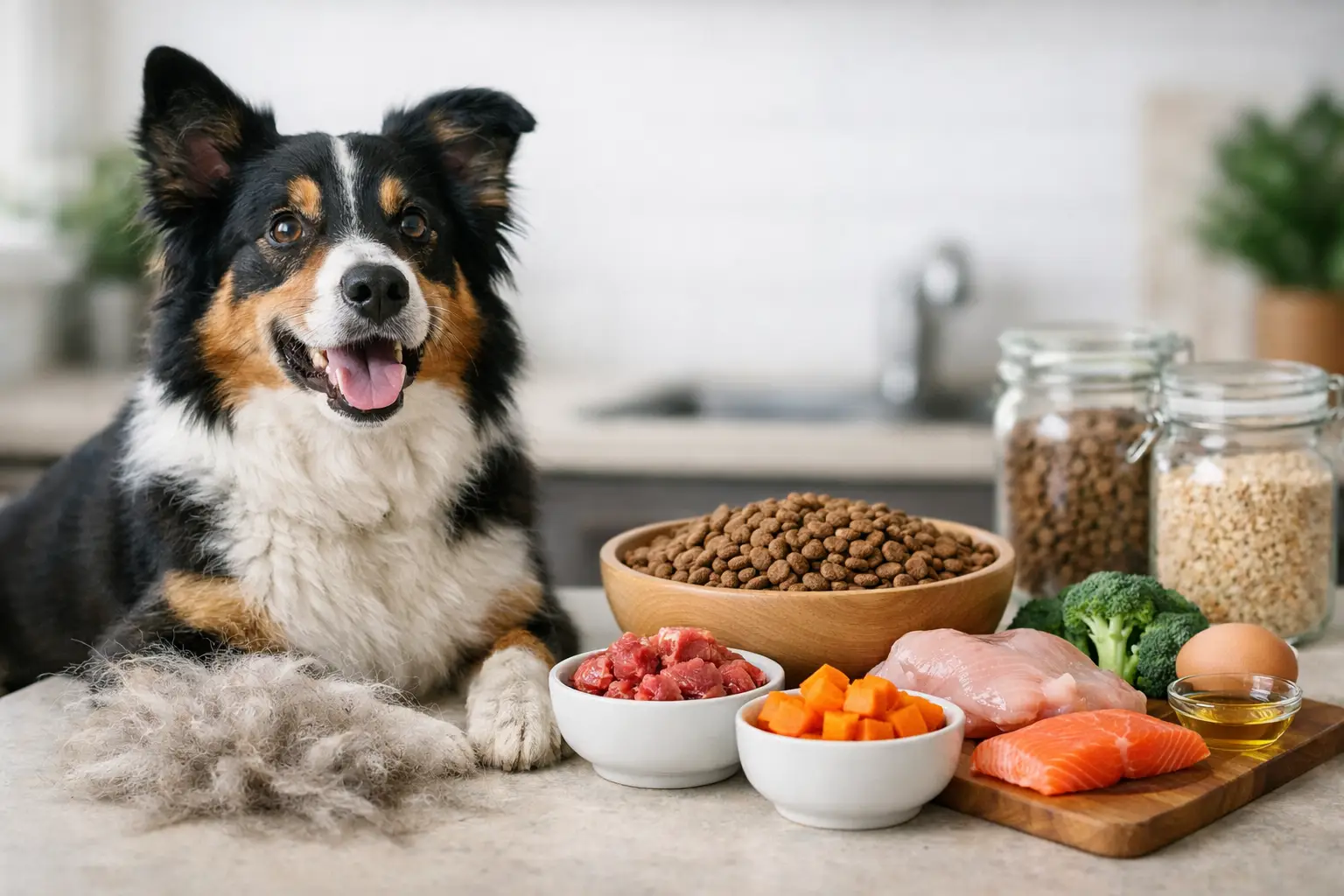
It is also easy to overreact to normal seasonal shedding. Double-coated breeds, in particular, can lose a lot of hair even when they are perfectly healthy. If the skin looks healthy and the coat remains soft and full, heavy shedding may be normal for that dog. The goal is not zero shedding. It is healthier skin, a stronger coat, and less unnecessary hair loss caused by poor nutrition.
Choosing with confidence
The best dog food for shedding is not a one-size-fits-all formula. It is a complete and balanced food that matches your dog’s age, size, sensitivities, and coat-support needs. Start with high-quality protein, beneficial fats, and ingredients chosen for real function. If your dog’s coat has been looking tired, dry, or messy beyond the usual seasonal cycle, a food designed to support skin and coat health may be a smart next step.
For pet parents who want nutrition to do more, this is where specialty formulas can shine. Brands like AvoDerm build around skin-and-coat support with ingredients such as avocado and avocado oil, giving dog owners a more targeted way to feed for visible wellness.
When your dog’s food is working, you usually see it before you ever need to measure it – in softer fur, calmer skin, and a coat that looks every bit as healthy as your dog feels.