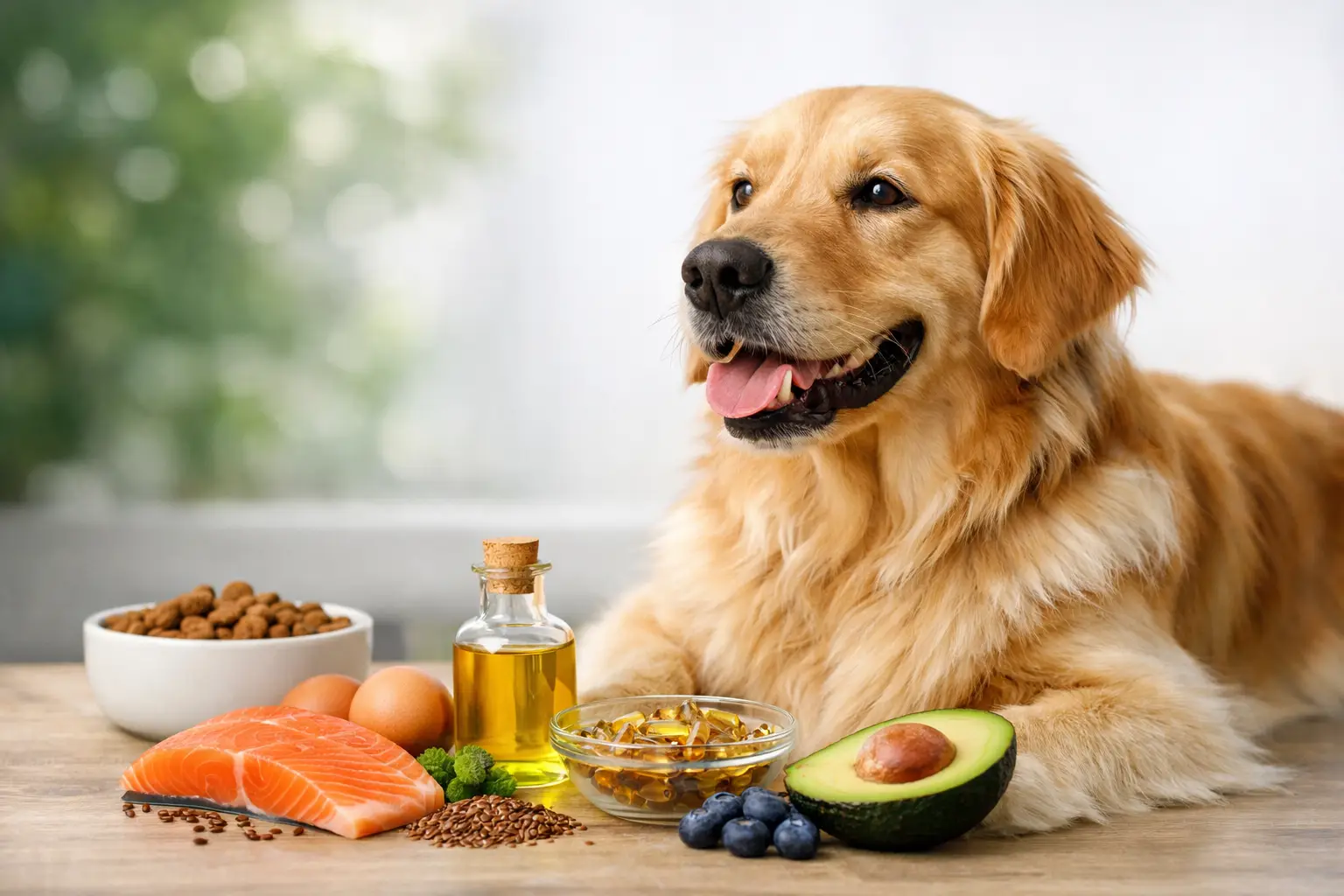

A food change often starts with good intentions – better ingredients, support for sensitive digestion, or help for dry skin and a dull coat. But even a high-quality formula can cause stomach upset if the switch happens too fast. If you are wondering how to transition dog food safely, the key is to give your dog’s digestive system time to adjust while paying attention to energy, stool quality, appetite, and overall comfort.
Why a slow transition matters
Dogs thrive on consistency, especially when it comes to digestion. Their gut adjusts to the balance of protein, fat, fiber, and ingredients in their current food over time. When a new recipe is introduced too quickly, that sudden shift can lead to loose stool, gas, vomiting, reduced appetite, or general discomfort.
A gradual transition gives the digestive tract time to adapt to new nutrient levels and ingredient sources. That matters whether you are moving from one protein to another, switching from a grocery-store formula to a premium natural recipe, or choosing a food designed for specific benefits like skin and coat support or food sensitivity support.
A slower approach is also helpful because not every reaction means the new food is wrong for your dog. Sometimes the issue is simply the pace of the switch. Giving the body time to adjust helps you separate a temporary transition bump from a true food intolerance.
How to transition dog food safely step by step
For most healthy adult dogs, a 7- to 10-day transition works well. Start by mixing a small amount of the new food into the current food, then increase the new portion gradually every few days.
A practical schedule looks like this:
- Days 1 to 3: 25% new food and 75% current food
- Days 4 to 6: 50% new food and 50% current food
- Days 7 to 9: 75% new food and 25% current food
- Day 10: 100% new food
Some dogs can move through that schedule without any issues. Others do better with a full two weeks, especially if they have a history of digestive sensitivity, have been eating the same recipe for a long time, or are changing to a richer formula.
If your dog has a sensitive stomach, there is no downside to going slower. Taking extra time is often the most comfortable choice.
Measure meals carefully
During a transition, guessing can create problems. Use a measuring cup or kitchen scale so you know the old and new foods are being mixed in the right proportions. This also helps prevent overfeeding, which can look a lot like a poor food transition.
If the new food has a different calorie density, your dog may need a smaller or larger portion than before. Premium foods often provide more concentrated nutrition, so the feeding amount may change even when the bowl looks similar.
Keep everything else steady
One of the easiest ways to make a food transition smoother is to avoid changing too many things at once. If you are introducing a new kibble, try not to also add new treats, table scraps, toppers, or supplements in the same week.
Consistency makes it easier to see how your dog is really doing. If stool softens or your dog seems itchy, you will have a clearer idea of what may be contributing.
Signs the transition is going well
A smooth switch does not always mean zero change. Some dogs have a mild, short-lived adjustment period. What you want to see overall is that your dog remains bright, interested in meals, and comfortable.
Good signs include formed stool, steady appetite, normal energy, and no obvious bloating or vomiting. Over the next several weeks, you may also notice broader wellness benefits from the new diet, like improved coat softness, healthier-looking skin, or better enthusiasm at mealtime.
That is especially true when the new food is built around quality ingredients and functional nutrition. Good health shows in visible ways, and feeding choices can play a big role in that.
When to slow down or pause
If your dog develops loose stool, gas, or mild stomach upset, the first move is usually not to give up on the new food. Instead, stay at the current mixing ratio for a few extra days. In many cases, that is enough to let digestion catch up.
If symptoms continue, go back to the last ratio your dog handled comfortably. Then restart more gradually. For example, if 50-50 caused trouble, you might return to 25% new food for several days before moving up in smaller steps.
There are also times when you should stop the transition and contact your veterinarian. Repeated vomiting, severe diarrhea, blood in stool, lethargy, refusal to eat, or signs of abdominal pain are not normal transition issues. Puppies, senior dogs, and dogs with existing medical conditions may need a more tailored plan from the start.
Dogs with sensitive stomachs need a different pace
If your dog has had food-related issues before, knowing how to transition dog food safely becomes even more important. Sensitive dogs often do best with a 10- to 14-day schedule, and sometimes longer.
Start with a very small amount of the new food – even 10% can be enough for the first few days. Increase only when stools remain normal and your dog seems comfortable. This slower pace can feel cautious, but it is often the best way to support a successful switch.
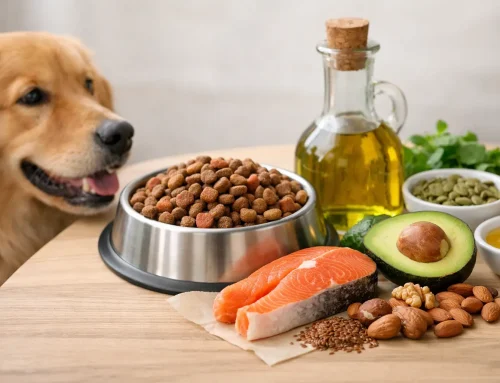
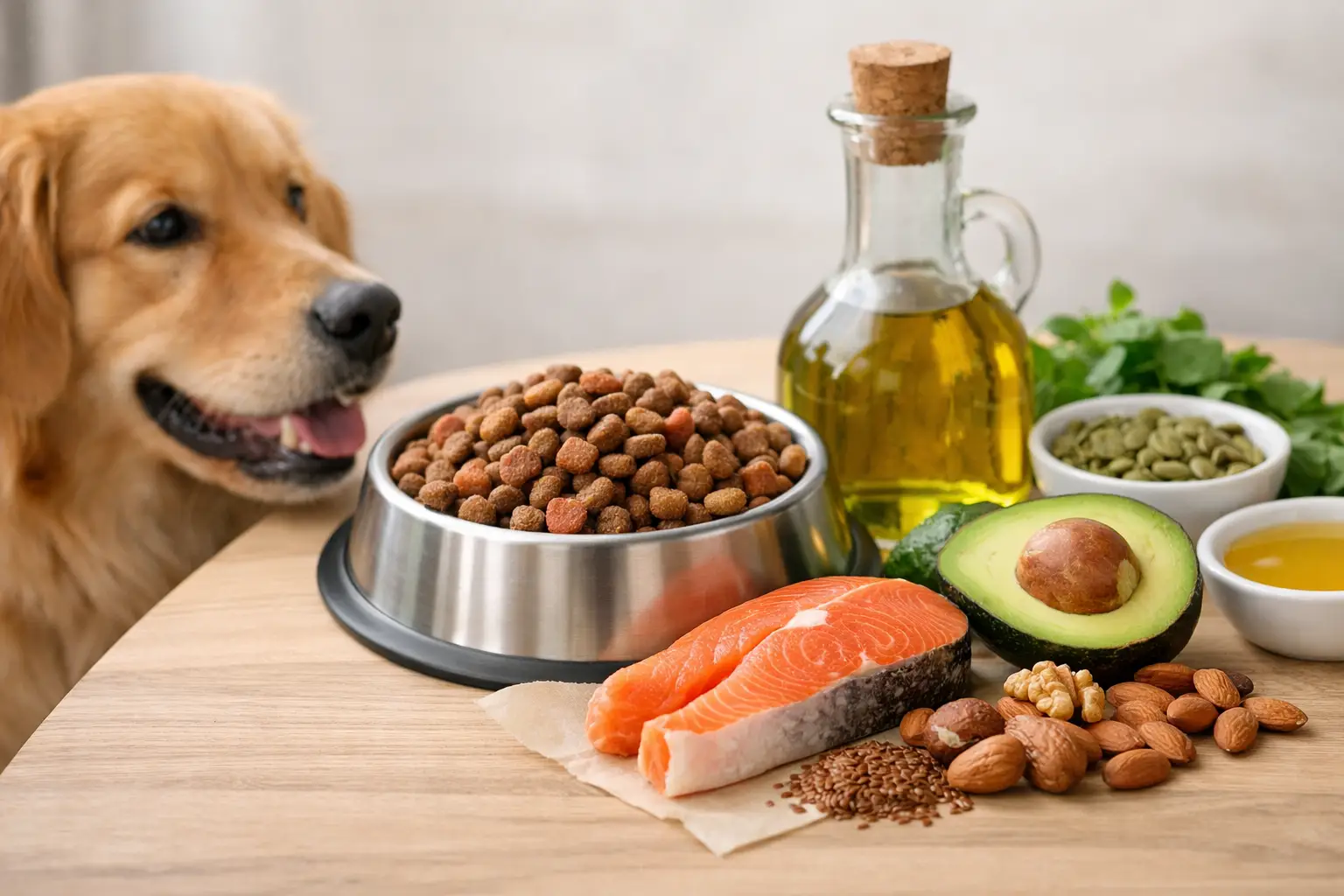
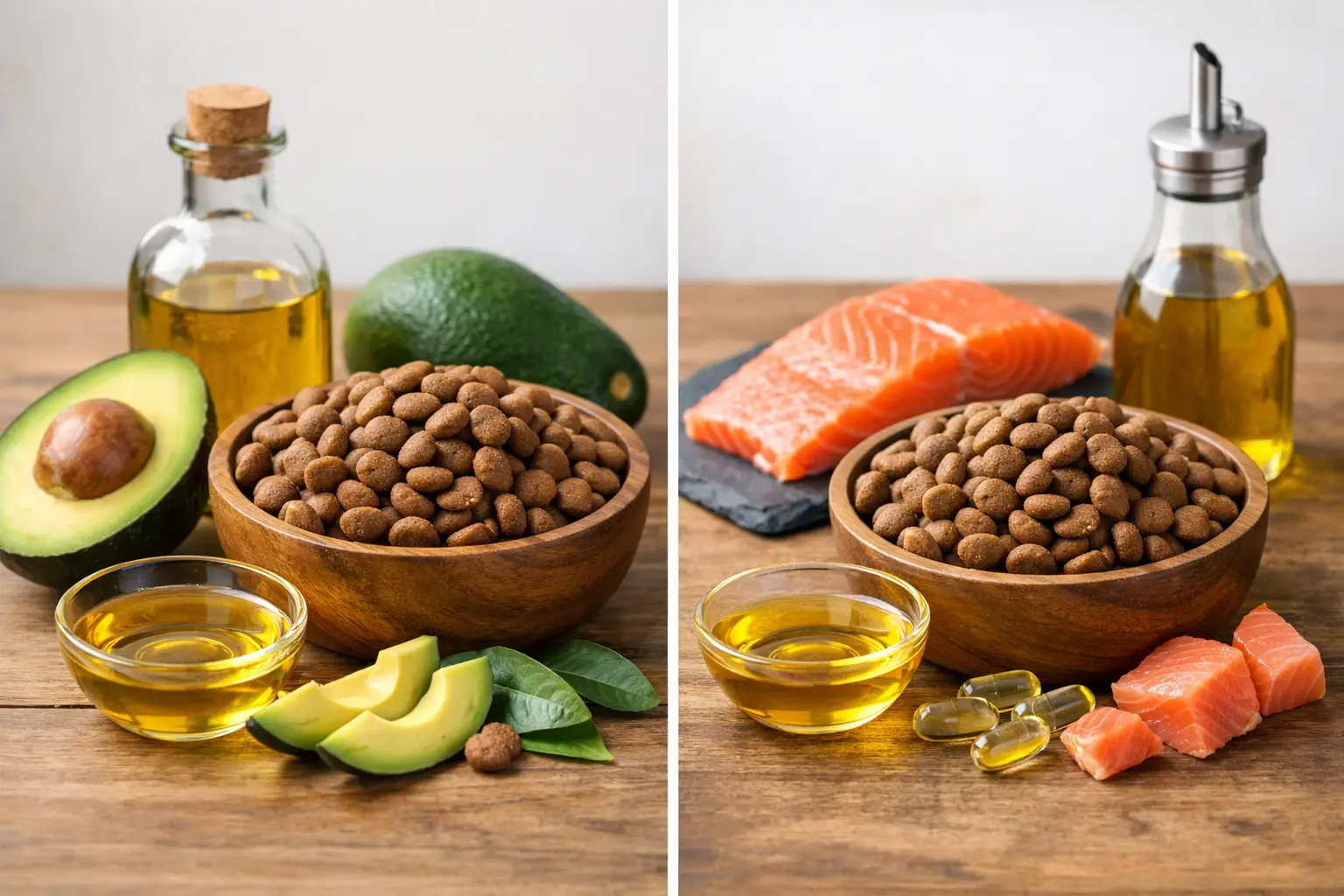
Ingredient choice matters too. A thoughtfully made food with clearly defined protein sources, balanced fiber, and skin-supportive fats can be a smart fit for dogs that need nutritional consistency. For pet parents looking for premium natural nutrition, formulas made with nourishing ingredients such as avocado and avocado oil can support healthy skin and a beautiful coat while still delivering complete and balanced daily feeding.
What if your dog refuses the new food?
Some dogs adapt quickly. Others inspect the bowl like they have been personally inconvenienced. If your dog is hesitant, avoid turning mealtime into a negotiation with too many extras.
Mix the foods thoroughly so each bite is consistent. Serve meals on a regular schedule rather than free-feeding all day. You can also warm wet food slightly or add a small amount of warm water to dry food to enhance aroma, as long as you keep the overall transition ratio intact.
If your dog still refuses food for more than a meal or two, slow the process down. A stronger smell, different kibble shape, or unfamiliar texture can all affect acceptance, even when the formula itself is high quality.
Common mistakes that make transitions harder
The biggest mistake is rushing. Pet parents often switch too fast because the new food seems healthier, and that comes from a good place. But the digestive system still needs time.
Another common issue is overfeeding during the switch. When two foods are mixed together, it is easy to lose track of total calories. Rich treats and leftovers can also muddy the picture.
Stress is another factor people miss. Boarding, travel, grooming appointments, moving, and schedule changes can all affect digestion. If possible, transition food during a calm week rather than during a major disruption.
When results become visible
Digestive adjustment usually happens first. If the transition is going well, you may see stool quality stabilize within days. Broader benefits from a new food often take longer.
Skin and coat changes can take several weeks because the body needs time to reflect improved nutrition on the outside. If you are switching to a premium formula for visible wellness benefits, patience matters. The goal is not just getting through the transition. It is setting your dog up to feel good and look good over time.
That is where ingredient quality and consistency really count. A carefully crafted food can support everyday vitality, and those small changes – better stools, more comfortable digestion, softer coat texture – tend to build on each other.
A simple mindset for safer food changes
The best transition plan is not the fastest one. It is the one your dog handles well. Watch the bowl, but also watch your dog. Appetite, stool, comfort, skin, coat, and energy all tell part of the story.
If you stay patient and make changes gradually, a new food has a much better chance to deliver the benefits you hoped for in the first place. Sometimes the healthiest move is simply slowing down enough to let your dog adjust with confidence.