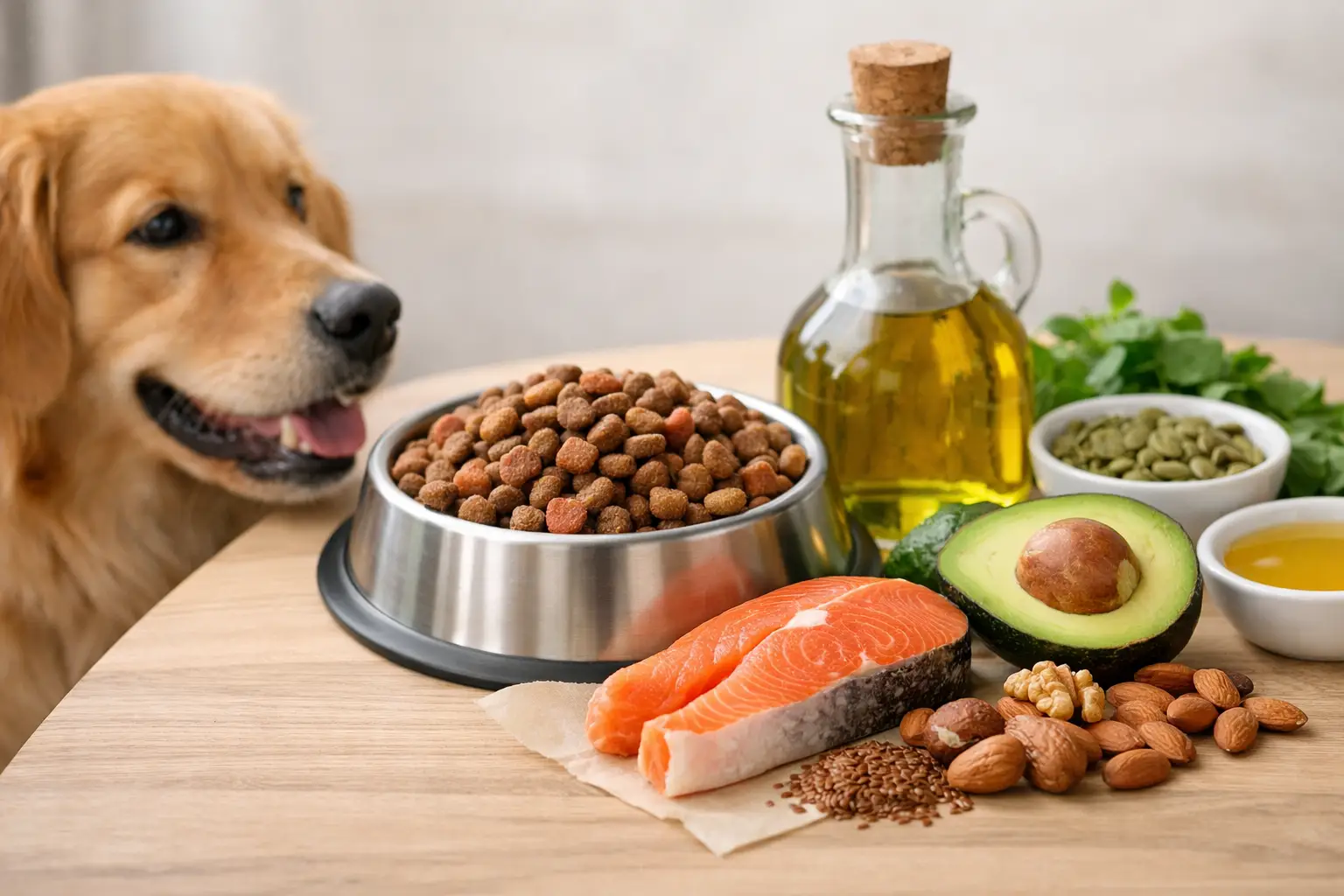

That moment at feeding time says a lot. One pet inhales every bite of kibble with enthusiasm. Another sniffs the bowl, licks off the gravy, and walks away. When pet parents compare wet food vs dry food, they are usually not asking which one is universally better. They are asking which one will help their own dog or cat feel good, eat well, and show the kind of everyday wellness you can actually see – healthy skin, a beautiful coat, steady energy, and comfortable digestion.
The honest answer is that both formats can play a valuable role in a healthy diet. What matters most is whether the food is complete and balanced, made with quality ingredients, and suited to your pet’s age, preferences, and wellness needs. Texture, moisture, calorie density, convenience, and taste all shape the right choice.
Wet food vs dry food: what really changes?
At the nutritional level, wet and dry pet food can both deliver complete and balanced daily feeding. The biggest difference is water content. Wet food contains much more moisture, while dry food is far more concentrated. That affects everything from aroma and texture to portion size and how filling a meal feels.
Wet food tends to have a softer texture and stronger smell, which many pets find especially appealing. Dry food is crunchy, easy to portion, and simple to store. Neither format is automatically superior just because of how it looks in the bowl. The better question is how each one fits into your pet’s lifestyle and health picture.
For many pet parents, this decision also comes down to what they can manage consistently. A food only works well if your pet will eat it and your household can feed it reliably.
Moisture matters more than many people realize
One of the clearest advantages of wet food is hydration support. Because it contains significantly more moisture, it can help increase total water intake across the day. That can be especially helpful for cats, who are often known for being less enthusiastic drinkers, and for dogs who may benefit from extra hydration.
Pets that eat wet food may also seem more satisfied by larger-looking portions, since the water content adds volume. For some households, that makes mealtime feel more satisfying without packing the same calorie density as a smaller scoop of dry food.
Dry food, on the other hand, gives you a concentrated source of nutrition in a smaller serving. That can be useful for active pets or for families that appreciate a tidy, efficient feeding routine. If your pet drinks water well on their own, dry food can still be a strong fit.
Taste, texture, and picky eaters
If your dog or cat is selective, wet food often has the edge in palatability. The aroma is usually stronger, the texture is softer, and the eating experience can feel more enticing. Senior pets, pets recovering from illness, or pets with missing teeth may also find wet food easier and more enjoyable to eat.
Dry food offers a different kind of appeal. Some pets genuinely prefer crunch, and many do well with the consistency of kibble. It is also convenient for puzzle feeders and training routines that involve measured portions throughout the day.
When a pet loses interest in meals, format can make a real difference. Sometimes switching from dry to wet helps. Sometimes mixing the two is enough to renew interest without changing the entire feeding plan.
Wet food vs dry food for weight and portion control
If you have ever looked at a scoop of kibble and thought, that does not seem like much, you are not alone. Dry food is more calorie-dense because there is less water in it. That means portion sizes are smaller, and overfeeding can happen quickly if measuring is inconsistent.
Wet food usually contains fewer calories per ounce, which can make portioning feel more generous. For pets that need weight management support, this can be useful. A fuller-looking bowl may help maintain mealtime satisfaction while still supporting calorie control.
That said, calories matter more than format alone. A pet can gain weight on wet food, dry food, or a mix of both if the total daily intake is too high. Body condition, age, activity level, and treats all belong in the conversation.
Skin, coat, and ingredient quality still come first
Pet parents often focus on format, but ingredients deserve just as much attention. A shiny coat and healthy skin are not created by moisture content alone. They are supported by balanced nutrition, quality protein, and beneficial fats.
That is where ingredient-led formulas can stand out. Foods made with nourishing fats and functional ingredients help support visible wellness from the inside out. Avocado and avocado oil, for example, are valued for naturally occurring omega fatty acids that help support skin health and a soft, beautiful coat. Good health shows, and often the coat is one of the first places pet parents notice it.
This is also important for pets with sensitivities. Sometimes the real issue is not whether the food is wet or dry. It is whether the recipe uses ingredients that agree with your pet’s system.
Convenience has value too
Dry food earns its place in plenty of homes because it is practical. It is easy to store, simple to measure, and works well for busy schedules. If multiple family members help with feeding, dry food can make consistency easier.
Wet food takes a bit more management. Once opened, it needs refrigeration and should be served within an appropriate time frame. It can also be messier, especially for pets that like to leave a little around the edges of the bowl.
Still, convenience should not be mistaken for lower quality. A high-quality dry food can be an excellent everyday option, just as a high-quality wet food can be a great choice for hydration, palatability, or variety. The best routine is the one that supports your pet’s health and fits your real life.
Is mixed feeding the best of both worlds?
For many pets, yes. Combining wet and dry food can offer the texture and convenience of kibble with the moisture and flavor appeal of wet food. It can also help pet parents tailor meals more precisely.
A mixed approach may work especially well for pets who need encouragement to eat, pets transitioning to a new food, or families that want flexibility. A dry base with a wet topper can make mealtime feel more exciting while keeping feeding simple.
The key is balance. If you mix formats, pay attention to total calories and serving sizes so you are not accidentally overfeeding. Reading feeding guidelines helps, but your veterinarian can offer more personalized guidance if your pet has specific needs.
How to choose between wet food and dry food
Start with your pet, not the packaging. A young, active dog with a healthy appetite may do beautifully on dry food. A senior cat who needs more moisture and a softer texture may thrive with wet food. A pet with sensitivities may do best with a carefully selected formula in either format.
Look at these factors together: hydration habits, life stage, dental comfort, weight goals, appetite, digestion, and ingredient preferences. If your pet has a dull coat, recurring stomach upset, or inconsistent appetite, the answer may involve both format and formula quality.
It is also smart to think about consistency over time. If you want one routine you can stick with every day, choose the format that fits your household without becoming a struggle.
Switching foods without upsetting the routine
Whether you move from wet to dry, dry to wet, or into a mixed-feeding routine, transition gradually. A sudden change can lead to digestive upset, even when the new food is a great option.
Blend a small amount of the new food into the current food, then increase it over several days. Watch your pet’s appetite, stool quality, and overall comfort. Most pets do best when the switch feels steady rather than abrupt.
If your dog or cat has known food sensitivities, a slower transition may be even more helpful. Patience pays off at the bowl.
A premium brand like AvoDerm approaches this choice with a simple idea: nutrition should do more than fill the bowl. It should support daily wellness you can see and feel, from comfortable digestion to healthy skin and a beautiful coat.
Choosing between wet and dry food is less about picking sides and more about paying attention. Your pet will usually tell you what works through appetite, energy, coat condition, and overall comfort. When the food matches their needs, mealtime gets easier – and good health has a way of showing up everywhere else too.