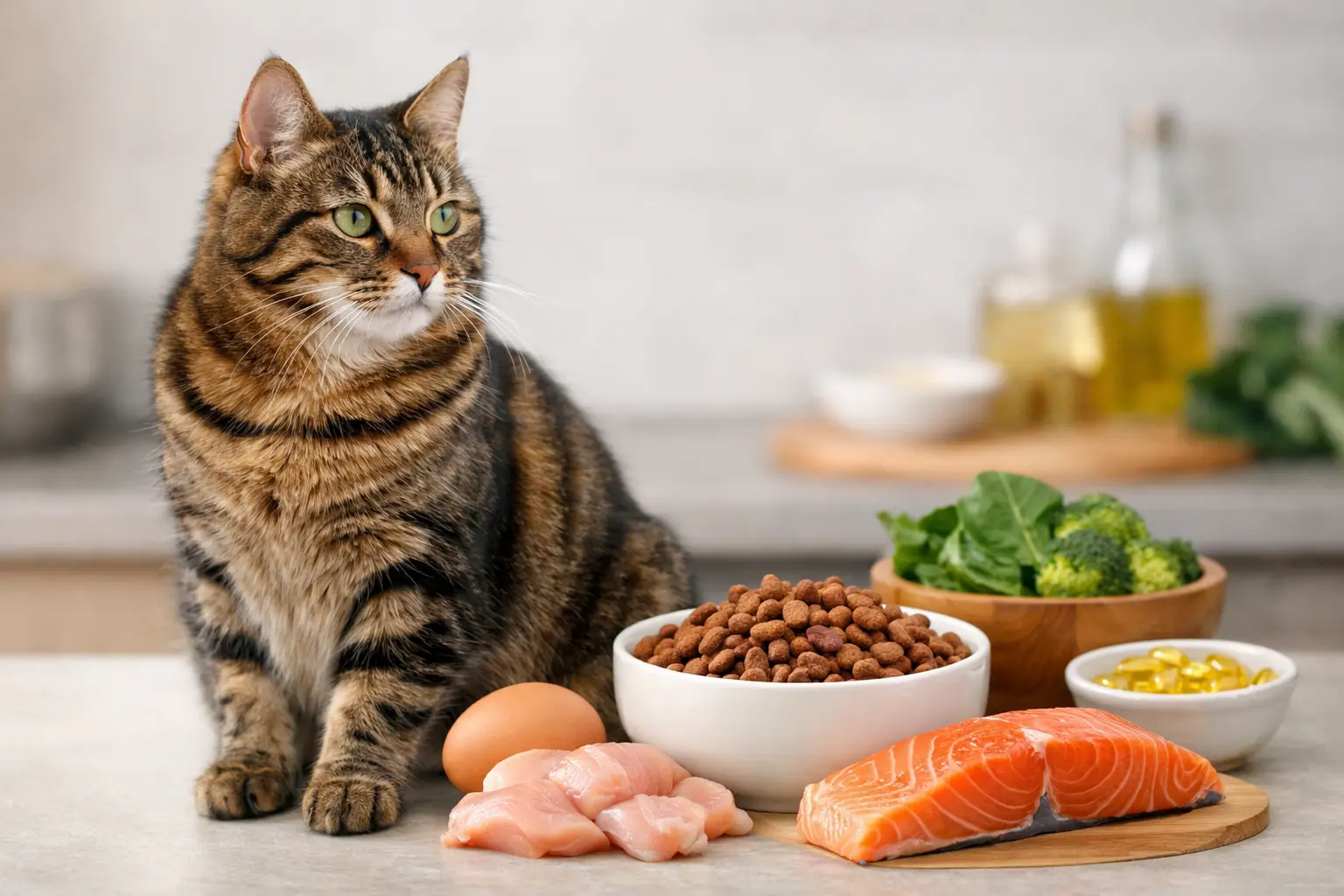
A dull coat usually shows up before a cat acts sick. You notice less shine, more shedding on the couch, maybe flaky skin along the back or tiny mats that seem to appear overnight. When pet parents start looking for cat food for healthy coat support, they are usually trying to solve something they can see every day – and that makes nutrition a smart place to start.
A healthy coat is not just about appearance. Good health shows in the fur, but the coat is really a reflection of what is happening underneath. Skin needs the right fats, proteins, vitamins, and minerals to stay strong and comfortable. Hair growth depends on steady nourishment, and even a cat with a naturally thick, beautiful coat can lose that look if the diet falls short.
What cat food for healthy coat support should include
If you want visible coat benefits, the first thing to look at is fat quality. Cats need dietary fat for energy, but certain fats matter even more for skin and coat support. Omega fatty acids help nourish the skin barrier and support softness, shine, and overall coat condition. When cats get the right balance of these fats in a complete and balanced food, their coat often feels smoother and looks glossier over time.
Protein matters just as much. Hair is made mostly of protein, so poor-quality protein or too little of it can affect coat texture and growth. Cats are obligate carnivores, which means they need animal-based nutrients as a foundation of their diet. A food with high-quality protein helps support normal skin renewal and steady fur growth.
You also want to pay attention to supportive micronutrients. Vitamin E helps protect cells from oxidative stress. B vitamins play a role in skin health. Zinc and other trace minerals support normal skin function. These nutrients do not get the same attention as omega fats, but they are part of the full picture.
That is why the best cat food for healthy coat results is not about one trendy ingredient. It is about a complete formula where fats, proteins, and key nutrients work together every day.
Why healthy skin comes first
Pet owners often focus on the coat because it is what they can see, but the skin is where the real work happens. If the skin is dry, irritated, or poorly nourished, the coat usually follows. Shedding may increase. Fur can feel rough. Cats may groom more than usual, which can make thin areas even more noticeable.
This is also where ingredient quality makes a difference. A premium formula that includes nourishing fats from well-chosen ingredients can support the skin barrier more effectively than a food that simply meets the minimum standard. For many cats, that daily nutritional support is what helps maintain a softer coat and more comfortable skin.
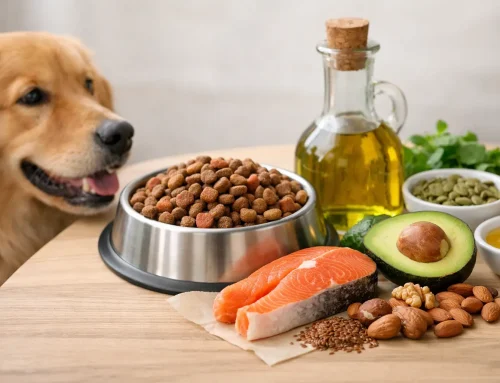
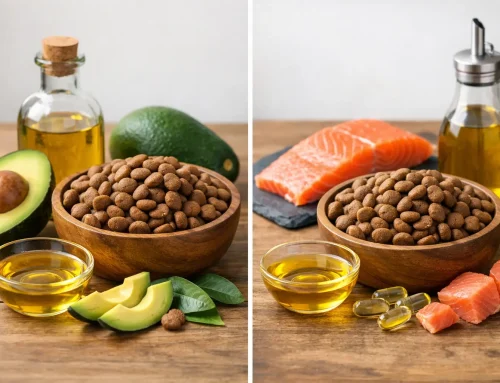
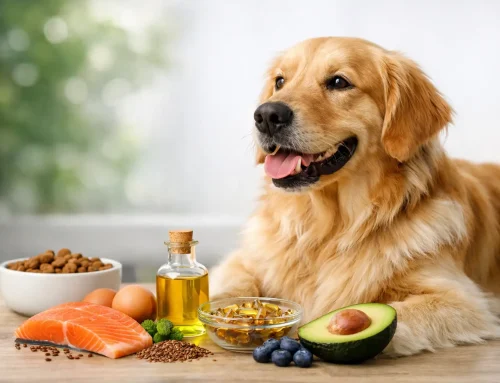
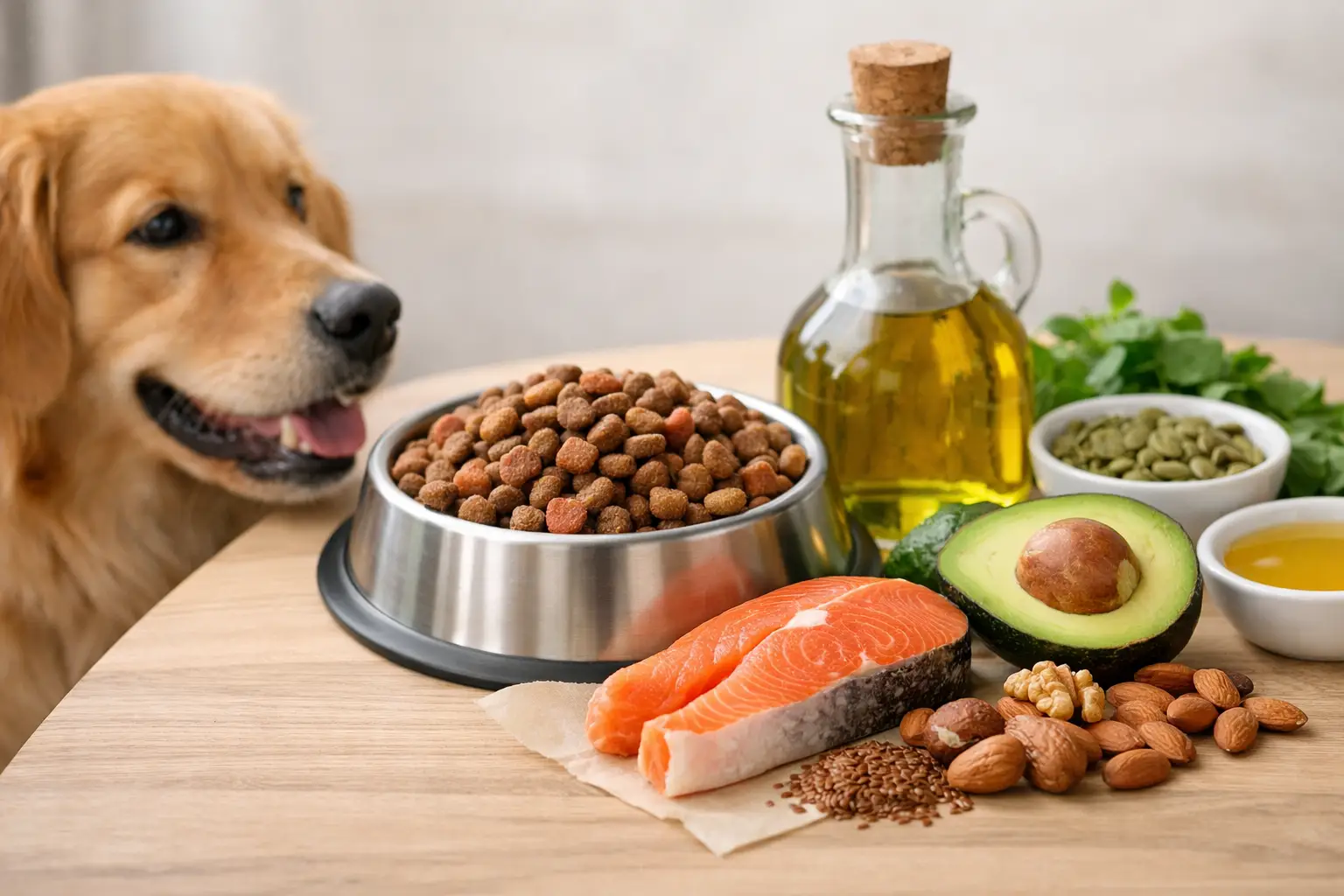
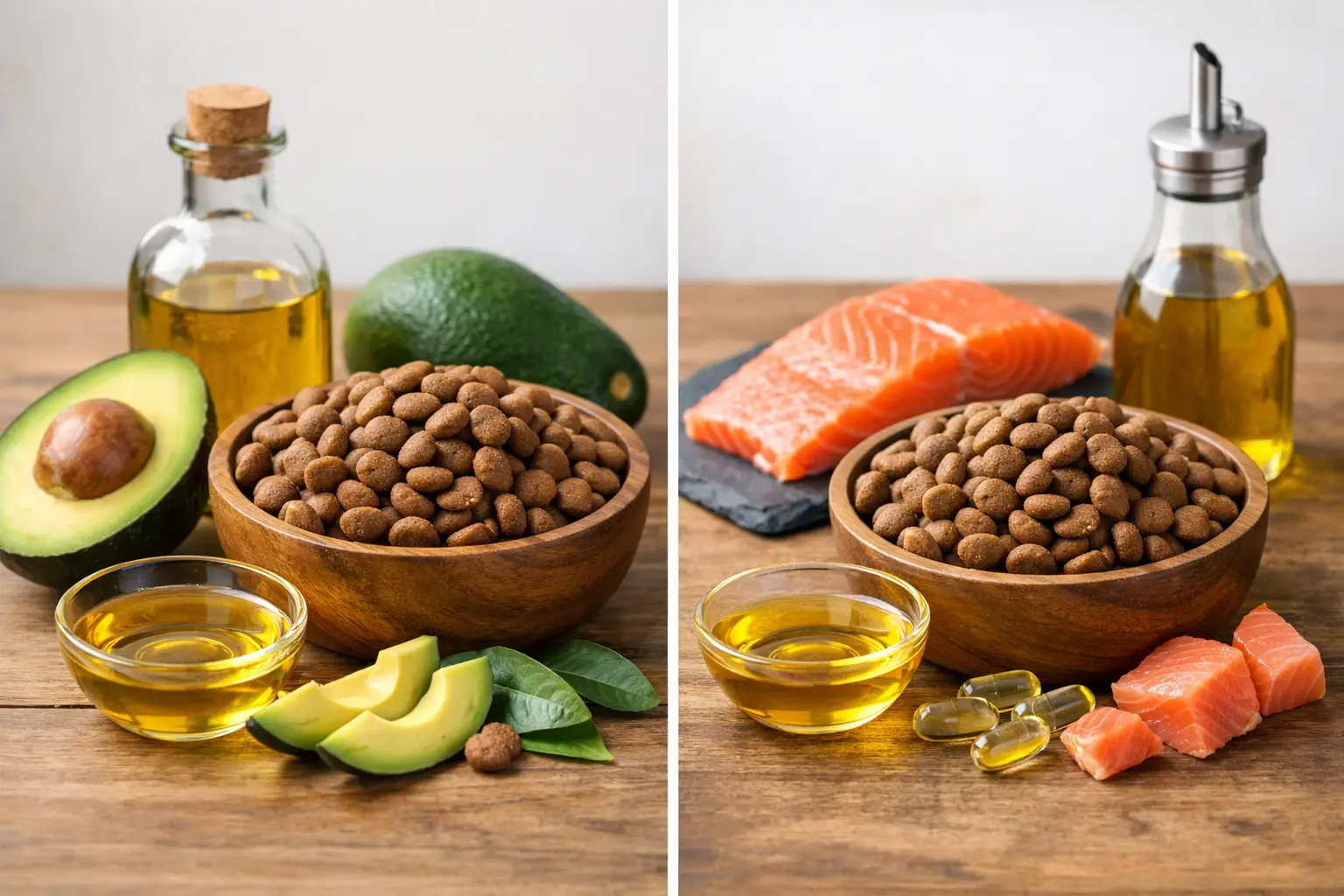
Avocado and avocado oil are a good example of an ingredient choice with a clear wellness purpose. In properly formulated pet food, avocado-derived ingredients can provide beneficial fatty acids that support skin and coat health. For pet parents looking for natural nutrition with visible benefits, that ingredient story makes sense because the results are easy to understand – healthy skin supports a beautiful coat.
Signs your cat’s coat may need nutritional support
Not every rough-looking coat points to food, and that matters. Age, stress, grooming habits, indoor dryness, parasites, and health issues can all affect coat condition. But nutrition is often part of the equation, especially when the changes are gradual.
A cat may benefit from a closer look at their diet if you notice increased shedding, a dull or greasy feel, flaky skin, a rough topcoat, or fur that does not seem to bounce back after seasonal changes. Some cats with food sensitivities also show skin-related signs before digestive issues become obvious.
If your cat is losing fur in patches, scratching intensely, or showing sudden changes in grooming behavior, it is smart to check with your veterinarian. Food can support skin and coat wellness, but it cannot replace veterinary care when there is an underlying medical problem.
Choosing cat food for healthy coat goals
Start with the label, but do not stop there. Look for a complete and balanced cat food made for your cat’s life stage. From there, focus on the features that support visible coat health: quality animal protein, nourishing fats, and ingredients selected for skin support.
This is where premium formulas tend to stand out. They are often designed with ingredient function in mind, not just basic nutrition. A food made with omega-rich ingredients can be especially helpful for pet parents who want to support a soft, shiny coat through everyday feeding instead of layering on multiple supplements.
Dry food and wet food can both support coat health if the formula is well made. Wet food may help some cats increase moisture intake, which can support overall wellness. Dry food can offer convenience and steady daily feeding. For many households, a mixed-feeding routine works well. It depends on your cat’s preferences, health needs, and how consistently you can feed the same supportive nutrition.
One practical point: avoid changing foods too often in search of instant results. Skin and coat improvements usually take time because fur grows gradually. If you switch from one formula to another every couple of weeks, it becomes hard to tell what is actually helping.
How long does it take to see a healthier coat?
Usually, not overnight. Most cats need several weeks on a consistent diet before coat changes become noticeable. You may first see less flaking or a softer feel when petting them. Shine often improves next, and shedding may become more manageable over time.
Results depend on the starting point. A cat with mild dryness may show improvement faster than a cat recovering from a long period of poor nutrition or recurring skin stress. Coat length matters too. In long-haired cats, it can take longer to see a full difference because old fur needs time to shed out while healthier new growth comes in.
Consistency matters more than speed. Feeding a complete and balanced formula every day gives the skin the steady nutrition it needs to do its job.
When food sensitivities affect the coat
Sometimes a lackluster coat is not just about missing nutrients. It can also be a sign that your cat is not thriving on their current food. Food sensitivities may show up as itchy skin, overgrooming, ear issues, or a coat that never seems quite right.
In that case, a simpler formula with carefully selected ingredients may help. The goal is not to chase exotic ingredients for the sake of it. The goal is to feed a diet your cat tolerates well while still delivering complete nutrition and coat-supportive fats.
This is where a specialized brand can be especially useful. A formula built around skin and coat wellness, with ingredient transparency and a clear nutritional purpose, can take some of the guesswork out of shopping. AvoDerm, for example, centers its approach on avocado and avocado oil as nutrient-rich ingredients that help support healthy skin and a beautiful coat.
Everyday habits that help your cat’s coat look its best
Food does the heavy lifting, but it works even better with a few simple habits around it. Fresh water should always be available. Regular brushing helps remove loose hair and distribute natural oils, especially in long-haired cats. Stress reduction matters more than many people realize because anxious cats often overgroom or shed more.
It also helps to keep expectations realistic. A healthy coat does not always mean a dramatic show-cat shine. Some cats naturally have a denser coat, a silkier texture, or more noticeable seasonal shedding than others. The goal is not perfection. It is a coat that feels soft, looks well cared for, and reflects good overall wellness.
If you are shopping for cat food for healthy coat support, think beyond marketing buzzwords and focus on what your cat’s body can actually use. Complete and balanced nutrition, quality protein, omega-rich fats, and ingredient choices that support skin health are what make the visible difference. Feed with patience, watch the small changes, and remember that some of the best signs of good nutrition are the ones you notice every time your cat curls up in your lap.