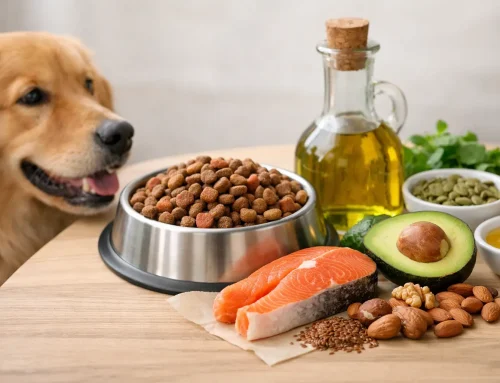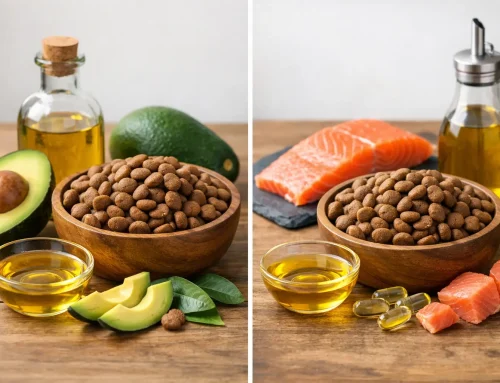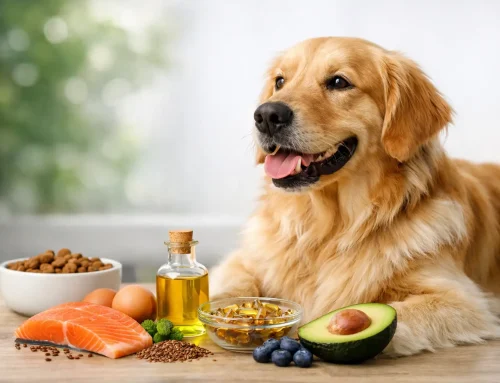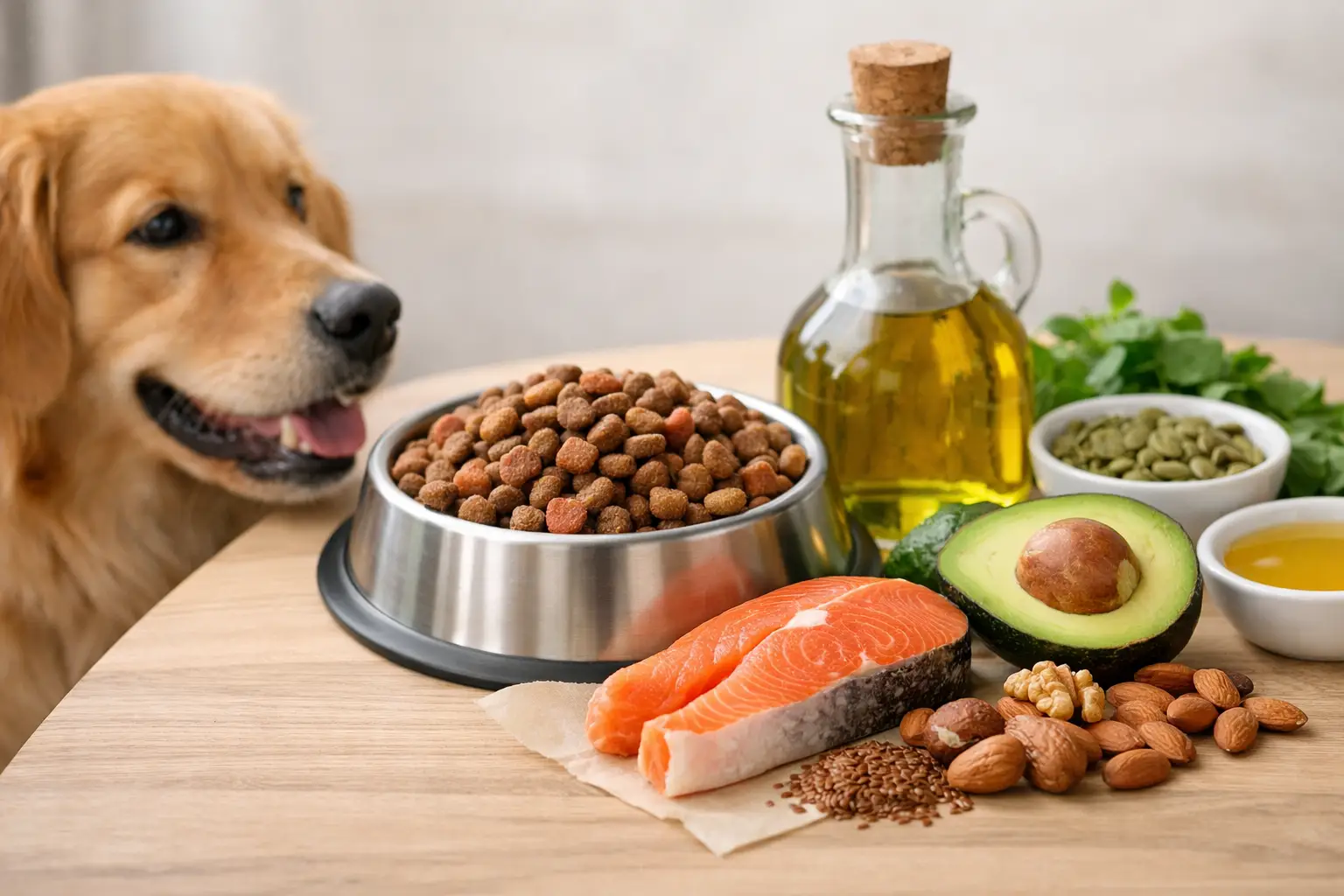
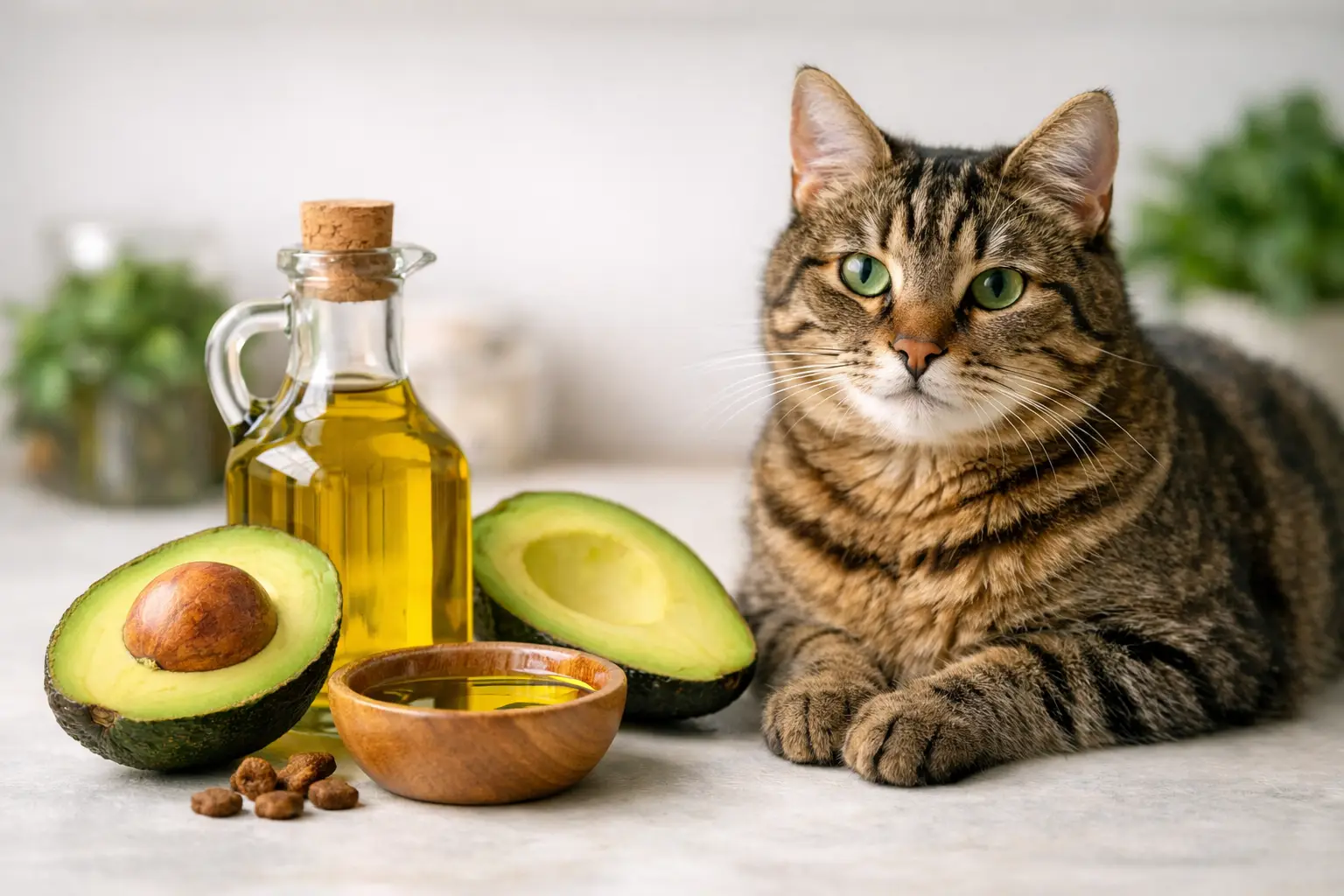
A dull coat is usually one of the first signs that a cat’s nutrition needs a closer look. When skin seems dry, shedding feels excessive, or your cat’s coat loses that soft, healthy shine, fat quality in the diet can make a real difference. That is why avocado oil benefits for cats get so much attention from pet parents who want visible wellness support, not just another trendy ingredient.
Avocado oil has a strong reputation in pet nutrition because it provides beneficial fats that help support skin and coat health as part of a complete and balanced diet. For cat owners, the real value is not that avocado oil is some magic fix. It is that, when used appropriately in cat food, it can be a smart source of nutrients that support everyday health in ways you can often see.
What avocado oil does in a cat’s diet
Cats need dietary fat. It is not optional, and it is not just there for taste. Fat helps provide energy, supports cell function, assists with nutrient absorption, and plays an important role in skin and coat condition. Avocado oil is useful because it naturally contains fatty acids that can help nourish the skin and support a glossy, healthy-looking coat.
That visible coat support is often what pet parents notice first. A cat who is getting well-balanced nutrition with quality fat sources may have fur that feels softer, looks shinier, and sheds less from dryness-related issues. Good health shows, and for many cats, the coat tells the story early.
Avocado oil can also contribute to overall diet quality by supplying energy in a concentrated form. That matters because cats are obligate carnivores with specific nutritional needs, and every ingredient in a premium formula has to earn its place. When avocado oil is included thoughtfully, it is there to support function, palatability, and daily wellness.
Avocado oil benefits for cats and coat health
If there is one area where avocado oil benefits for cats stand out most clearly, it is skin and coat support. Healthy skin acts as a protective barrier, and the coat depends on good nutrition to stay soft, smooth, and resilient.
When cats do not get the right balance of nutrients, the coat may start to look rough or feel brittle. Dry, flaky skin may show up around the back, tail base, or other areas that are harder for some cats to groom well. While skin and coat issues can have many causes, including allergies, parasites, stress, or underlying medical conditions, nutrition is one of the most practical places to start.
Avocado oil helps because the fats it provides support skin moisture and coat condition. In a complete formula, those fats work alongside protein, vitamins, and minerals to help maintain normal skin function. This is especially relevant for indoor cats, aging cats, or cats with sensitivities that can show up through the skin.
The key point is that avocado oil is most helpful as part of the whole recipe, not as a random add-on. Cats do best when nutrients are delivered in balanced proportions, and that is where premium pet food matters.
Why fat quality matters as much as fat amount
Pet owners sometimes focus on whether a food has enough fat, but quality matters just as much. Two foods can have similar fat levels on the label and still offer very different nutritional value depending on the fat sources used.
Avocado oil stands out as a quality ingredient because it is nutrient-dense and useful in supporting skin and coat wellness. It can also improve taste and texture, which is a practical plus for cats that are selective eaters. That does not mean every cat needs the same formula, though. Some cats thrive on richer recipes, while others do better with more carefully managed calorie intake.
This is where life stage, activity level, body condition, and sensitivity history all come into play. A healthy adult indoor cat has different needs than a growing kitten or a senior cat with changing appetite and metabolism. The benefit of avocado oil depends on the full diet around it.
Support for nutrient absorption
Dietary fat also helps cats absorb fat-soluble vitamins. That is an easy benefit to overlook because it happens behind the scenes, but it is a big part of why balanced fat sources matter. A thoughtfully formulated food uses ingredients not just for standalone value, but for how they work together.
That combination approach is one reason premium nutrition often produces visible results over time. You are not feeding for one ingredient. You are feeding for the complete effect.
Is avocado oil safe for cats?
This is the question many cat owners ask first, and it is a smart one. Whole avocado flesh, pit, skin, and leaves raise separate concerns, especially because different parts of the avocado plant are not the same in terms of safety or digestibility. Avocado oil used properly in pet food is a different conversation.
When avocado oil is included in professionally formulated cat food, it is used in a controlled, appropriate way as part of a complete and balanced recipe. That is very different from experimenting at home with human foods or pouring oils over your cat’s meals without guidance.
So yes, avocado oil can be a beneficial ingredient for cats when it is part of a reputable pet food formula. The safer path is always to choose food made specifically for feline nutrition rather than trying to supplement your cat’s diet on your own. More is not better, and excess added fat can upset digestion or add unnecessary calories.
If your cat has a history of pancreatitis, chronic digestive upset, or a medically prescribed diet, it is worth checking with your veterinarian before making a food change. The ingredient may be beneficial in general, but individual health needs always come first.
When avocado oil may be especially helpful
Not every cat will show the same response to a food containing avocado oil, but some situations make the benefits more noticeable. Cats with dry-looking coats, mild skin dryness, seasonal coat dullness, or food sensitivity concerns may benefit from a formula that includes high-quality fat sources and skin-supportive nutrition.
Cats going through a diet upgrade can also show visible changes over several weeks. Coat softness may improve first, followed by better overall appearance and more consistent grooming comfort. Pet parents often describe this as their cat looking more vibrant or feeling silkier to the touch.
That said, if your cat has intense itching, bald patches, sores, or sudden coat changes, food alone may not be the answer. Those signs deserve veterinary attention because they can point to allergies, infections, parasites, or other medical issues.
How to choose a cat food with avocado oil
If you are interested in avocado oil benefits for cats, the smartest move is to evaluate the full formula. A premium cat food should offer complete and balanced nutrition for the appropriate life stage, with high-quality protein, well-chosen fat sources, and a clear wellness purpose.
Look beyond the ingredient spotlight. Avocado oil is a meaningful part of the story, but it works best in a recipe designed to support feline health as a whole. For cats with skin and coat needs, that usually means a food that pairs nourishing fats with quality animal protein and digestible ingredients.
It also helps to buy from a brand that is transparent about quality and formulation. Trust matters when you are feeding every day. AvoDerm has built its approach around avocado-based pet nutrition for exactly this reason – not to be different for the sake of it, but to deliver ingredient-led benefits pet parents can understand and feel good about.
Give changes time
If you switch your cat to a new formula, do it gradually unless your veterinarian advises otherwise. A slow transition helps reduce digestive upset and gives your cat time to adjust to the new taste and nutrient profile. Visible coat changes usually do not happen overnight. You are more likely to notice a difference after several weeks of consistent feeding.
Patience matters here. Skin and coat health reflect what your cat has been eating over time.
The big picture on avocado oil for cats
Avocado oil is not a fad ingredient when it is used the right way. It is a purposeful source of beneficial fats that can support healthy skin, a beautiful coat, and overall diet quality in cats. For pet parents who want nutrition that does more than simply fill the bowl, that is a meaningful advantage.
The best results come from keeping the full picture in mind: a complete and balanced cat food, the right fit for your cat’s life stage and needs, and realistic expectations about what nutrition can do. When those pieces come together, small changes in the bowl can show up in ways you can actually see every day.
If your cat’s coat could use a little more softness and shine, choosing a thoughtfully formulated food with avocado oil may be a simple place to start.