The ingredient panel can make a bag of dog food feel like a pop quiz: chicken, chicken meal, peas, beet pulp, fish oil, natural flavor. A useful dog food ingredients comparison is not about finding one “perfect” word at the top of every label. It is about seeing how ingredients work together to provide complete, balanced nutrition for your dog’s age, lifestyle, skin, coat, and digestive needs.
A beautiful coat, comfortable skin, steady energy, and healthy-looking stools are everyday signs that nutrition may be supporting your dog well. The right food can look different for a playful young dog, a laid-back adult, or a pup with a history of food sensitivities. Here is how to compare formulas with more confidence.
Dog Food Ingredients Comparison: Look Beyond the First Ingredient
The first ingredient matters because it is listed by weight before processing. But it does not tell the whole story. Fresh meats contain substantial moisture, so their position on the list can look different after cooking than it did before. That is why comparing the entire recipe, including the guaranteed analysis and nutritional adequacy statement, gives a clearer picture.
A named animal protein, such as chicken, lamb, salmon, duck, or turkey, is generally easier to evaluate than a vague term like “meat.” Named ingredients help you understand what your dog is eating and can be especially helpful if your veterinarian has recommended avoiding a particular protein.
You may also see ingredients such as chicken meal or fish meal. Despite the name, a quality named meal is not automatically a lesser choice. It is a concentrated source of animal protein because much of the water and fat have been removed. The key is specificity. “Chicken meal” tells you more than “animal meal.”
Still, no ingredient should be judged in isolation. A formula with chicken as the first ingredient is not necessarily the better option if it does not provide appropriate fat, fiber, vitamins, minerals, and amino acids for your dog. Complete nutrition is a team effort.
Compare Protein for Your Dog, Not for a Trend
Protein supports muscles, immune function, and many normal body processes. Dogs need adequate protein, but “more” is not always the only goal. The right level depends on your dog’s life stage, activity level, body condition, and health needs.
For example, an active dog may thrive on a formula with a higher protein and calorie profile, while a less active dog may need careful portion control even when eating a premium food. Dogs with certain medical conditions may require individualized nutrition guidance from their veterinarian.
When comparing foods, look for named animal proteins and a clearly stated life-stage claim. A food labeled complete and balanced for adult maintenance is formulated differently from one designed for growth, including puppies. If you are feeding a large-breed puppy, choose a formula specifically appropriate for growth, ideally with guidance from your veterinarian on calcium, calories, and feeding amounts.
Healthy Fats Make a Visible Difference
Fat is more than a source of calories. It supplies essential fatty acids, helps dogs absorb fat-soluble vitamins, and plays a meaningful role in skin and coat health. This is where ingredient quality can become especially visible over time.
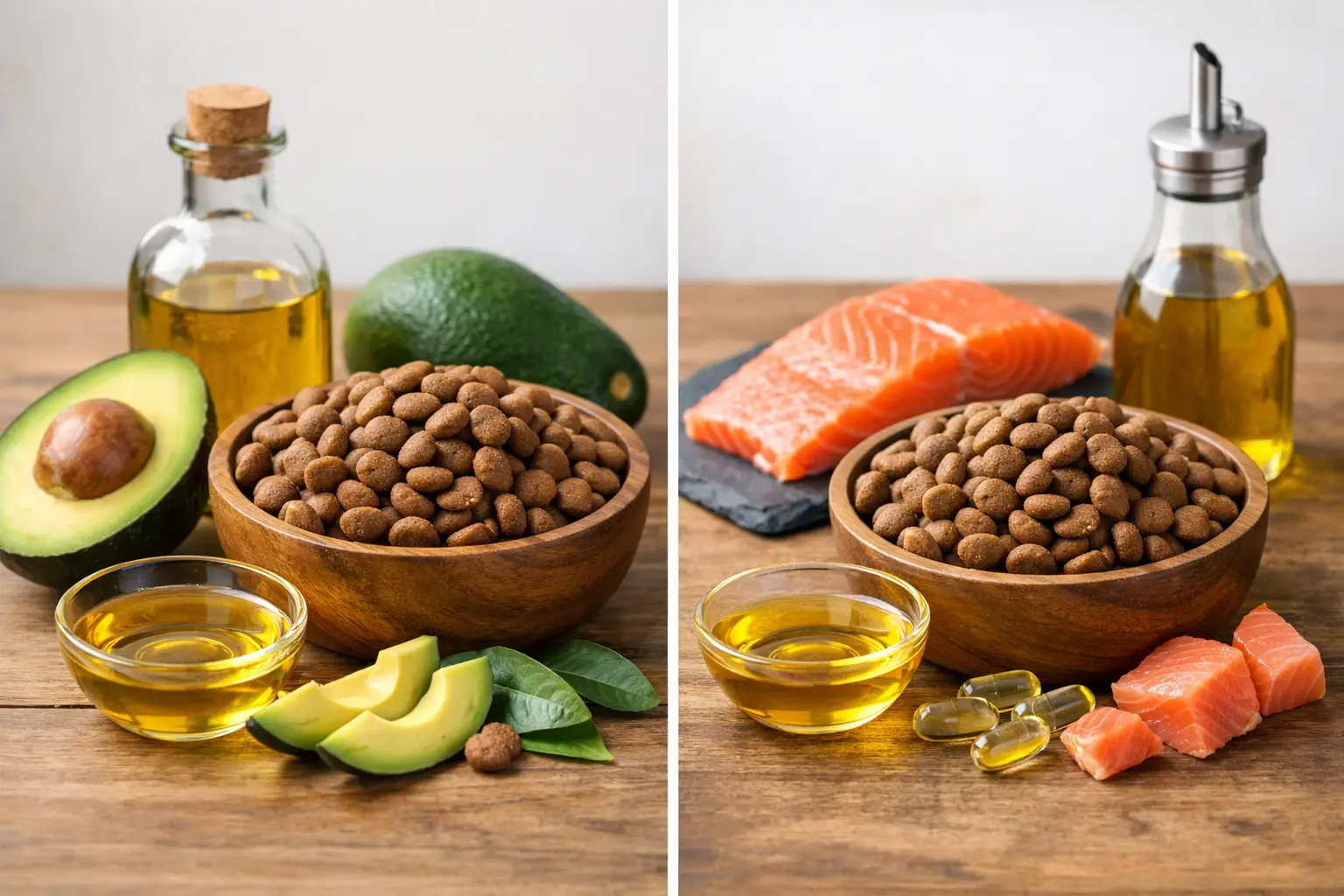
Look for identifiable fat sources, such as fish oil, chicken fat, flaxseed, or plant oils. These ingredients can contribute fatty acids that support the skin’s natural barrier and help maintain a soft, glossy coat. The exact balance matters, which is why a complete formula is more dependable than adding random oils to a bowl at home.
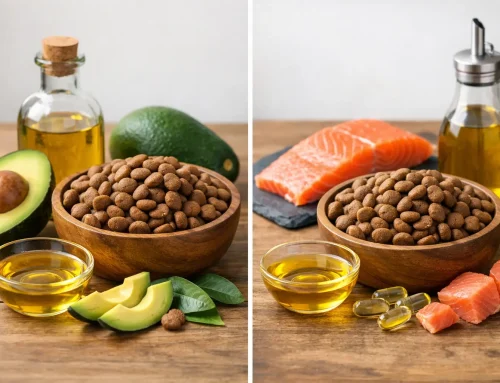
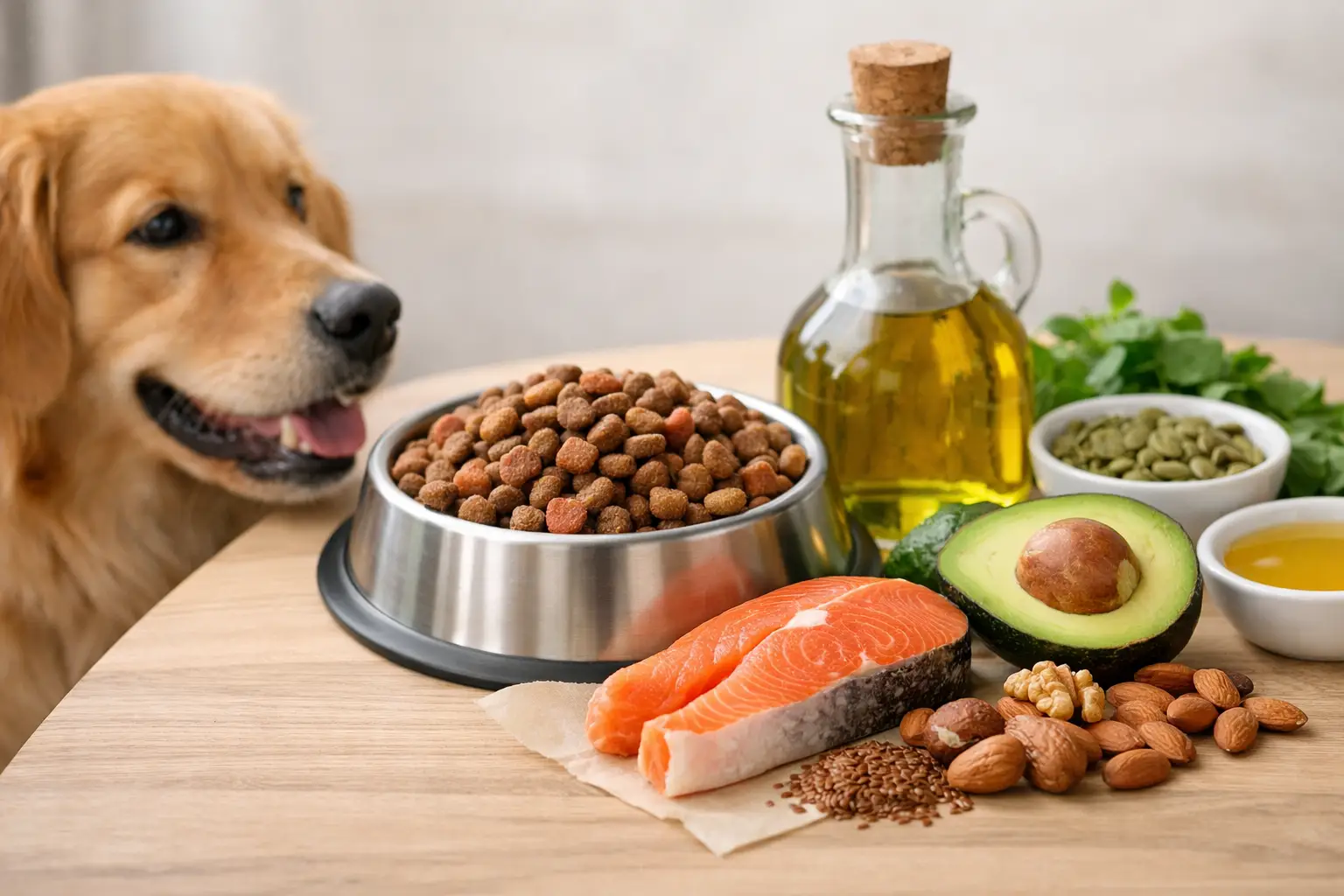
Avocado and avocado oil can also be valuable additions in carefully formulated dog food. They provide beneficial fats and nutrients that support healthy skin and a beautiful coat. AvoDerm builds its recipes around avocado as a signature superfood ingredient, pairing it with complete, balanced nutrition rather than treating it as a stand-alone fix.
That distinction matters. Do not offer your dog avocado pits, peels, or large amounts of avocado from your plate. Prepared dog food uses ingredients in controlled, appropriate formulations, while homemade sharing can introduce unnecessary safety and calorie concerns.
Carbohydrates, Fiber, and Digestion: Read the Whole Recipe
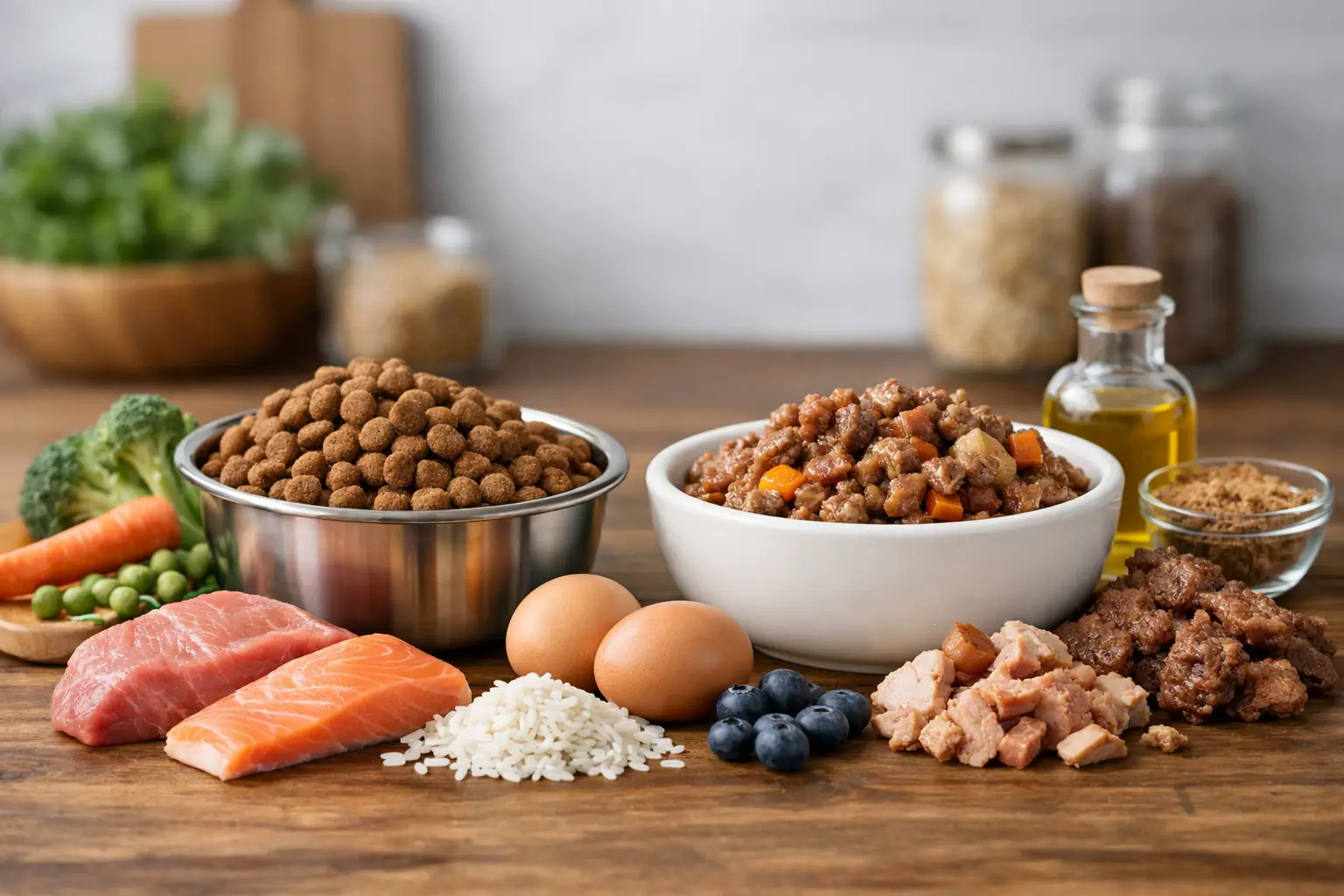
Carbohydrates are often the most debated ingredients on a dog food label. Grains, potatoes, legumes, and other plant ingredients can provide energy, fiber, and nutrients. Whether a grain-inclusive or grain-free food is right for your dog depends on the individual dog and the quality of the overall recipe, not a marketing label alone.
Whole grains such as brown rice, oatmeal, or barley can be useful sources of digestible energy and fiber for many dogs. Grain-free formulas may be a practical option for dogs with a diagnosed sensitivity to a specific grain, but grain-free does not automatically mean lower in carbohydrates or better for every pet.
Fiber deserves a closer look, too. Ingredients such as beet pulp, pumpkin, sweet potato, and certain grains can help support regular digestion when used appropriately. Too little fiber may not support stool quality for some dogs, while too much or a sudden diet change can lead to gas or loose stools. Your dog’s response is part of the comparison.
If your dog has ongoing itching, ear irritation, vomiting, or diarrhea, resist the urge to switch foods repeatedly on your own. Those signs can have many causes. A veterinarian can help determine whether a food trial or another approach makes sense.
What to Check on Every Dog Food Label
As you compare two foods, use the same simple checklist each time. It keeps flashy front-of-bag claims from overshadowing the details that matter most.
- Nutritional adequacy statement: Look for a statement that the food is complete and balanced for your dog’s life stage.
- Named protein and fat sources: Specific ingredients make it easier to understand the recipe and manage known sensitivities.
- Guaranteed analysis: Compare protein, fat, fiber, and moisture, remembering that wet and dry foods require a dry-matter comparison for a truly equal match.
- Calorie content and feeding guidance: Even an excellent formula needs portions that fit your dog’s size, activity, and body condition.
- Manufacturer transparency: Clear information about sourcing, quality practices, and where food is made can add peace of mind.
The ingredient list should be readable, but it does not need to look like your grocery list to be nutritious. Vitamins, minerals, and amino acids with scientific-sounding names are often included to ensure the food meets nutritional requirements. Their presence is not a red flag. In a complete diet, these additions help fill nutritional gaps that whole ingredients alone may not consistently cover.
Be Careful With “Free-From” Claims
“By-product-free,” “corn-free,” “soy-free,” and “no artificial colors” may be meaningful preferences for some households, but they do not tell you whether a food is nutritionally complete or right for your dog. A better comparison asks: What is included, why is it there, and how does my dog do on the formula?
For dogs with suspected food sensitivities, simpler recipes can make it easier to identify potential triggers. However, a limited-ingredient diet is not automatically hypoallergenic, and over-the-counter foods may contain trace proteins from manufacturing. If your veterinarian recommends a strict elimination diet, follow that plan closely rather than mixing in treats, toppers, or flavored medications.
Make the Switch Slowly and Watch Your Dog
Once you have chosen a food, give your dog time to adjust. A gradual transition over about seven to 10 days is often helpful. Start by mixing a small amount of the new food into the current food, then increase the new food while decreasing the old food each day.
During the transition, watch appetite, stool quality, energy, scratching, and coat condition. A little temporary digestive change can happen, but persistent vomiting, diarrhea, refusal to eat, or signs of discomfort deserve a call to your veterinarian. Keep treats and table scraps consistent while evaluating a new food so you can better understand what is influencing your dog’s response.
The best label is the one that supports your dog as a whole: a recipe with clear, purposeful ingredients; complete and balanced nutrition; and results you can see in everyday life. Let your dog’s needs lead the decision, then give a thoughtfully chosen food enough time to show what good nutrition can do.