
A shiny coat, comfortable digestion, and steady energy are often the everyday signs pet parents notice first. Natural cat food can be a thoughtful choice for supporting those visible markers of wellness, but the word “natural” alone does not tell you whether a recipe is right for your cat. The better question is whether the food delivers complete, balanced nutrition through ingredients you feel good about feeding every day.
Cats are not small dogs. They are obligate carnivores with specific nutritional needs, a natural preference for animal-based protein, and a tendency to be very particular about food changes. Choosing well means looking beyond the front of the bag and considering the whole recipe, your cat’s life stage, and the results you see in the litter box, food bowl, and coat.
What Does Natural Cat Food Mean?
In pet food, “natural” generally refers to ingredients derived from plant, animal, or mined sources that have not been produced through chemical synthesis, aside from necessary vitamins, minerals, and other nutrients. That definition can be useful, but it is not a shortcut for judging quality.
A natural recipe can still vary widely in protein sources, calorie density, texture, and suitability for a particular cat. One cat may thrive on a chicken-based dry formula, while another may do better with a fish recipe or a moisture-rich canned food. A cat with a history of digestive upset may need a slower transition or a simpler formula recommended by a veterinarian.
Think of “natural” as the beginning of your evaluation. The most nourishing choice is one that combines thoughtfully selected ingredients with nutrition formulated for cats.
Start With Complete and Balanced Nutrition
The single most helpful line on a cat food label is the nutritional adequacy statement. Look for language that says the food is complete and balanced for your cat’s appropriate life stage, such as growth, adult maintenance, or all life stages.
This matters because cats require nutrients that are not optional, including taurine, certain fatty acids, vitamins, and minerals. A recipe can feature recognizable ingredients and still fall short if it is intended only as a topper, treat, or supplemental meal. Complete and balanced food is designed to provide the foundation for daily feeding.
Life stage deserves attention, too. Kittens need concentrated nutrition to support rapid growth. Healthy adult cats generally need maintenance nutrition that supports an active, healthy body without unnecessary calories. Senior cats may have changing appetites, mobility needs, or health considerations that call for a conversation with their veterinarian.
Prioritize Animal Protein and Purposeful Fats
Because cats are carnivores, animal protein should play a central role in their diet. Look for named animal protein sources, such as chicken, salmon, turkey, or tuna, rather than relying on broad, unclear descriptions. Protein supports lean muscle and helps satisfy a cat’s biological need for meat-based nutrition.
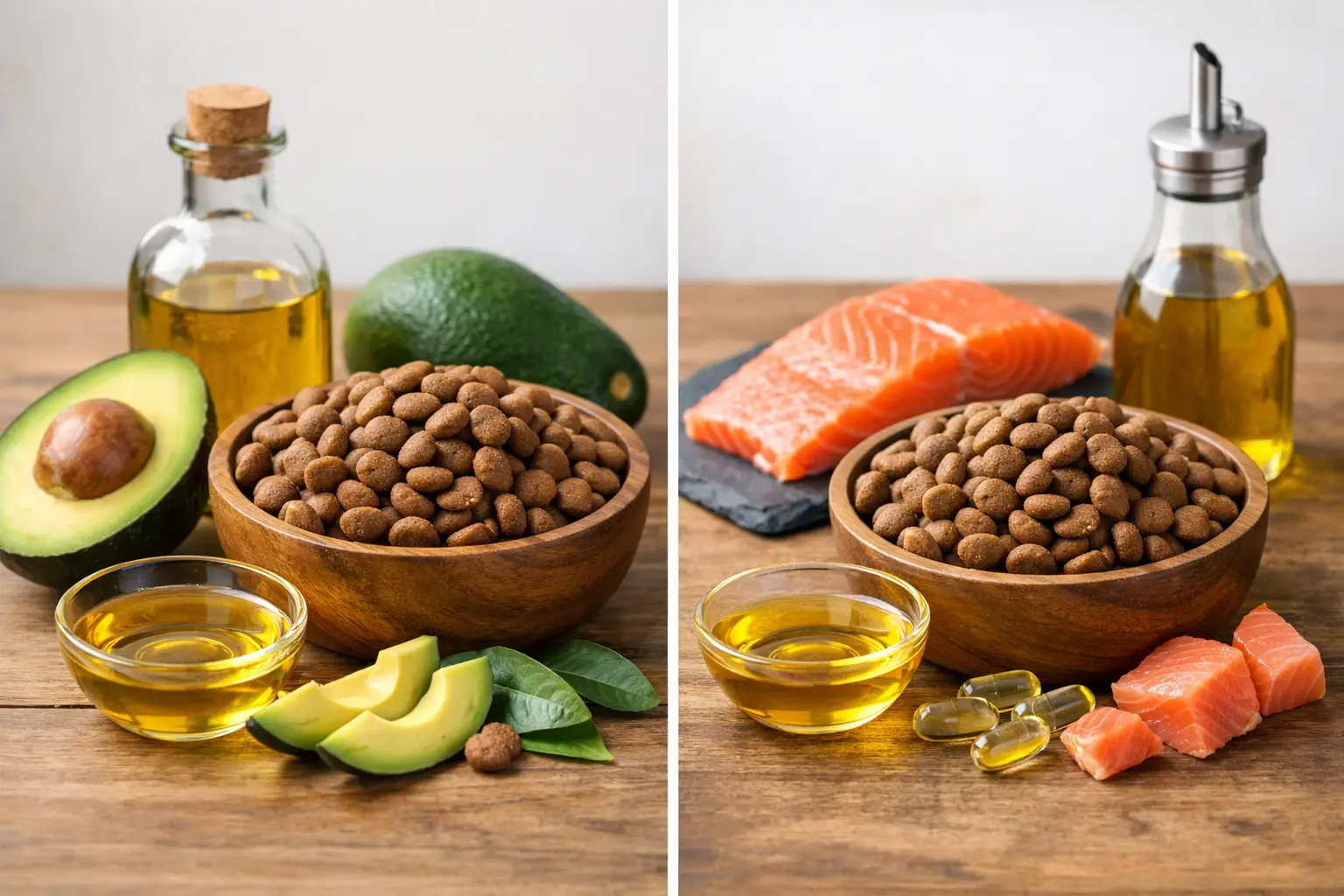
Fats matter just as much. They provide energy, help the body use certain vitamins, and support healthy skin and a beautiful coat. Omega fatty acids are especially valued by pet parents because good health often shows in a soft, glossy coat and comfortable-looking skin.
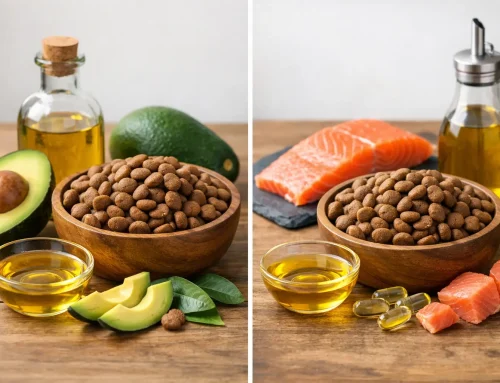
Ingredient sources can add meaningful nutritional value when they are used as part of a complete formula. Avocado and avocado oil, for example, can provide beneficial fatty acids and nutrients that support skin and coat wellness when carefully incorporated into cat food. That is very different from offering your cat avocado from your plate. Human foods may be prepared with salt, seasonings, onion, garlic, or other ingredients that do not belong in a cat’s bowl.
AvoDerm builds its recipes around the nutritional benefits of avocado, pairing this signature ingredient with complete and balanced nutrition for everyday feeding.
Look at the Whole Recipe, Not One Hero Ingredient
A long ingredient list is not automatically better, and a short list is not automatically gentler. What matters is the purpose behind the ingredients and how they work together. Protein, fat, fiber, vitamins, minerals, and moisture all have a role to play.
For example, fiber can support regular digestion, but the ideal amount differs from cat to cat. A recipe with more fiber may be helpful for one cat’s stool quality, while another may do best with a different balance. Similarly, recipes with limited ingredients can be useful for cats with suspected food sensitivities, but they are not necessary for every cat.
If your cat has ongoing itching, frequent vomiting, loose stool, weight changes, or reduced appetite, do not assume a food switch will solve the issue. Those signs can have many causes. Your veterinarian can help identify whether nutrition, an underlying health condition, or another factor should be addressed.
Dry, Wet, or Both?
Natural cat food comes in dry and wet formats, and either can fit into a healthy feeding routine. The best choice depends on your cat’s preferences, hydration habits, health needs, and your household routine.
Dry food is convenient, easy to portion, and can work well for cats who enjoy a crunchy texture. Wet food provides more moisture, which can be especially appealing for cats that drink little water. Many pet parents choose a mixed-feeding approach, serving measured dry food alongside wet meals to offer texture variety and added moisture.
There is no single format that suits every cat. The key is to feed the right daily amount for your cat’s body condition and activity level, rather than letting convenience set the portion size. A measuring cup and consistent schedule can make a meaningful difference over time.
How to Read a Natural Cat Food Label With Confidence
You do not need a nutrition degree to become a more confident label reader. Start by checking that the food is complete and balanced for your cat’s life stage. Then review the primary ingredients, identify the named protein sources, and consider whether the recipe fits your cat’s individual needs.
The guaranteed analysis can offer a useful snapshot of protein, fat, fiber, and moisture, but it does not tell the full story on its own. Dry and wet foods contain very different amounts of water, so percentages on the label are not always directly comparable. Your veterinarian can help you make sense of nutrition details if your cat has a medical condition or needs a specific diet.
Also consider the manufacturer’s approach. Brands that communicate clearly about sourcing, quality standards, and how their food is made give pet parents more information to evaluate. Transparency cannot replace nutritional adequacy, but it can help build confidence in the food you bring home.
Switch Foods Slowly for a Happier Transition
Even a high-quality recipe can cause digestive discomfort if a cat changes foods too quickly. Cats appreciate routine, and their digestive systems do, too. Plan to transition over roughly seven to 10 days, starting with a small amount of the new food mixed into the current food and gradually increasing it.
Watch your cat during the transition. A good fit may show up as eager eating, normal stool, steady energy, and a healthy-looking coat over time. If your cat refuses food for a full day, repeatedly vomits, develops diarrhea, or seems uncomfortable, pause the transition and contact your veterinarian.
Picky cats may need extra patience. Serving wet food at room temperature, offering smaller fresh portions, or maintaining a predictable mealtime can encourage interest without turning every meal into a negotiation. Avoid making frequent, rapid changes unless your veterinarian advises it.
Match the Food to the Cat in Front of You
The right natural cat food is not defined by a trendy ingredient or a dramatic promise. It is the food your cat enjoys, digests comfortably, and receives in the right amount, while providing complete and balanced nutrition for daily life.
Pay attention to the small signs: a coat that feels soft, consistent litter box habits, bright interest in play, and a body condition your veterinarian is happy with. Those everyday details can guide you toward a feeding routine that supports your cat for the long run.