
A dull coat, flaky skin, or frequent scratching can make treat time feel more complicated than it should. The best dog treats for skin support do more than taste great: they complement your dog’s everyday nutrition with ingredients that help nourish the skin barrier and support that soft, healthy-looking coat you love to see.
Treats are not a cure for every skin concern, and they should never replace a complete and balanced diet. Still, choosing them with the same care you give your dog’s food can be a meaningful part of a skin-and-coat-focused routine.
What Makes the Best Dog Treats for Skin Support?
A dog’s skin is a protective barrier. It helps keep moisture in and environmental irritants out, while the coat provides another layer of protection. Because skin and fur are constantly growing and renewing, they rely on consistent nutrition – not a one-time fix.
The most helpful skin-supporting treats are made with purposeful ingredients and are easy for your dog to digest. Look beyond front-of-package claims and consider the whole recipe: its fat sources, protein choices, calorie level, and whether it fits your dog’s individual sensitivities.
A treat can be a smart addition to a wellness plan, particularly for dogs who already eat a quality diet. But if a dog is intensely itchy, has red or broken skin, recurring ear trouble, bald patches, or a sudden coat change, call your veterinarian. Fleas, environmental allergies, infections, and medical conditions can all affect the skin, and they need more than a new snack.
Omega fatty acids support skin and coat health
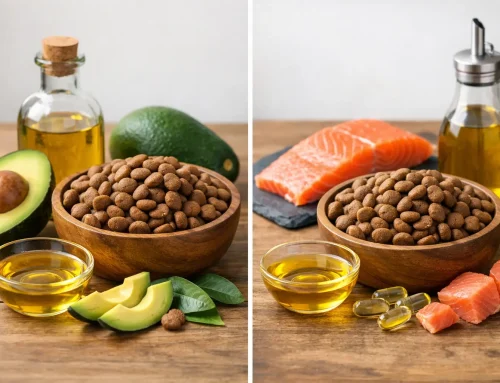
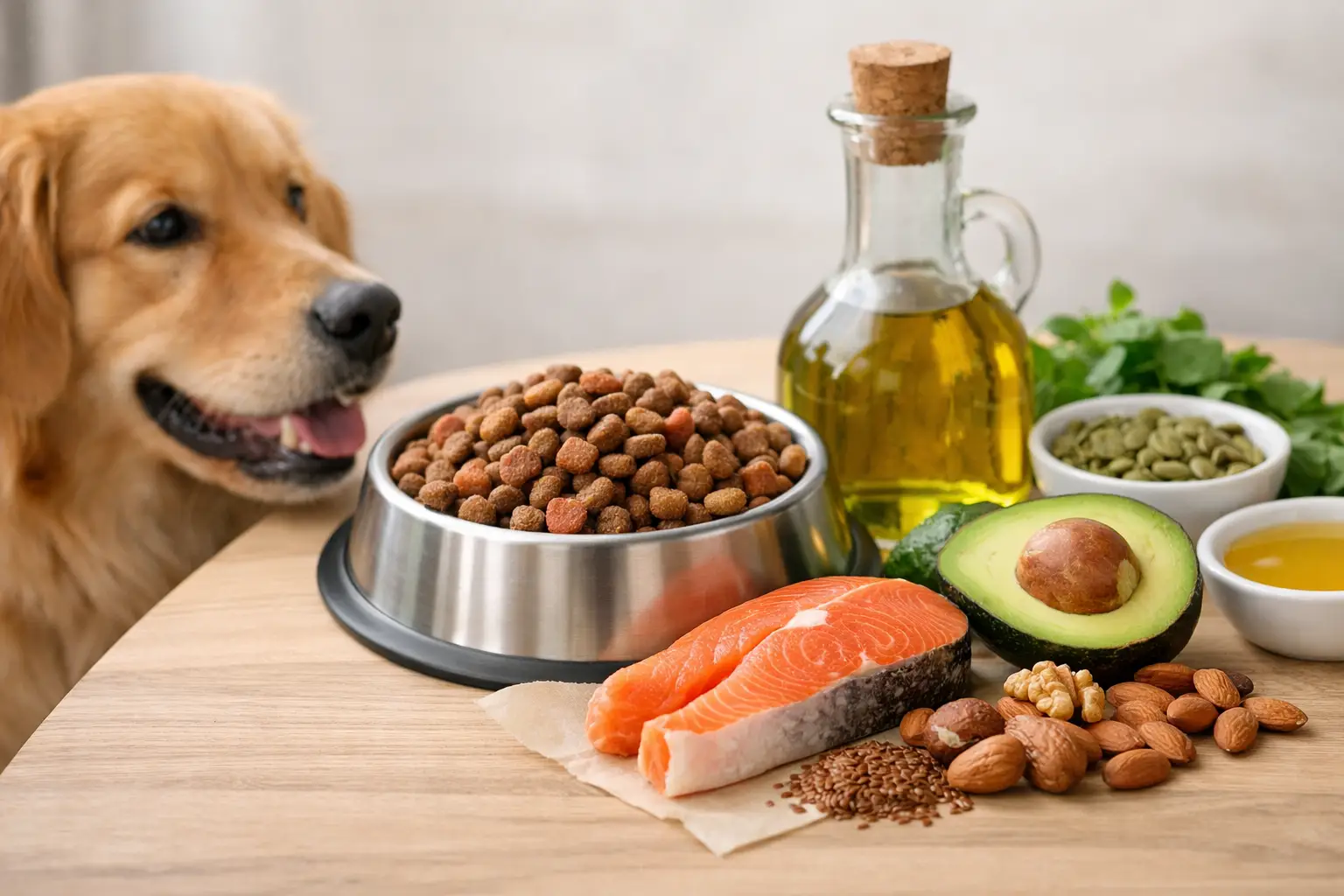
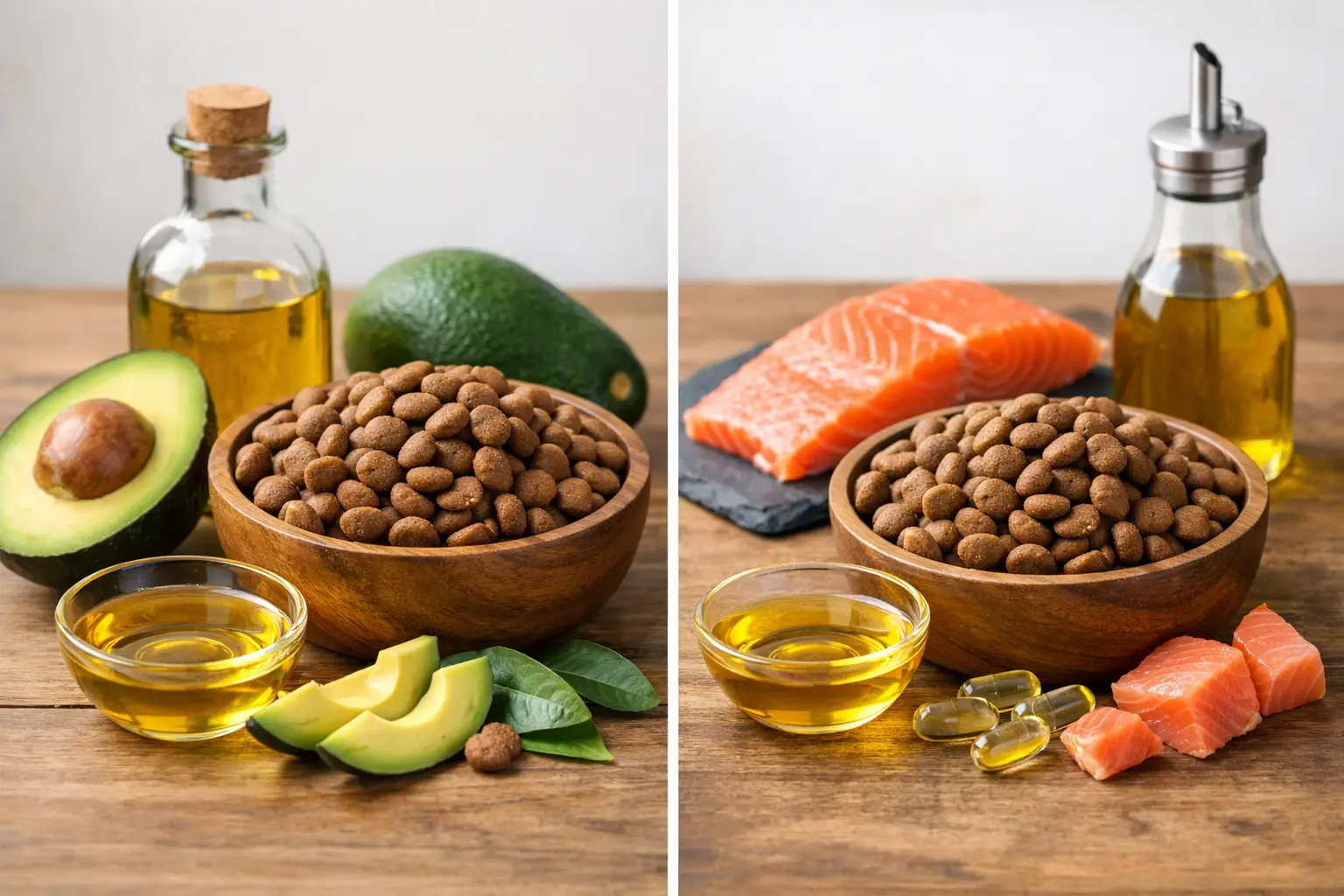
Omega-3 and omega-6 fatty acids are among the nutrients pet parents most often seek for skin support. In the right dietary balance, these fats help support normal skin function and a glossy coat. Fish oil, flaxseed, and plant-based oils can contribute beneficial fatty acids, though the best choice depends on the complete formula and your dog’s needs.
Avocado and avocado oil are also naturally rich sources of nourishing fats. When used appropriately in dog food and treats, avocado ingredients can support healthy skin and a beautiful coat while adding a distinctive, wholesome ingredient to the recipe. AvoDerm builds its approach to pet nutrition around these omega-rich avocado benefits.
Quality protein matters, too
Skin and hair are built from protein. A treat with a named animal protein, such as chicken, turkey, lamb, or salmon, can be a sensible choice for many dogs. The ideal protein is not the same for every dog, however. If your dog has a known food sensitivity, avoid guessing and choose treats that align with the protein plan recommended by your veterinarian.
For some dogs, a shorter ingredient list makes it easier to identify what they tolerate. For others, variety is perfectly fine. The goal is not to chase the longest list of superfoods. It is to offer a treat your dog enjoys, digests well, and can eat consistently as part of a balanced routine.
Vitamins and antioxidants round out the recipe
Vitamin E, zinc, and other essential nutrients play roles in normal skin health. Fruits and vegetables can also provide naturally occurring antioxidants, which help support overall wellness. That said, a treat is only a supplement to the nutrition your dog receives from their main food.
Be cautious about treating a snack like a nutritional shortcut. A treat packed with fashionable ingredients but loaded with extra calories, heavy seasonings, or unnecessary fillers may not be the best everyday choice. Simple, purposeful nutrition tends to go a long way.
How to Choose Skin-Supporting Treats for Your Dog
Start with the ingredient panel, then consider how the treat fits into your dog’s whole day. Premium treats should feel like an extension of the care you already put into their bowl.
First, look for recognizable ingredients and a clear protein source. Next, check the calorie count. Even healthy treats add up quickly, especially for small dogs or dogs who are less active. A good rule is to keep treats and extras to about 10% or less of your dog’s total daily calories, unless your veterinarian gives you different guidance.
Texture matters as well. Crunchy biscuits can be satisfying for dogs who enjoy a crisp bite, while soft treats may be easier for seniors, puppies, or dogs with dental concerns. For training, choose small pieces or break larger treats into tiny rewards. Frequent reinforcement does not require frequent full-size treats.
If your dog has a sensitive stomach or a history of food reactions, introduce one new treat at a time. Offer a small amount for several days and watch for changes in stool quality, itching, ears, or skin. This slower approach gives you a clearer picture of what works for your dog.
Ingredients to Be Thoughtful About
Not every ingredient is a problem for every dog, but certain choices deserve a closer look. Treats high in calories can contribute to unwanted weight gain, which may affect your dog’s overall comfort and mobility. Rich treats may also be difficult for dogs with sensitive digestion.
Avoid products containing ingredients that are known to be unsafe for dogs, including chocolate, xylitol, grapes, raisins, onions, and garlic. It is also wise to skip heavily salted people foods and fatty table scraps, even when your dog makes a persuasive case from beneath the dinner table.
For dogs with suspected food allergies, remember that grain-free is not automatically the answer, and a limited ingredient recipe is not automatically hypoallergenic. True food sensitivities require a thoughtful process, often with veterinary guidance. Choosing a treat that matches your dog’s established diet can help keep that process simple.
Treats Work Best With Everyday Skin Care
Nutrition is one piece of the skin-support puzzle. Regular grooming helps you notice early changes such as dandruff, redness, hot spots, or parasites. Consistent flea and tick prevention, fresh water, and a diet formulated for complete and balanced nutrition all help create the foundation for healthy skin.
Bathing can help some dogs, but too much bathing or the wrong shampoo can dry the skin. Use a dog-specific product and ask your veterinarian what schedule makes sense for your dog’s coat, lifestyle, and skin condition. Dogs who swim often, roll in the yard, or have naturally oily coats may need a different routine than a short-haired indoor dog.
Seasonal changes can matter, too. Dry indoor heat may leave skin looking flaky in winter, while pollen and grass can trigger itchiness during warmer months. A gradual shift toward more scratching is worth tracking. Note when it happens, where your dog licks or scratches, and whether it follows walks, meals, grooming, or a new product at home.
When a Treat Is Not Enough
A healthy coat often reflects good overall care, but visible skin issues deserve attention when they persist. Make a veterinary appointment if your dog develops sores, a strong odor, swelling, oozing, repeated ear infections, sudden hair loss, or nonstop itching. These signs can point to issues that require targeted treatment.
Bring the treat bag, food label, and any supplements you use to the appointment. Ingredient details can help your veterinarian assess whether a food reaction is possible and recommend the next step. If a diet trial is needed, consistency matters – even a few unplanned snacks can make results harder to interpret.
The right treat should make your dog feel included in the good-health routine, not complicate it. Choose a thoughtfully made option with skin-friendly nutrition, serve it in sensible portions, and let every reward support the happy, comfortable dog behind that beautiful coat.