
A dull coat, recurring tummy trouble, and a dog who seems less enthusiastic at mealtime can make every scoop feel like a bigger decision. Natural dog food benefits matter because the right daily nutrition supports far more than hunger – it helps nourish the skin, fuel playtime, and provide the building blocks for lasting wellness.
For pet parents, “natural” should not mean chasing a trend or expecting one ingredient to fix every concern. It means looking closely at what is in the bowl, how those ingredients work together, and whether the food is complete and balanced for your dog’s life stage. When those pieces line up, good health has a way of showing.
What Does Natural Dog Food Really Mean?
Natural dog food generally starts with recognizable ingredients and avoids certain artificial flavors, colors, or preservatives, depending on the formula. But the word natural alone is not a complete measure of quality. A dog food still needs to provide balanced protein, fats, carbohydrates, vitamins, and minerals in amounts that support everyday health.
That is why the full recipe matters. A thoughtfully made natural formula uses purposeful ingredients rather than relying on a long list of extras to create appeal. Look for a named animal protein, nourishing fats, fiber sources that support digestion, and a nutritional adequacy statement showing the food is complete and balanced for your dog’s intended life stage.
Natural food is also not automatically the right choice simply because it sounds wholesome. Dogs have individual needs. A highly active dog may need more calorie density, while a dog with a sensitive stomach may do better with a simpler formula and a gradual transition. Your veterinarian can help when symptoms are persistent, severe, or new.
Natural Dog Food Benefits You May See Every Day
The best changes are often practical ones. While every dog responds differently, consistent nutrition can support visible and feel-good benefits over time.
Healthy skin and a beautiful coat
Skin and coat are among the first places pet parents notice nutrition at work. Your dog’s skin is a protective barrier, and their coat needs adequate protein and essential fatty acids to stay soft, glossy, and resilient. Diet cannot solve every cause of itching or shedding, but a balanced food with quality fats can support normal skin function and coat condition.
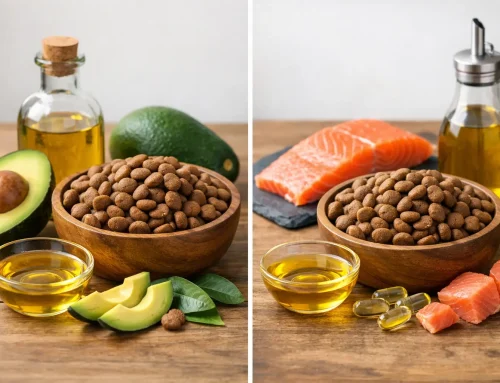
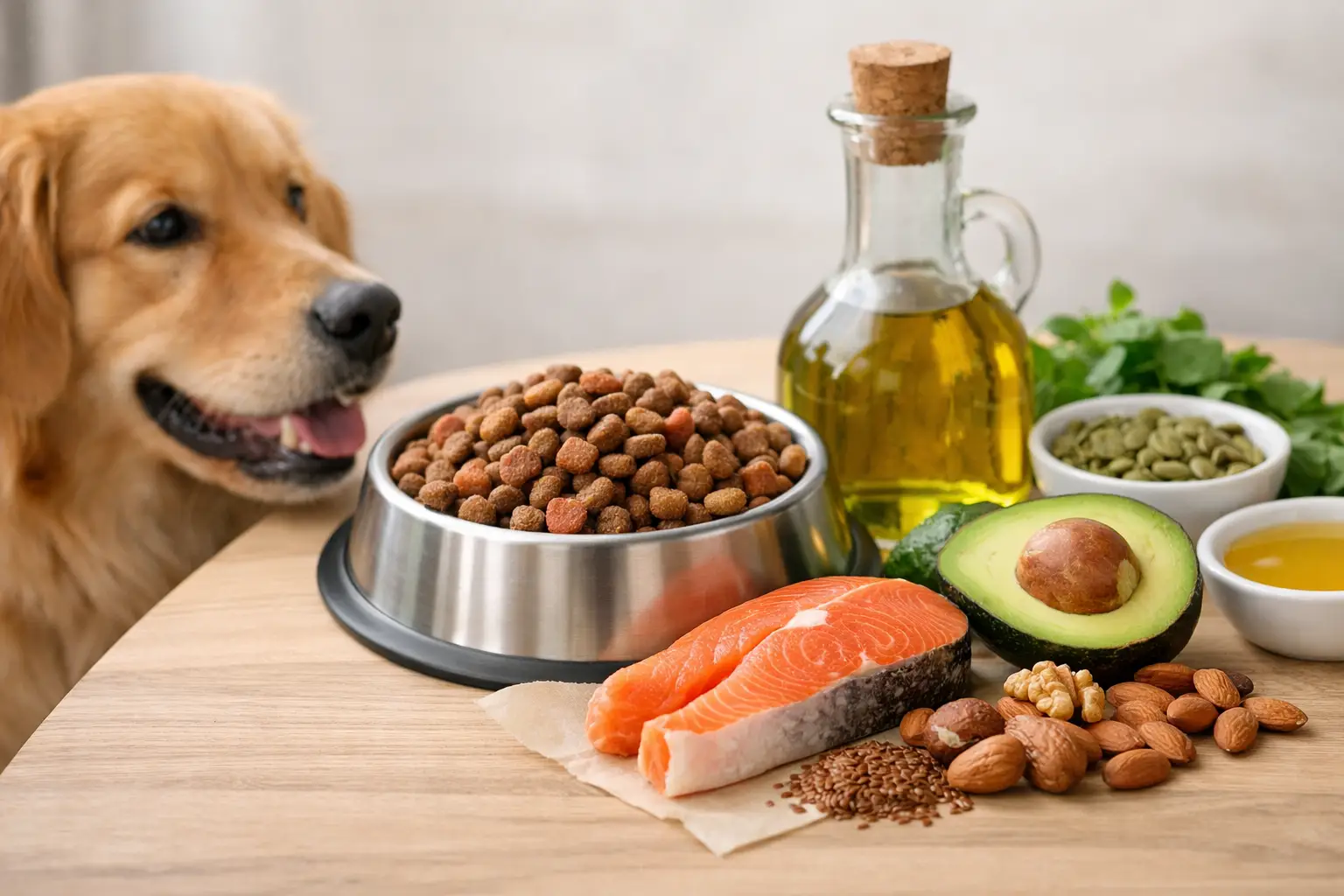
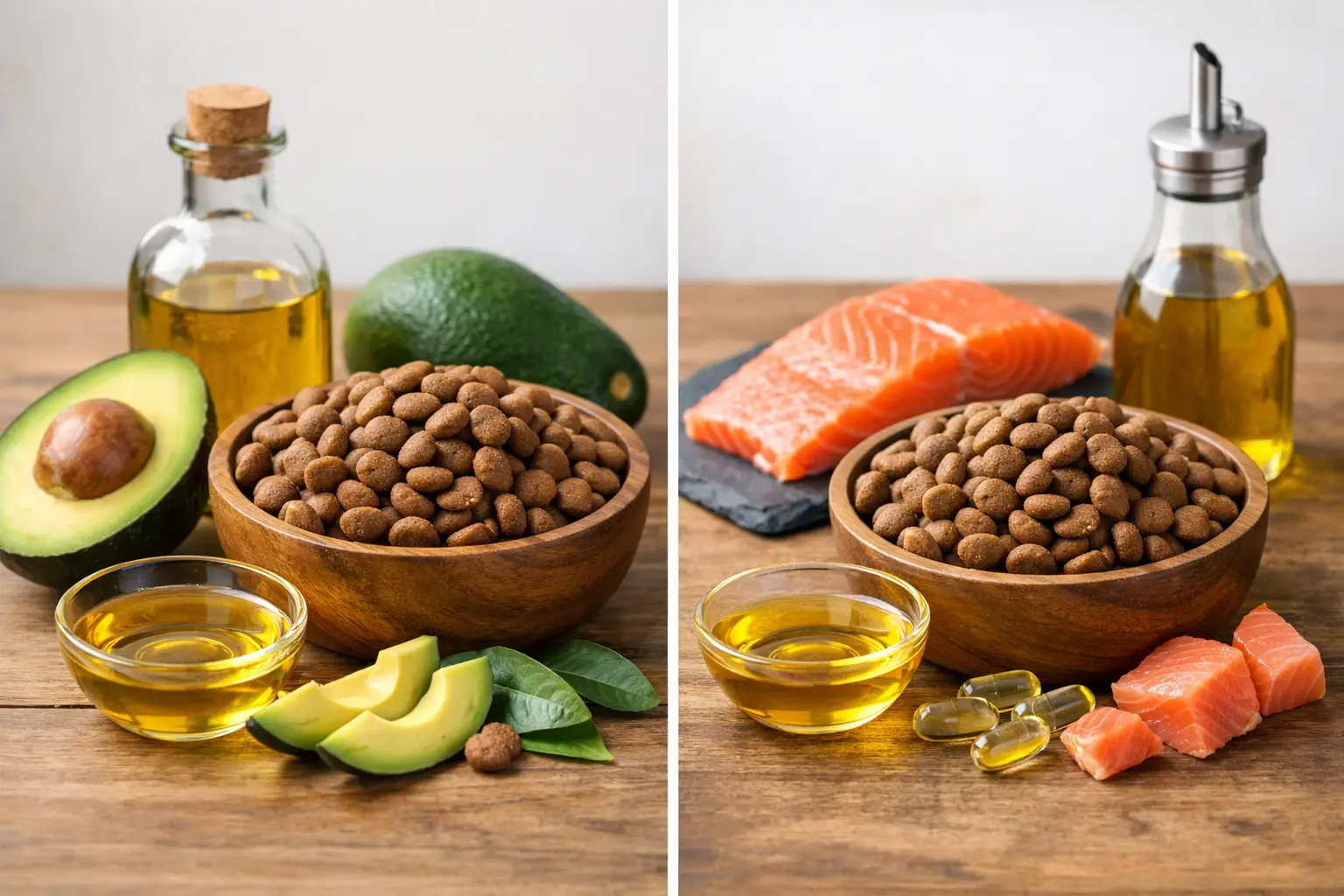
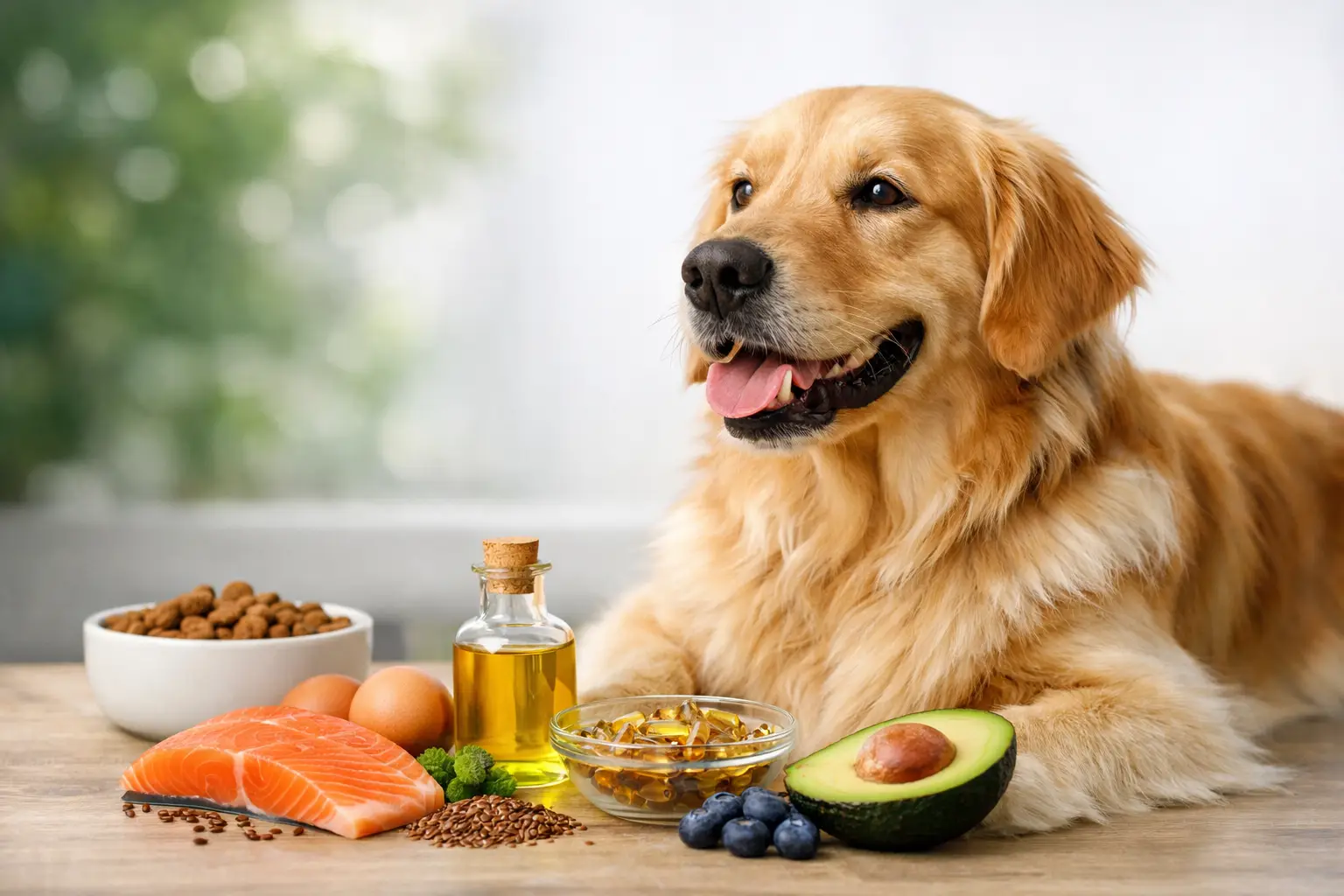
Omega fatty acids are especially valuable here. They help support the skin’s natural moisture barrier and can contribute to a coat with a healthy shine. Avocado and avocado oil provide naturally occurring beneficial fats, making them a distinctive addition to a thoughtfully formulated dog food. AvoDerm builds its nutrition around this avocado-powered approach to help support healthy skin and a beautiful coat from the inside out.
It is worth being patient. Hair growth and skin renewal take time, so coat changes are rarely overnight. Give an appropriate new food several weeks, unless your dog develops concerning digestive or skin symptoms.
Digestive comfort and more predictable stools
A dog’s digestive system tends to appreciate consistency. Natural formulas with quality ingredients and appropriate fiber can help support regular digestion, which may show up as stools that are easier to pick up and a dog who feels comfortable after meals.
Fiber is not a one-size-fits-all ingredient. Too little may not support regularity, while too much or a sudden change can cause gas or loose stools. The goal is a well-formulated recipe that provides the right overall balance, plus a transition plan that gives your dog’s gut time to adjust.
Steady energy for the life they love
Dogs need energy for far more than zoomies. Energy supports walks, training, play, normal body functions, and recovery after activity. A complete food combines protein, fat, and carbohydrates in a way that helps meet those daily needs without asking you to piece together a diet on your own.
Protein supports lean muscle maintenance, while fats provide concentrated energy and help the body use certain nutrients. The right calorie level depends on your dog’s size, age, activity, and body condition. Even an excellent natural food should be portioned with care, because excess calories can add up quickly for a less active dog.
Support for ingredient-conscious households
When a dog has occasional digestive sensitivity or you suspect a food ingredient is not agreeing with them, a simple, transparent recipe can make feeding decisions less stressful. Natural food may make it easier to understand what you are serving, especially when the ingredient list names its protein sources and avoids unnecessary additions.
Still, “natural” is not the same as hypoallergenic. Dogs can react to common proteins and plant ingredients, including ingredients that are otherwise nutritious. If your dog has repeated ear irritation, itching, vomiting, diarrhea, or skin infections, work with your veterinarian rather than changing foods repeatedly. A guided food trial is often the clearest way to identify a true food sensitivity.
How to Choose a Natural Food That Delivers
Start with the nutrition, not the front-of-bag promise. Read the ingredient list, but also check the guaranteed analysis, feeding guidance, and nutritional adequacy statement. A quality formula should make it clear who it is made for, such as adult maintenance or growth, and provide a dependable foundation for daily feeding.
Consider your dog’s personal needs next. Puppies need nutrition designed for growth. Adult dogs may need support for a healthy weight and everyday vitality. Senior dogs may benefit from a formula that matches changing calorie needs while still providing quality protein. A dog with a history of digestive upset may do best with a familiar protein and a more measured transition.
Pay attention to fat sources as well as protein. Fats are not something to fear in a balanced diet. They are essential for energy, nutrient absorption, and skin and coat health. What matters is the formula’s overall balance and the portion you feed.
Finally, choose a brand that gives you reason to feel confident about how its food is made. Clear ingredient information, quality standards, and transparent manufacturing practices help turn a package claim into a feeding decision you can trust.
A Quick Word About Avocado and Dogs
Pet parents often ask whether avocado belongs in a dog’s diet. The answer depends on the form. You should not offer your dog avocado pits, which are choking and obstruction hazards, or let them chew the skin. Rich table scraps can also upset sensitive stomachs.
However, avocado and avocado oil used in carefully formulated dog food are different from sharing guacamole or leftover avocado toast. A complete dog food is designed with appropriate ingredients and nutrient levels for dogs, rather than being a human food served without context. As with any new recipe, introduce it gradually and watch your dog’s response.
Make the Switch Slowly
Even a great new food can cause temporary digestive upset when introduced too quickly. Plan for a transition of about seven to 10 days, mixing the new food into the current food and increasing the new portion gradually. A dog with a sensitive stomach may need an even slower schedule.
Begin with roughly 25% new food and 75% old food for a few days. Move to a half-and-half blend, then about 75% new food, before feeding the new recipe on its own. Keep treats and other changes consistent during this time so you can better understand how your dog is doing.
Watch for normal signs of adjustment, such as minor stool changes, but pause and consult your veterinarian if your dog has persistent diarrhea, vomiting, marked itching, or refuses food. The best natural food is one that supports your individual dog comfortably and consistently.
A better bowl does not need to be complicated. Choose a complete, balanced recipe with purposeful ingredients, feed the right portion, and give your dog time to thrive on it. Those everyday choices can help support the bright eyes, comfortable skin, happy appetite, and beautiful coat that make caring for them so rewarding.