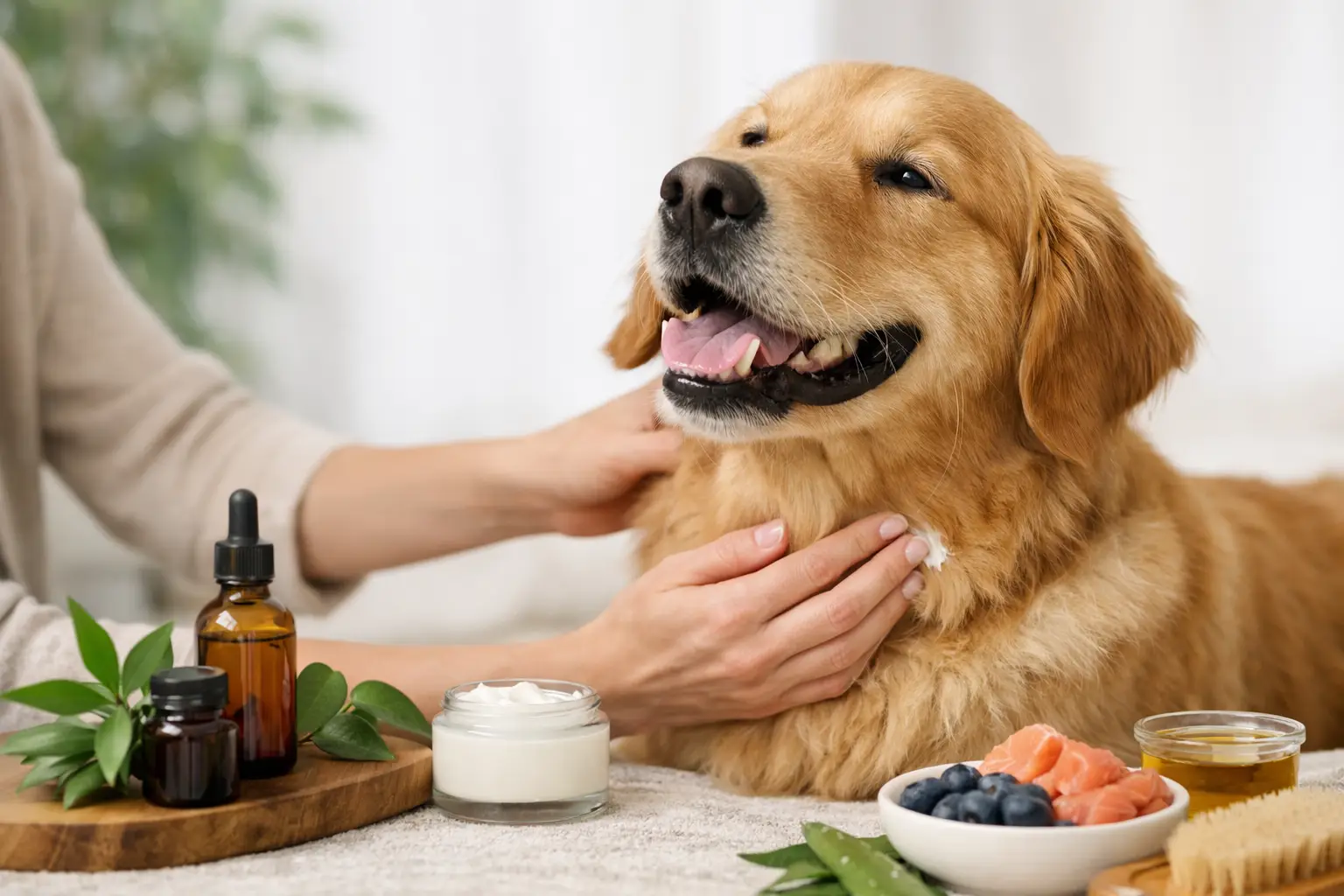
A dull coat, dry flakes on the couch, or a dog who cannot stop scratching can make everyday life uncomfortable for both of you. Learning how to support dog skin naturally starts with looking beyond a quick topical fix. Skin is the body’s largest organ, and its condition often reflects what is happening with nutrition, digestion, grooming, and the environment.
A healthy skin-care routine for dogs does not need to be complicated. Consistent meals made with purposeful ingredients, gentle care, and prompt attention to new symptoms can help support comfortable skin and the beautiful coat that comes with good health.
How to Support Dog Skin Naturally From the Inside Out
Your dog’s food is one of the most meaningful places to begin. Skin cells are constantly renewing themselves, and they need quality protein, essential fatty acids, vitamins, and minerals to do that work well. When a diet falls short on key nutrients, the coat may look dry or lackluster, while the skin may feel less comfortable.
Protein provides amino acids that help maintain the skin barrier and grow a strong coat. Look for a complete and balanced dog food with an identifiable animal protein source, suited to your dog’s life stage and daily needs. A food formulated for sensitive skin or food sensitivities may be helpful for some dogs, but it is not automatically the right answer for every itch.
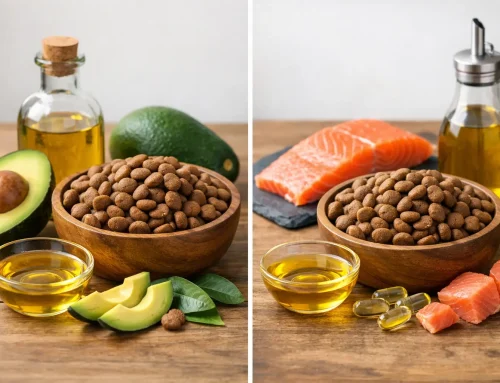
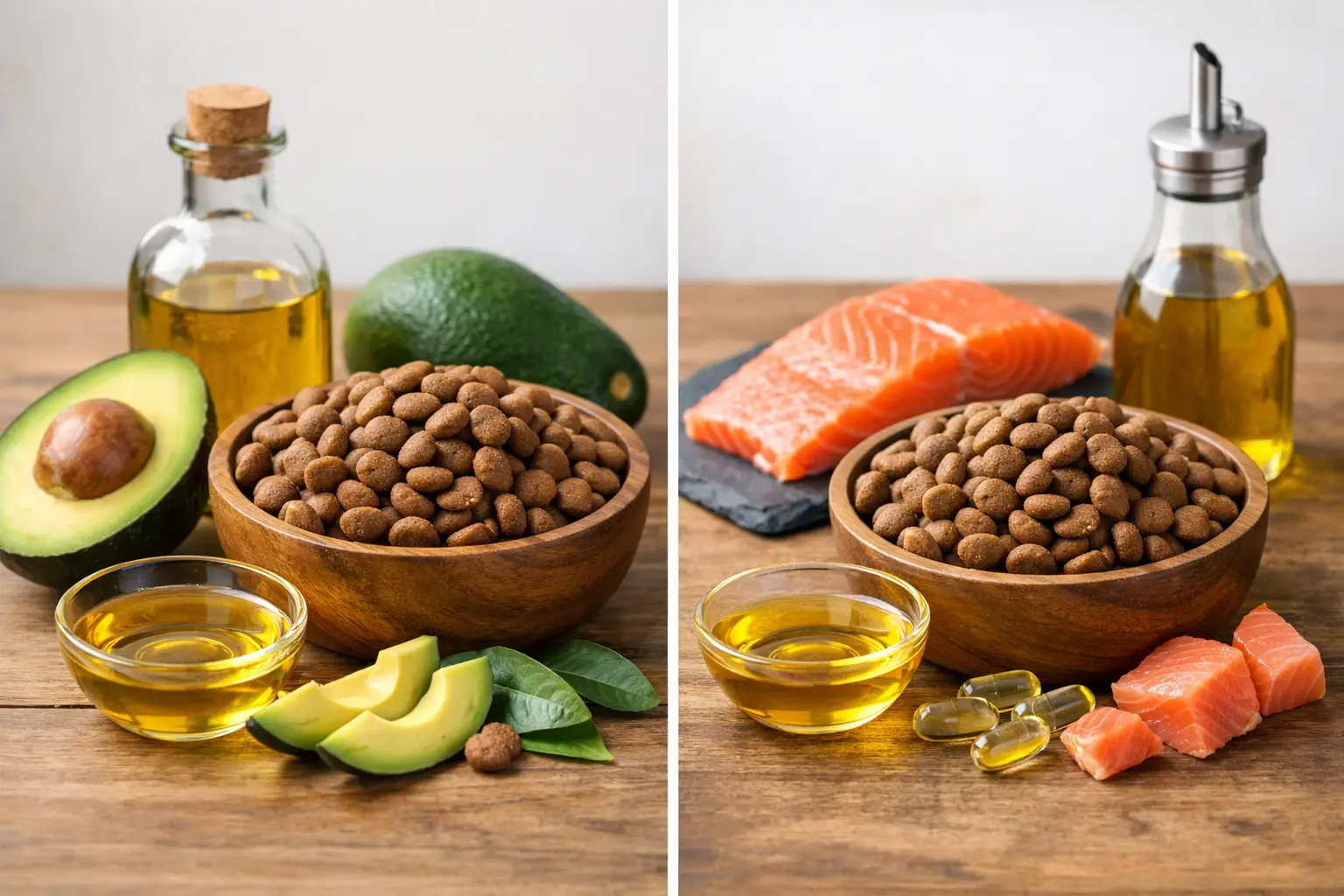
Healthy fats matter, too. Omega-3 and omega-6 fatty acids help nourish skin and support a glossy coat. They work best as part of a balanced diet, rather than as a random addition after problems appear. Avocado and avocado oil are naturally rich in beneficial fats and nutrients, which is why they are signature ingredients in thoughtfully formulated foods like AvoDerm. The key is the complete recipe and careful formulation, not simply adding a trendy ingredient to the bowl.
If you are considering a fish oil or other fatty-acid supplement, talk with your veterinarian first. More is not always better. Extra fat can add significant calories, upset sensitive stomachs, and may not be appropriate for dogs with certain health conditions.
Make food changes slowly
A sudden food switch can cause digestive upset, and digestion and skin health are closely connected. If your veterinarian recommends a new food, transition over roughly seven to 10 days by gradually increasing the new food while decreasing the previous food. Dogs with especially sensitive digestion may need a slower transition.
During the switch, watch for changes in stool quality, appetite, scratching, ear irritation, or paw licking. This creates a clearer picture of how your dog is responding. Changing food, shampoo, treats, and supplements all at once makes it much harder to identify what is helping or what may be causing trouble.
Give the Skin Barrier Gentle, Consistent Care
Dog skin is more delicate than human skin, so human shampoos, fragrances, and home remedies can do more harm than good. A gentle, dog-specific shampoo is usually the best choice for routine baths. How often your dog needs one depends on coat type, lifestyle, and skin condition.
A dog who rolls in mud after every hike may need more frequent baths than a dog who mostly naps indoors. Still, bathing too often or using a harsh cleanser can strip natural oils and leave skin feeling dry. For many dogs, bathing when they are visibly dirty or odorous, rather than on a rigid schedule, is a sensible approach.
Brush your dog regularly, especially if they have a thick, long, or double coat. Brushing removes loose hair, distributes natural oils, and gives you a chance to check for flakes, scabs, redness, fleas, ticks, or tender spots. It also prevents mats, which can trap moisture and pull on the skin.
After baths, swims, or rainy walks, dry your dog thoroughly. Pay extra attention to skin folds, under the collar, between the toes, and around the ears. Warm, damp areas can become irritated quickly, particularly in dogs with wrinkles or dense coats.
Look Closely at Everyday Irritants
Not every skin issue begins in the food bowl. Seasonal pollen, grass, dust, fleas, cleaning products, and even scented laundry detergent on bedding can contribute to itchy skin in some dogs. You do not have to eliminate every possible trigger at once. Start with the easy, low-risk changes that improve your dog’s environment.
Wash bedding regularly with a fragrance-free detergent, vacuum areas where your dog sleeps, and wipe paws and legs with a clean damp cloth after walks during high-pollen seasons. Keep a reliable, veterinarian-recommended flea prevention routine in place. A single flea bite can create major discomfort in a dog with flea allergy dermatitis.
Pay attention to patterns. Does your dog lick their paws after walking through a particular park? Does itching increase in spring or after a trip to the groomer? A simple note on your phone can help you spot a connection that might otherwise be missed.
Be cautious with DIY treatments
Natural does not always mean gentle or safe. Essential oils, concentrated apple cider vinegar, and heavily scented balms can irritate dog skin or be harmful if licked. Even ingredients that sound mild may be a poor fit for broken, inflamed, or infected skin.
For minor dryness, your veterinarian may suggest a dog-safe moisturizing product or medicated shampoo based on the cause. That recommendation is more useful than experimenting with kitchen remedies, especially when your dog is already uncomfortable.
Support a Healthy Weight and Daily Hydration
Maintaining a healthy body condition supports your dog’s whole-body wellness, including skin and coat. Dogs carrying extra weight may have more skin folds, reduced ability to groom certain areas, and more friction in places where skin rubs together. Measure meals when possible, count treats as part of the daily calorie budget, and choose activity that suits your dog’s age and mobility.
Fresh, clean water should always be available. Hydration alone will not cure dry skin, but water supports normal body functions and pairs naturally with a nutrient-rich diet. If your dog is drinking much more or less than usual, mention it to your veterinarian, particularly if it comes with changes in appetite, energy, or coat condition.
Know When It Is Time for Veterinary Care
A little seasonal shedding is normal. Persistent itching, however, is a signal worth taking seriously. Skin concerns can be connected to parasites, allergies, bacterial or yeast overgrowth, hormonal changes, pain, or dietary sensitivities. These problems often look similar at first, which is why a proper diagnosis matters.
Schedule a veterinary visit if your dog has ongoing scratching, chewing, redness, hair loss, scabs, a strong odor, recurrent ear issues, open sores, or a sudden change in coat quality. Seek care promptly if the skin is swollen, bleeding, painful, or spreading quickly. Your veterinarian can determine whether nutrition changes are appropriate and help you avoid spending weeks trying solutions that do not address the real cause.
Natural support works best when it is steady and thoughtful: a complete diet, healthy fats, gentle grooming, a clean environment, and close attention to what your dog is telling you. With those daily habits in place, you are giving their skin and coat the everyday care they deserve.