
When a cat starts scratching more, leaves food in the bowl, or has unpredictable litter box habits, mealtime can quickly become a source of worry. Natural food for sensitive cats can be a thoughtful next step, but the right choice is more than a short ingredient list. Your cat needs a recipe that is gentle on their individual system while still delivering the complete, balanced nutrition they need as a true carnivore.
Sensitivity support is rarely about finding one magic ingredient. It is about choosing a consistent, nourishing food with purposeful protein, dependable quality, and no unnecessary surprises. With a little label know-how and a patient transition, you can help make every bowl feel better for your cat.
What Does Food Sensitivity Look Like in Cats?
Food sensitivity can show up differently from one cat to the next. Some cats experience digestive discomfort, including soft stool, vomiting, gas, or changes in appetite. Others may show skin-related signs, such as frequent scratching, irritated skin, recurrent ear issues, or a coat that has lost some of its usual shine.
These signs do not automatically mean food is the cause. Parasites, dental pain, stress, infections, seasonal allergens, and underlying medical conditions can all affect how your cat feels and looks. If symptoms are severe, persistent, or accompanied by weight loss, lethargy, repeated vomiting, or a refusal to eat, call your veterinarian promptly. Cats can become seriously ill when they do not eat for even a short period.
When your veterinarian agrees that diet may be contributing, a simple, carefully selected recipe can help you identify whether your cat does better with a different nutritional approach.
Natural Food for Sensitive Cats Starts With Complete Nutrition
“Natural” is a useful starting point, not the whole decision. A natural recipe should still be formulated to provide complete and balanced nutrition for your cat’s life stage. Cats have specific nutritional needs that cannot be met by a homemade bowl of meat or by a food chosen only because it sounds wholesome.
Look for a nutritional adequacy statement on the package indicating the food is complete and balanced for maintenance, growth, or all life stages as appropriate for your cat. This matters because cats require nutrients such as taurine, arachidonic acid, preformed vitamin A, and certain B vitamins in the right amounts. A good sensitive-cat food supports comfort without asking your cat to compromise on essential daily nutrition.
A clearly named animal protein is also a practical place to start. Chicken, turkey, salmon, duck, or another identified protein gives you a better sense of what is in the recipe than vague ingredient descriptions. The best protein for your cat depends on their history. A cat who has eaten chicken happily for years may do well continuing with it, while another may benefit from a recipe featuring a protein they have not eaten often.
Ingredients That Support a More Comfortable Bowl
Sensitive cats often do best when the food and feeding routine are easy to keep consistent. That does not mean every cat needs a limited-ingredient diet, nor does it mean grain-free is automatically better. The goal is to choose ingredients with a clear role in the recipe and avoid making several diet changes at once.
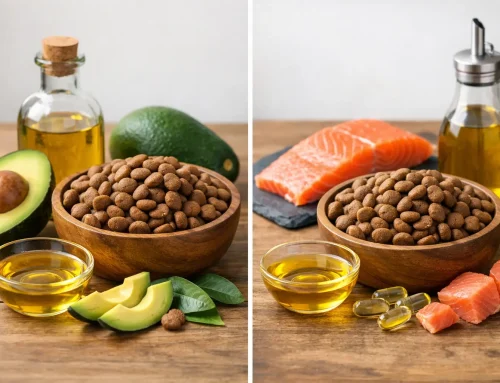
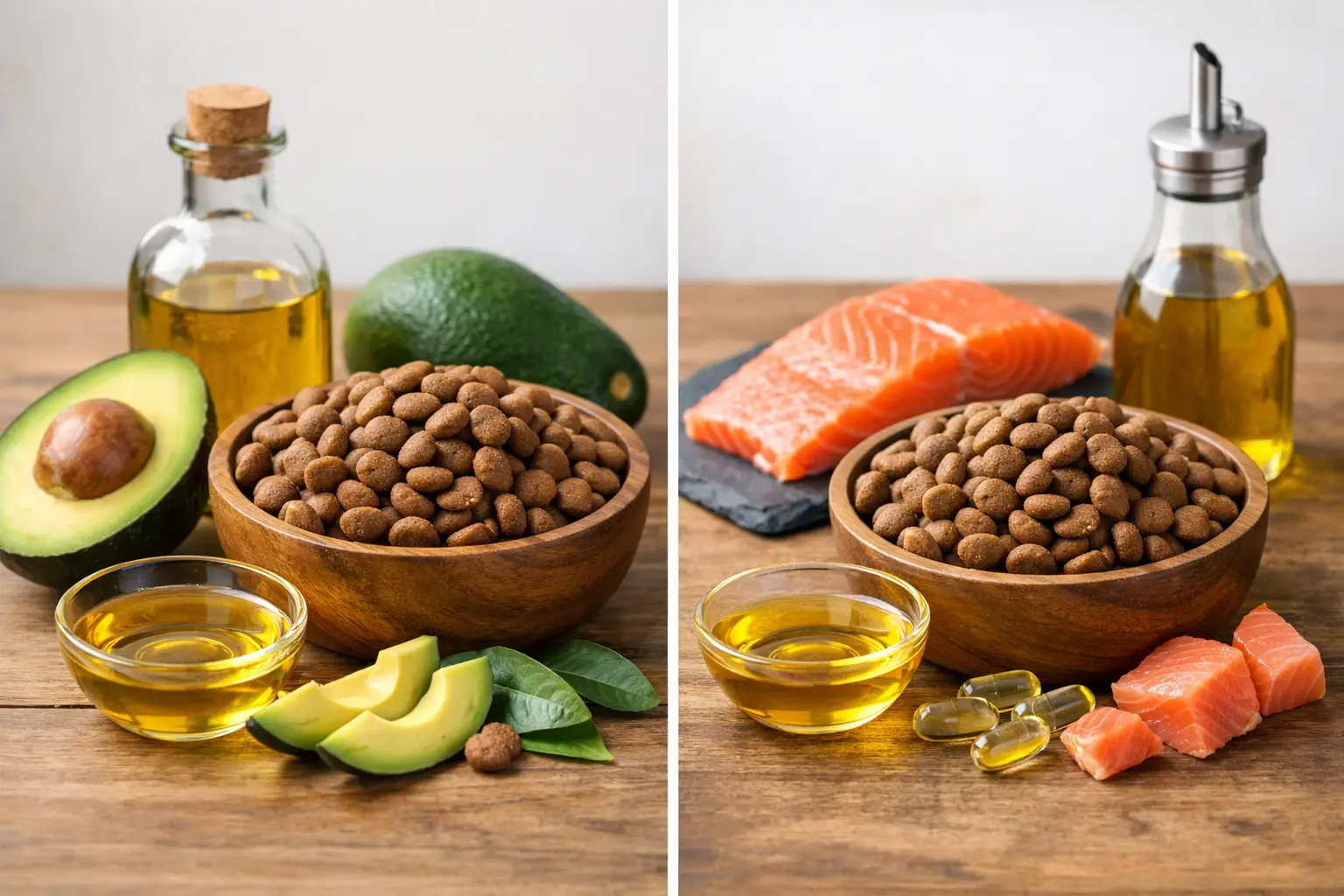
Quality fats are especially valuable because they provide energy and help support healthy skin and a soft, beautiful coat. Omega fatty acids can be part of that support. In thoughtfully formulated cat food, avocado and avocado oil can contribute beneficial fatty acids alongside other carefully chosen ingredients. AvoDerm recipes are designed around this avocado-based nutritional approach while providing complete and balanced daily nutrition.
That is very different from offering avocado straight from your kitchen. Do not share avocado pit, peel, leaves, or heavily seasoned avocado dishes with your cat. The pit is a choking and blockage hazard, and rich human foods can upset a sensitive digestive system. A professionally formulated food is the safer way to offer nutrition designed for cats.
Fiber also deserves a closer look. The right amount and type can support normal digestion, but more is not always better for a carnivore. A recipe should use fiber thoughtfully, rather than relying on it to crowd out the animal-based nutrition your cat needs.
How to Read a Sensitive-Cat Food Label
The front of a bag can help you narrow your options, but the label tells the fuller story. Start with the ingredient list, then look at the guaranteed analysis and feeding guidance. Consider the recipe as a whole rather than judging it by one trendy ingredient.
When comparing options, pay attention to these four details:
- An identified animal protein that suits your cat’s needs and feeding history.
- A complete and balanced statement for your cat’s current life stage.
- Purposeful sources of fatty acids to support skin and coat health.
- A recipe you can feed consistently, with a flavor and texture your cat will actually enjoy.
Palatability is not a minor detail. Even the most carefully designed recipe cannot help if your cat will not eat it. Wet food can be especially appealing for some cats and contributes moisture to the diet, while dry food can offer everyday convenience. Many cats enjoy a combination of both, as long as portions are adjusted to maintain a healthy body condition.
Make the Switch Slowly
A sensitive stomach may react to a fast food change even when the new recipe is an excellent fit. Give your cat time to adjust by mixing the new food with their current food over seven to 10 days. Start with a small amount of the new food, then gradually increase it while decreasing the old food.
Watch for changes in stool, appetite, energy, scratching, and coat condition. Keep treats, toppers, and table scraps to a minimum during the transition. If you change the main food, treats, and feeding schedule all at once, it becomes much harder to understand what is helping or causing discomfort.
Some cats need a slower transition, particularly if they have had digestive upset before. If stool softens or vomiting occurs, return to the last ratio your cat tolerated and hold there for a few days. Contact your veterinarian if symptoms continue or worsen.
When an Elimination Diet May Be Needed
If your cat has ongoing symptoms and a food sensitivity is strongly suspected, your veterinarian may recommend a formal elimination diet trial. This is more structured than simply trying several foods from the pet store. It usually involves feeding a specific diet exclusively for a set period and avoiding all other foods, flavored medications, treats, and supplements unless your veterinarian approves them.
The discipline matters. A small bite of another food can make the results unclear. While it can take patience, a veterinarian-guided trial is often the most reliable way to learn whether a particular ingredient is truly a problem for your cat.
Do not rely on at-home sensitivity tests to diagnose food allergies. Their results can be difficult to interpret and may lead to unnecessary ingredient restrictions. Your veterinarian can help you distinguish between a suspected food reaction and other common causes of itching or digestive trouble.
Support Sensitivity With Everyday Habits
Food is central, but it works best alongside steady routines. Feed measured portions, keep fresh water available, and avoid frequent flavor hopping unless there is a clear reason to change foods. For cats that eat mostly dry food, adding veterinarian-approved wet food can be one way to support hydration.
A calm eating area can help, too. Multi-cat homes sometimes create stress around bowls, which may look like finicky eating or digestive upset. Give cats space to eat without competition, and clean bowls regularly so every meal starts fresh.
Your cat does not need a complicated menu to thrive. They need a food that is complete, appealing, and made with ingredients chosen for a purpose, plus the time to settle into a routine. With careful observation and guidance from your veterinarian when needed, you can turn a sensitive-cat feeding plan into a daily act of comfort and care.