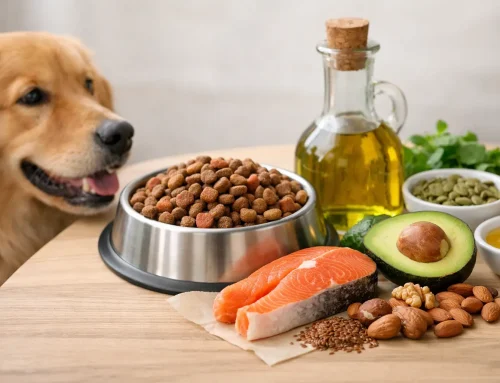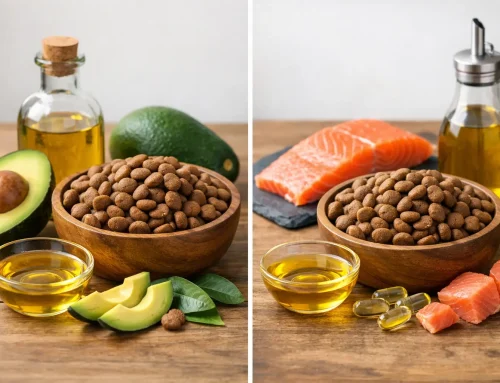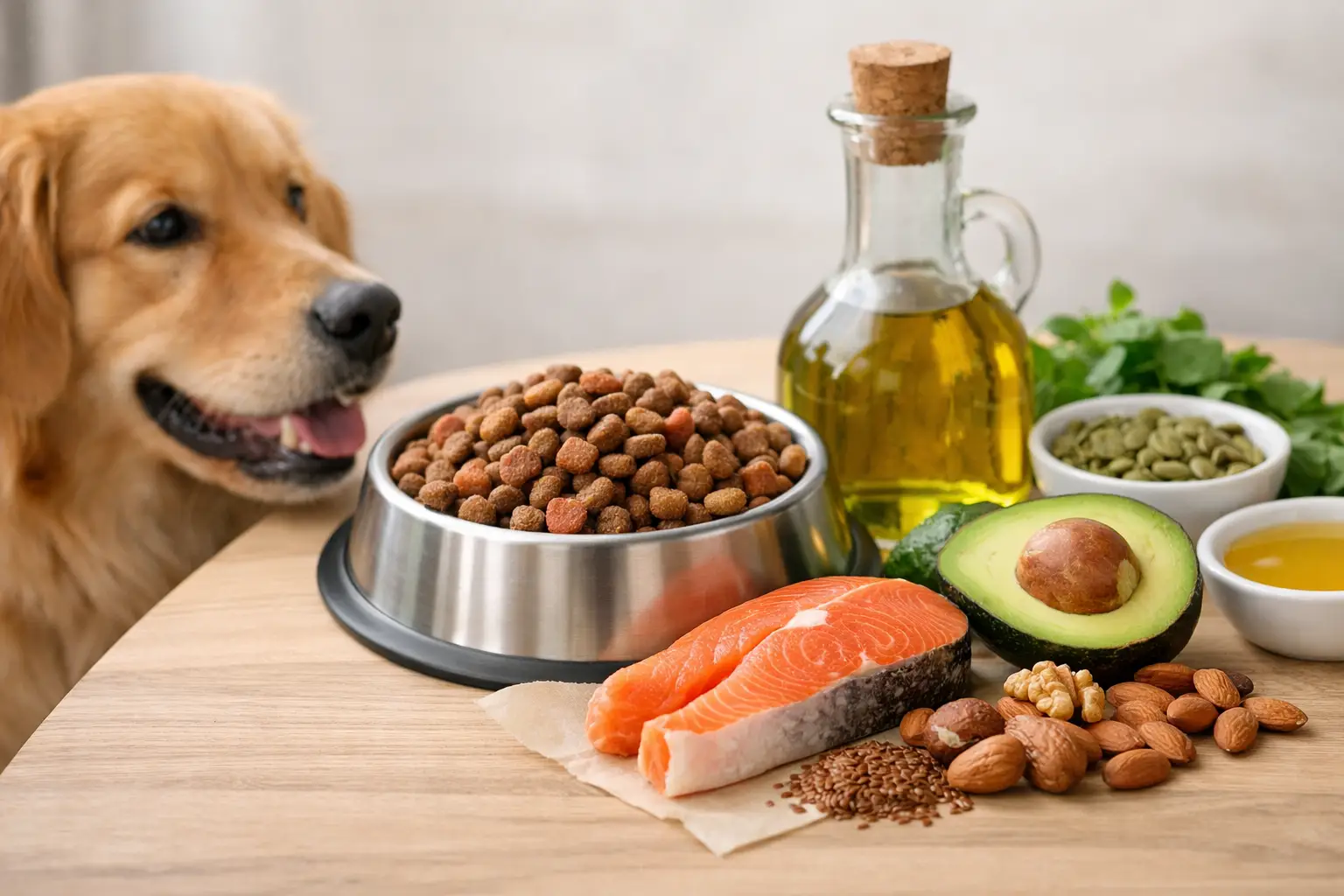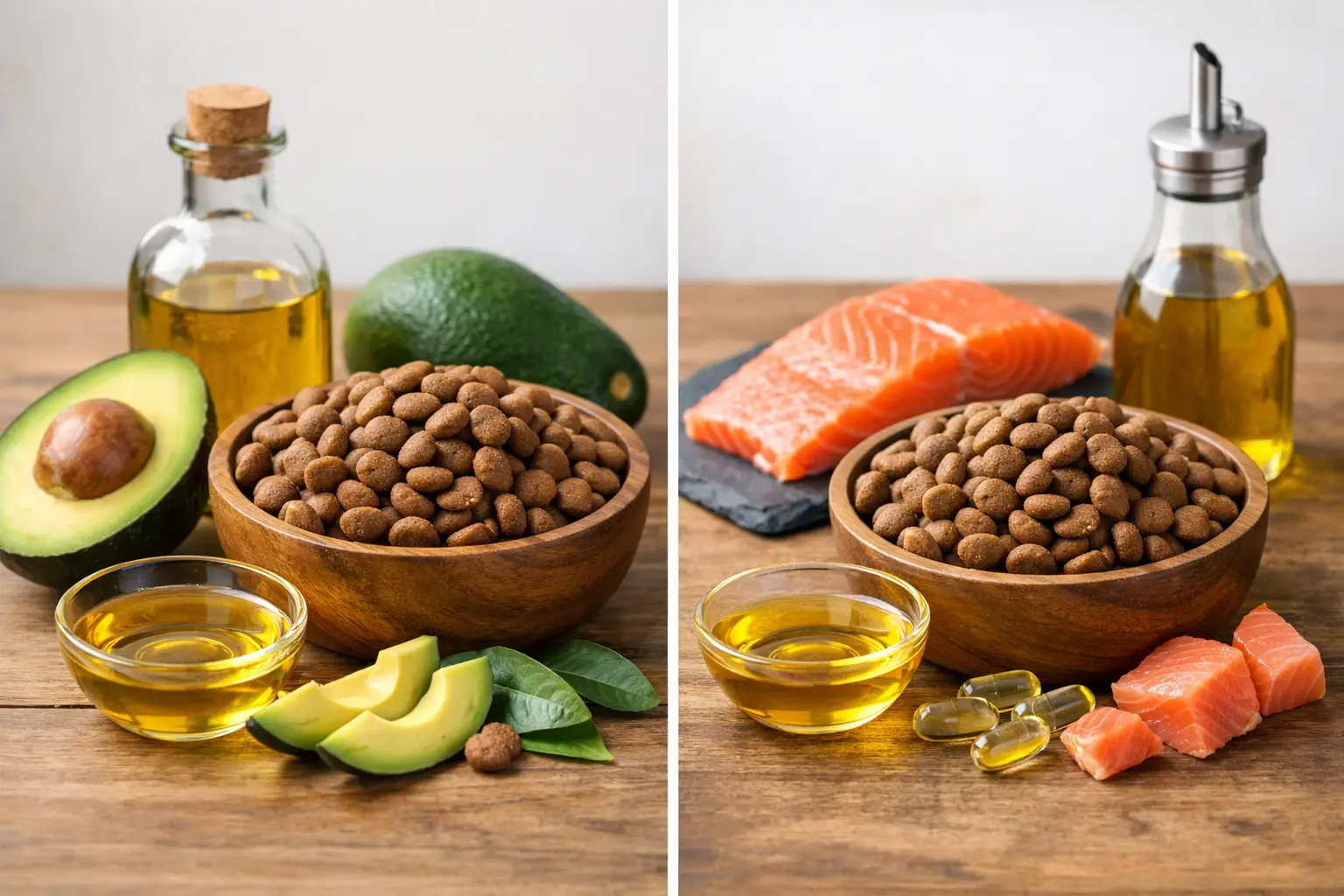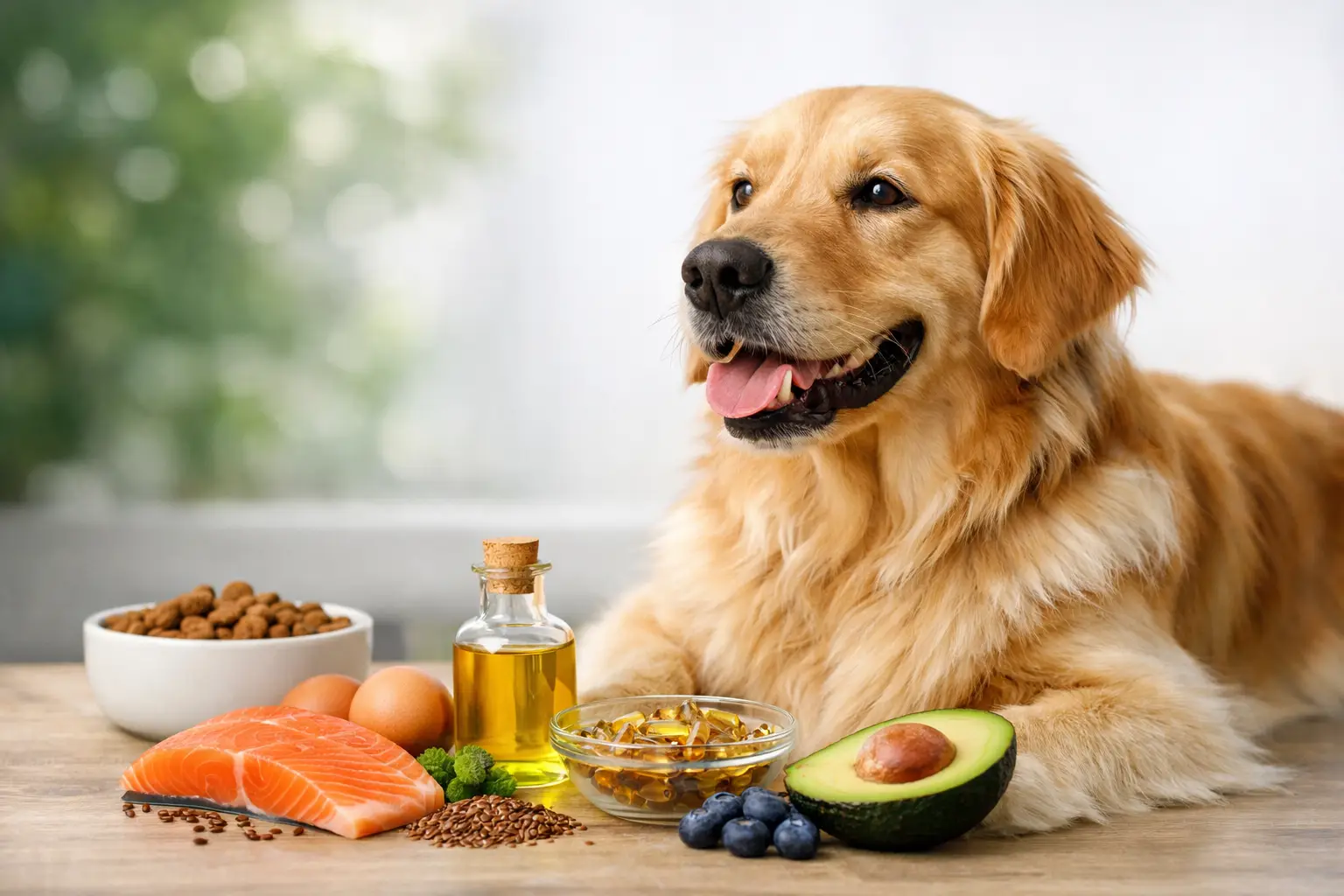
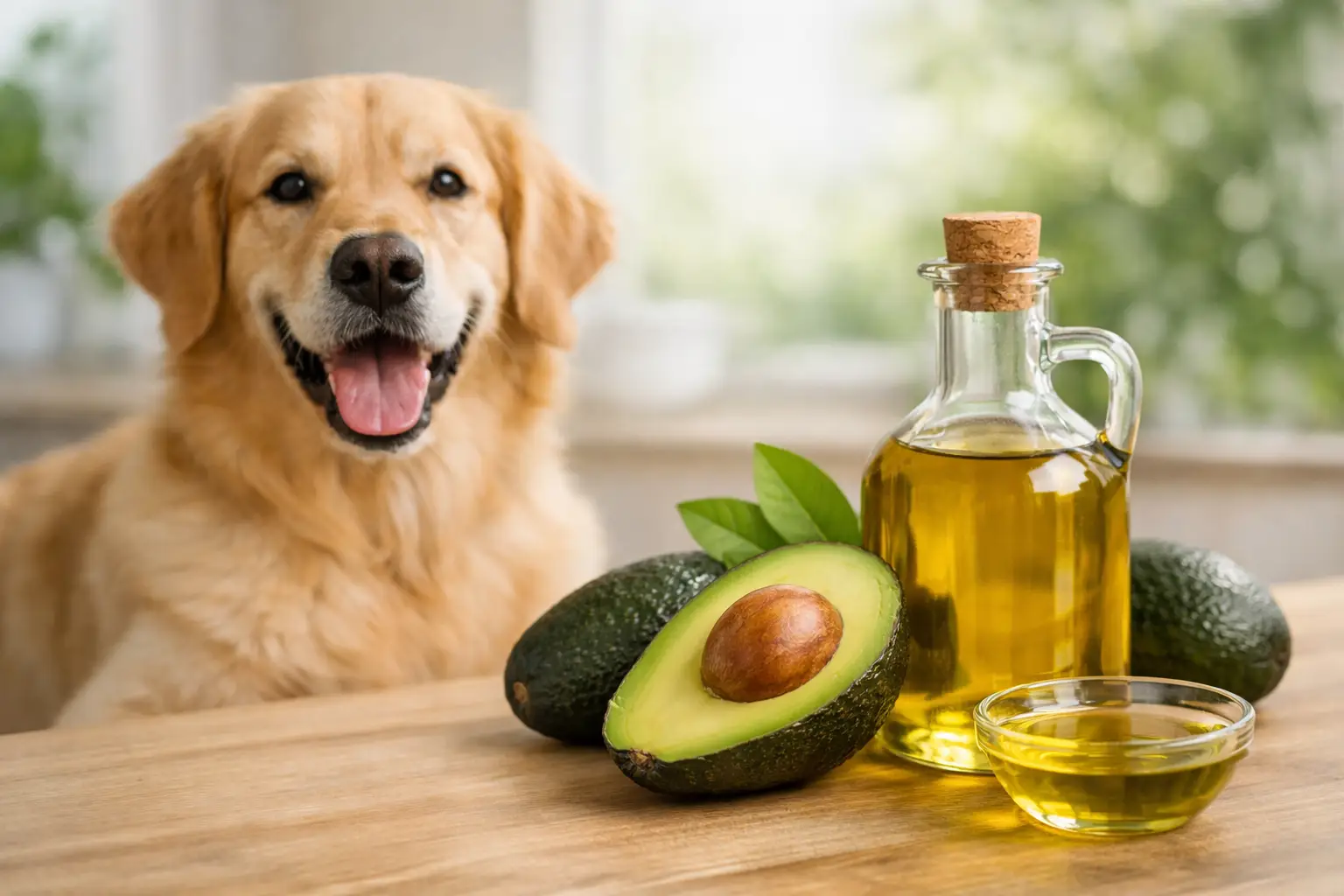
If you have ever scanned a dog food label and paused at avocado oil, you are not alone. Many pet parents ask, is avocado oil good for dogs, especially if they are trying to support skin health, a shinier coat, or a more thoughtful daily diet.
The short answer is yes – when it is used appropriately, avocado oil can be a beneficial ingredient in dog nutrition. It offers healthy fats, including omega fatty acids, that help support skin and coat wellness. But like most nutrition questions, the full answer depends on the form, the amount, and the overall diet your dog eats every day.
Is avocado oil good for dogs in everyday nutrition?
Avocado oil can absolutely have a place in a dog’s diet. It is valued for its fat profile, especially its content of monounsaturated fats and naturally occurring omega fatty acids. These fats are not just there for calories. They play a meaningful role in maintaining healthy skin, supporting coat condition, and helping dogs absorb certain fat-soluble nutrients.
That matters because good health often shows on the outside first. A soft, glossy coat and skin that looks comfortable instead of dry or flaky are signs many pet owners notice right away. For dogs dealing with dull fur, seasonal dryness, or skin sensitivity, dietary fat quality can make a visible difference over time.
This is one reason avocado oil has become a standout ingredient in premium pet nutrition. When included in a complete and balanced formula, it can contribute to daily wellness in a way that feels both functional and easy to understand.
Why avocado oil stands out
Not all fats in dog food do the same job. Some are included mainly as energy sources, while others bring broader nutritional value. Avocado oil stands out because it delivers beneficial fatty acids in a form that works well in thoughtfully formulated dog food.
Its biggest advantage is support for skin and coat health. Healthy fats help maintain the skin barrier, which matters for moisture retention and overall skin comfort. They also nourish the coat, which can help fur look smoother, fuller, and more vibrant.
Avocado oil may also be appealing for pet owners who prioritize recognizable ingredients. It feels less mysterious than generic fat sources, and that transparency matters when you are choosing food based on quality, function, and trust.
There is also a practical side to this ingredient. In balanced pet food, avocado oil can help improve palatability, meaning some dogs simply enjoy eating foods that include it. That can be especially helpful for selective eaters, though taste should always come second to nutritional fit.
Safety matters: what pet owners should know
Questions about avocado and dogs usually come from a real place of caution, and that caution is understandable. Whole avocados are often discussed in pet safety conversations because different parts of the fruit present different concerns.
The pit is a choking and obstruction risk. The skin is hard and difficult to digest. Large amounts of avocado flesh may be too rich for some dogs, especially those with sensitive stomachs. Those issues are very different from the use of avocado oil in professionally formulated pet food.
Avocado oil used in dog food is not the same as handing your dog random table scraps. It is a refined ingredient selected for a nutritional purpose and used in controlled amounts. That distinction is important.
For most healthy dogs, avocado oil included in complete and balanced food is considered a safe and useful ingredient. If your dog has a history of pancreatitis, chronic digestive upset, or requires a tightly controlled low-fat diet, any fat source deserves a closer look. In those cases, your veterinarian should guide feeding decisions.
The benefits you may actually notice
When avocado oil agrees with a dog and is part of a well-formulated diet, the benefits tend to show up gradually rather than overnight. This is not a quick fix ingredient. It works best as part of consistent daily nutrition.
One of the first things pet parents often notice is coat quality. Fur may look shinier, feel softer, and shed less from dryness-related breakage. Dogs with dry-looking skin may also appear more comfortable as the diet supports normal skin function.
Some owners also appreciate that healthy fat sources can help maintain overall body condition when fed appropriately. Fat is an essential part of canine nutrition, and the right fats support more than appearance. They help provide energy and support normal body processes that rely on dietary lipids.
For dogs with food sensitivity concerns, the bigger picture matters even more. Avocado oil is not a cure for sensitivities, but in a limited ingredient or thoughtfully designed formula, it can be part of a simpler, more targeted approach to feeding.
Is avocado oil good for dogs with sensitive skin?
It can be, especially when skin concerns are tied to diet quality or a need for better fatty acid support. Dogs with sensitive skin often benefit from nutrition that helps maintain the skin barrier and supports a healthy coat from the inside out.
That said, skin issues are not all the same. Some are related to environmental triggers, some to parasites, and some to food reactions. Avocado oil may support skin wellness, but it is not a replacement for getting to the root cause if your dog is itchy, red, or uncomfortable.
The best approach is to look for complete nutrition first. A single ingredient rarely does all the work. What tends to make the biggest difference is a formula built around quality protein, balanced nutrients, and beneficial fat sources that work together.
Should you add avocado oil at home?
This is where the answer becomes more nuanced. Just because avocado oil can be good for dogs does not automatically mean every dog needs extra oil added to the bowl.
If your dog already eats a complete and balanced food that includes healthy fats, adding more oil may simply increase calories without adding meaningful benefit. Overdoing fat can lead to digestive upset, weight gain, or trouble for dogs who do not tolerate rich foods well.
If you are considering adding avocado oil as a topper or supplement, it is smart to think about your dog’s whole diet first. Age, size, activity level, weight goals, and medical history all matter. A highly active dog may tolerate some adjustments differently than a sedentary dog who gains weight easily.
For many pet parents, the easier and more reliable path is choosing a dog food that already includes avocado oil in the right amount. That gives your dog the benefit of the ingredient within a formula designed to stay balanced.
What to look for in a dog food with avocado oil
If avocado oil interests you, the ingredient should be part of a broader nutrition story. Look for food that is complete and balanced for your dog’s life stage and made with a clear wellness purpose.
You also want transparency. Pet owners shopping in the premium space are often looking for ingredient quality they can understand and manufacturing practices they can trust. Those details matter because the value of a signature ingredient depends on how it is sourced, handled, and incorporated into the finished food.
Beyond the ingredient panel, pay attention to what you want the food to do for your dog. If your goal is skin and coat support, a formula centered on healthy fats and balanced nutrition makes more sense than treating avocado oil like a miracle add-on.
That is where a specialist approach can feel especially helpful. Brands like AvoDerm have built their nutrition philosophy around avocado and avocado oil because these ingredients offer functional benefits pet parents can actually see.
When avocado oil may not be the right fit
Even beneficial ingredients are not universal solutions. Some dogs need lower-fat diets for medical reasons. Others may have digestive systems that respond better to very gradual diet changes. And if your dog has repeated vomiting, loose stool, or discomfort after diet changes, it is worth slowing down and talking with your veterinarian.
There is also a difference between a premium ingredient and a premium result. Avocado oil can support wellness, but it works best when the overall diet is strong. Protein quality, calorie balance, digestibility, and feeding consistency still matter just as much.
That is good news for pet parents, because it means you do not have to chase single ingredients. You can focus on the bigger goal – feeding a diet that helps your dog feel good, look healthy, and thrive day after day.
If you are asking whether avocado oil belongs in your dog’s diet, the most useful answer is this: in the right formula, for the right dog, it can be a smart and nourishing choice. And when good nutrition is working, you usually do not need a complicated explanation – you can see it in your dog’s comfort, energy, and beautiful coat.