One day your dog cleans the bowl like usual. The next, you are staring at softer stools, a little extra scratching, or a sudden lack of interest in mealtime. That is usually when pet parents start asking how to switch dog food safely – and the answer matters more than most people expect. Even a high-quality formula can cause digestive upset if the change happens too fast.
A food transition is not just about getting from one bag to another. It is about giving your dog’s digestive system time to adjust to new protein sources, fiber levels, fat content, and ingredient profiles. When you handle the change gradually, you are more likely to protect stool quality, appetite, energy, and all the visible signs of wellness that tell you your dog is thriving.
Why switching too fast can upset your dog
Dogs do not always respond well to abrupt diet changes, even when both foods are complete and balanced. Their digestive systems adapt to what they eat regularly. When a new food comes in all at once, the gut has to catch up quickly, and that can show up as loose stool, gas, vomiting, or a dog that suddenly seems unsure about dinner.
There is also a nutritional adjustment happening behind the scenes. Different formulas can vary in calorie density, fat levels, fiber sources, and protein ingredients. A chicken-based recipe will not digest exactly the same way as a lamb or salmon recipe. Grain-free and grain-inclusive foods may also affect stool texture differently. None of that means the new food is a poor fit. It often means your dog needs a more measured transition.
For dogs with food sensitivities, itchy skin, or a history of stomach upset, slow changes become even more valuable. These dogs tend to benefit from a steady pace and careful observation rather than a quick swap.
How to switch dog food safely step by step
For most healthy adult dogs, a 7 to 10 day transition works well. Start by mixing a small amount of the new food into the current food, then increase the new portion every few days.
A practical schedule looks like this: feed about 25 percent new food and 75 percent old food for the first two to three days. If your dog is doing well, move to a 50-50 mix for the next two to three days. Then shift to about 75 percent new food and 25 percent old food for another two to three days. After that, you can usually feed the new food on its own.
That timeline is a strong starting point, not a rigid rule. Some dogs can move through it easily. Others need more time. Puppies, seniors, dogs with sensitive digestion, and dogs recovering from illness often do better with a slower transition that stretches to 10 to 14 days.
The main goal is not speed. It is stability. If your dog’s stool stays well formed, appetite stays normal, and energy looks good, you are likely on the right track.
Measure meals carefully during the transition
One easy mistake is changing foods without adjusting portion size. Different formulas can have different calorie levels per cup, so replacing one food with another cup-for-cup is not always accurate. Overfeeding during the switch can make digestive upset more likely and may leave you thinking the new food is the problem when the portion is really the issue.
Use the feeding guide on the package as a starting point, then watch your dog’s body condition and stool quality. If you are transitioning to a more nutrient-dense food, your dog may need a smaller serving than before.
Keep everything else as consistent as possible
If you want a smooth transition, try not to make three changes at once. Switching food while also introducing new treats, table scraps, toppers, or supplements can muddy the picture. If your dog develops digestive issues, you will not know what caused them.
During the transition period, consistency helps. Keep treats simple, avoid rich extras, and stick to a regular feeding schedule. Clean water should always be available, especially if your dog is moving from wet food to dry food or from one formula with a different fiber level.
Signs the transition is going well
A successful food change usually looks fairly uneventful, which is exactly what you want. Your dog should stay interested in meals, maintain normal energy, and produce stools that are close to their usual quality.
You may also notice gradual positive changes over time. Depending on the formula, pet parents sometimes see improvements in coat softness, skin comfort, and overall enthusiasm at mealtime after the transition is complete. Good nutrition tends to show up in visible ways, but it does not always happen overnight.
When to slow down
Mild digestive changes can happen during a transition, especially in the first few days. Slightly softer stool for a meal or two is not always a reason to panic. What matters is whether the issue is brief and mild or persistent and worsening.
If your dog develops loose stools, more gas than usual, or seems hesitant to eat, pause at the current ratio for a few extra days. Often, giving the digestive system more time is enough. For example, if you moved from 25 percent new food to 50 percent and things got wobbly, stay at 50 percent or even go back to 25 percent before trying again.
This is one of those it-depends moments. A confident eater with no history of sensitivity may recover quickly. A dog with a delicate stomach may need a much slower ramp.
Warning signs that need a closer look
Knowing how to switch dog food safely also means knowing when a normal adjustment may be turning into something more serious. Repeated vomiting, ongoing diarrhea, blood in the stool, refusal to eat, unusual lethargy, or signs of abdominal discomfort should not be brushed off as a standard transition issue.
Those symptoms can point to poor tolerance, an underlying health issue, or a transition that is simply happening too quickly. If they show up, stop advancing the new food and contact your veterinarian. The same advice applies if your dog has a chronic medical condition, a history of pancreatitis, or prescription diet needs. In those cases, any food change deserves extra care.
Choosing the right new food matters too
A careful transition helps, but it cannot fix a poor food match. If you are switching because of skin concerns, digestive sensitivity, or inconsistent stool quality, the ingredient profile of the new food matters just as much as the timeline.
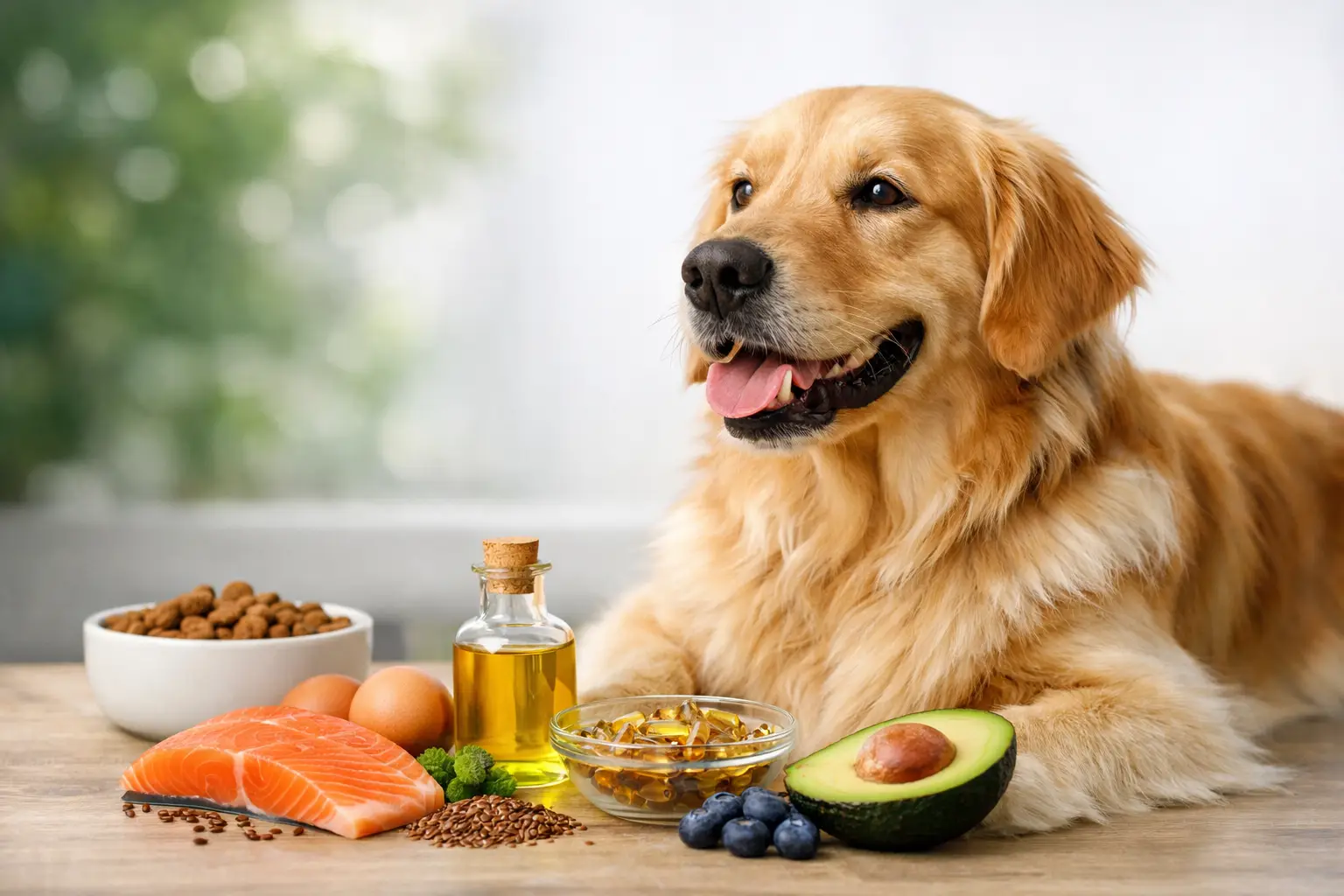
Look for a complete and balanced formula made with quality ingredients and a clear nutritional purpose. Some dogs do well with recipes centered on easily digestible proteins. Others benefit from formulas designed to support skin and coat health with thoughtfully chosen fats. If your dog tends to react to certain ingredients, a limited ingredient approach may make sense.
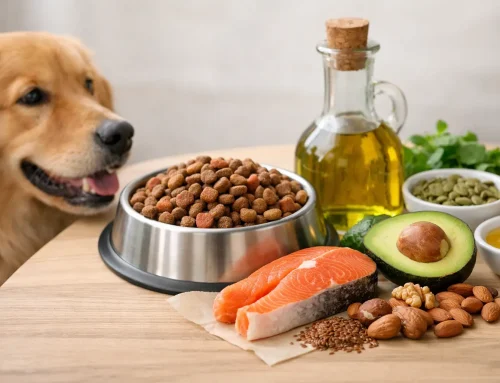
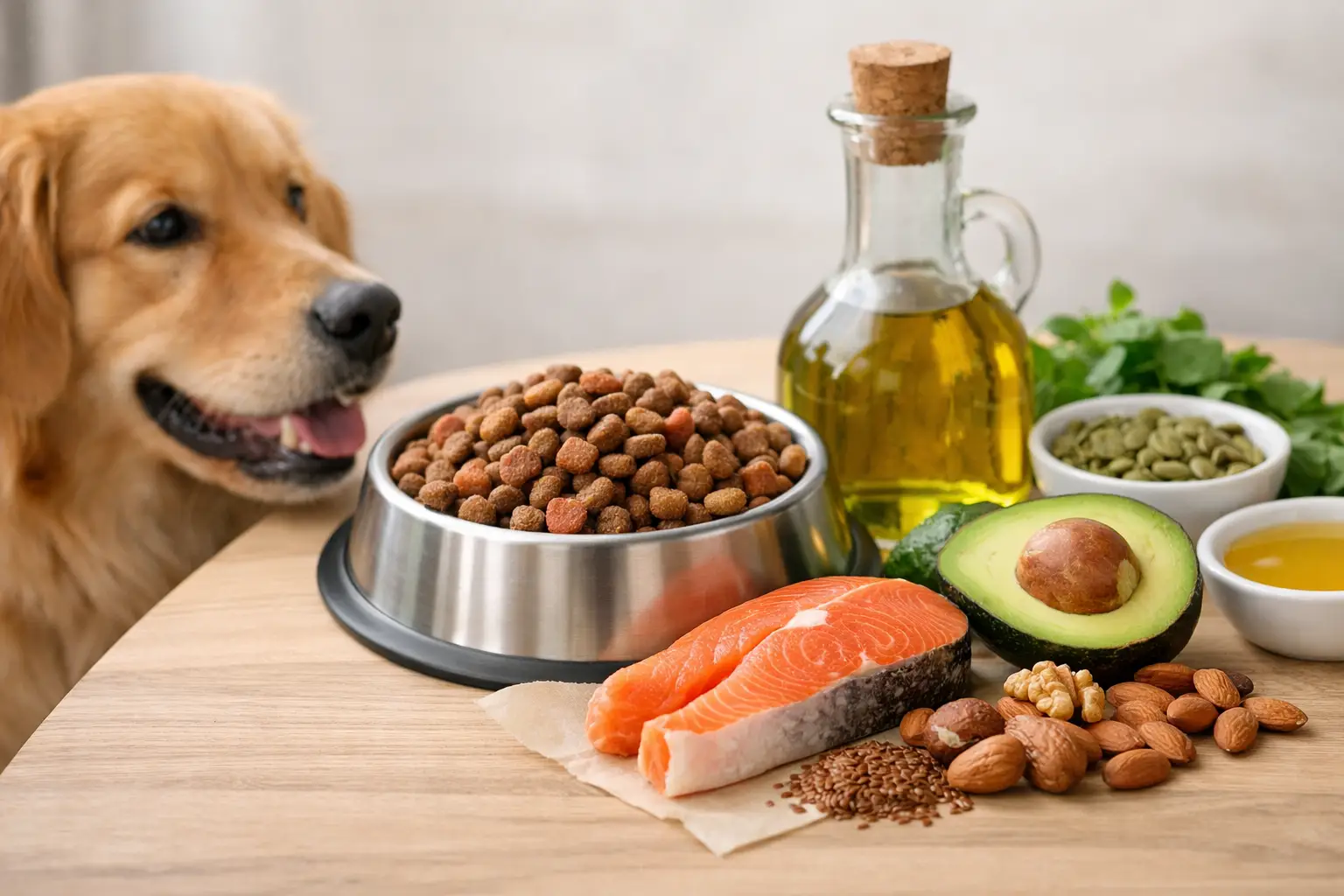
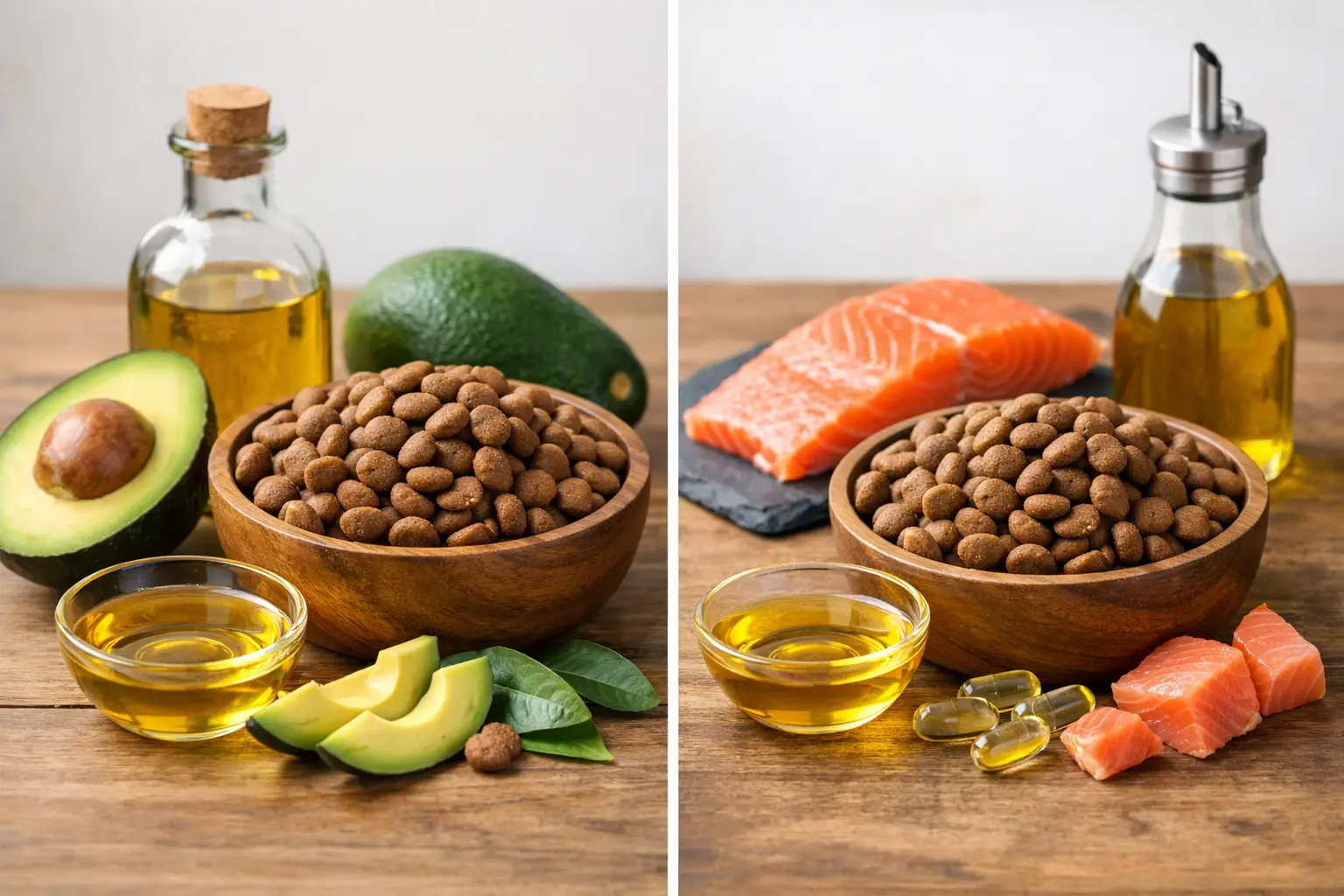
This is where premium nutrition can make a visible difference. Foods made with purposeful ingredients, including omega-rich additions that support skin and coat wellness, can help pet parents feel more confident that they are not just changing foods, but upgrading the daily nutrition in the bowl. AvoDerm builds around that idea with avocado and avocado oil as signature ingredients chosen to support good health you can see.
Special cases: puppies, seniors, and sensitive dogs
Not every dog should follow the same transition plan. Puppies can have more delicate digestion simply because they are still growing and adjusting to routine feeding. Seniors may have slower digestion or underlying health concerns that make abrupt changes harder. Dogs with known food sensitivities often need the most patience of all.
For these dogs, stretching the transition over 10 to 14 days is often the smarter move. In some situations, your veterinarian may suggest an even slower approach or a very specific formula. If your dog has had repeated ear issues, itchy skin, chronic loose stool, or frequent vomiting, it is worth treating a food change as part of a bigger wellness conversation rather than just a shopping decision.
Wet food, dry food, or both?
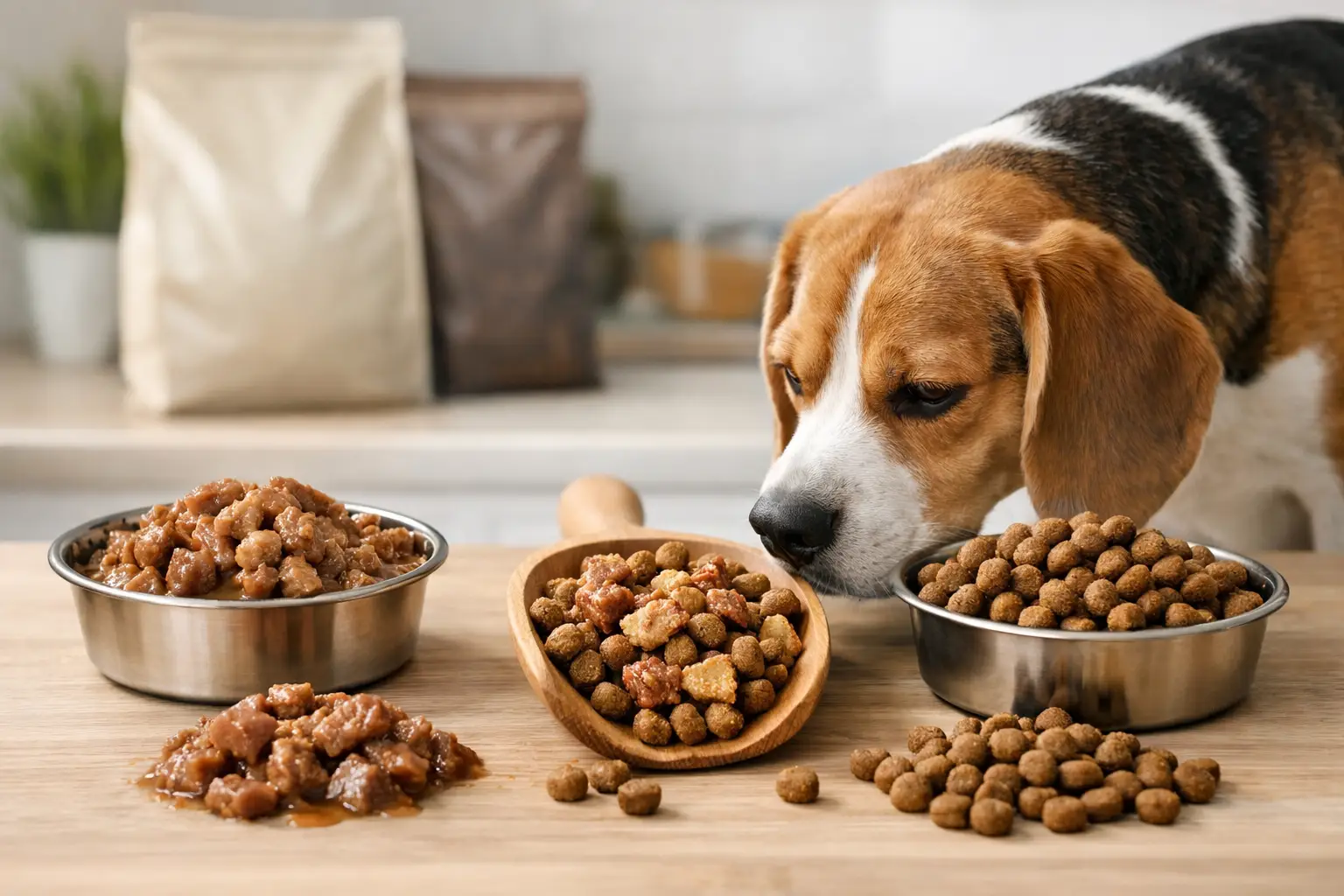
Switching between dry and wet food can change more than flavor. Texture, moisture content, and calorie density can all be different, so some dogs need a little extra time to adjust. Mixed feeding can be a helpful bridge because it eases the transition in both taste and texture.
That said, portion control becomes especially important when combining formats. A bowl that looks modest can still be calorie-heavy if dry and wet food are both added generously. Keep the total daily calories in mind so your dog gets the benefits of variety without digestive overload.
Patience pays off
Pet parents often want quick results from a new food, especially if they are trying to help with itchiness, dull coat, or stomach upset. But the safest transitions are usually the least dramatic ones. Small changes, measured portions, and a close eye on how your dog feels will get you farther than a sudden switch ever will.
If your dog is happy to eat, digesting meals well, and starting to show those everyday signs of wellness, you are doing it right. A better bowl does not need to happen overnight – it just needs to happen thoughtfully.