
Your dog’s coat often tells the story before anything else does. If the fur looks dull, the skin seems dry, or mealtime leaves behind digestive issues, many pet parents start to wonder whether the food bowl is really delivering what it should. That is where complete and balanced dog nutrition matters most – not as a marketing phrase, but as the everyday foundation for energy, healthy digestion, strong muscles, and a beautiful coat.
For many families, feeding can feel confusing because every bag makes big promises. High protein, grain-free, limited ingredient, ancient grains, sensitive stomach support – each claim can sound like the answer. But the bigger question is simpler: does your dog’s food provide the full range of nutrients they need in the right proportions for daily health?
What complete and balanced dog nutrition really means
A complete and balanced diet gives dogs the essential nutrients they need to maintain health day after day. That includes protein, fat, carbohydrates, vitamins, minerals, and water, all working together. “Complete” means the food contains all required nutrients. “Balanced” means those nutrients are present in appropriate amounts and ratios, rather than overloaded in one area and lacking in another.
That distinction matters. A food can be rich in protein and still fall short if it does not deliver the right mineral balance. A recipe can look wholesome because it includes recognizable ingredients, but if it is missing key nutrients or improperly formulated, it may not support long-term wellness.
Dogs need nutrition that fuels more than just activity. It supports immune function, skin barrier health, digestive comfort, joint support, muscle maintenance, and healthy development through every life stage. Good health shows in visible ways, but it starts with what is happening inside the body every single day.
Why balance matters more than a single trendy ingredient
It is easy to focus on one ingredient and treat it like the hero of the entire formula. In reality, dogs benefit most from a thoughtfully built recipe where ingredients work together. Protein helps maintain lean muscle. Fat provides energy and supports skin and coat health. Fiber can help with stool quality and digestive regularity. Vitamins and minerals support everything from bone strength to cellular function.
This is also why chasing food trends can backfire. A diet that sounds impressive on social media may not be the best fit for your individual dog. Some dogs do well with grain-free formulas, while others thrive on recipes with wholesome grains. Some need help managing food sensitivities, while others simply need steady, high-quality daily nutrition.
The goal is not to find the flashiest label. It is to find a food that delivers complete and balanced dog nutrition consistently, with quality ingredients and a clear nutritional purpose.
The nutrients dogs rely on every day
Protein is one of the first things pet parents look for, and for good reason. Dogs need protein to support muscles, tissues, enzymes, and immune health. The source and digestibility of that protein matter, especially for active dogs or dogs that need help maintaining body condition.
Fat is just as essential, even though it sometimes gets framed unfairly. Healthy fats are a concentrated energy source, and they help support brain function, skin health, and coat condition. They also make food more appealing, which can be helpful for selective eaters.
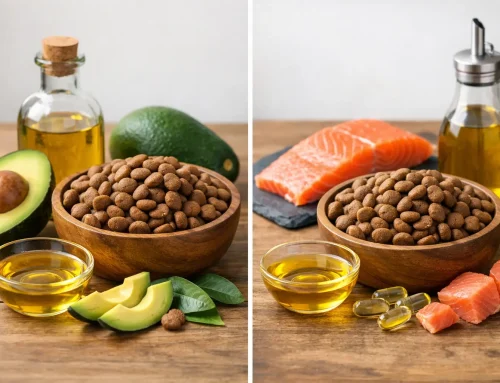
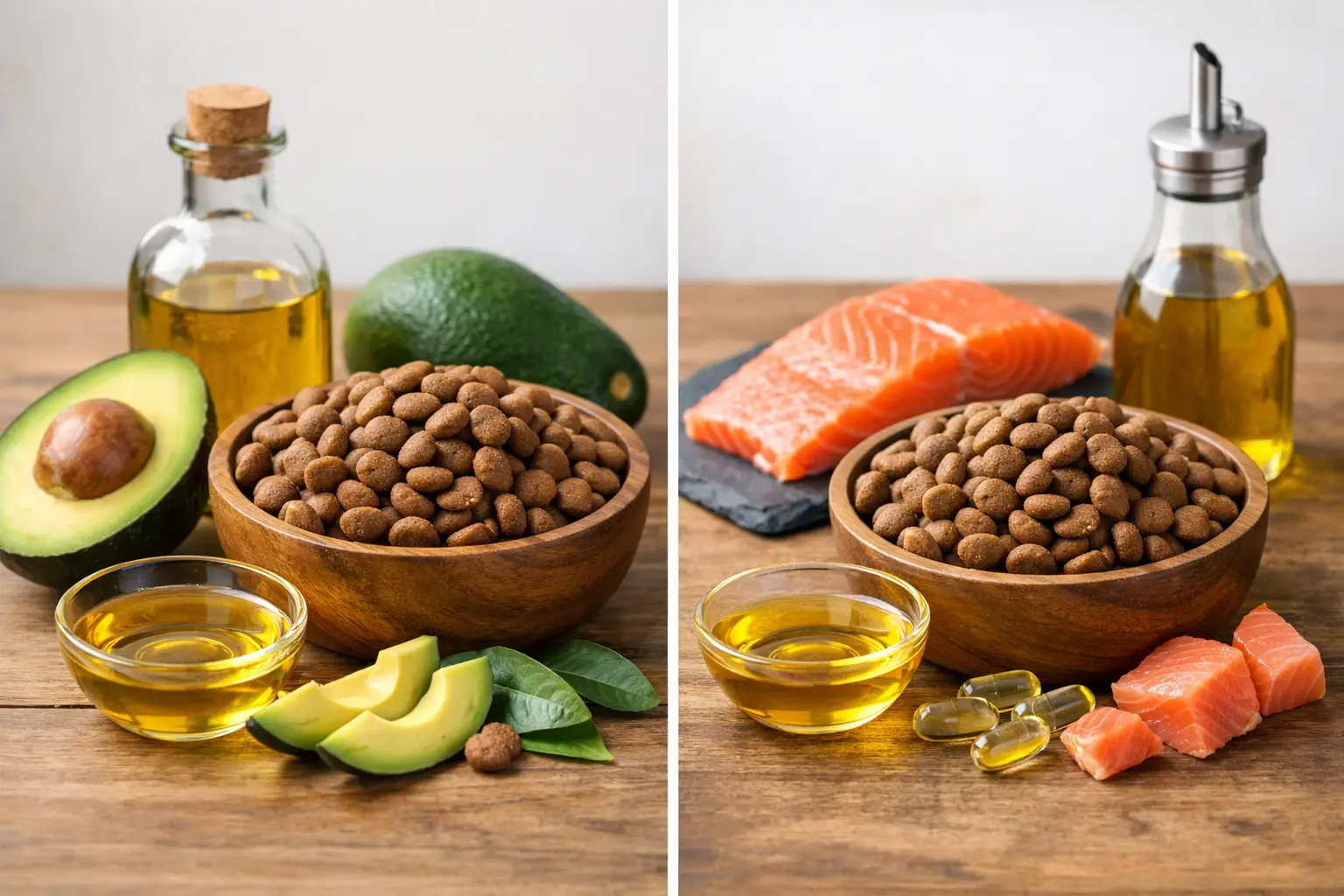
Omega fatty acids deserve special attention because they are closely tied to visible wellness. Dogs with dry skin or lackluster coats often benefit from nutrition that includes omega-rich ingredients. Avocado and avocado oil are especially notable here because they naturally provide beneficial fats that help support healthy skin and a glossy coat. For pet parents who want nutrition they can actually see working, this is one of the most rewarding areas.
Carbohydrates are often misunderstood, but they can play a useful role by providing energy and fiber. They also contribute to the structure and palatability of many foods. What matters most is the overall quality of the formula and how well your dog does on it.
Vitamins and minerals may not get headline attention, but they are critical. Calcium and phosphorus support bones and teeth. Zinc supports skin. Vitamin E helps protect cells. B vitamins contribute to metabolism. These nutrients need to be present in the proper amounts, because more is not always better.
Signs your dog may need better nutritional support
Some signs are easy to spot. A rough coat, flaky skin, inconsistent stools, low energy, or trouble maintaining a healthy weight can all point to a diet that is not the right fit. Other signs are more subtle, like frequent itching that is not tied to seasonal causes or a dog that seems uninterested in meals.
That does not always mean the current food is poor quality. Sometimes the issue is that the formula is not ideal for your dog’s age, size, activity level, or sensitivities. A puppy has different needs than a sedentary senior. A highly active dog burns nutrients differently than a less active companion. Even breed tendencies can shape what “best fit” looks like.
If your dog is dealing with ongoing issues, it is worth looking beyond surface-level claims and focusing on whether the food provides consistent, complete nourishment with ingredients that support their specific wellness needs.
Choosing a food that supports complete and balanced dog nutrition
Start with the life stage. Dogs need food formulated for growth, maintenance, or all life stages depending on where they are in life. Feeding an adult maintenance formula to a growing puppy is not the same as feeding a recipe designed for development.
Next, look at ingredient quality and function. Natural ingredients, reliable protein sources, and targeted fats all have a place in a strong formula. If skin and coat health are top priorities, omega-rich ingredients can make a meaningful difference. This is one reason avocado-based nutrition stands out. When used appropriately in carefully crafted dog food, avocado and avocado oil bring functional nutrition that supports healthy skin and a beautiful coat while fitting into a complete daily feeding approach.
Digestibility also matters. A premium food should not just look good on the label – it should work well in your dog’s body. Better digestibility can mean more efficient nutrient use and fewer digestive complaints.
Finally, think about trust. Pet parents who care deeply about what goes into the bowl often want transparency around sourcing, manufacturing, and formulation. That confidence matters because feeding is a daily decision, not a one-time purchase.
It depends: matching nutrition to the dog in front of you
There is no universal best food for every dog. That can be frustrating, but it is also empowering. It means your dog’s ideal nutrition should be based on their needs, not someone else’s trend.
A dog with food sensitivities may do better on a simpler formula with carefully selected ingredients. A dog with dry skin may benefit from a recipe with more supportive fatty acids. A picky eater may need a food with stronger palatability. An overweight dog may need tighter calorie control without sacrificing nutrient density.
This is where complete and balanced dog nutrition becomes more than a checklist. The food still has to meet full nutritional needs, but the ingredient profile and functional benefits should also line up with the dog you live with every day.
Switching foods without upsetting the routine
Even the best food change can cause problems if it happens too fast. Dogs generally do better with a gradual transition over several days, allowing the digestive system to adjust. Mixing increasing amounts of the new food with decreasing amounts of the old food can help reduce stomach upset and make the switch easier.
During that transition, watch your dog closely. Stool quality, appetite, energy, skin condition, and coat appearance can all provide useful feedback. Improvement is not always instant. Digestive changes may show up first, while skin and coat benefits often take longer.
If you are moving to a premium formula with ingredient-driven benefits, patience pays off. Consistency is what gives nutrition time to do its job.
Why visible wellness is worth paying attention to
Pet parents often notice the outside first, and that is not superficial. Healthy skin, a soft coat, steady energy, and comfortable digestion are practical signs that a dog’s nutritional needs are being met. They are often the result of a diet that supports the whole dog, not just one wellness claim.
Brands like AvoDerm have built their approach around that idea, using avocado-based nutrition to deliver complete, balanced daily feeding with added skin and coat benefits. That kind of focused formulation can be especially appealing for pet parents who want natural nutrition with visible results.
Feeding your dog well is one of the most loving routines you have. When the bowl delivers complete nutrition, supports daily comfort, and helps good health show from nose to tail, you are not just serving a meal – you are investing in the kind of wellness your dog can feel every day.