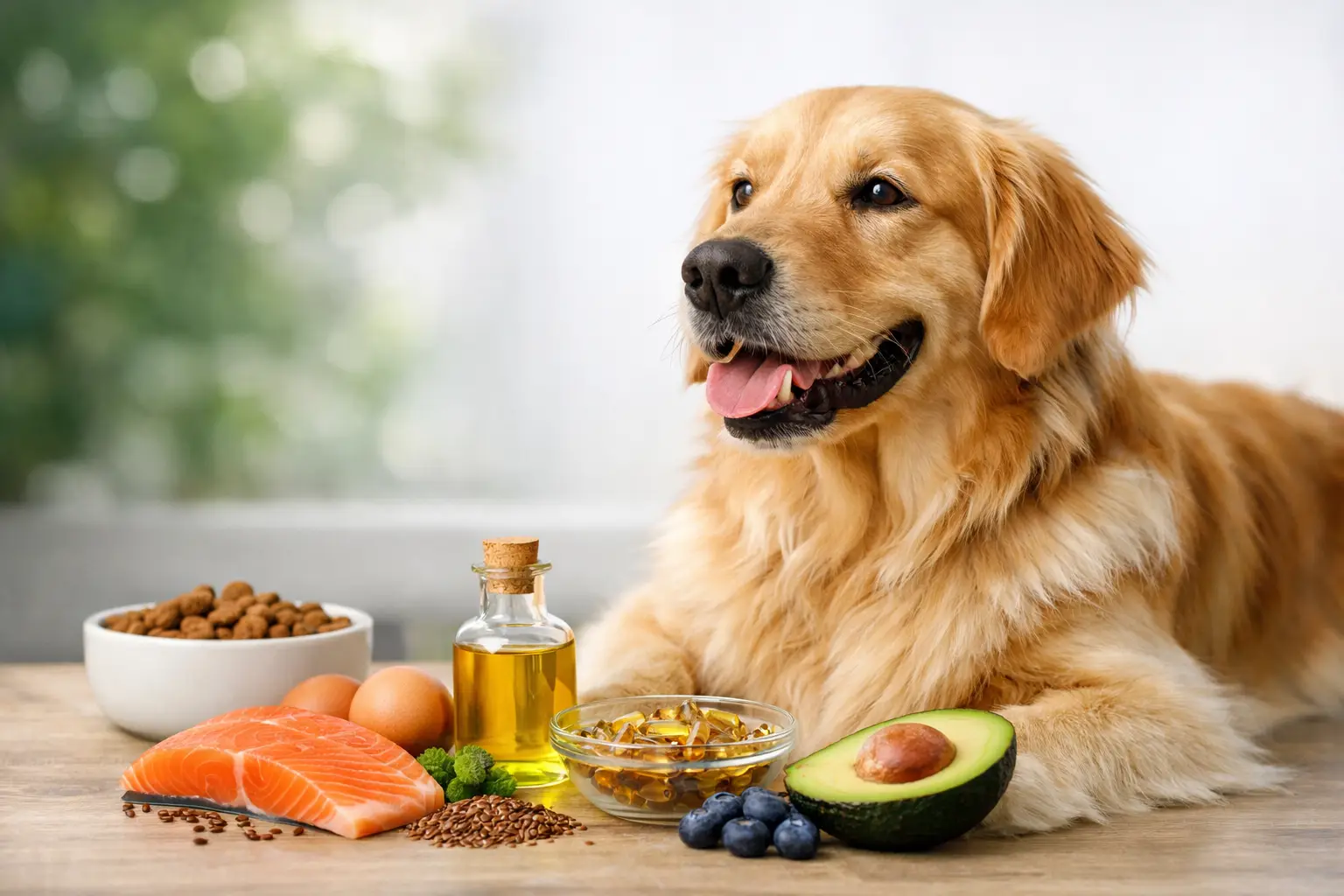

If your dog is scratching more, shedding heavily, or looking a little dull through the coat, the food bowl is one of the first places worth a closer look. Healthy skin dog food is not just a marketing phrase when it is built around the nutrients skin actually needs every day. For many dogs, the right formula can help support softer skin, a shinier coat, and more comfortable, consistent wellness.
Skin is your dog’s largest organ, and it is constantly renewing itself. That means it has a steady demand for quality protein, essential fatty acids, vitamins, and minerals. When nutrition falls short, the signs often show up on the outside first. Dry flakes, a brittle coat, excessive shedding, and irritated skin can all point to a diet that is not delivering enough support where it counts.
What healthy skin dog food should really do
A good skin-supportive formula should do more than add a little oil and make a big promise. It should provide complete and balanced nutrition while emphasizing ingredients that help nourish the skin barrier and support coat quality over time. That balance matters because skin health is not separate from overall health. It is connected to digestion, immune function, and how well your dog uses the nutrients in every meal.
Healthy skin dog food works best when it covers a few nutritional basics at once. First, dogs need digestible protein to build and maintain skin and hair. Hair is made largely of protein, so low-quality or poorly digested protein can leave the coat looking thin or rough. Second, they need fat – especially omega fatty acids – to help maintain moisture and support normal skin function. Third, they need a complete range of vitamins and minerals to help the body process those nutrients effectively.
This is why quick fixes rarely deliver lasting results. A supplement can help in some cases, but if the base diet is inconsistent or missing key nutrients, you may still see ongoing skin issues.
The ingredients that matter most in healthy skin dog food
When pet parents shop for skin support, omega fatty acids are usually the first thing they hear about, and for good reason. Omega-3 and omega-6 fatty acids help support normal skin moisture and a glossy coat. The key is getting them from quality sources in the right overall formula, not just sprinkling them in as an afterthought.
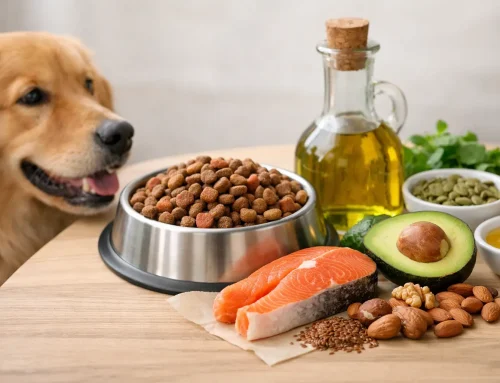
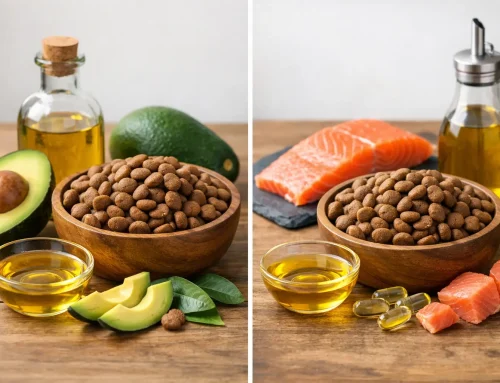
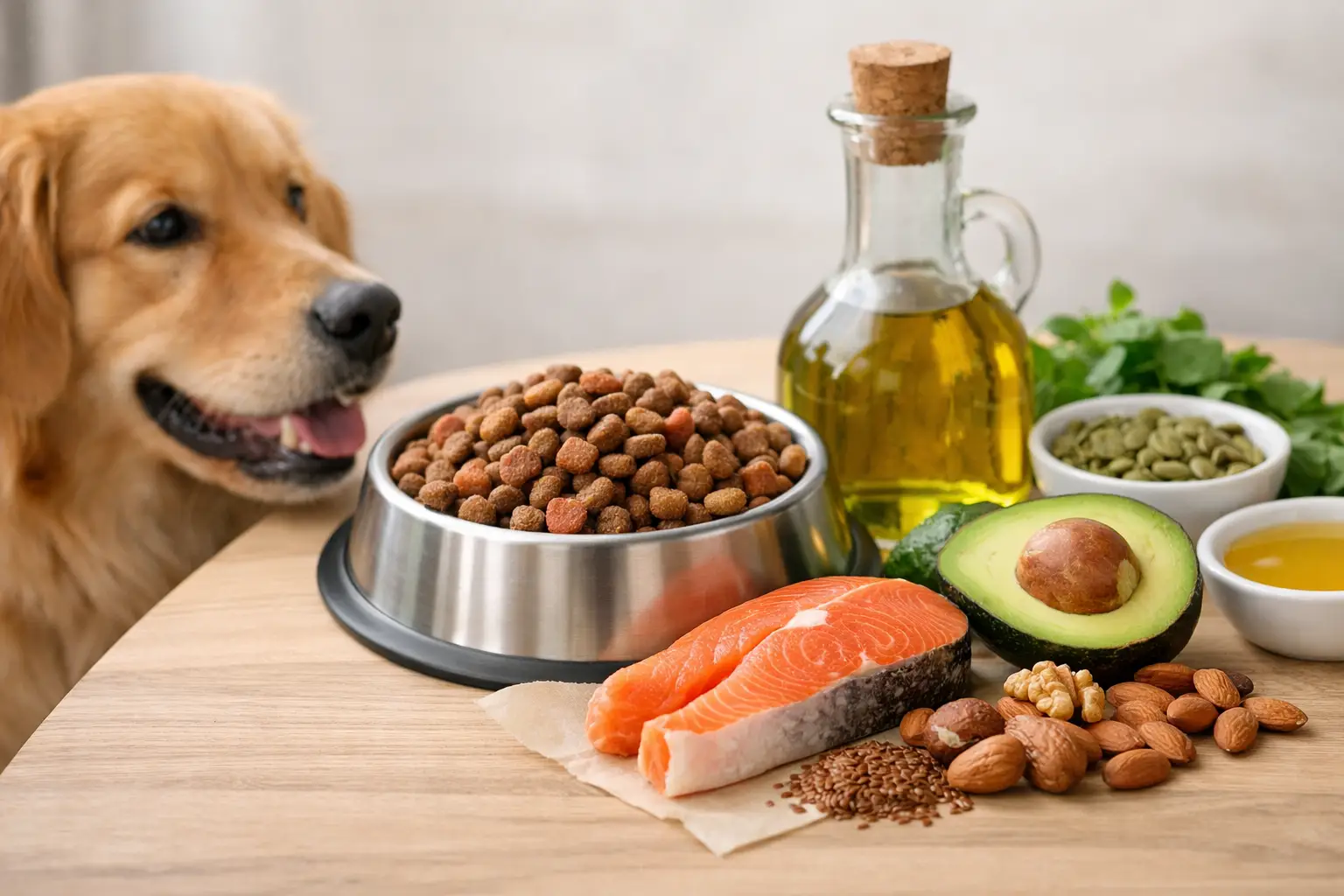
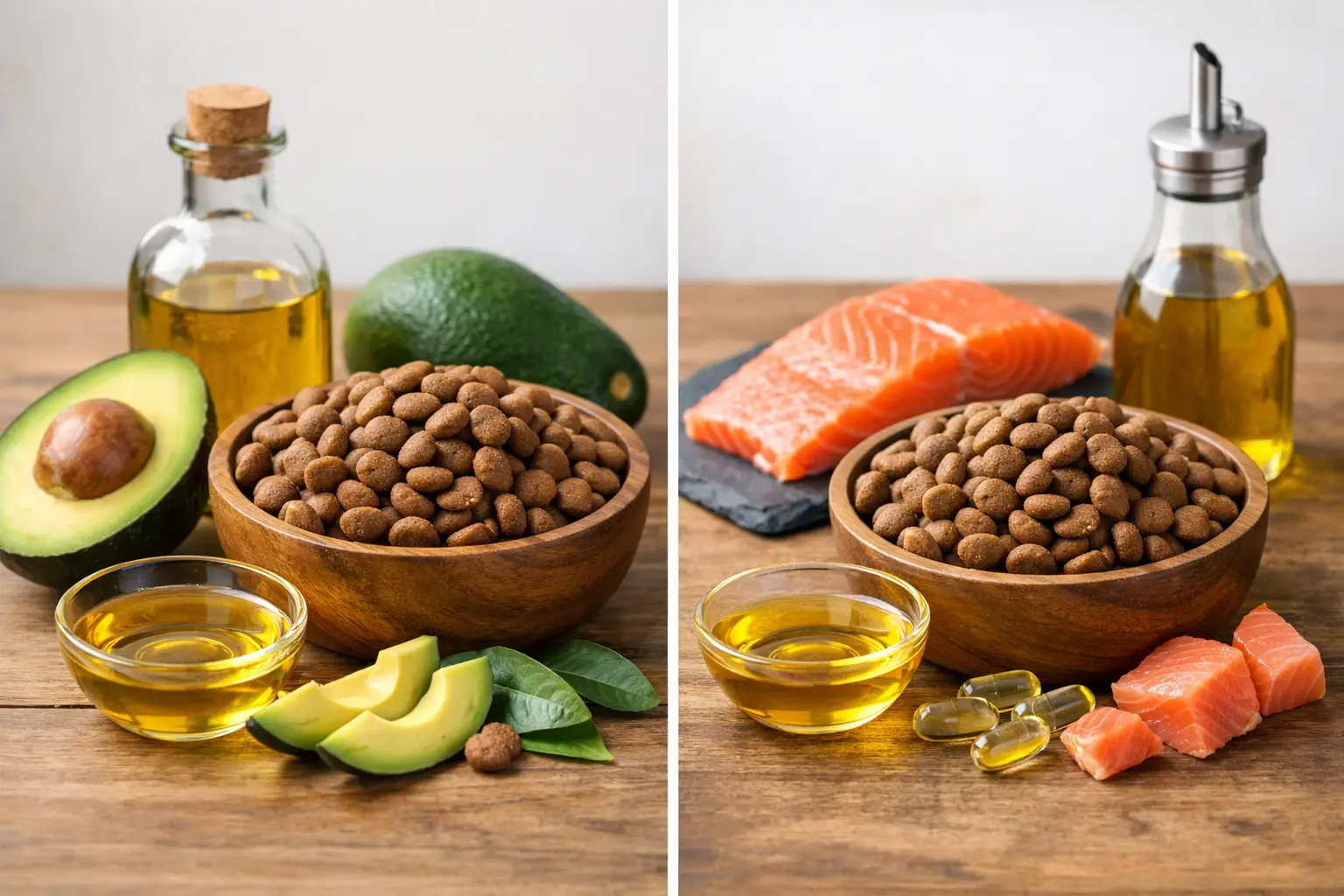
Avocado and avocado oil stand out here because they naturally provide beneficial fats that help support healthy skin and coat condition. In a thoughtfully formulated dog food, these ingredients can be part of a broader nutritional approach that promotes visible results. Good health shows, and for many dogs, one of the first places you notice it is in the softness and shine of the coat.
Protein source matters too. Chicken, lamb, salmon, turkey, and other animal proteins can all work well, but the best choice often depends on your individual dog. Some dogs do beautifully on a classic chicken-based recipe, while others may need a formula built around a different protein if food sensitivities are part of the picture.
You should also look at the full ingredient story. Vitamin E, zinc, and other essential nutrients play a quiet but important role in skin maintenance. Carbohydrate sources can matter as well, especially for dogs with sensitive digestion. If a food supports easy digestion, your dog is more likely to absorb and use the nutrients intended to help skin and coat health.
When skin issues are not just about food
Nutrition can make a meaningful difference, but it is not the answer to every itchy dog. Environmental allergens, fleas, seasonal changes, grooming products, and underlying health issues can all affect the skin. That is why it helps to think of healthy skin dog food as a strong foundation, not a miracle cure.
If your dog has sudden hair loss, raw spots, a strong odor, recurring ear issues, or intense itching, it is smart to check in with your veterinarian. Food can support skin wellness, but it cannot diagnose an allergy, infection, or parasite problem. In some cases, your dog may need both a diet change and medical support to feel better.
That said, even when other factors are involved, a nutrient-rich food can still help. Skin under stress often benefits from consistent, high-quality nutrition. Better support from the inside can help your dog maintain a healthier barrier and recover more comfortably over time.
How to choose the right formula for your dog
The best healthy skin dog food for one dog may not be the best fit for another. Age, breed, activity level, digestive sensitivity, and ingredient preferences all matter. Puppies need growth-focused nutrition. Adult dogs need maintenance support. Senior dogs may do better on formulas that account for changing metabolism and overall wellness needs.
If your dog has both skin concerns and a sensitive stomach, prioritize a formula that addresses both instead of choosing one benefit and hoping for the best. Skin and digestion are closely linked. A dog that struggles to digest food well may not get the full benefit of skin-supportive nutrients.
Read beyond the front of the bag. Look for complete and balanced nutrition, clearly identified protein sources, and functional ingredients known to support skin and coat health. Transparency matters too. Pet parents who invest in premium food usually want to know where quality comes from and how the food is made. That confidence is part of choosing a food you can stick with long enough to see a difference.
What results to expect – and how long it takes
One of the biggest mistakes pet owners make is switching foods and expecting a transformation in a week. Skin and coat changes usually take time because hair growth and skin renewal happen gradually. In many dogs, you may start noticing small improvements within a few weeks, but fuller results often take six to twelve weeks of consistent feeding.
The early signs can be subtle. Less scratching. Softer skin. Reduced flaking. A coat that feels smoother when you pet your dog. Over time, that can build into more noticeable shine, less excessive shedding, and a healthier overall appearance.
Results also depend on what is causing the issue. If poor nutrition was a major factor, a better diet may bring visible improvement. If the problem is driven mostly by environmental allergies or another condition, food may help support the skin without completely resolving every symptom. That is not failure – it is just part of being realistic about what diet can and cannot do.
How to transition to a healthy skin dog food
Even the best formula can cause digestive upset if you switch too fast. A gradual transition gives your dog’s system time to adjust and helps you separate normal adaptation from a true problem with the new food.
Start by mixing a small amount of the new food into the current food, then steadily increase the new portion over about seven to ten days. Dogs with very sensitive stomachs may need a little longer. During the transition, pay attention to stool quality, appetite, energy, and skin comfort.
This period is also a good time to simplify extras. If your dog is getting lots of treats, table scraps, or flavored chews, those can muddy the picture. When you are evaluating a food for skin support, consistency helps. The fewer nutritional variables you have, the easier it is to tell whether the new diet is helping.
Why premium nutrition often shows up on the coat
Pet parents usually notice coat beauty first, but that visible change is often a sign of something deeper. When a dog gets complete, balanced nutrition from quality ingredients, the body is in a better position to maintain healthy skin, support normal shedding cycles, and nourish the coat from root to tip.
That is one reason ingredient-led nutrition resonates with so many wellness-focused dog owners. When a formula includes naturally beneficial ingredients like avocado and avocado oil, it brings together recognizable nutrition and functional support in a way that feels both simple and effective. AvoDerm has built its approach around that idea – that skin and coat health deserve everyday nutrition, not an occasional add-on.
Choosing healthy skin dog food is really about choosing a daily routine that supports comfort, appearance, and overall well-being at the same time. If your dog’s skin has been asking for more support, the right food can be a practical place to start, and sometimes the most encouraging results are the ones you can see every time the light hits a beautiful coat.