
You part your dog’s fur for a quick belly rub and spot white flakes scattered through the coat. If you’re wondering, why does my dog have flaky skin, the answer can be surprisingly simple – or a sign that your dog needs a little more support.
Flaky skin is not a diagnosis on its own. It is a clue. Sometimes it shows up after a dry winter, a bath with the wrong shampoo, or too much time in heated indoor air. Other times, it points to allergies, parasites, or a diet that is not delivering enough skin-supporting nutrients. The key is looking at the whole dog, not just the flakes.
Why does my dog have flaky skin? Common causes
A dog’s skin works hard every day. It helps regulate temperature, supports the coat, and acts as a barrier against irritation from the outside world. When that barrier gets disrupted, flakes can appear.
Dry air is one of the most common reasons. In colder months, indoor heating can pull moisture from your dog’s skin just like it can from your own. You may notice mild dandruff along the back or near the base of the tail, especially if your dog is otherwise acting normal.
Overbathing can also play a role. A bath should leave your dog clean, not stripped. If the shampoo is harsh or baths happen too often, natural oils can wash away and leave skin dry and tight. Dogs with sensitive skin tend to show this faster than others.
Nutrition matters more than many pet parents realize. Skin and coat health depend on a steady supply of quality protein, essential fatty acids, vitamins, and minerals. If your dog’s food is not supporting the skin barrier well, you might see dull fur, shedding, or flaky patches before you notice anything else.
Allergies are another big category. Some dogs react to environmental triggers like pollen, grass, mold, or dust mites. Others may have food sensitivities tied to certain ingredients. Allergy-related flaking often comes with itching, licking, chewing at paws, ear issues, or red skin.
Parasites should stay on your radar too. Fleas can trigger intense irritation, and mites can cause scaling, hair loss, and serious discomfort. If the flaking is heavy, patchy, or paired with scratching that seems hard to stop, it is worth paying close attention.
Then there are skin infections. Yeast and bacteria can move in when the skin barrier is already irritated. In those cases, flakes may come with odor, greasy fur, redness, or sores. This is where home care usually is not enough.
What flaky skin looks like and what it can tell you
Not all flakes mean the same thing. Fine, dry white flakes with no redness may lean toward dry skin or a grooming issue. Greasy flakes, yellowish buildup, or a musty smell can point more toward infection or seborrhea. If you see circular bald spots, scabs, or inflamed skin, the cause may be more than simple dryness.
Location matters too. Flakes down the back can happen with dry skin, but they are also common with flea irritation. Flaking around the ears, face, and paws often raises suspicion for allergies. If your dog has flakes around pressure points like elbows, calluses or friction may be part of the picture.
This is where context helps. A dog with a few flakes after a weather change is different from a dog who is losing hair, scratching through the night, and developing red patches.
When nutrition is part of the problem
Healthy skin starts from the inside. Dogs need balanced nutrition to build and maintain a strong skin barrier, and that barrier helps hold moisture in while keeping irritants out. When the diet falls short, skin can become dry, reactive, and slow to recover.
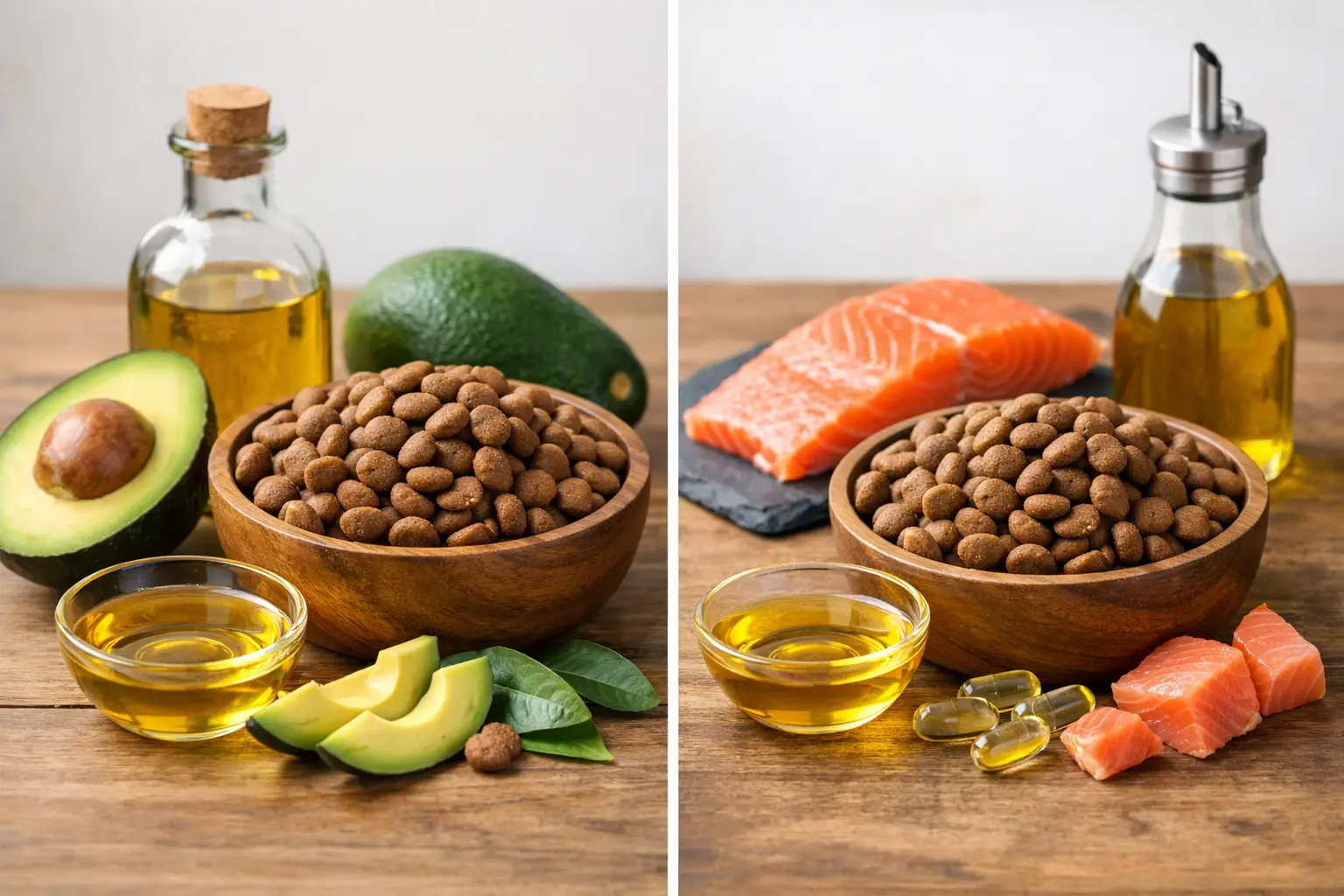
Essential fatty acids are especially important. Omega fatty acids help support skin moisture and promote a soft, glossy coat. High-quality fat sources can make a visible difference over time, but they are not overnight fixes. Skin turnover takes time, so if diet is part of the answer, improvements usually happen gradually over several weeks.
Protein quality matters too. Skin and hair are built from protein, so low-quality nutrition can show up externally. This is one reason premium, complete, and balanced food can be such a smart foundation for dogs with ongoing skin concerns.
For some dogs, ingredient sensitivity is the bigger issue. They may not have a true food allergy, but certain ingredients still seem to leave them itchy, flaky, or uncomfortable. In those cases, a simplified or thoughtfully formulated diet may help reduce the background irritation that keeps skin from looking and feeling its best.
Brands focused on skin and coat wellness, including avocado- and avocado oil-based nutrition like AvoDerm, are built around this exact idea – that good health shows in the skin and coat. The goal is not a quick cosmetic cover-up. It is everyday nourishment that supports healthy skin from within.
How to help a dog with flaky skin at home
If your dog seems comfortable and the flaking is mild, a few simple changes may help. Start with grooming. Brush regularly to remove loose skin and distribute natural oils through the coat. Be gentle, especially if your dog already seems irritated.
Take a look at your bath routine. If you are bathing frequently, scale back unless your veterinarian has recommended otherwise. Use a dog-specific shampoo designed for sensitive or dry skin. Human shampoos are not a good substitute because they can disrupt your dog’s skin balance.
Hydration and indoor air can make a difference too. Make sure fresh water is always available, and in very dry climates or during winter, a humidifier may help reduce dryness in the home environment.
Then consider the bowl. If your dog has been eating a food that does not seem to support skin and coat condition, it may be time to talk with your veterinarian about a nutritionally balanced formula with skin-supporting fats and quality ingredients. Food changes should be made gradually to avoid digestive upset.
When flaky skin needs a vet visit
Some cases should not wait. If your dog’s flaky skin is severe, spreading, or paired with hair loss, strong odor, open sores, redness, or constant scratching, it is time to call your veterinarian. The same goes for puppies, senior dogs, or dogs with other health changes like low energy or weight loss.
Your vet may look for parasites, infections, allergies, or underlying medical conditions. Hormonal imbalances and other systemic issues can affect the skin too, even when the flakes are what you notice first. That is why persistent dandruff deserves more than guesswork.
There is also an it-depends factor with supplements and over-the-counter skin products. Some dogs benefit from them, some do not, and some need treatment for a specific issue before nutritional support can really shine. If your dog’s skin has been struggling for a while, targeted advice is worth it.
Preventing future flare-ups
Once your dog’s skin improves, prevention becomes the real win. Keep grooming consistent but not excessive. Stay current on flea prevention. Pay attention to seasonal changes, especially if your dog tends to get drier in winter or itchier in spring and summer.
Most of all, think long term about nutrition. A shiny coat usually gets the compliments, but skin is where the real story starts. Feeding a complete and balanced diet with ingredients that support skin moisture and coat condition helps create a stronger foundation every day.
If you have been asking, why does my dog have flaky skin, the answer may be as simple as dry weather or as layered as allergies, grooming habits, and nutrition working together. The encouraging part is that flaky skin is often something you can improve once you identify what is driving it. A healthier skin barrier, better comfort, and a more beautiful coat are all connected – and your dog can show you the difference.