
When your cat starts vomiting after meals, scratching more than usual, or leaving the litter box with loose stool, feeding can turn stressful fast. Finding the right cat food for food intolerance often comes down to one thing – choosing a formula that is simpler, gentler, and built to support whole-body wellness, not just fill the bowl.
Food intolerance in cats is often confused with food allergies, but they are not exactly the same. A true food allergy involves the immune system. A food intolerance is more commonly tied to digestion, ingredient sensitivity, or difficulty processing certain components in a recipe. To a pet parent, the distinction may not change the day-to-day frustration much, but it does matter when you are trying to choose a better food.
What food intolerance can look like in cats
Some signs are obvious, while others build slowly over time. A cat with food intolerance may have vomiting, gas, diarrhea, soft stools, or inconsistent appetite. Others show it through their skin and coat. You might notice excessive licking, flaky skin, or a coat that looks dull instead of soft and glossy.
That overlap is part of what makes food sensitivity tricky. Digestive upset and skin issues can come from several causes, including parasites, stress, sudden diet changes, or underlying health conditions. If symptoms are persistent, a veterinarian should always be part of the conversation.
Still, nutrition is one of the first places many pet parents look, and for good reason. When a formula contains ingredients your cat tolerates well, you may see steadier digestion, less irritation, and a healthier-looking coat.
How to choose cat food for food intolerance
The best cat food for food intolerance is not automatically the most expensive or the most heavily marketed. What matters is ingredient quality, digestibility, and whether the formula avoids likely triggers for your cat.
A shorter ingredient panel can help, especially when you are trying to identify what may be causing trouble. Limited ingredient diets are popular because they narrow the number of variables. If your cat does poorly on a recipe with several protein sources, grains, or extras, a more focused formula may make patterns easier to spot.
Protein choice is often the first thing people examine. Some cats do better when they move away from a protein they have eaten for years. Others are not reacting to the protein itself, but to a combination of ingredients in the formula. That is why there is no universal answer. Chicken may be perfectly fine for one cat and a problem for another.
Digestibility matters just as much as ingredient selection. A food can look impressive on the label and still be too rich or irritating for a sensitive cat. Cats with food intolerance often do best on recipes designed with balanced nutrition, careful ingredient sourcing, and a straightforward approach to formulation.
Common ingredients that may trigger sensitivity
There is no master list that applies to every cat, but some ingredients come up more often than others in food intolerance conversations. Certain animal proteins, dairy, artificial colors, and heavily complicated recipes can all be potential issues. For some cats, it is not one dramatic trigger but a buildup of ingredients that their system does not handle well.
That is where premium nutrition can make a real difference. Recipes made with quality ingredients and a clear nutritional purpose can be easier to trust when your cat needs consistency. Many pet parents also look for foods without unnecessary fillers or overly complex ingredient blends.
Fat quality is another piece of the picture. Cats need fat in their diet, but the source and balance matter. Nutrient-rich oils can help support skin and coat health, which is especially valuable when food intolerance shows up on the outside as much as in digestion.
Why skin and coat support matter
When people think about food intolerance, they often think first about the stomach. But your cat’s skin and coat can tell you a lot about how well a food is working. Dry skin, excess shedding, and a rough-looking coat may point to a formula that is not supporting your cat as well as it should.
This is where functional ingredients earn their place. Nutrients like omega fatty acids help support the skin barrier and maintain a soft, healthy coat. For cats with food sensitivity, that added support can be especially helpful because irritation often does not stay limited to the digestive tract.
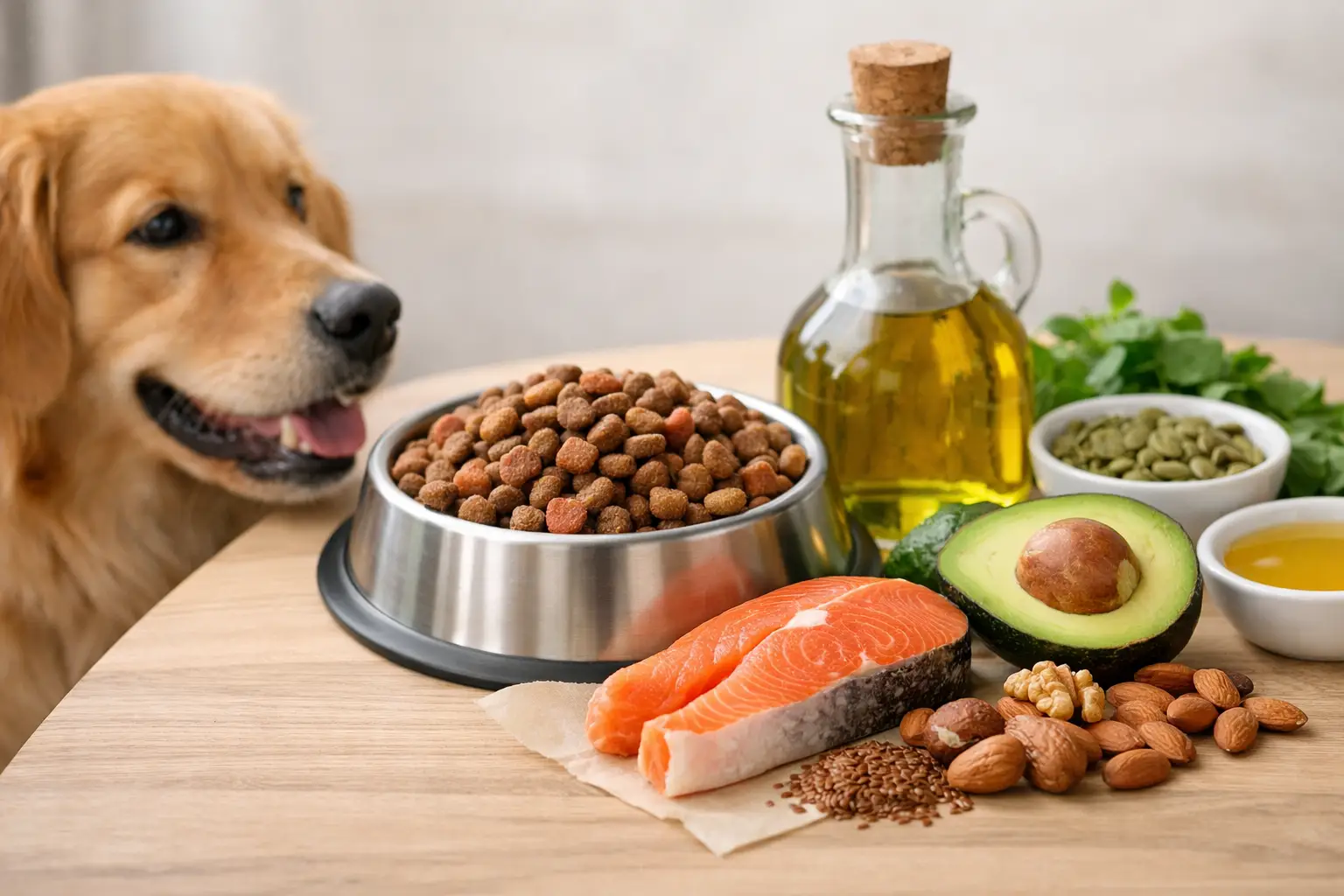
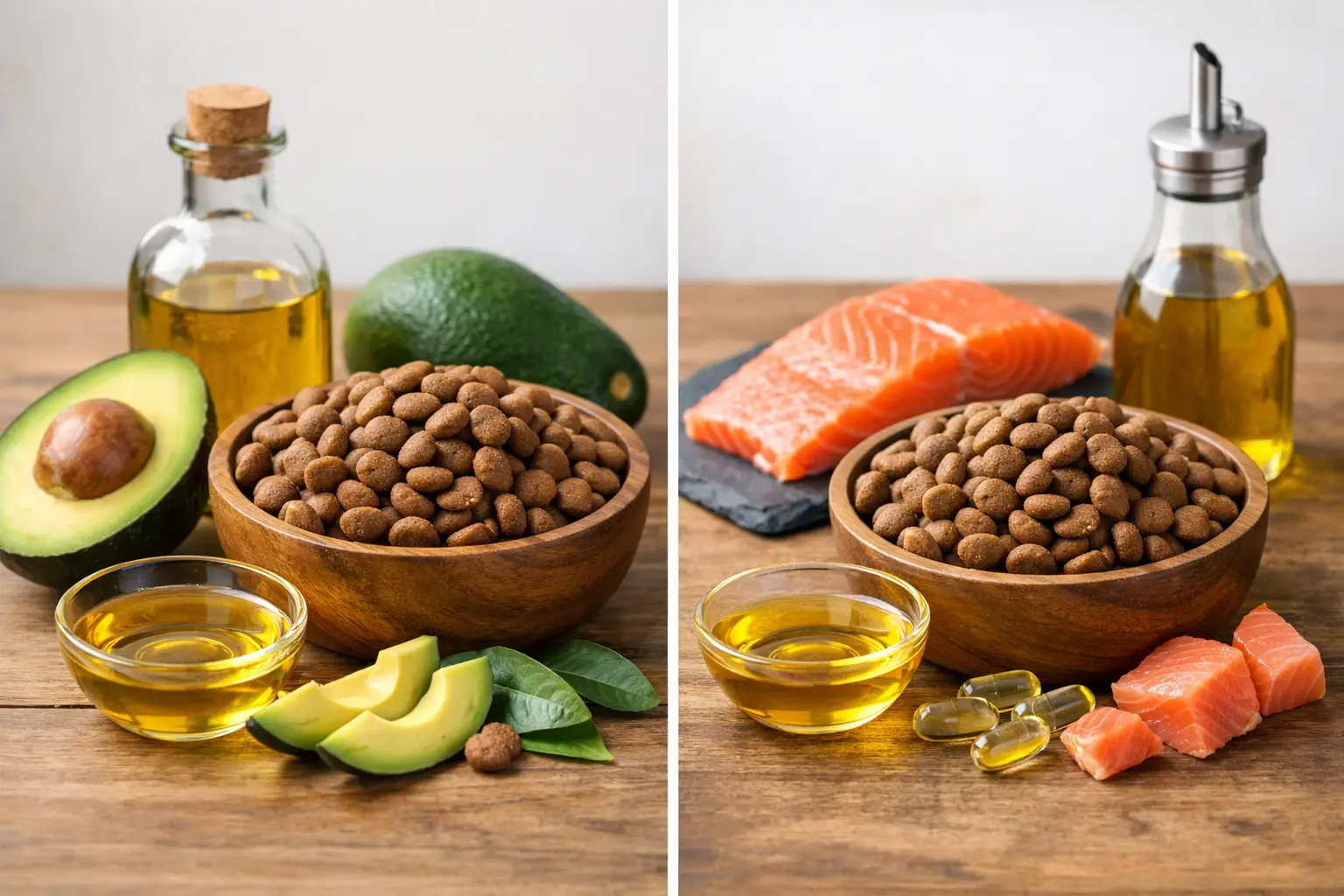
Avocado and avocado oil are standout ingredients in this space because they provide naturally good fats that support skin and coat health. In a thoughtfully made cat food, they can contribute to visible wellness in a way pet parents can actually notice. Good health shows, and sometimes the first sign that a new food is a better fit is that your cat’s coat starts looking beautiful again.
Wet, dry, or both?
Cats with food intolerance can do well on wet food, dry food, or a combination of the two. It depends on the cat, the recipe, and how the food fits into your routine.
Wet food can be appealing for cats who need extra moisture or have a reduced appetite during digestive upset. Dry food offers convenience and can work very well when the formula is designed for sensitive systems. Some pet parents use both to create variety while keeping the core nutrition consistent.
The key is not format alone. It is how your cat responds to the formula over time. If stools improve, vomiting becomes less frequent, and your cat seems more comfortable after meals, you are likely moving in the right direction.
Transitioning to a new cat food for food intolerance
Even the right food can cause temporary digestive upset if you switch too quickly. Sensitive cats usually do best with a gradual transition over seven to ten days. Start by mixing a small amount of the new food into the current food, then slowly increase the proportion.
This step matters more than many people realize. If you change foods overnight and your cat has digestive issues, it can be hard to tell whether the problem is the new formula or just the speed of the switch. A slower transition gives your cat’s digestive system time to adjust and gives you a cleaner read on how the food is performing.
During this period, keep treats and table scraps consistent or, better yet, minimal. If you are trying to identify a food intolerance, too many extras can muddy the picture.
What to look for after the switch
Improvement is not always instant. Some cats show a difference within days, while others need several weeks before skin, coat, and digestive changes become clear.
Look for more predictable stools, less vomiting, reduced itching, and steady energy. Your cat’s coat may start to feel softer and look shinier. Appetite may become more consistent. Those visible changes can tell you a lot about whether the food is supporting your cat from the inside out.
If symptoms continue despite a careful transition to a gentle formula, it may be time for a deeper evaluation with your veterinarian. Some cats need a true elimination diet or testing for conditions that mimic food intolerance. Nutrition is powerful, but it is one part of the larger health picture.
Choosing a formula you can feel good about
For most pet parents, the goal is not just avoiding a trigger. It is finding a complete and balanced food that helps their cat thrive every day. That means looking for a formula with purposeful ingredients, dependable quality standards, and benefits you can actually see.
A premium recipe that supports digestion while also nourishing skin and coat can be a smart choice for sensitive cats. That balance matters because food intolerance rarely feels isolated. When your cat is more comfortable, the whole household feels it.
AvoDerm approaches pet nutrition with that kind of whole-body mindset, pairing complete and balanced recipes with avocado-based nutrition that helps support healthy skin and a beautiful coat.
If your cat has been struggling, take heart. The right food does not need to be trendy or complicated. It needs to be well made, thoughtfully chosen, and gentle enough to help your cat feel like themselves again.