
If your dog seems perfectly fine one week and then starts scratching, licking paws, dealing with loose stools, or turning away from the bowl the next, food can quickly become the first suspect. A food sensitivity dog diet is often less about chasing trendy ingredients and more about choosing a steady, simple formula your dog can truly handle.
For many pet parents, the hard part is that food sensitivities rarely show up in one obvious way. Some dogs get itchy skin or recurring ear issues. Others have gas, soft stool, vomiting, or inconsistent appetite. A few show both skin and digestive signs at the same time, which can make everyday feeding feel like guesswork.
What a food sensitivity dog diet is meant to do
A good food sensitivity dog diet is designed to reduce the chance that everyday meals trigger an unwanted reaction. That usually means fewer unnecessary ingredient changes, carefully selected protein and carbohydrate sources, and complete, balanced nutrition that supports the whole dog, not just one symptom.
This matters because sensitive dogs still need everything any healthy dog needs – quality protein, essential fatty acids, vitamins, minerals, and calories that fit their life stage and activity level. The goal is not to feed less. It is to feed smarter.
When pet owners start troubleshooting food, they sometimes focus only on what is missing. Grain-free, chicken-free, dye-free, this-free, that-free. Sometimes those changes help, but not always. What often makes the bigger difference is a formula built around digestibility, consistency, and skin-supportive nutrition.
Common signs your dog may need a food sensitivity dog diet
Not every itch points to food, and not every stomach issue starts in the bowl. Seasonal allergies, treats, table scraps, stress, sudden food changes, and even overfeeding can create symptoms that look similar. Still, a pattern tied to meals or long-term irritation can be worth a closer look.
Dogs with food sensitivities may show itchy skin, frequent paw chewing, recurring ear irritation, dull coat quality, or hot spots. Others may have gas, bloating, soft stool, or occasional vomiting. Some simply seem uncomfortable after eating and never develop the steady energy or healthy appearance pet parents expect from a premium diet.
Good health shows in everyday ways. A comfortable dog rests more easily, digests meals more consistently, and often has a healthier-looking coat. That is why skin, coat, and digestion are so closely connected when you are evaluating food.
Why ingredient choice matters
Sensitive dogs do best when their food gives the body fewer reasons to react. That does not mean every dog needs an ultra-restricted menu. It means the ingredients should be purposeful.
Protein is usually the first place pet owners look, and for good reason. Some dogs handle one protein source better than another. If your dog seems to flare up after certain meals, switching to a different primary protein may help. The key is giving the new food enough time and keeping the rest of the diet consistent so you can actually tell what changed.
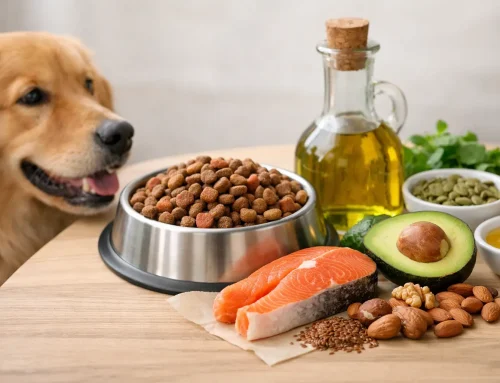
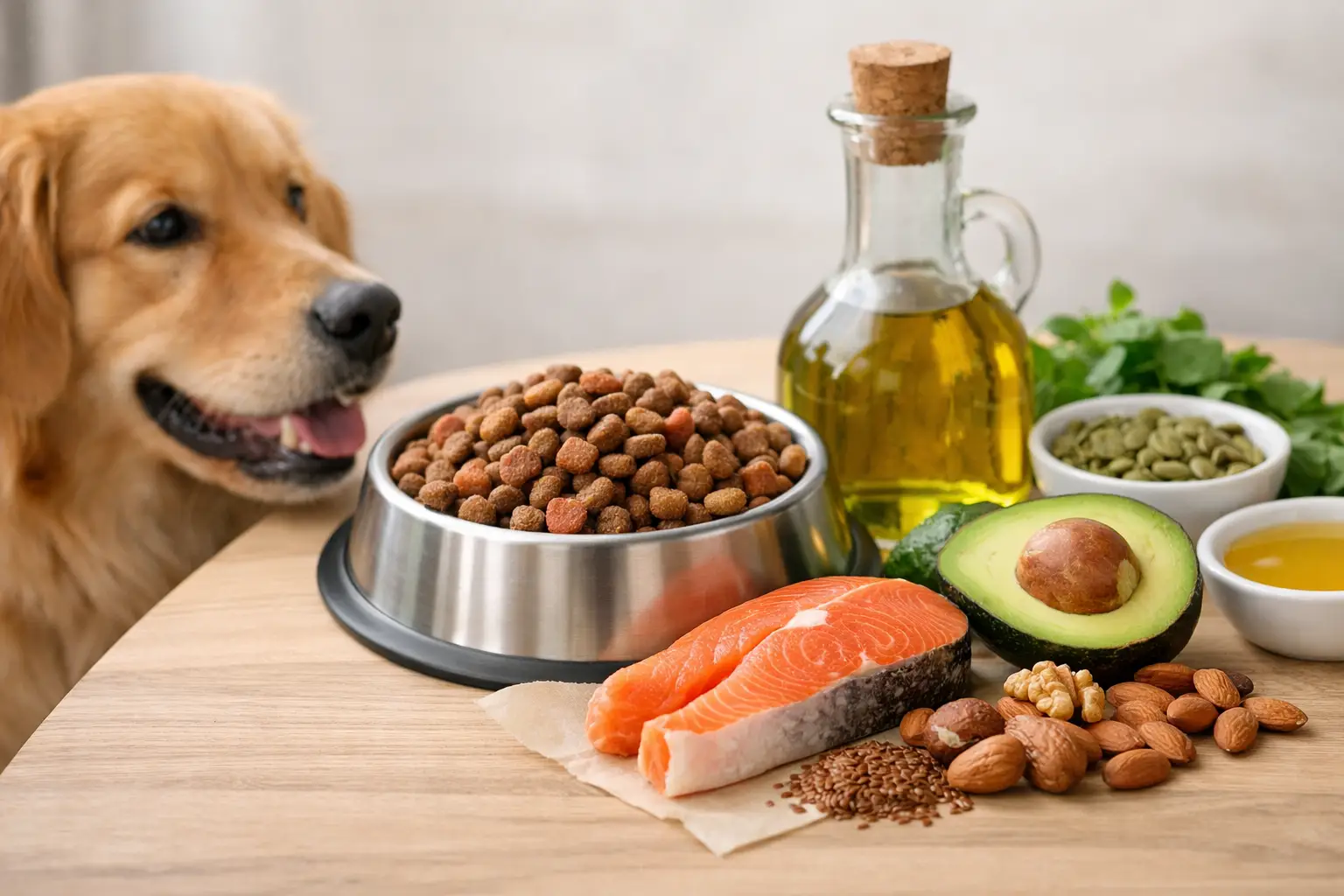
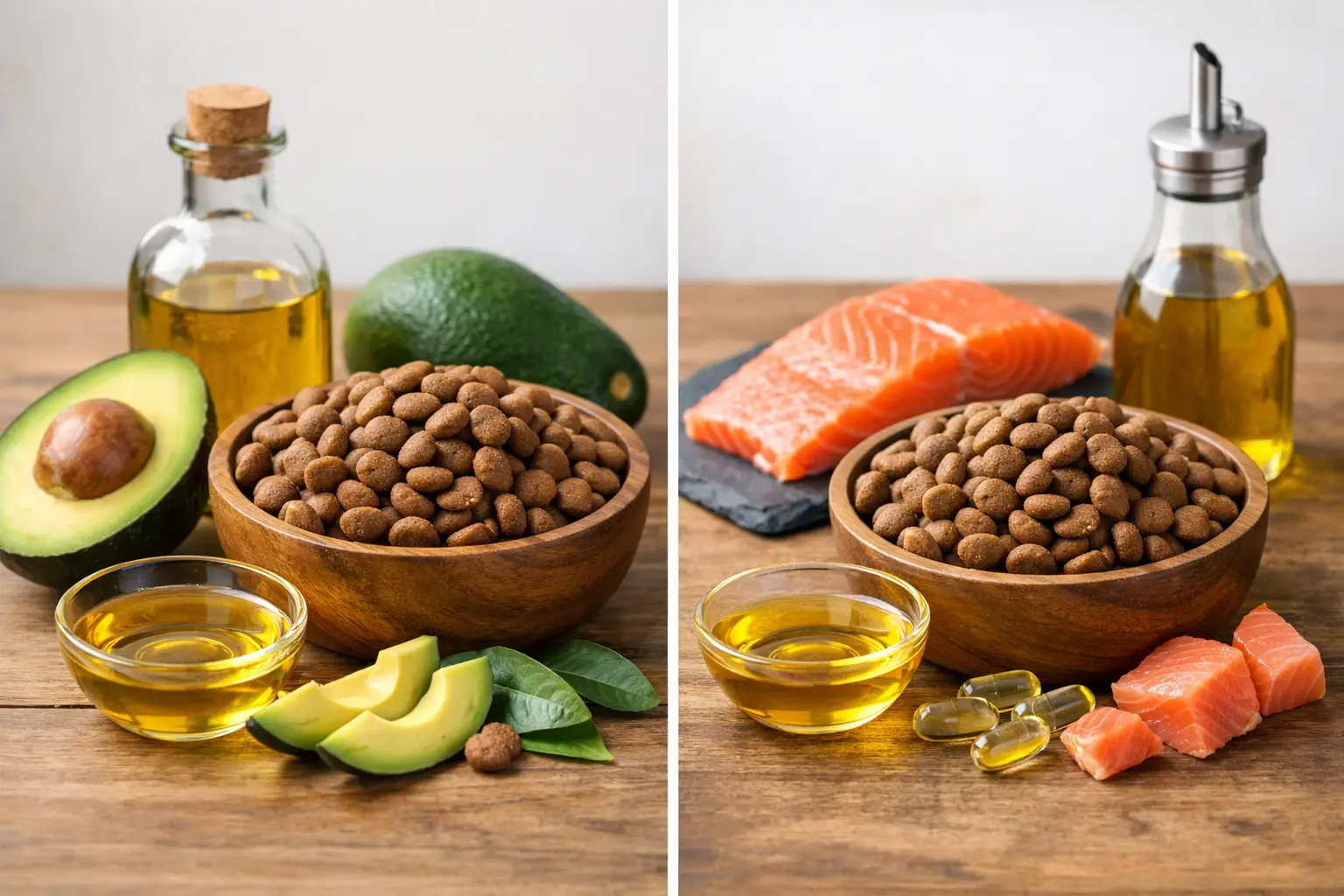
Carbohydrates matter too. A highly digestible carbohydrate source can help support gentler digestion, especially for dogs with sensitive stomachs. Beyond the headline ingredients, fat quality also plays an important role. Omega-rich oils can support skin and coat health, which is especially valuable for dogs whose sensitivities show up on the outside first.
That is where functional ingredients can really shine. Avocado and avocado oil, for example, provide beneficial fats that help nourish skin and support a healthy, beautiful coat. For dogs with food-related skin stress, that kind of support can make a visible difference over time.
What to look for in a sensitive stomach or skin formula
The best formula for your dog depends on the symptoms, your veterinarian’s guidance, and your dog’s feeding history. Still, there are a few qualities that tend to matter across the board.
Look for a food with a clear, consistent ingredient list and complete, balanced nutrition. You want a recipe that is made to be fed daily, not a temporary fix that leaves nutritional gaps. A named animal protein source is helpful, and so is a formula designed with skin and coat support in mind.
It also helps to choose a food from a brand that is transparent about sourcing and manufacturing. Sensitive dogs often do better when their diet stays consistent from bag to bag, so trust and quality control matter. When you know where a food is made and understand the ingredient story behind it, feeding feels more confident.
A well-made sensitive dog formula should also be realistic for everyday life. If it is so complicated that everyone in the household struggles to follow it, results can be harder to see. Simple routines usually win.
What can get in the way of progress
One of the biggest challenges with food sensitivities is that the dog may not be reacting only to the main meal. Treats, flavored chews, table food, meal toppers, and even those little training rewards can keep symptoms going.
This is where many elimination efforts fall apart. A pet parent changes the food but keeps handing out the same snacks, and then assumes the new formula is not helping. If you are trying a new diet, everything your dog eats should match that plan as closely as possible for a fair trial.
Timing matters too. Some digestive changes improve fairly quickly, while skin improvements often take longer. If your dog has been uncomfortable for a while, the body may need several weeks of steady feeding before you see a more settled coat and skin condition. Quick judgments can lead to unnecessary food hopping, which can make sensitive dogs even harder to evaluate.
How to switch to a food sensitivity dog diet
A slower transition is usually the better move, especially for dogs with stomach issues. Start by mixing a small amount of the new food into the current food, then gradually increase the new formula over about 7 to 10 days. If your dog has a particularly sensitive digestive system, your veterinarian may suggest going even slower.
During the transition, keep portions measured and avoid adding extras unless your veterinarian recommends them. Watch stool quality, appetite, skin condition, energy, and scratching. The goal is not perfection overnight. The goal is a clear trend in the right direction.
If your dog improves on the new diet, consistency is your friend. Resist the urge to test every new treat on the shelf just because things are going well. Sensitive dogs often do best when feeding stays boring in the best possible way – predictable, nourishing, and easy on the body.
When food is only part of the picture
Here is the honest part: it depends. Some dogs truly have food sensitivities, while others have environmental allergies, underlying skin conditions, or digestive issues that need veterinary care. A diet can be a powerful tool, but it is not a cure-all for every itch or upset stomach.
If your dog has severe symptoms, chronic ear infections, persistent vomiting, weight loss, or ongoing diarrhea, it is time to involve your veterinarian. They can help rule out other causes and guide you toward the right type of nutrition support.
That said, food is still one of the most practical places to make a meaningful change. Feeding happens every day, often twice a day, so a well-chosen formula can steadily support your dog’s comfort, coat quality, and digestive balance over time.
The bigger payoff of feeding for sensitivity support
When a sensitive dog lands on the right food, the results often show up in ways that feel bigger than nutrition alone. Mealtimes become easier. Skin seems calmer. The coat looks healthier. Stools become more predictable. Your dog seems more comfortable just being a dog.
That is why a thoughtful formula matters. A premium food made with purposeful ingredients, including skin-supportive fats and carefully selected proteins, can help bring more calm to your dog’s daily routine. Brands like AvoDerm build around that idea by pairing complete, balanced nutrition with the wellness benefits of avocado and avocado oil, giving pet parents a food choice that supports both sensitivity concerns and visible coat health.
Sometimes the best next step is not the most dramatic one. It is choosing a food you can trust, feeding it consistently, and giving your dog the time to show you what works.