
That stubborn paw licking after dinner, the loose stools that come and go, the itchy skin that never quite settles – these are often the moments that send pet parents looking for a real dog food sensitivity guide, not just another vague feeding tip. Food sensitivities can be frustrating because the signs are easy to mistake for something else, and the best path forward is usually more thoughtful than simply switching to the first bag labeled for sensitive stomachs.
What a dog food sensitivity guide should help you understand
A food sensitivity is not always the same thing as a true food allergy. In many dogs, sensitivities show up as ongoing digestive upset, skin irritation, excessive scratching, ear issues, gassiness, or inconsistent stool quality. The reaction may be slower and less dramatic than an allergy, which is one reason it can take time to connect symptoms to the bowl.
That gray area matters. If your dog has a medical issue, parasites, seasonal allergies, or another underlying condition, food may only be part of the picture. Still, diet is one of the most practical places to start because it affects your dog every single day.
Common signs your dog may have food sensitivities
Some dogs make it obvious. Others show subtle changes that build over time. The most common signs include itchy skin, recurrent licking of paws, red ears, dull coat, soft stool, vomiting, excess gas, and changes in appetite or enthusiasm at mealtime.
Skin and digestion are especially connected here. When a dog is not thriving on a formula, you may notice both visible and internal clues at once – maybe their coat loses shine while their stool becomes unpredictable. Good health shows, and when nutrition is working well, you often see it in the skin, coat, energy, and overall comfort.
Why sensitivities can be hard to pinpoint
The challenge is that symptoms do not always appear right after a meal. A dog may eat the same food for weeks or months before signs become obvious enough to notice. On top of that, treats, table scraps, flavored chews, and supplements can muddy the picture.
Ingredient labels also require a closer look than many pet parents expect. A food may sound simple on the front of the bag but still include multiple protein sources or extras that make troubleshooting harder. If you are trying to isolate a sensitivity, consistency matters as much as ingredient quality.
The ingredients that deserve a closer look
Proteins are often the first thing people focus on, and for good reason. Chicken, beef, dairy, and eggs are common triggers in some dogs, though any ingredient can become a problem for an individual pet. That does not mean these ingredients are bad across the board. It simply means your dog may do better with a different protein source.
Carbohydrates can matter too, especially if a formula includes several grain or starch sources and your dog has ongoing digestive upset. In some cases, richer recipes or foods with many add-ins can overwhelm a sensitive system even when the ingredients are high quality.
This is where clean formulation becomes valuable. A thoughtfully made food with targeted ingredients can make it easier to feed with confidence and track results over time.
How to choose food for a sensitive dog
The best place to start is with a complete and balanced formula designed with digestibility in mind. Look for a clearly identified protein source, a manageable ingredient list, and nutrition that supports skin, coat, and digestive wellness. If your dog has struggled with irritation or stomach upset, it often helps to avoid bouncing between formulas too quickly. The goal is not to keep experimenting forever. It is to find a food your dog can truly settle into.
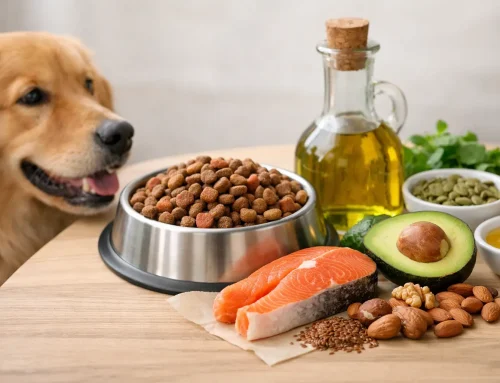
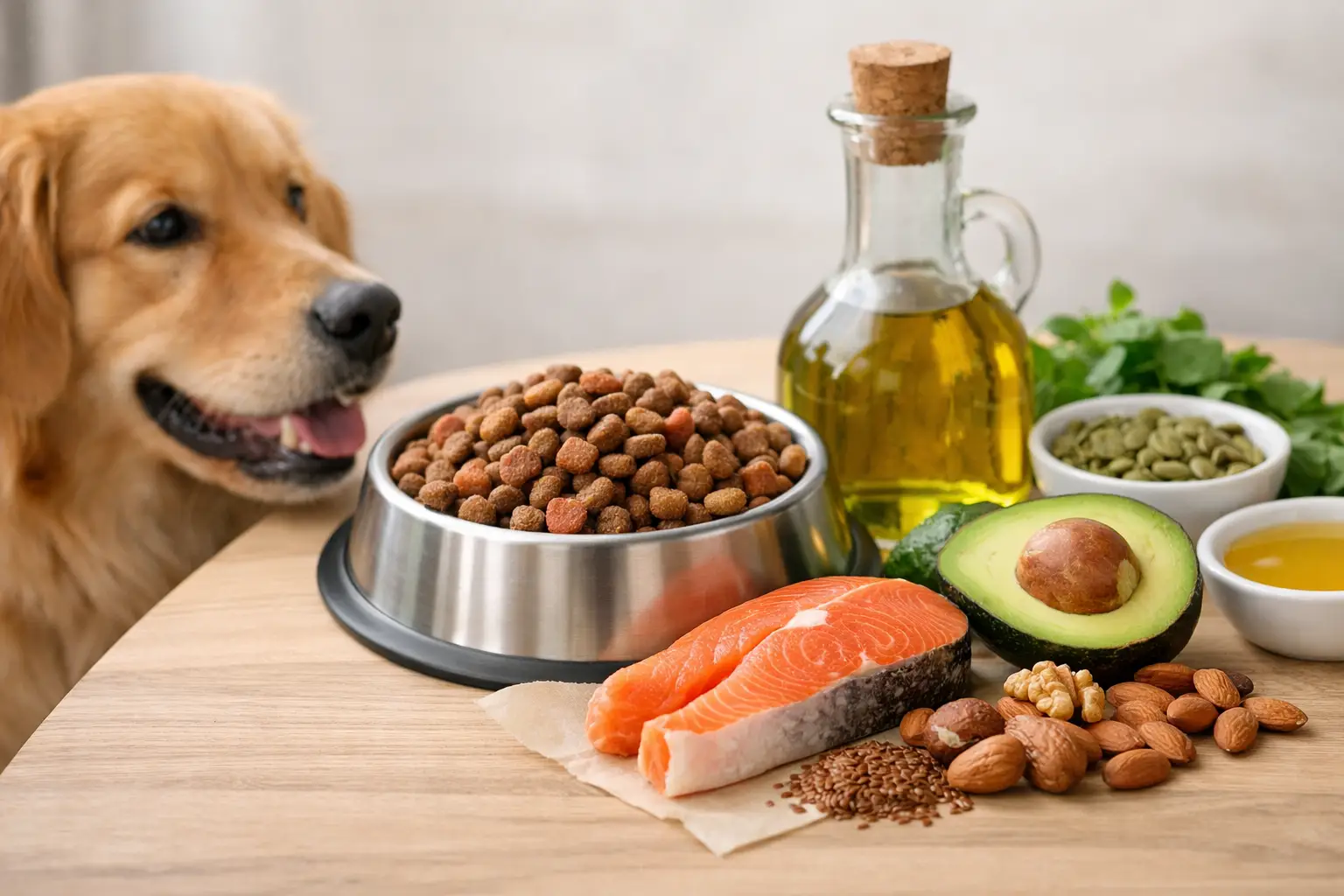
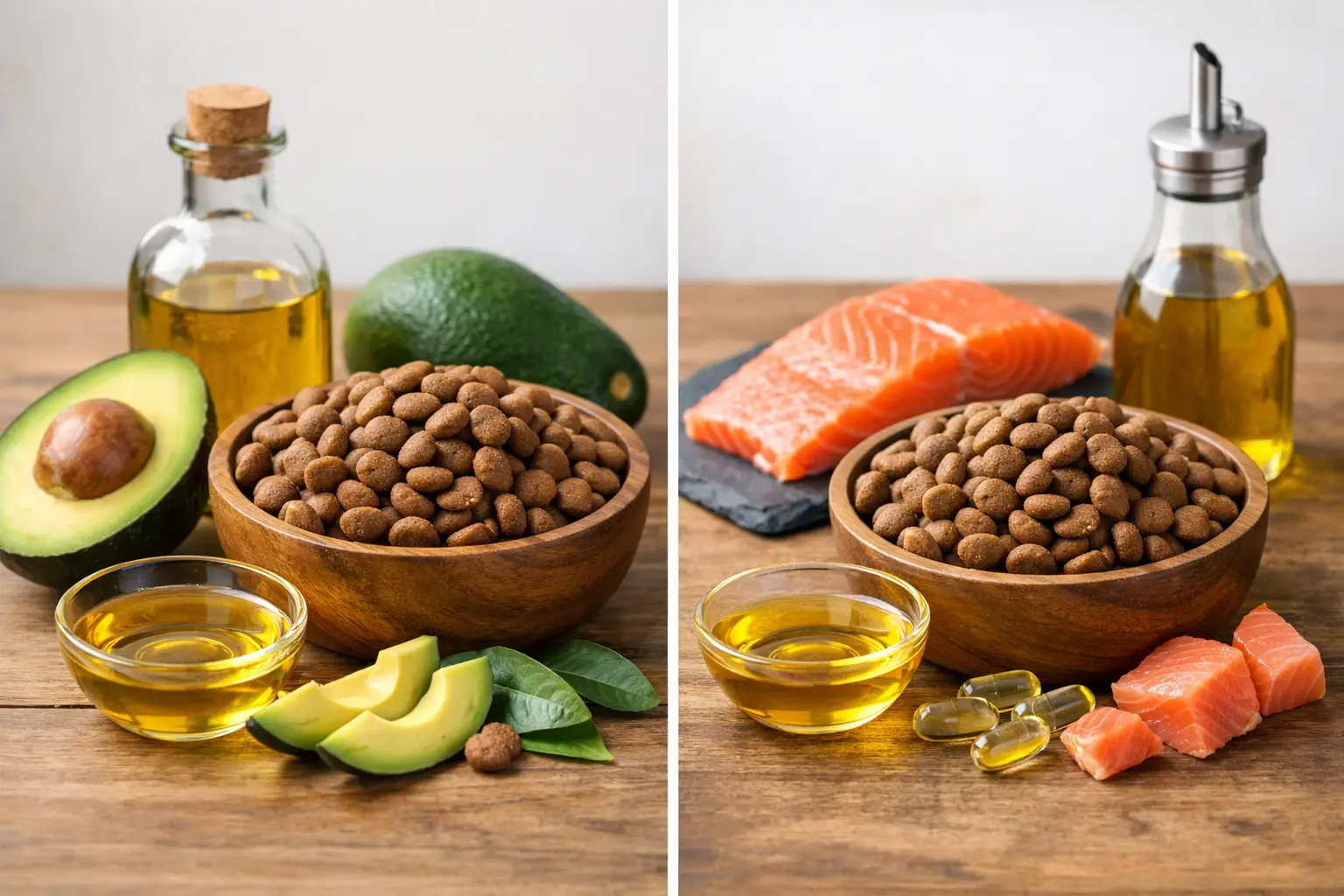
Fat quality matters here as well. Dogs with sensitivities still need healthy fats, but the source and balance make a difference. Nutrient-rich ingredients that support skin and coat can be especially helpful when food issues show up on the outside. Omega-rich avocado and avocado oil, for example, can play a supportive role in overall skin and coat health while contributing to complete daily nutrition.
Some pet parents assume they need the most limited formula possible. Sometimes that is true. Sometimes it is not. If your dog has mild sensitivity, a high-quality natural food with digestible ingredients and steady feeding habits may be enough to make a visible difference.
Transition slowly or you may miss the real issue
One of the most overlooked parts of any dog food sensitivity guide is the transition itself. Even an excellent food can cause temporary digestive upset if the switch happens too fast. That can make it harder to tell whether the food is actually a poor fit or whether your dog simply needed more time.
A gradual transition over seven to ten days is often a smart place to begin. Mix a small amount of the new food with the old food, then slowly increase the new portion every few days. If your dog has a very sensitive stomach or a history of difficult transitions, go even more slowly.
Patience helps here. If you change the food, add new treats, and alter portion sizes all at once, you lose the ability to read what is working.
Keep the rest of the diet simple
If you are trying to identify a food sensitivity, extras count. Treats, dental chews, flavored medications, people food, meal toppers, and even certain supplements can introduce ingredients that throw off the process. During a feeding trial, simple is better.
That does not mean your dog has to miss out entirely. It means choosing treats that align with the food you are feeding and being careful about ingredient overlap. If your dog improves on the main diet but still gets itchy after chews or table scraps, the bag of food may not be the real problem.
How long before you see results?
Digestive changes can show up within days, especially when stool quality is the main issue. Skin and coat improvements usually take longer. If your dog has been scratching for a while or has a coat that looks dry and tired, visible progress may take several weeks.
This is where many pet parents get discouraged too soon. A formula that supports sensitive dogs may not create overnight change, but steady improvement matters more than instant perfection. Less licking, better stool consistency, calmer skin, and a softer, shinier coat are all signs that you may be on the right track.
When to call your veterinarian
Food sensitivity is common, but it is not the only explanation for digestive or skin issues. If your dog has severe vomiting, persistent diarrhea, weight loss, blood in the stool, ongoing ear infections, major appetite changes, or signs that seem to be getting worse, it is time to involve your veterinarian.
Veterinary guidance is also especially helpful if your dog needs an elimination diet or has multiple suspected triggers. Sometimes the answer is straightforward. Other times, the best plan includes both dietary management and medical care.
A practical way to move forward
Start with observation. Write down your dog’s symptoms, current food, treats, and timing. Then choose one well-matched, complete and balanced food and give it a fair trial. Feed consistently, transition slowly, and keep the rest of the diet as clean as possible.
For pet parents focused on visible wellness, this approach tends to feel more manageable and more useful than chasing every trend. A premium formula built around quality ingredients, digestibility, and skin and coat support can do a lot of heavy lifting, especially when your dog needs everyday nutrition that feels gentle and dependable. That is one reason many sensitive-dog households look for natural recipes with purposeful ingredients, including options from brands like AvoDerm.
Your dog does not need a perfect feeding journey. They need a steady one. When you pair close observation with thoughtful nutrition, you give them the best chance to feel better, look healthier, and enjoy every meal with a little more comfort.