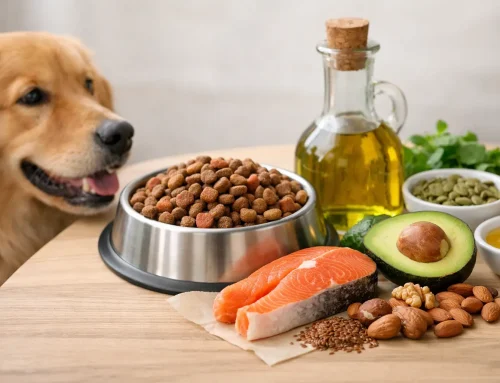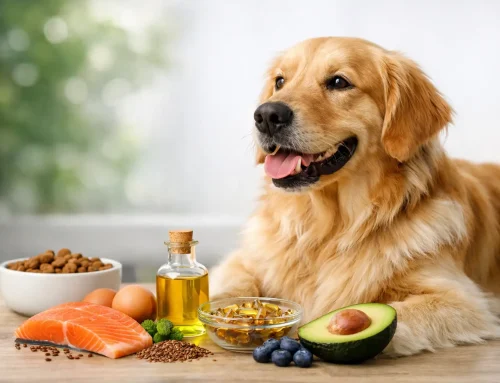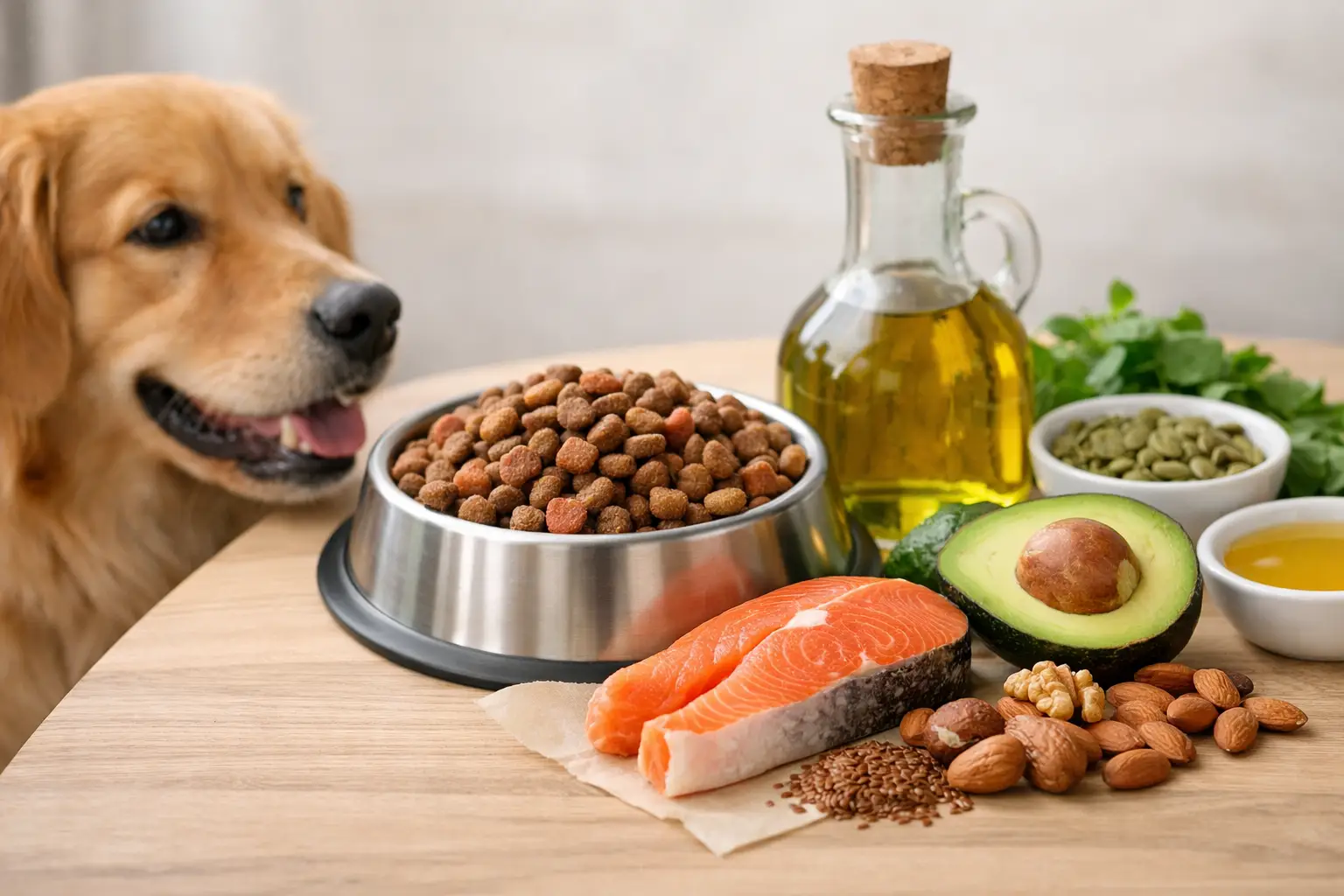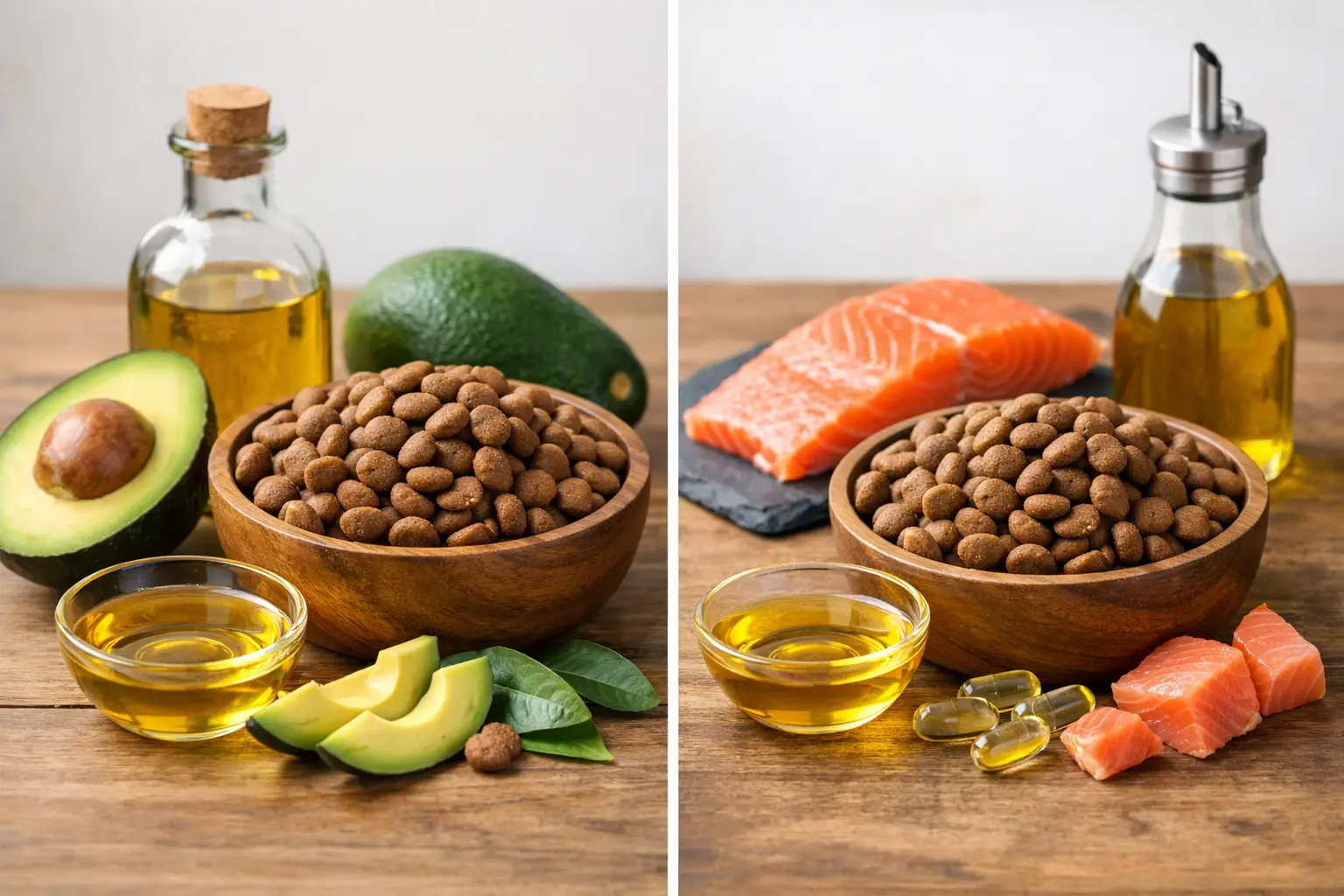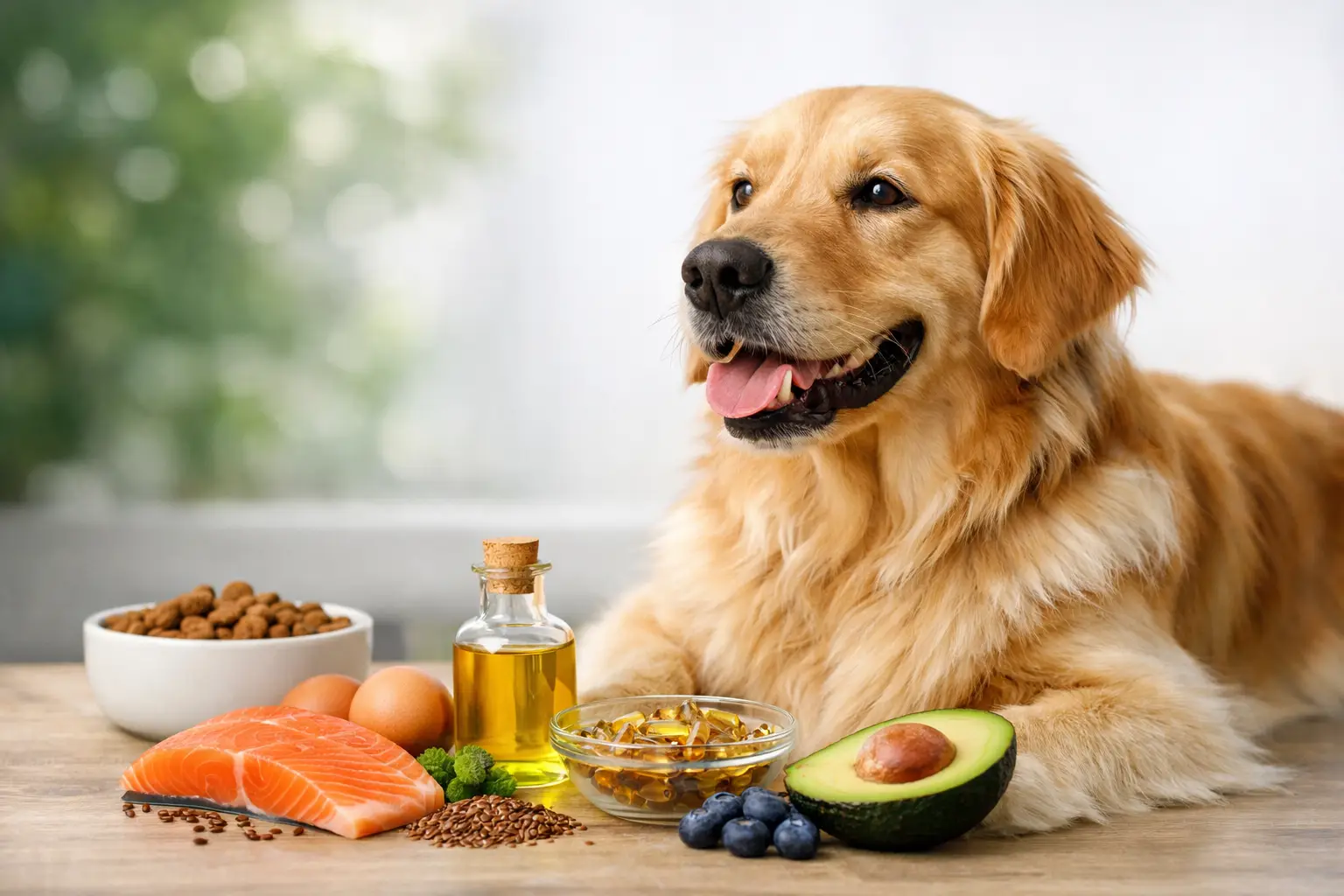

A coat that feels soft after a good scratch and catches the light on a walk can be a welcome sign that your dog is getting the nutrition they need. That is where understanding how avocado oil supports dog coat health can be useful. This nutrient-rich oil supplies beneficial fats that help nourish skin, the foundation from which every healthy-looking hair grows.
A beautiful coat is not simply a cosmetic goal. Dryness, dullness, excess shedding, or a rough texture can sometimes point to everyday factors such as diet, grooming habits, seasonal weather, or an underlying health concern. A thoughtfully formulated food with avocado oil can be one part of a practical, whole-dog approach to skin and coat wellness.
How avocado oil supports dog coat health
Your dog’s skin has a big job. It acts as a protective barrier against the outside world while helping hold moisture where it belongs. To do that work well, it needs the right balance of nutrients, especially dietary fats.
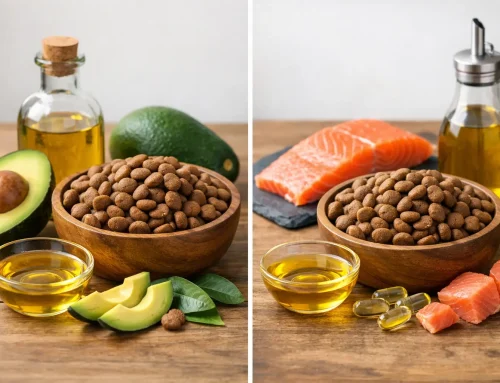
Avocado oil contains unsaturated fatty acids, including monounsaturated fats, that can support healthy skin and a healthy, glossy coat when included as part of complete and balanced nutrition. Fats are not just an energy source. They also help the body use fat-soluble vitamins, including vitamins A, D, E, and K, which play meaningful roles in normal body function.
When skin is properly nourished, it is better positioned to maintain its natural moisture barrier. For many pet parents, that support can show up as a coat that looks smoother, feels softer, and has a more noticeable shine over time. Results vary by dog, of course. Coat condition also depends on genetics, age, environment, grooming, and the rest of the diet.
Healthy skin comes first
It is easy to focus on the fur you can see, but coat quality begins beneath it. Hair grows from follicles in the skin, so healthy skin is essential for a healthy-looking coat. Nutrition that provides appropriate fat levels can help support that skin-and-coat connection from the inside out.
Avocado oil is especially appealing because it brings functional nutrition from a recognizable, plant-based ingredient. In a premium dog food, it can complement other carefully selected ingredients to help deliver the fatty acids dogs need for daily wellness. It is not a quick fix for every skin concern, but it is a smart nutritional building block.
A natural source of beneficial fats
Dogs need fat in their diet, but quality and balance matter. A diet that is too low in essential fatty acids may leave less nutritional support available for the skin and coat. At the same time, adding extra oils to meals without guidance can add more calories than your dog needs.
That is why avocado oil works best when it is included in a food formulated for complete and balanced daily feeding. The amount is measured within the recipe, alongside protein, vitamins, minerals, and other nutrients. Your dog gets the benefits of thoughtfully balanced nutrition without turning every meal into a guessing game.
What a nourished dog coat may look like
Nutrition does not make every dog’s coat look the same. A glossy Labrador coat, a fluffy Poodle coat, and a wiry Terrier coat should each have their own natural texture. The goal is not to make every dog silky. The goal is to support the coat they are meant to have.
With consistent nutrition and appropriate care, pet parents often look for a coat that feels soft or resilient for the breed, looks clean and full, and has less dry-looking dullness. Healthy skin should also be comfortable, without persistent redness, flakes, odor, or frequent scratching.
Keep expectations realistic. Hair grows in cycles, and visible changes take time. If you switch to a food designed for skin and coat support, give your dog’s system time to adjust and allow several weeks to evaluate how they are doing. A gradual food transition can also help make the change gentler on digestion.
Why the full recipe matters as much as the oil
Avocado oil deserves attention, but it is only one piece of the bowl. A dog’s coat relies on several nutritional partners working together. Quality protein supplies amino acids that support hair structure, while essential fatty acids support skin health. Vitamins and minerals, including zinc and vitamin E, also contribute to normal skin function and antioxidant support.
This is why a complete food can be more helpful than relying on a single supplement. A food built around skin and coat nutrition gives your dog a consistent nutrient profile at every meal. AvoDerm recipes use avocado and avocado oil as signature ingredients within complete and balanced nutrition designed to help good health show.
For dogs with food sensitivities, ingredient simplicity can matter, too. Sensitivities may affect the skin, ears, or digestive system, and the best diet depends on the individual dog and the ingredients they tolerate. A limited-ingredient or sensitivity-focused plan may be worth discussing with your veterinarian if your dog has recurring concerns.
Can dogs have avocado oil safely?
Pet parents are right to ask, because avocado safety is often misunderstood. Avocado contains a natural substance called persin, and some animals are more sensitive to it than others. Dogs are generally less sensitive than birds and certain other species, but that does not mean dogs should freely eat avocado pits, peels, or large amounts of fresh avocado.
The pit is also a choking and intestinal blockage hazard. Keep whole avocados and discarded pits out of reach, and never assume a food that is safe for people is automatically right for dogs.
Avocado oil used in a reputable dog food is different from offering your dog scraps from the kitchen. It is incorporated in a controlled amount as part of a recipe formulated for canine nutrition. If your dog has a medical condition, a history of pancreatitis, needs a low-fat diet, or has had reactions to dietary changes, ask your veterinarian before changing foods or adding oils.
Smart ways to support your dog’s coat every day
A nutrient-rich diet is powerful, but daily habits help protect the results. Feed the recommended amount for your dog’s size, life stage, and activity level, then adjust with your veterinarian’s guidance to maintain a healthy body condition. Extra calories from table scraps, treats, or spoonfuls of human cooking oil can add up quickly.
Regular brushing helps remove loose fur, distribute natural oils, and gives you a chance to notice changes in the skin. The right schedule depends on coat type. A short-haired dog may need a quick weekly brush, while a long-haired or double-coated dog may need more frequent grooming to prevent mats and trapped debris.
Bathing matters, too, but more is not always better. Overbathing or using harsh human shampoos can strip the skin and leave the coat feeling dry. Use a dog-appropriate shampoo and follow a bathing routine that suits your dog’s lifestyle and coat needs.
Fresh water, parasite prevention, and routine veterinary care round out the picture. A persistent itchy, greasy, smelly, thinning, or suddenly dull coat is not something to cover up with a new food alone. Your veterinarian can help rule out allergies, infections, parasites, hormonal changes, and other issues that may need specific treatment.
Give nutrition time to show
The most rewarding coat changes are usually gradual. They come from putting good nutrition on the menu consistently, keeping grooming gentle, and paying attention to what your individual dog is telling you. Avocado oil can be a nourishing part of that routine, helping support the healthy skin that lets your dog’s naturally beautiful coat shine through.