
When your dog scratches through dinner, leaves loose stools on the lawn, or seems uncomfortable after meals, feeding can start to feel like guesswork. If you are wondering how to feed dogs with food sensitivities, the goal is not to find the trendiest formula – it is to find a steady, nourishing routine your dog can tolerate and thrive on.
What food sensitivities can look like
Food sensitivities are not always dramatic. Some dogs show obvious digestive upset, like gas, vomiting, or soft stool. Others deal with itchy skin, recurring ear issues, paw licking, or a dull coat that never seems to improve. Good health shows in everyday ways, so when digestion or skin is off, diet is one of the first places many pet parents look.
That said, not every itch or upset stomach is caused by food. Environmental allergies, stress, treats, table scraps, and sudden diet changes can all muddy the picture. This is where patience matters. A dog with food sensitivities usually benefits from consistency more than constant switching.
How to feed dogs with food sensitivities without overcomplicating it
The best feeding plan is usually simple. Start with a complete and balanced food made for sensitive dogs or for dogs who do better with fewer, carefully selected ingredients. Then give that plan enough time to work.
Many pet parents make changes too quickly. They swap proteins, add toppers, rotate treats, and try supplements all at once. When that happens, it becomes almost impossible to tell what is helping and what is making things worse. If your dog has suspected sensitivities, a cleaner feeding routine often gives you the clearest answers.
Choose one primary food and keep the extras minimal for several weeks. That means no random bites from the table, no flavored chews with long ingredient panels, and no frequent formula hopping just because results are not instant. Skin can take time to calm down, and digestion may need a few weeks to settle.
Start with the ingredient list, not the marketing
Some dogs react to common proteins, while others are more sensitive to certain grains, dairy, rich treats, or multiple ingredients at once. There is no single ingredient that bothers every sensitive dog, which is why reading the label matters more than chasing broad claims.
Look for a food with a clear protein source and a focused ingredient profile. The fewer unnecessary extras, the easier it is to evaluate how your dog responds. This does not mean every sensitive dog needs an extremely limited formula, but it does mean clarity counts.
Ingredient quality matters too. Premium nutrition is not only about what is left out. It is also about what supports the whole dog while digestion settles. Balanced protein, appropriate fat, digestible carbohydrates, and nutrient-rich ingredients that support skin and coat can all play a role in helping your dog look and feel better.
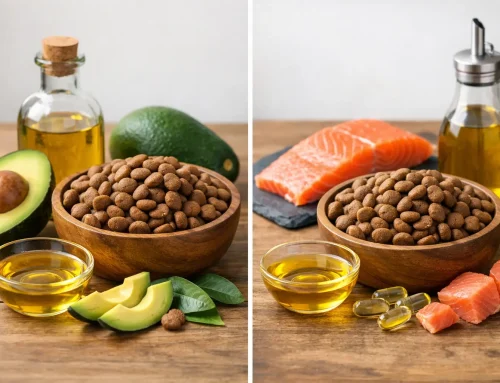
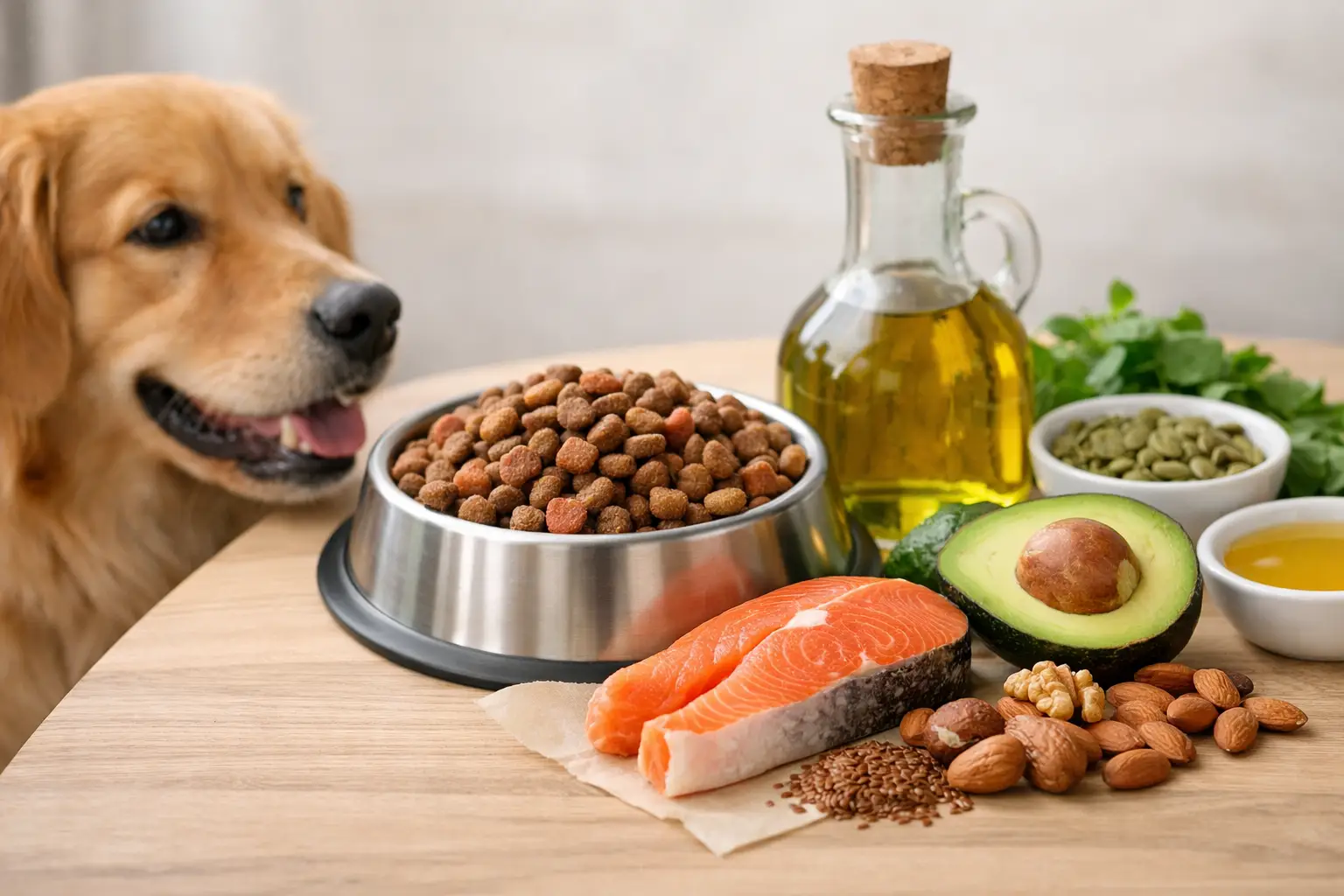
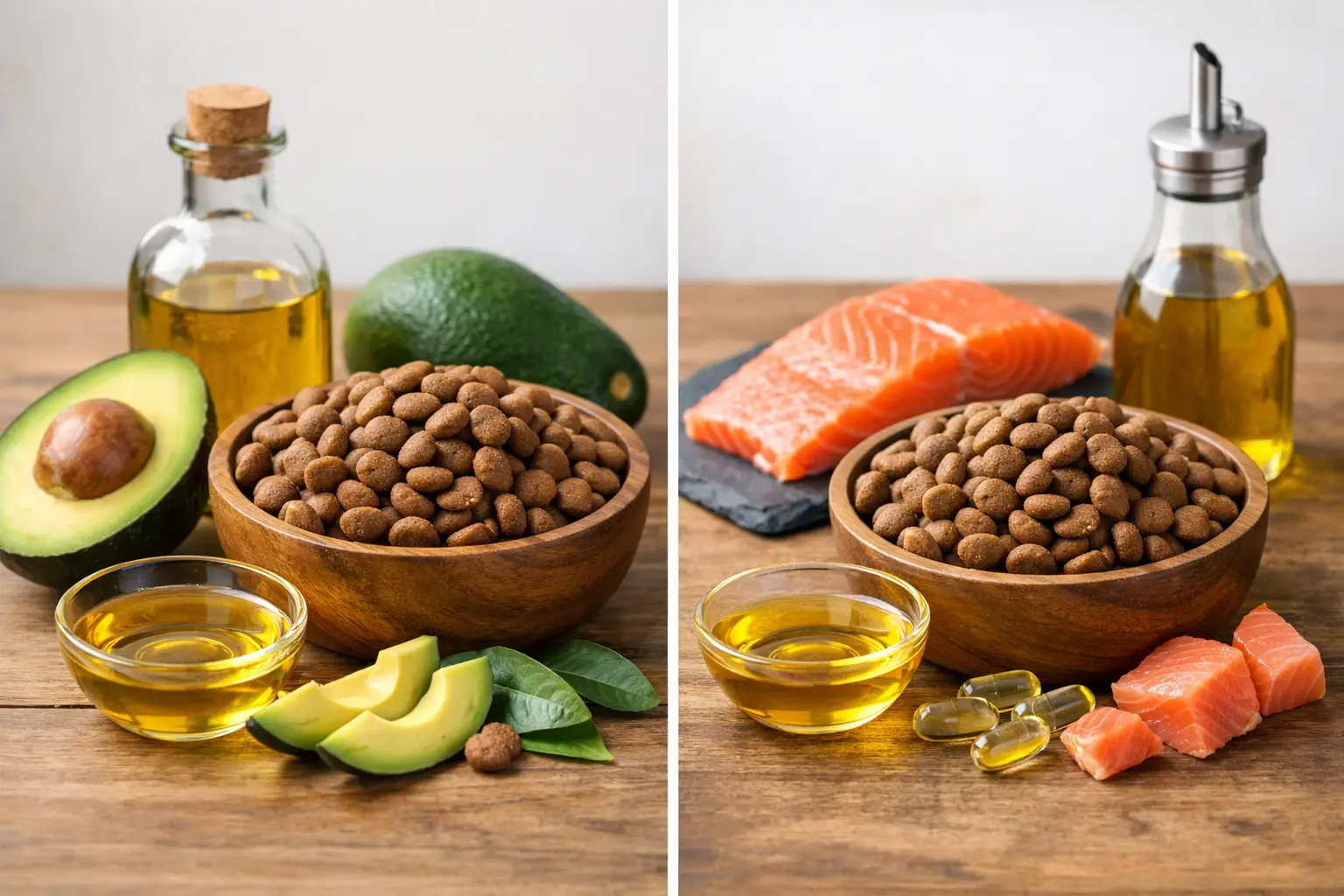
For some dogs, foods made with omega-rich ingredients are especially helpful because food sensitivities often show up on the skin. When the skin barrier is supported and the coat looks healthier, that can be one visible sign that your dog is getting nutrition that agrees with them.
Pick a protein your dog tolerates well
Protein is often the first place pet parents focus, and for good reason. If your dog seems to flare up after chicken, beef, or another common protein, your veterinarian may suggest trying a different one. Sometimes a new protein source helps. Sometimes the issue is broader than the protein alone.
This is where trade-offs come in. A formula with a novel protein may be useful, but only if the rest of the recipe is also easy for your dog to handle. A food can feature a less common protein and still include rich mix-ins or multiple secondary animal ingredients that complicate the picture.
Try to choose a food where the main protein is easy to identify and the overall recipe feels intentional rather than crowded. If your dog has done well on a certain protein in the past, that history matters. Feeding decisions are often more successful when they are based on your dog’s actual response, not just ingredient trends.
Be careful with treats, toppers, and chews
A sensitive-dog feeding plan can unravel fast with the wrong extras. Many dogs eat more than just kibble or canned food in a day. Training treats, dental chews, bits of cheese, peanut butter, and shared snacks can all introduce ingredients that trigger a reaction or upset digestion.
If you are trying to figure out how to feed dogs with food sensitivities, think of treats as part of the diet, not a separate category. Ideally, treats should match the simplicity of the main food. In some cases, using pieces of your dog’s regular food as treats is the easiest option.
The same goes for toppers. Toppers can help with palatability, but they also add variables. If your dog is in a diet trial or just starting a new sensitive-skin or sensitive-stomach formula, keep meals plain at first. Once your dog is stable, you can decide whether any extras are worth adding back.
Transition slowly and watch the details
Even a well-chosen food can cause problems if the switch happens too fast. Sensitive dogs often do best with a gradual transition over seven to ten days, and sometimes longer if they have a history of digestive upset.
Begin by mixing a small amount of the new food into the old food, then increase the proportion every few days. Watch stool quality, appetite, energy, itching, ears, and licking behavior. Small changes matter. Firmer stools, less scratching, and a shinier coat are all useful signs that the food may be a better fit.
If symptoms worsen sharply, it may mean the transition is too quick, the formula is not a match, or there is another issue going on. Your veterinarian can help sort that out, especially if symptoms are severe or ongoing.
Support skin and digestion at the same time
Food sensitivities often show up in two places – the gut and the skin. That is why many pet parents look for foods that do more than avoid problem ingredients. They want a daily diet that helps maintain digestion while also supporting a healthy skin barrier and a beautiful coat.
This is one reason ingredient function matters. Nutrients that support skin health, including fatty acids from quality oils and whole-food sources, can be valuable for dogs with sensitivity-related skin issues. A thoughtful formula can help nourish from the inside out, which is often what pet parents notice first.
AvoDerm has built its approach around avocado and avocado oil for exactly this reason. These ingredients provide omega-rich nutrition that supports healthy skin and coat, while fitting into complete and balanced recipes designed for everyday feeding.
Know when it is time to ask for help
Sometimes a careful food change solves the problem. Sometimes it only solves part of it. If your dog has chronic vomiting, ongoing diarrhea, weight loss, frequent ear infections, intense itching, or symptoms that never fully improve, it is time to involve your veterinarian.
There are cases where a dog needs a more formal elimination diet or testing for conditions that are not actually food-related. Pet parents should not have to guess forever. The right support can save time and help your dog feel better sooner.
It is also smart to ask for help if your dog is a puppy, a senior, or managing another health issue. Sensitive feeding plans still need to deliver complete nutrition, and life stage matters.
The best long-term diet is one your dog can stay on
It is tempting to keep chasing a perfect food, but many sensitive dogs do best when they finally land on a formula that agrees with them and stay there. If your dog is eating well, digesting comfortably, showing less itchiness, and looking healthy, that consistency is a win.
You do not need the most exotic recipe or the most restrictive plan. You need a food your dog can enjoy every day, with ingredients you feel good about and results you can actually see. For dogs with food sensitivities, that steady routine is often what brings the most relief.
Feeding a sensitive dog can feel stressful at first, but it gets easier once you stop chasing quick fixes and start watching your dog’s real signals. The right bowl is the one that helps them feel comfortable, look vibrant, and come back to every meal with confidence.