
The best wet cat foods for sensitive digestion usually become a priority after a few unpleasant signs show up – loose stool in the litter box, frequent vomiting, excess gas, or a cat who seems interested in food but walks away after a few bites. When digestion is off, mealtime stops feeling simple. The good news is that the right wet food can help support a calmer stomach, steadier digestion, and more comfortable daily eating.
Wet food is often a smart place to start because it brings moisture, soft texture, and strong palatability together in one bowl. For cats with digestive sensitivities, that matters. A food can look premium on the label, but if it is overly rich, packed with hard-to-digest ingredients, or made with proteins your cat does not tolerate well, it may not be the right fit.
What makes wet cat food easier on digestion?
Cats with sensitive digestion do best with food that is simple, balanced, and consistent. That does not always mean the ingredient list has to be extremely short, but it should feel intentional. A gentler wet food often uses a clearly named animal protein, moderate fat levels, and ingredients chosen for digestibility rather than filler.
Texture can also play a role. Some cats handle pate better because it is smooth and uniform. Others do better with minced or shredded recipes if they dislike dense textures and eat more willingly that way. Eating enough is part of digestive wellness too. A food that is technically well formulated but constantly refused is not helping much.
Moisture is another advantage. Wet food naturally helps support hydration, which can be useful for overall digestive comfort and regularity. For some cats, especially those that do not drink much water on their own, that extra moisture makes a noticeable difference.
Best wet cat foods for sensitive digestion: what to look for
If you are comparing options, focus less on front-of-package buzzwords and more on how the recipe is built. Digestive support usually starts with a few core traits.
A single, clearly named protein can be helpful
Chicken, turkey, duck, or salmon can all work, but clarity matters. A named protein source gives you a better sense of what your cat is eating and makes it easier to spot patterns if certain ingredients seem to trigger digestive upset. If your cat has a known sensitivity, a limited ingredient recipe or a novel protein may be worth considering.
That said, there is no single best protein for every sensitive cat. Chicken is highly digestible for many cats, but for others it is the ingredient that causes trouble. This is where observation matters more than trends.
Moderate fat often works better than very rich recipes
High-fat foods can be tasty, but they are not always ideal for delicate digestion. Some cats tolerate rich formulas just fine, while others develop softer stool or vomiting after eating them. Wet food with balanced fat levels can help deliver energy without overwhelming the digestive system.
Gentle carbohydrate choices and fewer extras
Cats are obligate carnivores, so the protein and fat profile matters most. Still, some wet foods include binders or supplemental ingredients that can influence tolerance. Recipes with unnecessary extras, heavy thickeners, or a long list of add-ins are not automatically bad, but they may be harder for a sensitive cat to handle.
Simple formulas are often easier to troubleshoot. If your cat improves, you know you are on the right track. If not, there are fewer variables to question.
Functional ingredients that support digestive wellness
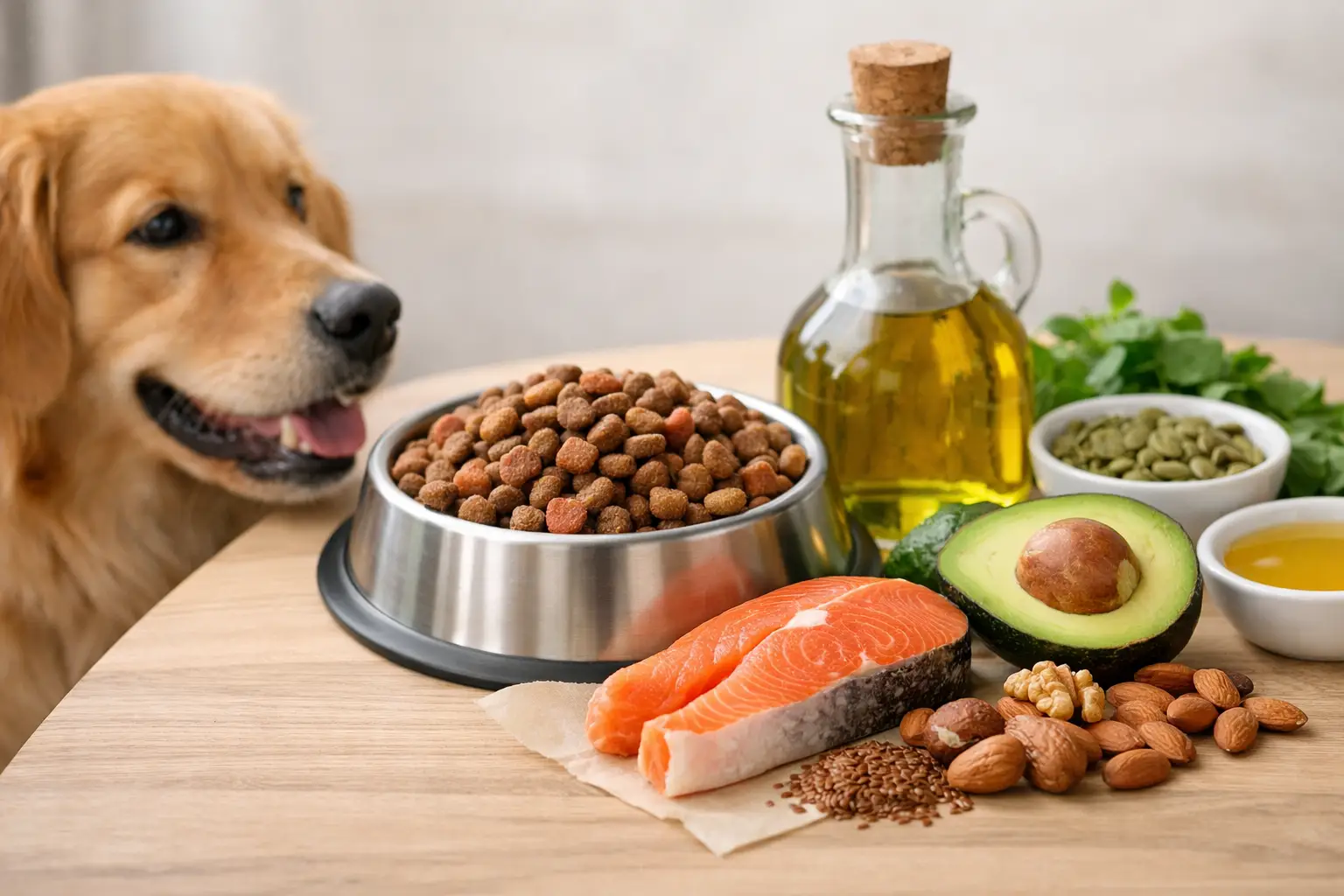
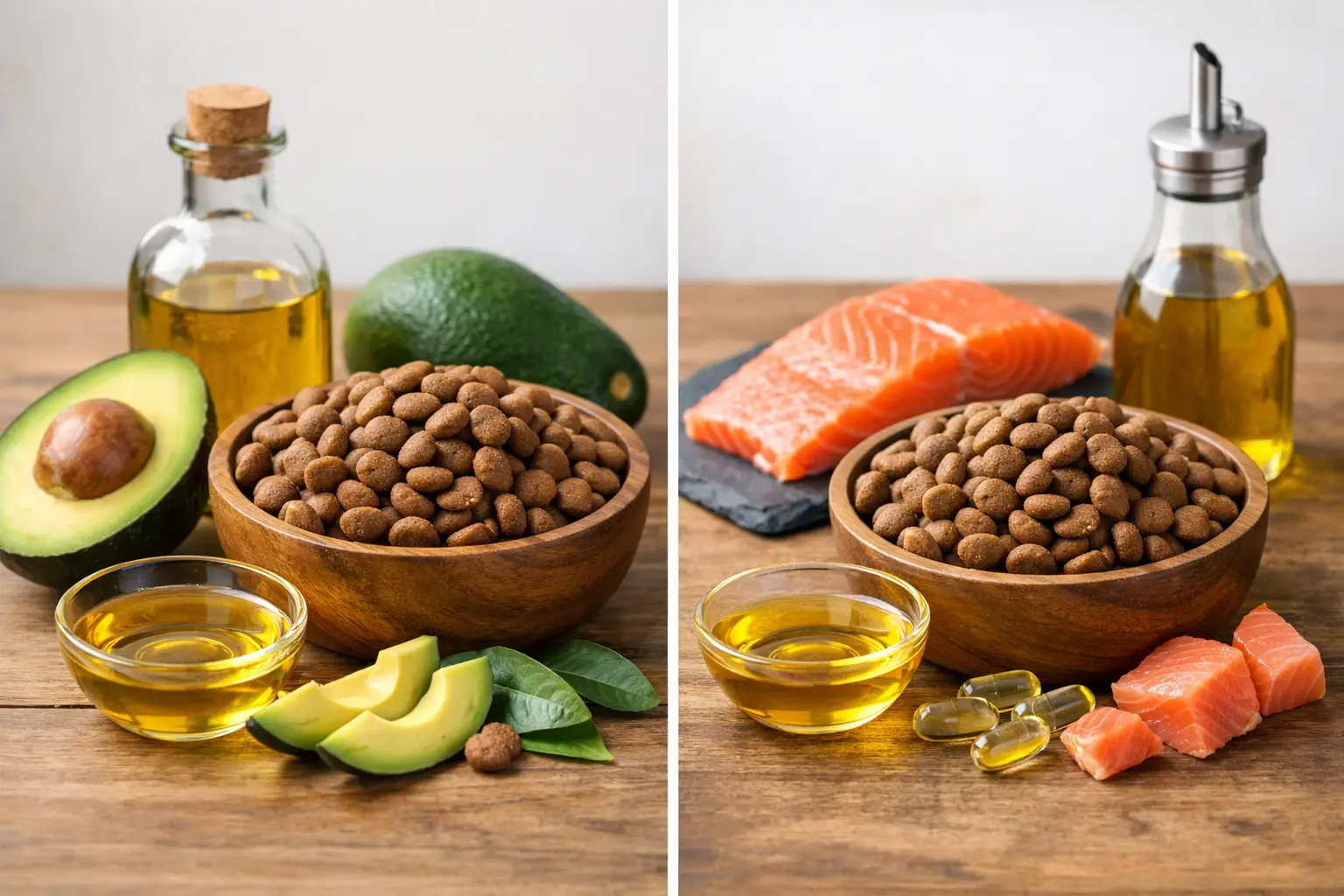
Prebiotics, fiber sources, and high-quality oils can all play a role in digestive comfort. Fiber can help regulate stool quality, though too much may backfire for some cats. Omega-rich ingredients are also worth paying attention to because digestive wellness and skin health can sometimes overlap in cats with food sensitivities. Good health tends to show up in more than one place.
Ingredients that may be harder for sensitive cats
Some cats react to a specific ingredient. Others struggle more with overall richness or inconsistency. If your cat regularly has digestive flare-ups, it may help to be cautious with foods that rely heavily on vague meat ingredients, excessive fat, abrupt protein changes, or formulas loaded with many competing components.
Artificial colors and flavors are not usually what pet parents are looking for in a premium food, and many prefer natural formulations for exactly that reason. When you are trying to calm digestion, cleaner ingredient choices can make the decision easier and feel more trustworthy.
Even healthy ingredients can be a problem if your cat simply does not tolerate them. Dairy is a classic example. Many cats love the taste, but that does not mean it sits well.
How to choose the best wet cat food for your cat
The best wet cat foods for sensitive digestion are the ones your cat digests comfortably and eats consistently over time. That may sound obvious, but it is easy to get distracted by marketing language or ingredient trends.
Start with your cat’s pattern. If the issue is occasional hairball-related vomiting, the food choice may look different than it would for chronic loose stool or frequent stomach upset after meals. If symptoms are severe, sudden, or paired with weight loss, a veterinarian should be part of the plan before you switch foods repeatedly.
Once your vet has ruled out larger health concerns, think in terms of tolerance, not perfection. A premium wet food that offers complete and balanced nutrition, quality protein, digestible ingredients, and a texture your cat enjoys is usually a better long-term choice than constantly rotating foods in search of a miracle solution.
For many pet parents, sensitive digestion also overlaps with other goals like skin support, coat quality, and ingredient transparency. That is where a thoughtfully formulated food can stand out. When a recipe is designed to nourish the whole cat, not just chase one symptom, the results often feel more sustainable.
Wet food features that matter more than trendy claims
It is easy to assume grain-free, limited ingredient, or exotic protein formulas are automatically better for digestion. Sometimes they are. Sometimes they are just different.
Limited ingredient diets can be very useful when you are trying to narrow down a possible sensitivity. But if your cat does well on a broader formula with high-quality ingredients, there may be no reason to switch. Grain-free can help in certain cases, but grains are not the main problem for every cat with digestive issues.
The stronger question is this: does the food offer complete and balanced nutrition from high-quality, digestible ingredients your cat actually does well on? That is usually more valuable than any single label claim.
How to switch foods without upsetting the stomach further
Even the best formula can cause trouble if you change too fast. Sensitive cats usually need a slower transition than the standard few-day swap.
Begin by mixing a small amount of the new wet food into the current food. Stay there for several days if needed. If stool stays normal and your cat is eating well, gradually increase the new food while reducing the old one. Some cats transition within a week. Others need 10 to 14 days or longer.
This slower pace can feel tedious, but it often prevents the exact digestive upset you are trying to solve. If symptoms worsen during the transition, pause and reassess. It may be the speed of the switch, the formula itself, or a separate health issue that needs attention.
When sensitive digestion may need more than a food change
Food is powerful, but it is not the answer to every digestive problem. Parasites, inflammatory conditions, stress, hairballs, overeating, and underlying illness can all affect how a cat digests meals. If your cat is vomiting frequently, losing weight, becoming lethargic, or having persistent diarrhea, it is time for veterinary guidance.
For cats with mild food-related sensitivities, though, the right wet food can make everyday life noticeably better. A calm stomach, better stool quality, a healthy appetite, and a soft, beautiful coat often reflect the same thing – nutrition that is working with the body, not against it.
If you are shopping carefully, look for wet food that is complete and balanced, made with quality ingredients, and gentle enough to support steady digestion day after day. Brands that focus on functional nutrition, including superfood ingredients and healthy fats, can be a smart fit when you want both digestive support and visible wellness benefits. A formula like that gives you more than a short-term fix. It helps make every meal feel like a step toward comfort, confidence, and better health your cat can show.