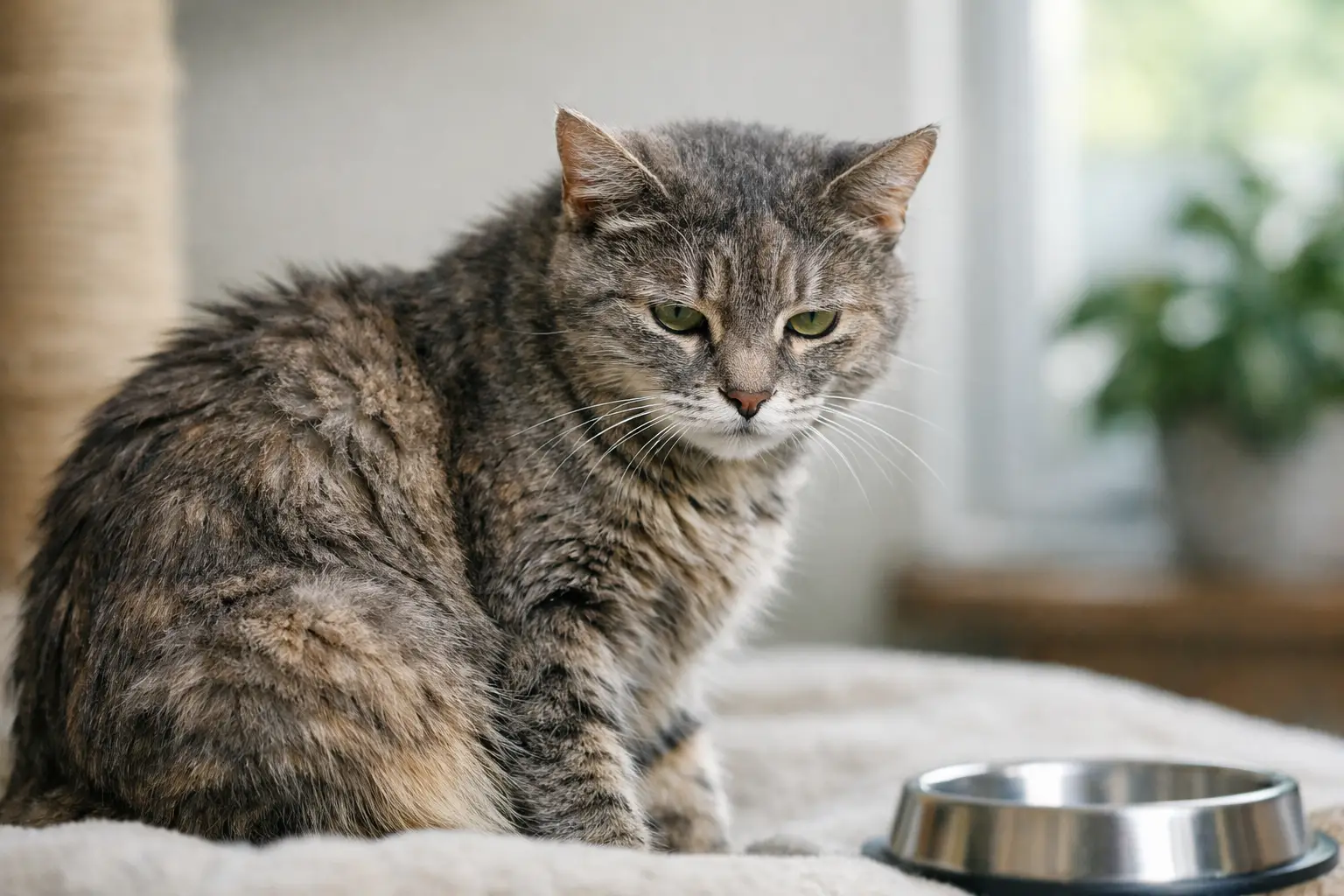
A cat’s coat often tells a story before their behavior does. When a normally soft, glossy coat starts to look dry, greasy, flaky, or uneven, it is reasonable to wonder: what causes dull coat in cats? Sometimes the answer is simple, such as seasonal shedding or a few missed grooming sessions. Other times, a lackluster coat can be an early clue that your cat needs nutritional support or a visit with their veterinarian.
A beautiful coat is not just about appearance. Healthy skin and fur rely on everyday nutrition, normal grooming habits, hydration, and a cat who feels well enough to care for themselves. Here are the most common reasons a cat’s coat may lose its shine and what you can do next.
1. Nutrition That Falls Short
Cats are obligate carnivores, which means animal-based protein is central to their nutritional needs. Their skin and hair are constantly renewing, so a diet that is incomplete, poorly balanced, or not well suited to an individual cat can show up in the coat over time.
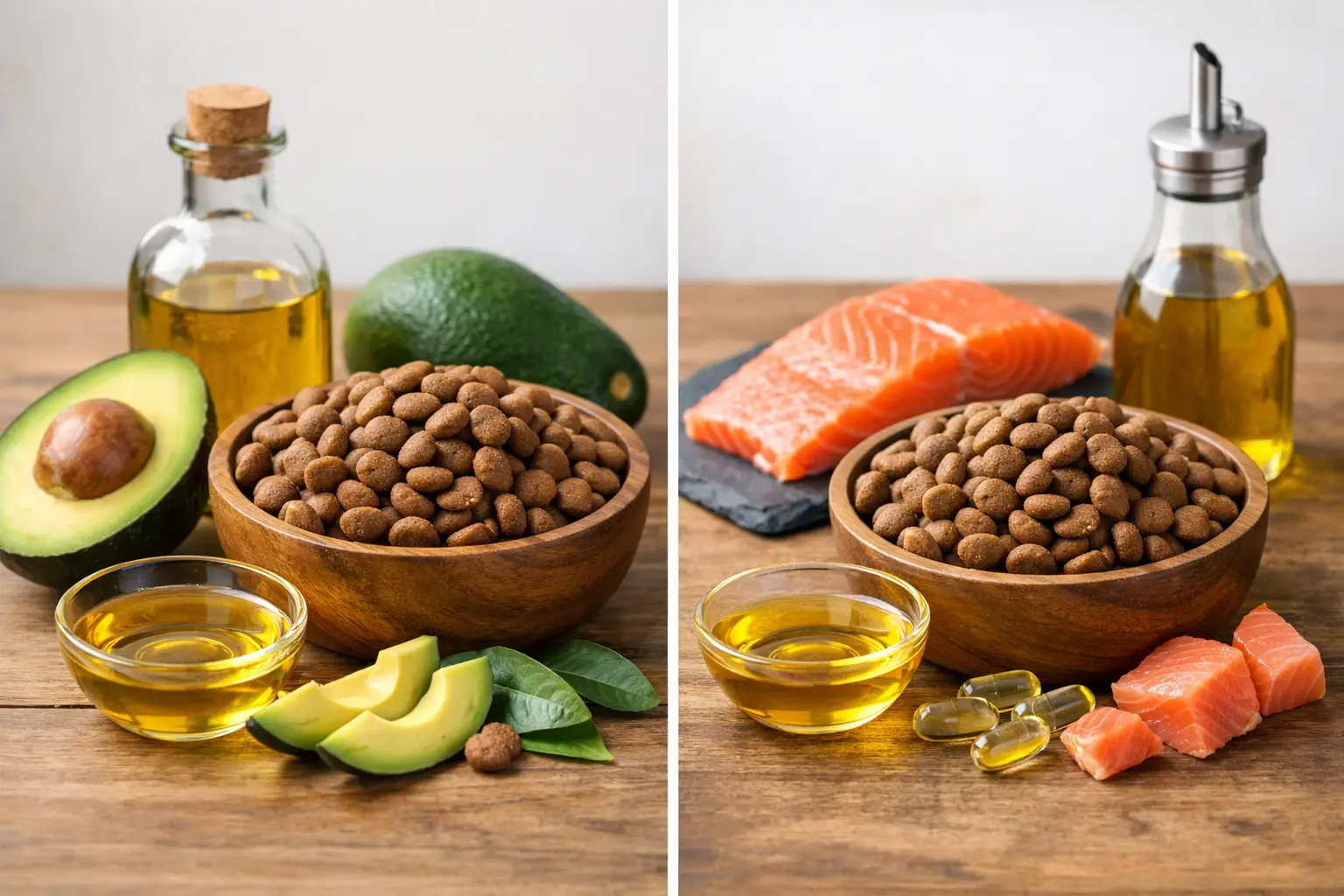
A dull coat may be associated with insufficient protein, essential fatty acids, or key nutrients such as zinc and certain B vitamins. These nutrients work together to support the skin barrier and normal hair growth. Fatty acids are especially valuable because they help support soft skin and a smooth, healthy-looking coat.
The answer is not simply adding random supplements or extra oils to the bowl. Too much of a good thing can upset the balance of a complete diet, add unnecessary calories, or cause digestive trouble. Start by making sure your cat’s main food is labeled complete and balanced for their life stage. If you are changing foods, make the transition gradually over several days so their digestive system has time to adjust.
AvoDerm cat foods are made with complete and balanced nutrition and avocado oil, an omega-rich ingredient selected to support healthy skin and a beautiful coat from the inside out.
2. Dehydration and Low Moisture Intake
Many cats do not drink as much water as their pet parents expect. That instinct comes from their desert-dwelling ancestors, but it can make moisture intake worth paying attention to, especially for cats who eat dry food exclusively.
Dry or lackluster fur is not a stand-alone diagnosis of dehydration, but poor hydration can affect overall wellness and skin condition. Offer fresh water in clean bowls placed away from the litter box. Some cats prefer wide, shallow dishes, multiple water stations, or moving water from a pet fountain.
Adding a complete and balanced wet food to your cat’s routine can be another practical way to increase moisture intake. It depends on your cat’s preferences, calorie needs, and health history, so ask your veterinarian for feeding guidance if your cat has urinary, kidney, or digestive concerns.
3. Less Grooming Than Usual
Cats are known for grooming, but they do not always groom consistently. A coat can look dull when loose hair, natural oils, and small bits of debris are left behind. Long-haired cats are particularly prone to tangles and mats, though short-haired cats benefit from regular brushing too.
A change in grooming habits can be just as meaningful as the coat itself. Cats with arthritis, dental pain, obesity, injury, or general illness may struggle to reach their back, hips, or rear end. You might notice an oily-looking spine, clumps of fur, mats, or a messy coat around the hindquarters.
Gentle brushing helps remove shed hair and gives you a chance to check for flakes, bumps, parasites, and tender spots. Keep sessions short and calm. For a cat that dislikes brushing, a soft grooming glove or a few strokes at a time may be more successful than trying to finish the whole coat at once.
4. Stress, Changes, and Overgrooming
Not every dull coat comes from a lack of grooming. Some stressed cats groom too much. Excessive licking can break hairs, create thin patches, and leave the coat looking rough rather than sleek. You may see this on the belly, legs, sides, or base of the tail.
Stress triggers can be surprisingly small from a human point of view: a new pet, visitors, construction noise, a moved litter box, boredom, or tension with another cat in the home. Medical discomfort can also lead to overgrooming, so it should not automatically be treated as a behavior problem.
Try to make your cat’s routine predictable. Provide quiet resting places, daily play, scratching surfaces, and separate food, water, and litter resources in multi-cat homes. If bald spots, skin irritation, or compulsive grooming are present, schedule a veterinary exam to rule out medical causes first.
5. Fleas, Allergies, and Skin Irritation
Fleas can make a cat intensely itchy, and some cats react strongly to even a single flea bite. Flea dirt may look like tiny black specks in the fur, especially around the neck, lower back, and tail base. Scratching and licking can quickly damage the coat and irritate the skin.
Environmental allergies, contact irritation, and food-related sensitivities can also contribute to itchy skin, redness, ear concerns, or recurring overgrooming. The cause is not always obvious. A cat can have a dull coat without obvious flakes, while another may have a shiny coat that hides significant irritation underneath.
Avoid guessing with over-the-counter treatments or frequent bathing. Human shampoos and many fragranced products are not designed for feline skin. Your veterinarian can help identify whether parasites, infection, allergies, or another skin condition may be involved and recommend a safe plan.
6. Age, Weight, and Mobility Changes
Senior cats often need a little more help maintaining their coats. Stiff joints can make twisting and reaching uncomfortable, while age-related changes in appetite, digestion, or health can affect the condition of the fur.
Weight matters too. An overweight cat may be physically unable to groom hard-to-reach areas, while unexplained weight loss paired with a poor coat deserves prompt attention. In either case, a change in coat quality can be useful information for your veterinarian.
Support older cats with easy-access resting areas, gentle brushing, and regular wellness exams. Do not pull apart tight mats at home, especially near thin skin. Mats can hide wounds and can tug painfully with every movement, so professional or veterinary help may be the kindest option.
7. Underlying Health Conditions
A dull coat is sometimes one piece of a larger health picture. Digestive disorders, dental disease, hormone-related conditions, chronic pain, infections, and other illnesses can reduce appetite, affect nutrient use, or make grooming uncomfortable.
The most useful question is not only whether your cat’s coat looks different, but whether anything else has changed. Watch for reduced appetite, vomiting, diarrhea, constipation, increased thirst, changes in litter box habits, hiding, low energy, weight changes, or a sudden shift in grooming behavior.
When to Call Your Veterinarian
Call your veterinarian promptly if the coat change is sudden, severe, or paired with bald spots, sores, scabs, strong odor, swelling, or persistent itching. It is also time to make an appointment if your cat seems painful, stops grooming, loses weight, eats less, or has any other change in normal behavior.
For mild dullness in an otherwise happy, comfortable cat, begin with the basics: review the food, encourage water intake, brush regularly, and observe their grooming routine. Take a photo every week or two in similar lighting. It can help you see whether the coat is improving and give your veterinary team a clearer picture if concerns continue.
Helping Your Cat’s Coat Look Healthy Again
The best path back to a soft, shiny coat is usually steady, everyday care rather than a quick cosmetic fix. Feed a complete and balanced diet, keep fresh water available, brush in a way your cat enjoys, and treat changes in grooming as a useful wellness signal.
Your cat does not need to look like a show cat to be healthy. But when their coat loses its usual softness or shine, paying attention early can help you support the comfort, nutrition, and good health that shows from nose to tail.