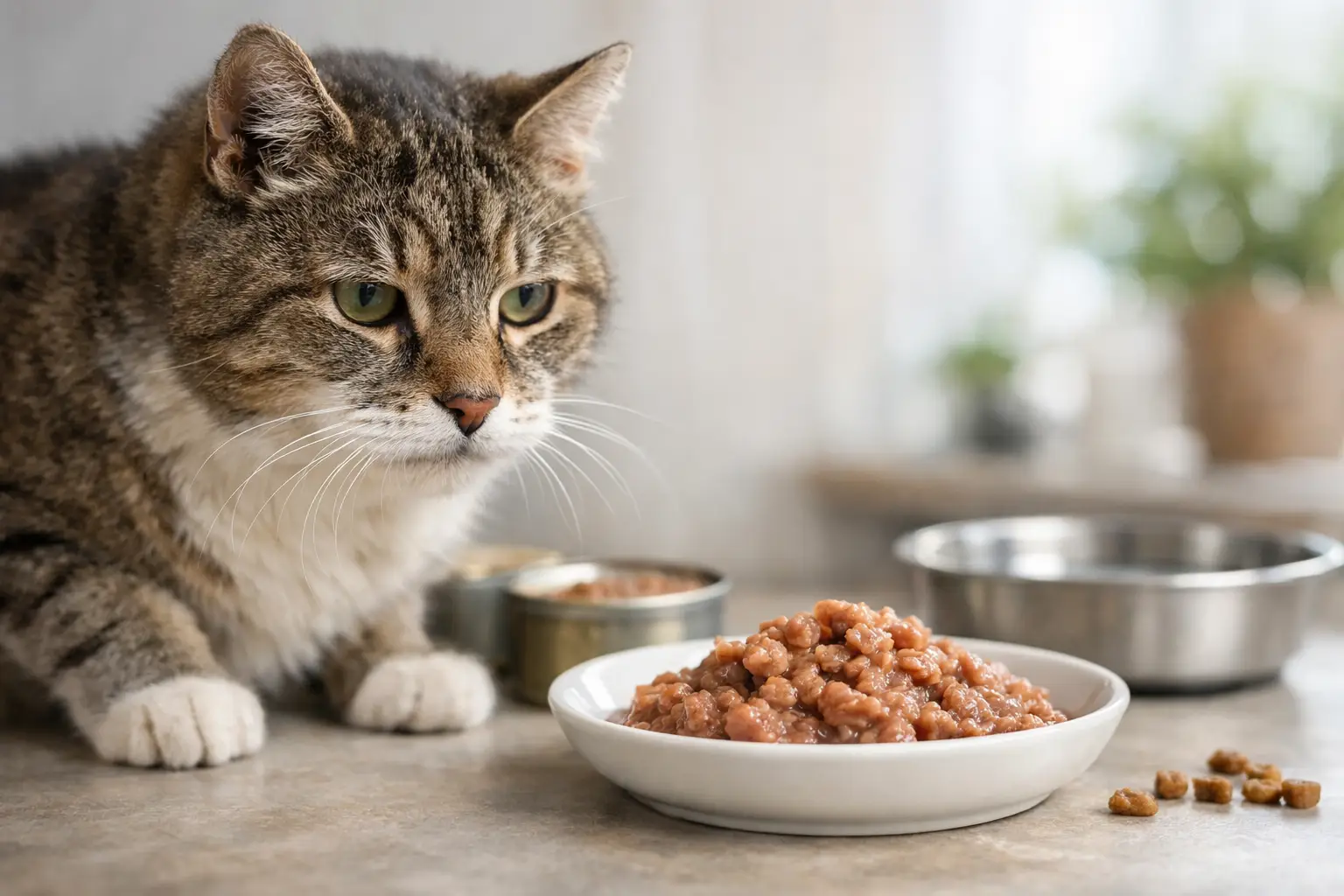
A senior cat who once raced to the bowl may suddenly take a few bites, walk away, and return later. That change can be frustrating, but it can also be useful information. The best wet food for senior cats is not simply the softest can on the shelf. It is a complete and balanced food that matches your cat’s appetite, body condition, dental comfort, hydration needs, and changing preferences.
Older cats can continue to thrive for many years with attentive care and nourishing daily meals. Wet food can be a particularly helpful option because it delivers moisture alongside animal-based nutrition in a format many cats find appealing. The right choice is personal, so it helps to know what to look for before changing your cat’s bowl.
Why Wet Food Can Support Senior Cats
Cats are naturally designed to get much of their water from food. As cats age, consistent moisture intake can become even more valuable, especially for cats that do not drink much from a water bowl. Wet food has a high moisture content, helping support everyday hydration while making meals easier to chew and enjoy.
Its aroma and soft texture can also encourage a quieter eater. Smell and appetite may change with age, and some senior cats prefer pâté, minced recipes, or shredded textures over dry kibble. A slightly warmed portion of wet food can release more aroma, which may make a meaningful difference for a cat who seems less excited at mealtime.
Still, wet food is not automatically the right answer for every older cat. Some cats do well with a combination of wet and dry food, while others need a specific feeding plan based on a veterinarian’s recommendations. The goal is not to follow a one-size-fits-all rule. It is to provide complete nutrition your cat will eat consistently and comfortably.
What Makes the Best Wet Food for Senior Cats?
Start with a clear nutrition statement on the label. A food labeled complete and balanced for adult maintenance is formulated to provide the nutrients healthy adult cats need when fed as directed. Senior cats do not always require a separate life-stage formula, but they do need a diet that supports their individual health, weight, and lifestyle.
Animal-based protein comes first
Cats are obligate carnivores, meaning animal-based ingredients play a central role in their nutrition. Look for a wet food with quality animal protein and an ingredient list you can understand. Adequate protein helps support lean body condition, which can become more difficult to maintain as cats get older.
The right protein level depends on your cat. A healthy, active senior may benefit from a protein-forward recipe, while a cat with kidney disease or another diagnosed condition may need a veterinarian-guided diet. Do not make major protein restrictions based on age alone. A medical diagnosis, lab work, and your veterinarian’s advice should guide that decision.
Moisture and texture should work for your cat
A high-moisture recipe is one reason wet food earns a place in many senior feeding routines. Beyond hydration, texture matters. A smooth pâté may be easier for a cat with dental sensitivity, while a cat that loves variety may prefer flaked or shredded food in gravy.
Watch what happens during meals. Dropping food, chewing on one side, pawing at the mouth, or approaching the bowl and then backing away can signal dental discomfort. Food texture may help keep meals pleasant, but these behaviors also deserve a call to your veterinarian. Dental disease is common in older cats and should not be dismissed as ordinary aging.
Calories should match body condition
Senior cats can gain weight when activity slows, but some lose weight even when they appear to be eating normally. Neither change should be ignored. Calories matter, yet the best target is based on your cat’s body condition, not the number on the scale alone.
Check the feeding guide as a starting point, then adjust portions based on your cat’s weight trend, appetite, and veterinarian’s guidance. Measuring meals and feeding on a reliable schedule makes it easier to spot changes early. If your cat is losing weight without an intentional diet change, schedule a veterinary visit promptly.
Healthy fats can support skin and coat wellness
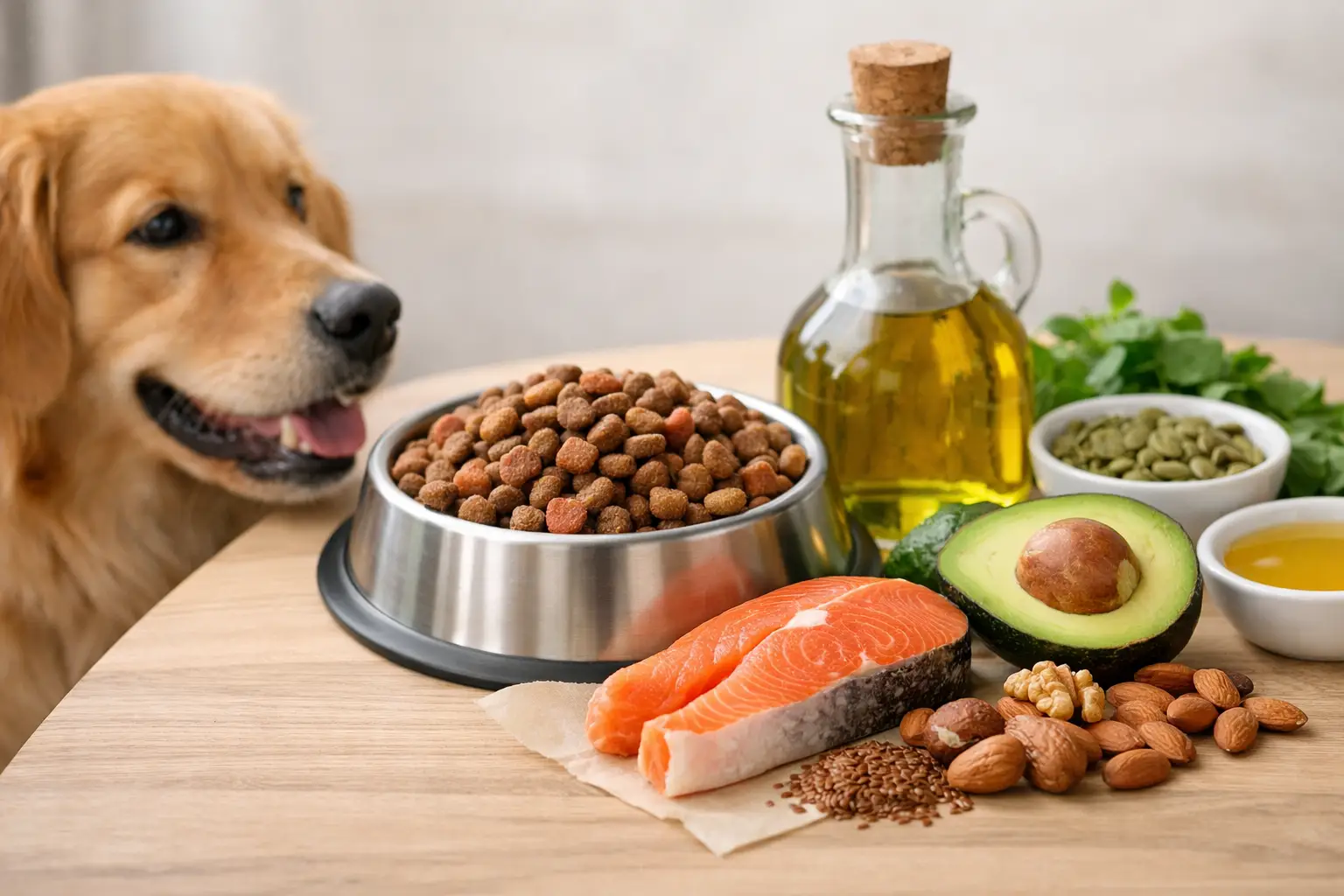
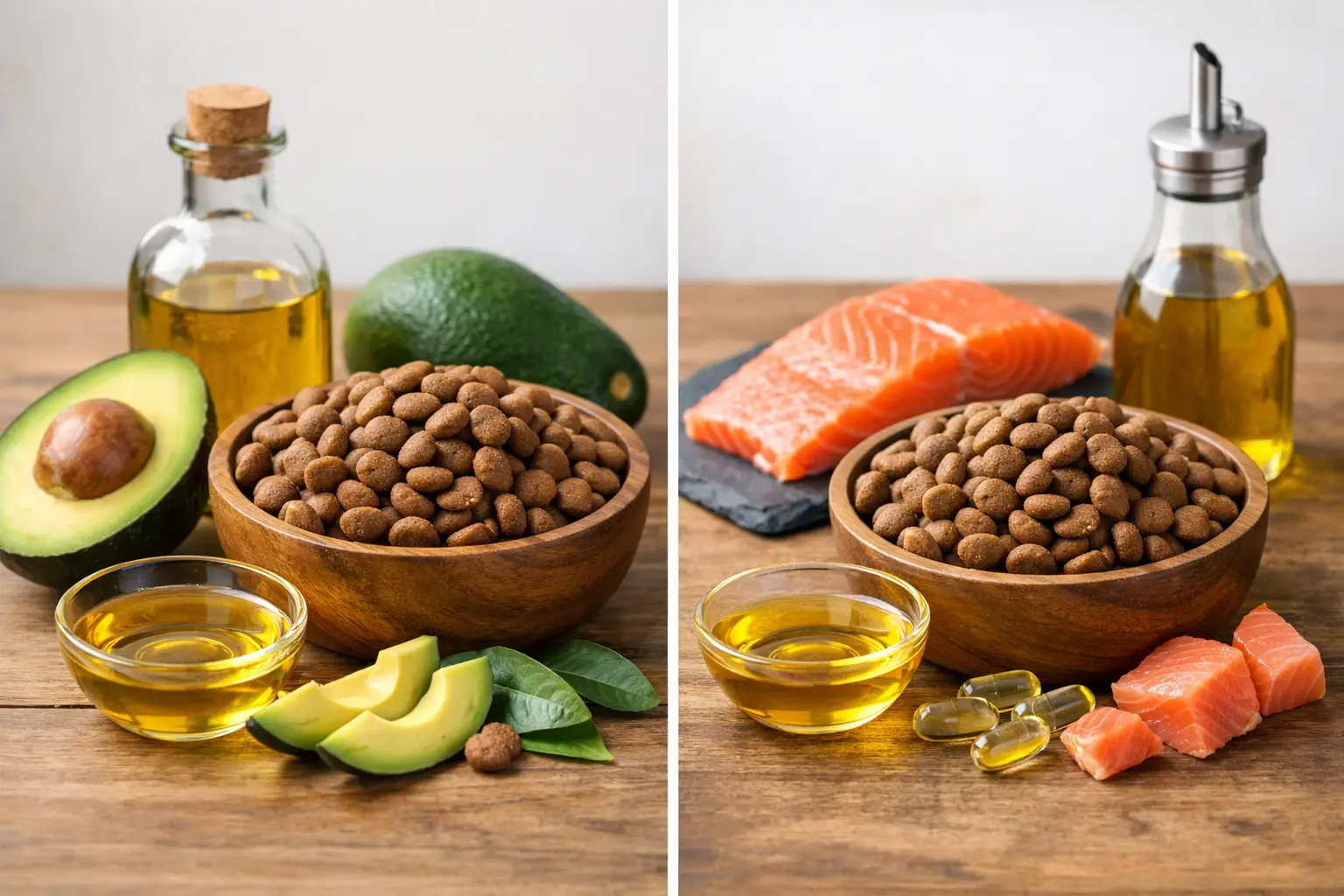
A soft coat and comfortable skin are visible signs of everyday wellness. Fats provide energy and essential fatty acids that help support healthy skin and a beautiful coat. For a brand like AvoDerm, avocado and avocado oil bring omega-rich nutrition to recipes designed around this visible benefit.
That does not mean more fat is always better. Cats prone to weight gain may need carefully portioned meals, and some cats have sensitivities that call for a simpler ingredient approach. Choose a formula that fits your cat’s full nutritional picture rather than selecting a recipe based on one ingredient alone.
Read the Label With a Senior Cat’s Needs in Mind
The front of a can may highlight flavor, texture, or a wellness benefit, but the full label provides the details that matter. Look for the life-stage statement, calorie information, feeding directions, and ingredient list. If your cat has known sensitivities, this is where you can compare recipes carefully and avoid ingredients that have not agreed with them in the past.
You may also see claims related to digestion, skin and coat, or grain-free recipes. These can be useful starting points, but they are not a substitute for assessing the whole formula. A food should be complete and balanced, appealing enough for your cat to eat, and appropriate for any health needs identified by your veterinarian.
For cats with chronic kidney disease, diabetes, urinary concerns, food allergies, inflammatory bowel disease, or pancreatitis, ask your veterinarian before choosing a new everyday food. These conditions can change what “best” looks like. A food that works beautifully for one healthy 12-year-old may not be appropriate for another cat of the same age.
How to Change Foods Without Upsetting the Routine
Cats appreciate consistency, and abrupt changes can lead to digestive upset or a food refusal that makes the process harder. Transition slowly over about seven to 10 days when possible. Begin by mixing a small amount of the new wet food into the current food, then gradually increase the new food while reducing the old one.
Pay attention to stool quality, appetite, energy, and any vomiting. If your cat develops persistent digestive changes or refuses food, slow the transition and contact your veterinarian. Cats should not go long without eating, particularly if they are overweight or have existing health issues.
Serving style can help, too. Offer small, fresh portions rather than leaving wet food out for extended periods. Refrigerate unused food promptly in a covered container, and let chilled food come closer to room temperature before serving. A clean, shallow dish can be easier on sensitive whiskers and more inviting for older cats.
When a Change in Eating Needs More Than a New Food
A declining appetite, sudden food preference, increased thirst, vomiting, constipation, or unexplained weight change may look like picky behavior, but it can point to an underlying concern. Senior wellness exams give your veterinarian a chance to assess teeth, body condition, hydration, and internal health before a small change becomes a bigger problem.
Bring practical notes to the appointment: what your cat eats, how much they finish, when the change began, and whether their litter box habits have shifted. These details help your veterinarian make more informed dietary recommendations.
The most nourishing bowl is one your senior cat can enjoy day after day. Choose a complete, moisture-rich recipe with quality animal-based nutrition, serve it in a texture your cat welcomes, and keep an eye on the small changes that tell you how they are feeling. With thoughtful feeding and regular veterinary care, you can help make every meal a comforting part of your cat’s healthy older years.