A cat who loved dinner yesterday can act deeply suspicious of that same bowl today. That is exactly why learning how to transition cat food matters. Cats are creatures of habit, and even a positive change in nutrition can lead to digestive upset, food refusal, or stress if it happens too fast.
The good news is that most cats do best with a gradual, steady switch. When you give your cat time to adjust, you support digestion, help protect appetite, and make it easier to see the benefits of a new formula, whether you are changing foods for life stage needs, ingredient preferences, or support for skin, coat, or food sensitivities.
Why how to transition cat food matters
A sudden food change can throw off your cat’s routine in more ways than one. The digestive system needs time to adapt to a new balance of proteins, fats, fiber, and moisture. Even when both foods are high quality, the body still has to get used to different ingredients and nutrient levels.
Cats also have strong opinions about texture, aroma, and shape. A dry kibble with a different size or a wet food with a new consistency can feel unfamiliar enough that some cats hesitate. That hesitation can be harmless for a meal, but prolonged refusal is not something to brush off, especially in cats that are already underweight, older, or medically sensitive.
A careful transition helps reduce the chance of loose stool, vomiting, bloating, and mealtime standoffs. It also gives you a better read on whether the new food is actually working well for your cat.
How to transition cat food step by step
For most healthy adult cats, a 7 to 10 day schedule is a smart place to start. You begin with mostly the current food and slowly increase the amount of the new food.
A simple rhythm looks like this: feed about 75 percent current food and 25 percent new food for the first few days, then move to a 50-50 mix for the next few days, then 25 percent current food and 75 percent new food before fully switching over. If your cat is especially sensitive, stretching the process to 10 to 14 days can be the better call.
This gradual approach gives the digestive system time to adjust while also helping your cat accept the new taste and texture. If your cat is switching from dry to wet, or from one protein source to another, that slower pace can be especially helpful.
If you feed measured meals, keeping the proportions accurate is fairly easy. If your cat free-feeds, the transition can be trickier because it is harder to control how much of each food is eaten. In that case, moving to scheduled meals during the switch often leads to better results.
A sample transition schedule
Days 1 to 3 can be mostly old food with a small portion of the new food. Days 4 to 6 can be an even split. Days 7 to 9 can lean mostly toward the new food. By day 10, many cats are ready for the full switch.
That said, your cat sets the pace. If stool softens or appetite drops, hold at the current ratio for a couple more days before moving forward.
Signs your cat is adjusting well
A smooth transition usually looks pretty uneventful, and that is a good thing. Your cat keeps eating, uses the litter box normally, and behaves like their usual self.
Over the next few weeks, you may notice some positive changes depending on the food you chose. A nutrient-rich formula can support steady energy, comfortable digestion, and visible wellness like a softer coat or healthy-looking skin. Good health shows in the small daily details.
Signs you may need to slow down
Some bumps during a food change are mild and temporary, but they still matter. Watch for loose stool, occasional vomiting, gassiness, reduced appetite, or obvious reluctance at mealtime. These are signs your cat may need a slower transition.
Go back to the previous ratio that your cat handled well and stay there a few extra days. If the symptoms are mild and improve quickly, the transition can usually continue at a gentler pace.
If your cat stops eating, vomits repeatedly, has severe diarrhea, or seems lethargic, contact your veterinarian. Cats should not go long without eating, and a reaction that seems bigger than a normal adjustment deserves prompt attention.
When to take extra care with a food transition
Some cats need more than the standard 7 to 10 days. Kittens, senior cats, cats with sensitive stomachs, and cats with a history of food intolerance often do better with a slower plan.
The same goes for cats with strong food preferences. If your cat has been eating the same formula for years, a new food may feel like a major change even if the ingredients are excellent. In those cases, patience is part of the strategy.
If your veterinarian has recommended a new diet for a medical reason, follow that guidance first. Certain health situations can change how quickly a transition should happen.
How to transition cat food if your cat is picky
Picky cats do not always reject a new food because something is wrong with it. Sometimes they just need more familiarity. Mixing a small amount of the new food thoroughly into the old food can help. For wet food, making sure both foods are close in temperature and texture can also improve acceptance.
Keep feeding times calm and consistent. Offer the food, give your cat time, and avoid turning meals into a negotiation. Repeatedly swapping foods or adding lots of toppers can make some cats even more selective.
If you are switching between textures, like dry food to wet food, you may need to go even slower. Cats often accept flavor changes more easily than texture changes.
Wet food, dry food, and mixed feeding transitions
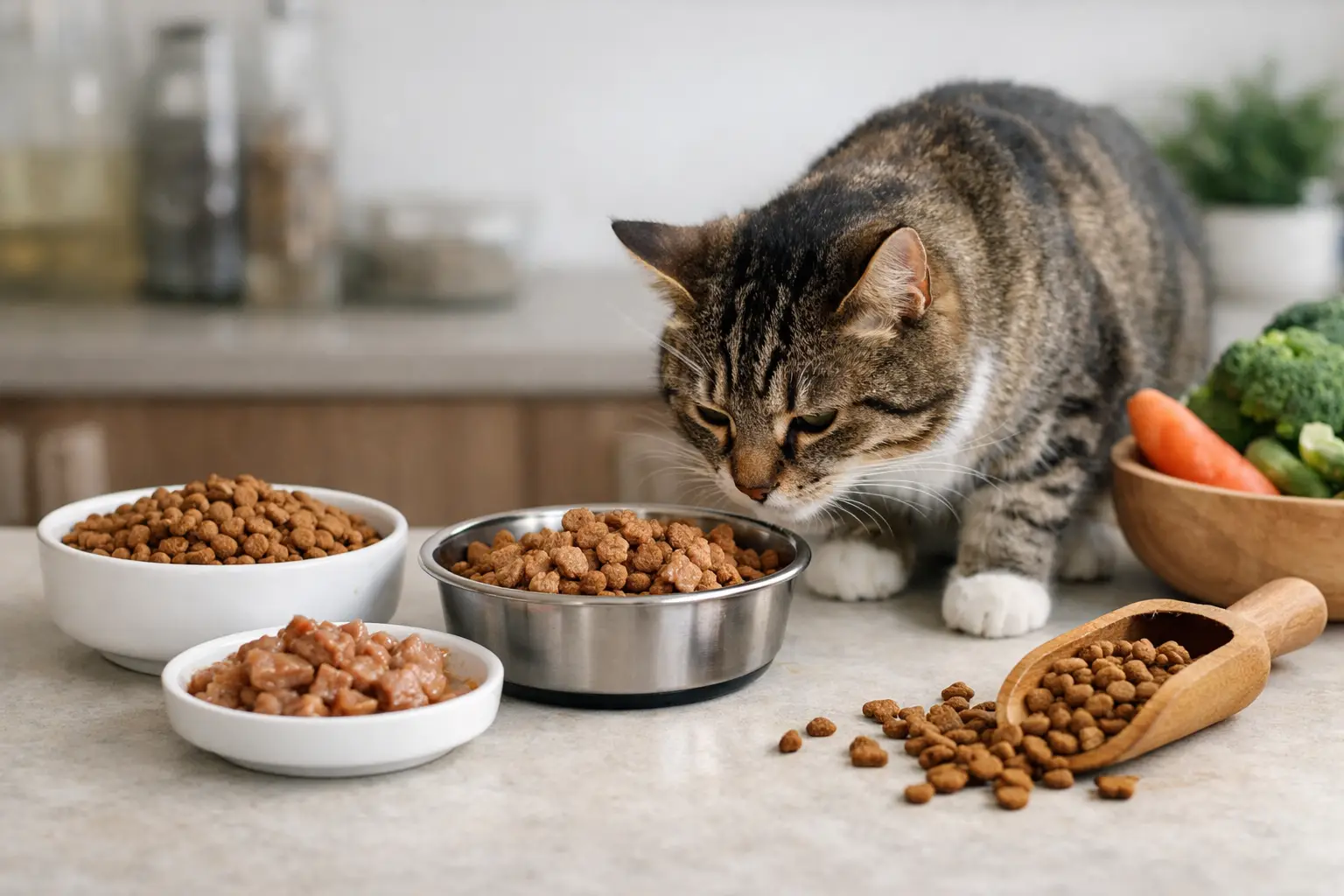
Not every food change is about brand or ingredients. Sometimes the biggest difference is format. Dry food and wet food digest a little differently and create a different mealtime experience.
When changing from dry to wet, your cat may need time to accept the moisture level and texture. When changing from wet to dry, aroma can become a challenge because dry food often smells less intense. A mixed feeding routine can bridge the gap for some cats, especially if you want the convenience of dry food with the moisture benefits of wet food.
Whichever direction you go, keep the transition gradual and pay attention to total calories. New foods can have different calorie densities, so a bowl that looks similar may not deliver the same amount of nutrition.
What to watch after the switch is complete
Once your cat is fully on the new food, keep observing for a few weeks. Appetite, stool quality, coat condition, body weight, and overall comfort tell you a lot.
A food that works well should support consistent digestion and help your cat look and feel their best. If you chose a formula designed for ingredient sensitivity or skin and coat support, visible improvements may take a little time, but the direction should be positive.
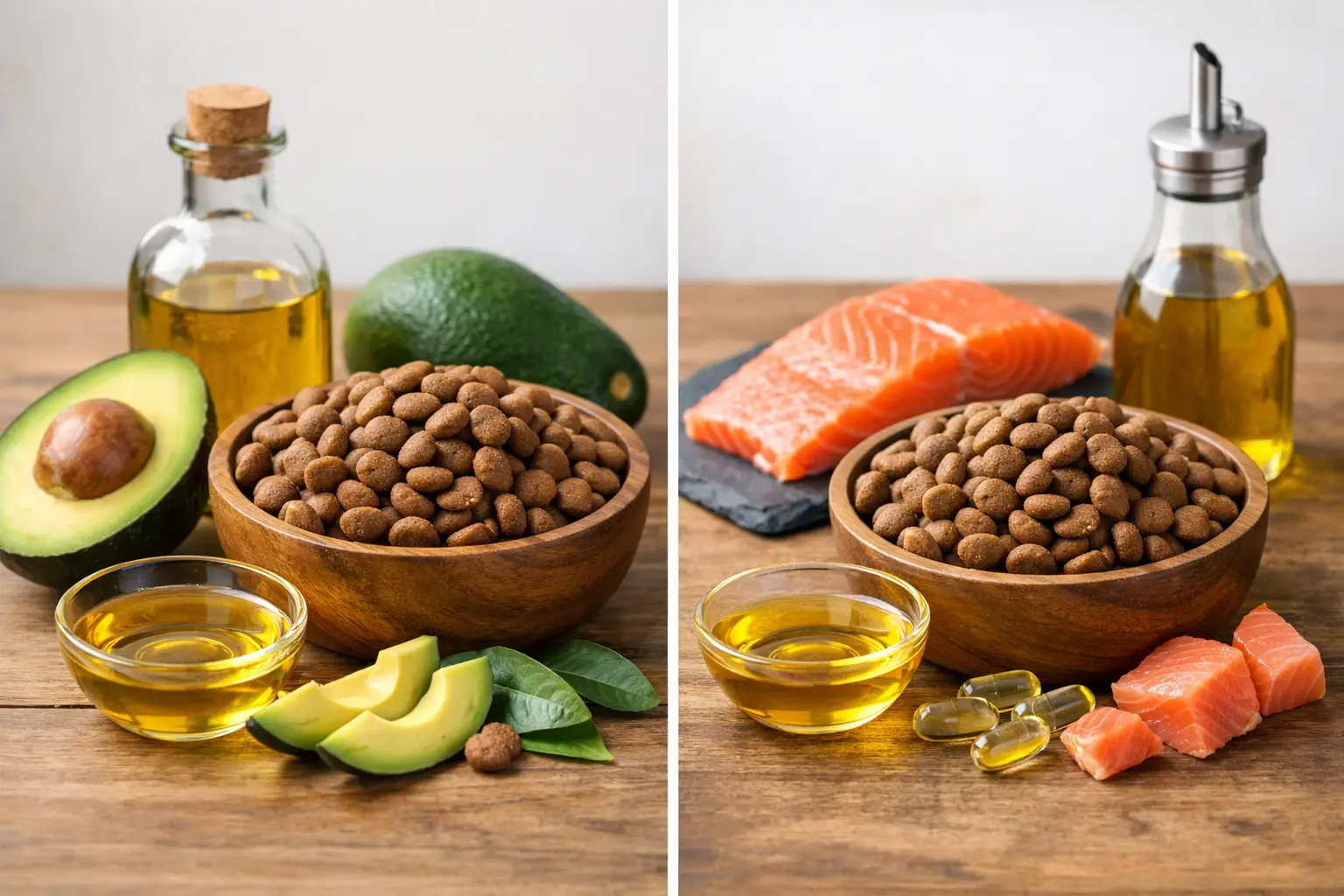
This is where ingredient quality really matters. A thoughtfully formulated food with balanced nutrition and beneficial fats can support whole-body wellness in a way you can often see, from normal digestion to a healthy, beautiful coat. Brands like AvoDerm build around that idea with avocado and avocado oil as signature ingredients that help nourish skin and coat from the inside out.
Common mistakes during a cat food transition
The most common mistake is moving too quickly because the first day or two seemed fine. Digestive upset often shows up after several meals, not immediately. Another issue is overfeeding during the switch, especially when combining two foods with different calorie levels.
It is also easy to misread normal caution as total rejection. Some cats need repeated exposure before a new food feels acceptable. Slow and steady usually wins.
Finally, do not ignore hydration. If your cat is eating less during the transition, make sure fresh water is always available and monitor closely, especially if your cat normally eats dry food.
Changing your cat’s food is not just about getting from one bag or can to the next. It is a chance to support better nutrition with less stress and better daily comfort. A patient transition respects how cats actually eat, and that usually leads to the best result – a cat who feels good, eats well, and shows that good health in all the ways you can see.