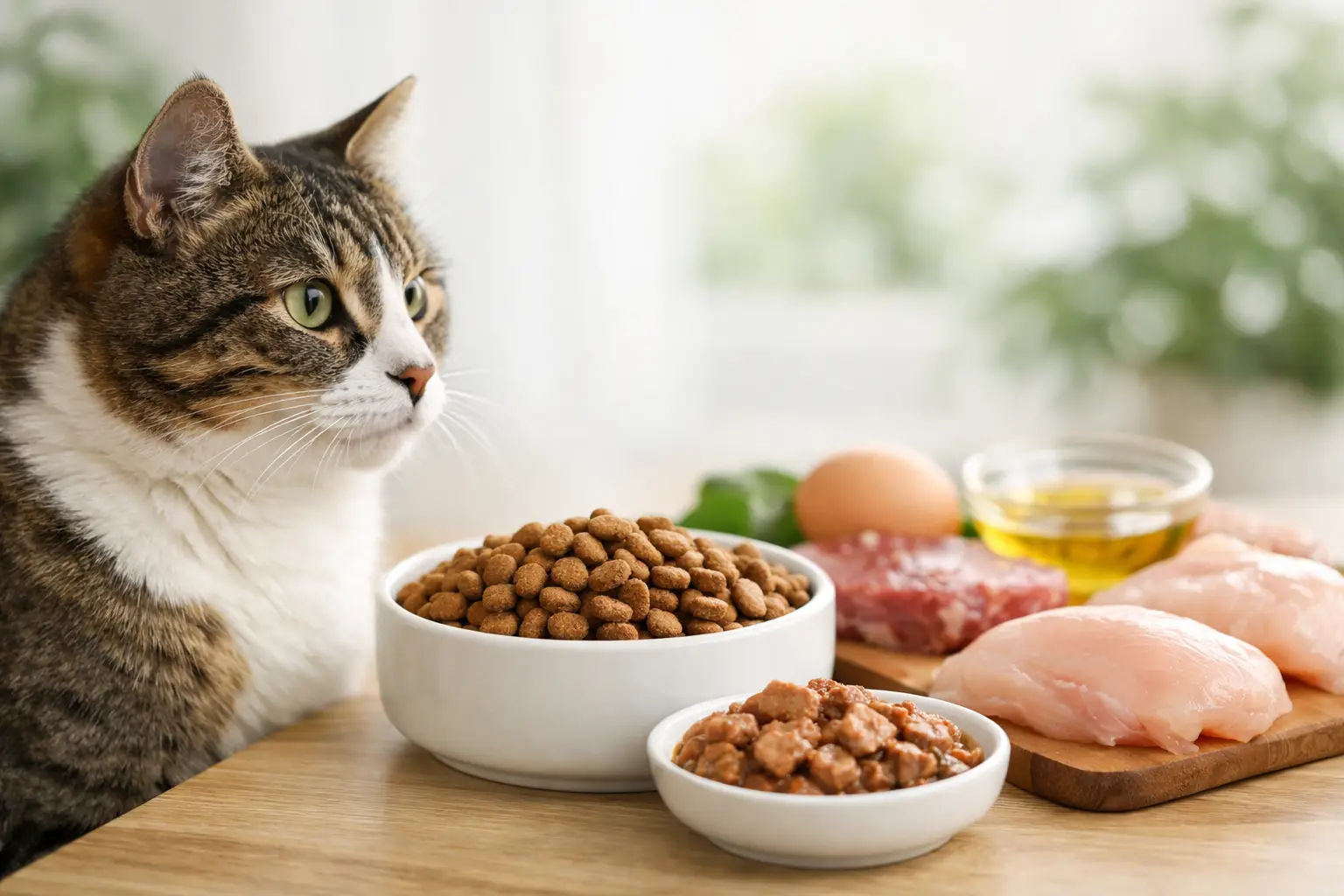
If your cat is scratching more than usual, shedding heavily, or showing dry flakes along the back, food is one of the first places worth looking. The best cat food for skin does more than fill the bowl – it helps support the skin barrier, nourishes the coat from the inside out, and gives your cat the nutrients needed for visible everyday wellness.
Skin issues in cats can show up in small ways at first. A coat may lose its shine. The skin may look dry or irritated. Some cats overgroom, while others seem itchy around the ears, neck, or belly. Not every skin problem starts with food, of course. Fleas, seasonal triggers, stress, grooming habits, and underlying health concerns can all play a role. But when nutrition is part of the picture, the right formula can make a real difference.
What the best cat food for skin should do
Healthy skin depends on more than one ingredient. It is the result of a balanced diet that supports the body on several levels at once. That includes essential fats, quality protein, key vitamins, and digestible ingredients that your cat can actually use well.
One of the biggest nutritional factors is fat quality. Omega fatty acids are especially important because they help support normal skin moisture and a soft, glossy coat. Omega-6 fatty acids help nourish the skin, while omega-3s help support overall skin comfort. A good food for skin support often includes ingredient sources that naturally provide these fats, rather than relying only on basic rendered fat for calories.
Protein matters too. A cat’s skin and coat are built from protein, so the source and quality of that protein count. Cats are obligate carnivores, which means they need animal-based nutrition to thrive. If the protein in a food is poorly digestible or the formula is overly padded with fillers, you may see the effects in coat texture and skin condition over time.
Vitamins and minerals help complete the picture. Vitamin E helps protect cells from oxidative stress. Zinc plays a role in normal skin function. B vitamins support healthy skin and coat condition as well. The best formulas bring these pieces together in complete and balanced amounts instead of chasing a single trendy ingredient.
Ingredients that support skin and coat health
When pet parents shop for skin support, fish often gets most of the attention. That makes sense because fish ingredients can be a good source of omega fatty acids. But fish is not the only answer, and it is not ideal for every cat. Some cats do well with chicken, duck, or turkey-based formulas as long as the food includes supportive fats and a thoughtful nutritional profile.
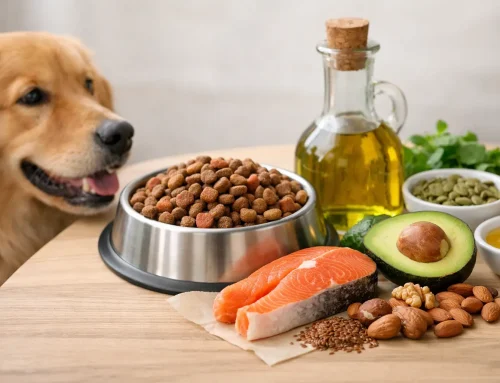
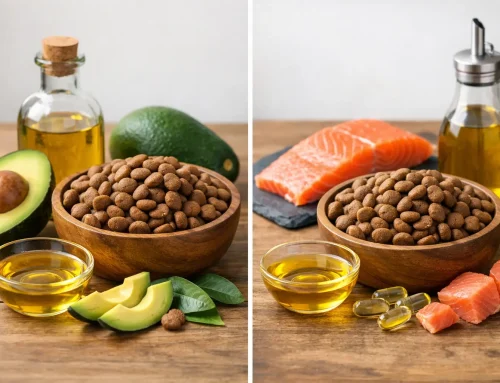
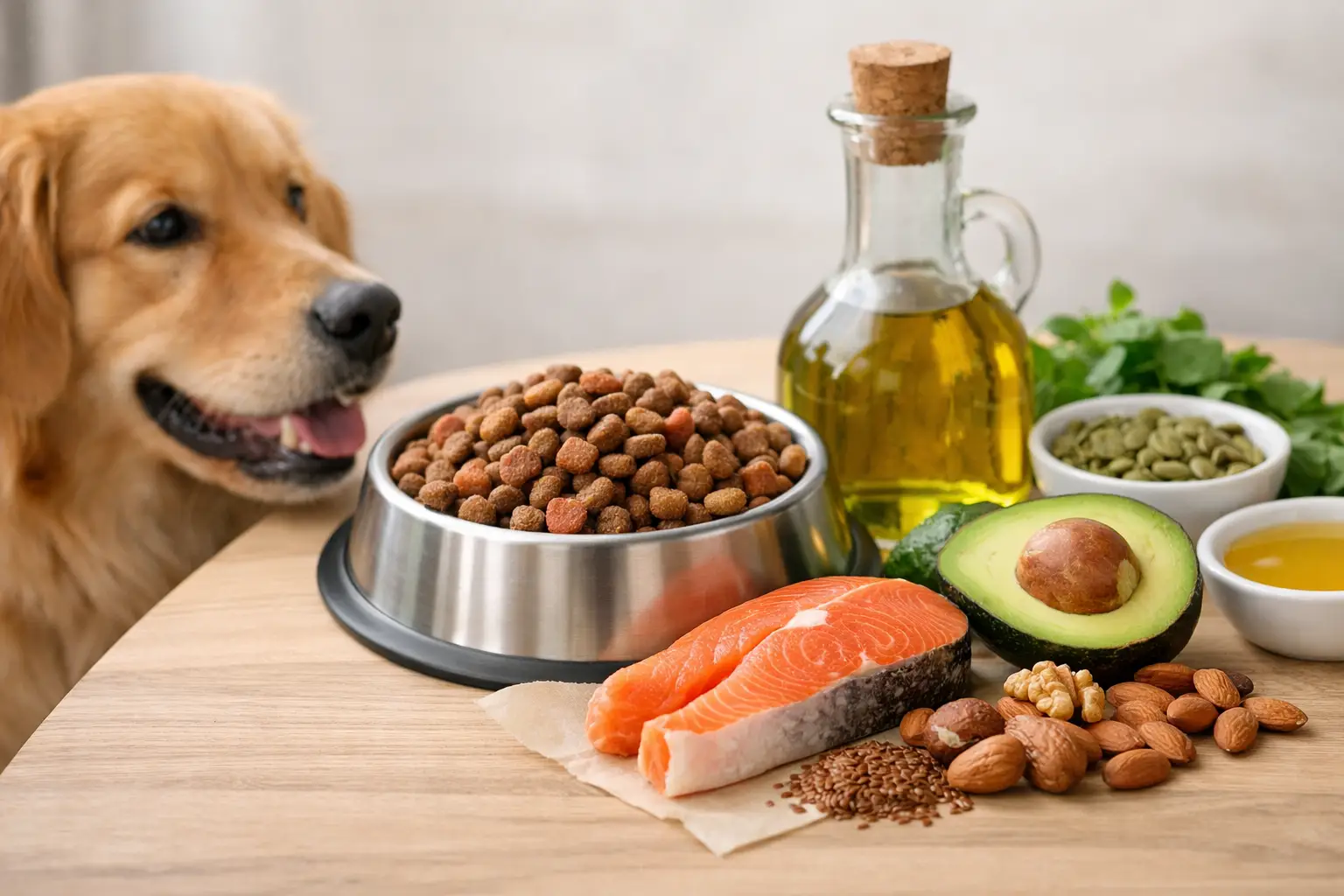
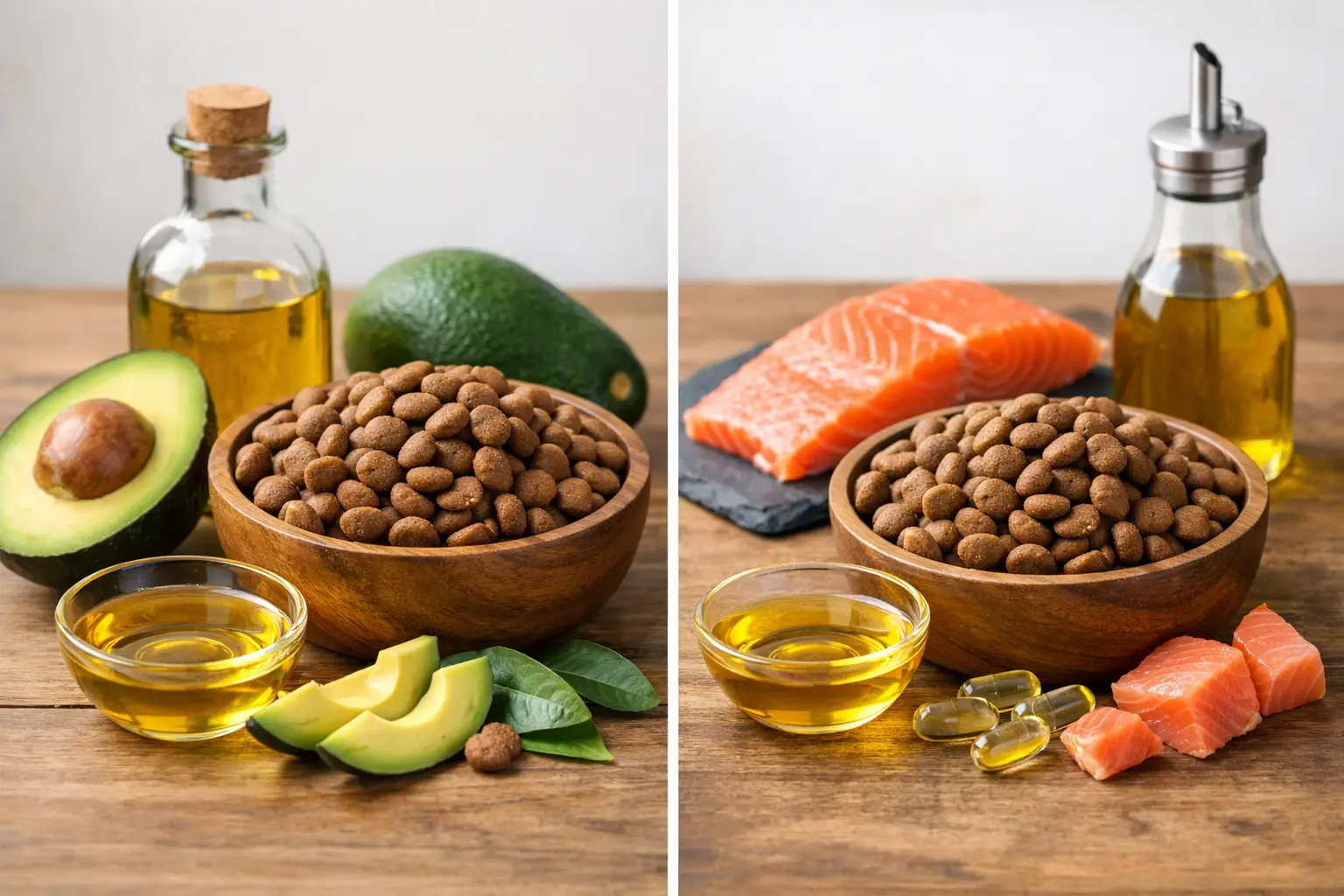
Avocado and avocado oil are worth understanding here. In properly formulated pet foods, avocado oil can provide beneficial omega fatty acids that help support healthy skin and a beautiful coat. It is a distinctive ingredient, but the real value comes from what it contributes nutritionally – moisture support for skin, nourishment for the coat, and a wellness benefit many pet owners can actually see.
Digestibility is another major factor that often gets overlooked. If your cat has a sensitive stomach along with skin issues, a rich formula will not help much unless it is easy to digest. Highly digestible ingredients can support better nutrient absorption, and that gives your cat a better chance to benefit from skin-supporting fats, vitamins, and minerals.
That is why ingredient quality matters just as much as ingredient category. A premium food should feel purposeful. Every major ingredient should have a job to do, whether that is providing protein, supporting skin, or helping maintain overall condition.
Dry, flaky skin versus food sensitivities
Not all skin concerns point to the same kind of food. A cat with mild dryness may simply need better fat balance and more nutrient-dense daily nutrition. A cat with chronic itching, recurrent ear irritation, or ongoing overgrooming may need a closer look at food sensitivities.
This is where pet owners sometimes get frustrated. They buy a food labeled for skin and coat, but the real issue may be that their cat is reacting poorly to one of the proteins or other ingredients in the formula. In those cases, the best cat food for skin may also need to be a simpler food with carefully selected ingredients.
Limited ingredient diets can help some cats, especially when the goal is to reduce dietary triggers while still providing complete nutrition. A novel protein or a shorter ingredient list may be useful if your veterinarian suspects food sensitivity. Still, simpler is not automatically better for every cat. If your cat tolerates common proteins well, a broader complete formula with strong skin-support nutrients may be the better fit.
It depends on what you are seeing at home. Dryness, dullness, and seasonal coat changes often call for nutritional support. Persistent irritation or intense itching may call for a more targeted conversation with your veterinarian.
How to choose the best cat food for skin for your cat
Start with your cat’s life stage and overall needs. Kittens, adults, and seniors all have different nutritional priorities. A skin-focused food still needs to be complete and balanced for your cat’s age and daily routine.
Next, look at the fat and protein sources. You want identifiable, high-quality ingredients and a formula designed for everyday feeding, not just a short-term fix. Skin support works best when it is built into a complete diet your cat can stay on consistently.
Then consider whether your cat has any signs of sensitivity. If your cat has both skin and digestive issues, a formula made with gentle, digestible ingredients may be more helpful than a standard coat formula. If your cat is otherwise thriving but the coat looks dry or lackluster, focus on omega-rich nutrition and ingredient quality.
Texture can matter too. Some cats eat dry food well and do beautifully on it. Others benefit from adding wet food for moisture and variety. There is no single format that is best for every cat. The right choice is the one your cat tolerates well, enjoys eating, and can stay on long enough for you to see results.
What kind of results are realistic
Food is powerful, but it is not instant. Skin and coat changes usually take time because the body needs time to use those nutrients consistently. In many cases, pet parents start noticing a softer coat or less flaking after several weeks of steady feeding. More visible improvements in shine, smoothness, and overall coat condition can take longer.
It also helps to be realistic about what food can and cannot do. A high-quality formula can support skin health, but it cannot solve fleas, infections, or every cause of itchiness. If your cat has open sores, hair loss in patches, strong odor, or worsening discomfort, that is a sign to involve your veterinarian rather than relying on food changes alone.
For cats with mild to moderate nutrition-related skin concerns, though, food can be one of the most effective daily tools you have. Good health shows, and often it shows first in the coat.
A smarter way to read the label
Front-of-bag promises can be helpful, but they should not be the whole story. Terms like skin and coat or sensitive can point you in the right direction, yet the ingredient panel and guaranteed analysis tell you more about what is actually in the food.
Look for named animal proteins, purposeful fat sources, and a formula that clearly aims to deliver complete and balanced nutrition. Be cautious with foods that sound impressive on the front but offer little clarity once you turn the bag around. Premium nutrition should be easy to trust.
This is also where brand philosophy matters. Companies that focus on ingredient function, quality control, and transparency tend to inspire more confidence, especially when your goal is visible wellness. A brand like AvoDerm stands out by centering nutrition around avocado and avocado oil, ingredients chosen to help support healthy skin and a beautiful coat as part of a complete daily diet.
When to switch foods
If your cat’s skin looks dry, the coat feels rough, or you have been managing recurring dullness without a clear outside cause, it may be time to rethink the bowl. The same goes for cats who seem fine overall but never quite develop that soft, glossy coat pet parents expect from premium nutrition.
Switch gradually over several days to help avoid digestive upset. That slow transition gives your cat time to adjust and gives you a better sense of how the new formula is working. Once the switch is complete, stay consistent. Skin support is built meal by meal, not overnight.
The best cat food for skin is the one that matches your cat’s needs, supports whole-body wellness, and delivers nutrients you can see in the form of healthier skin and a more vibrant coat. When the formula is thoughtfully made, every meal becomes a simple way to care for your cat from the inside out.
A shinier coat and calmer skin are not just cosmetic wins – they are everyday signs that your cat is being nourished well.