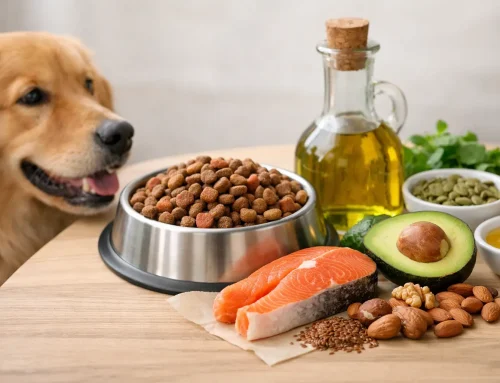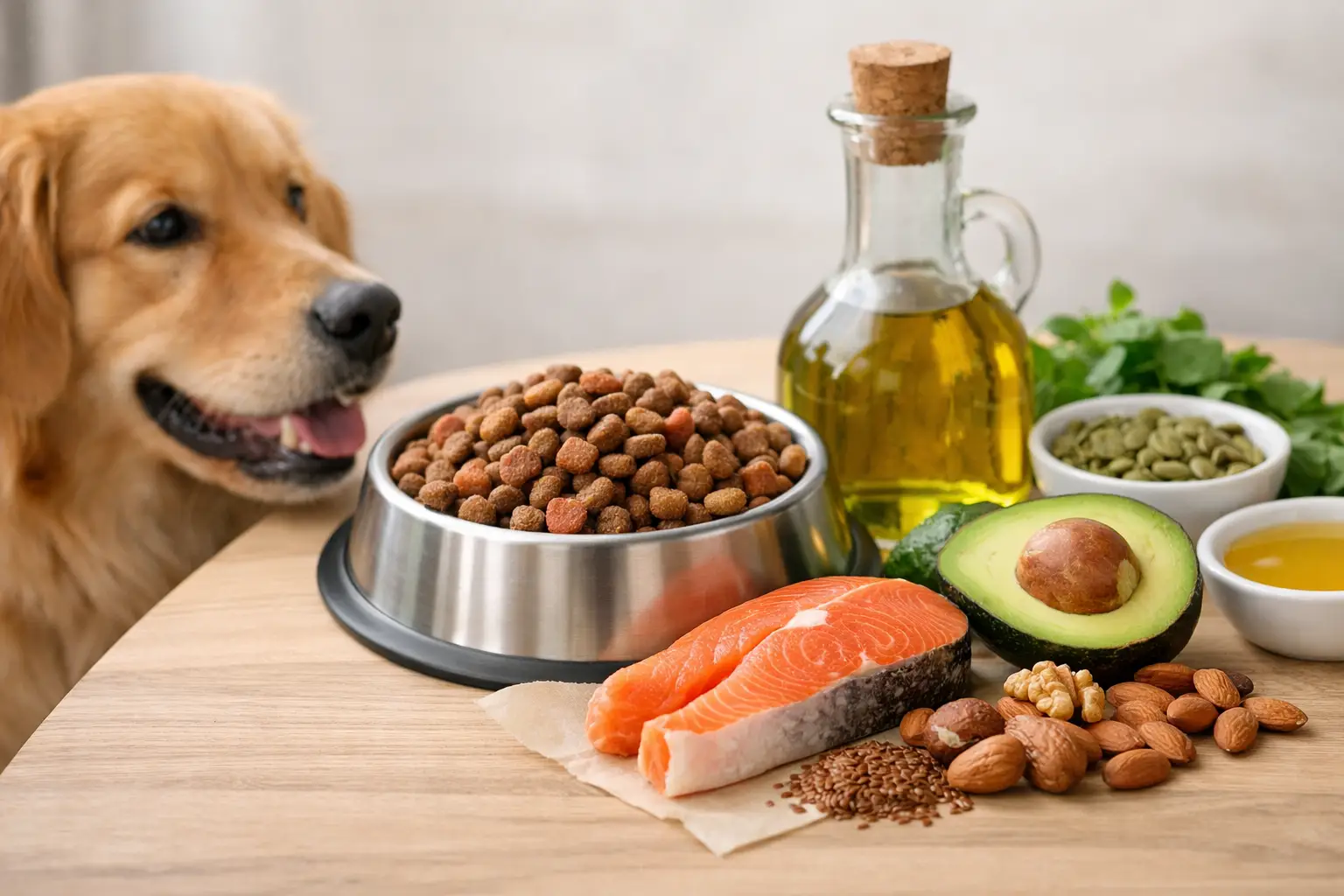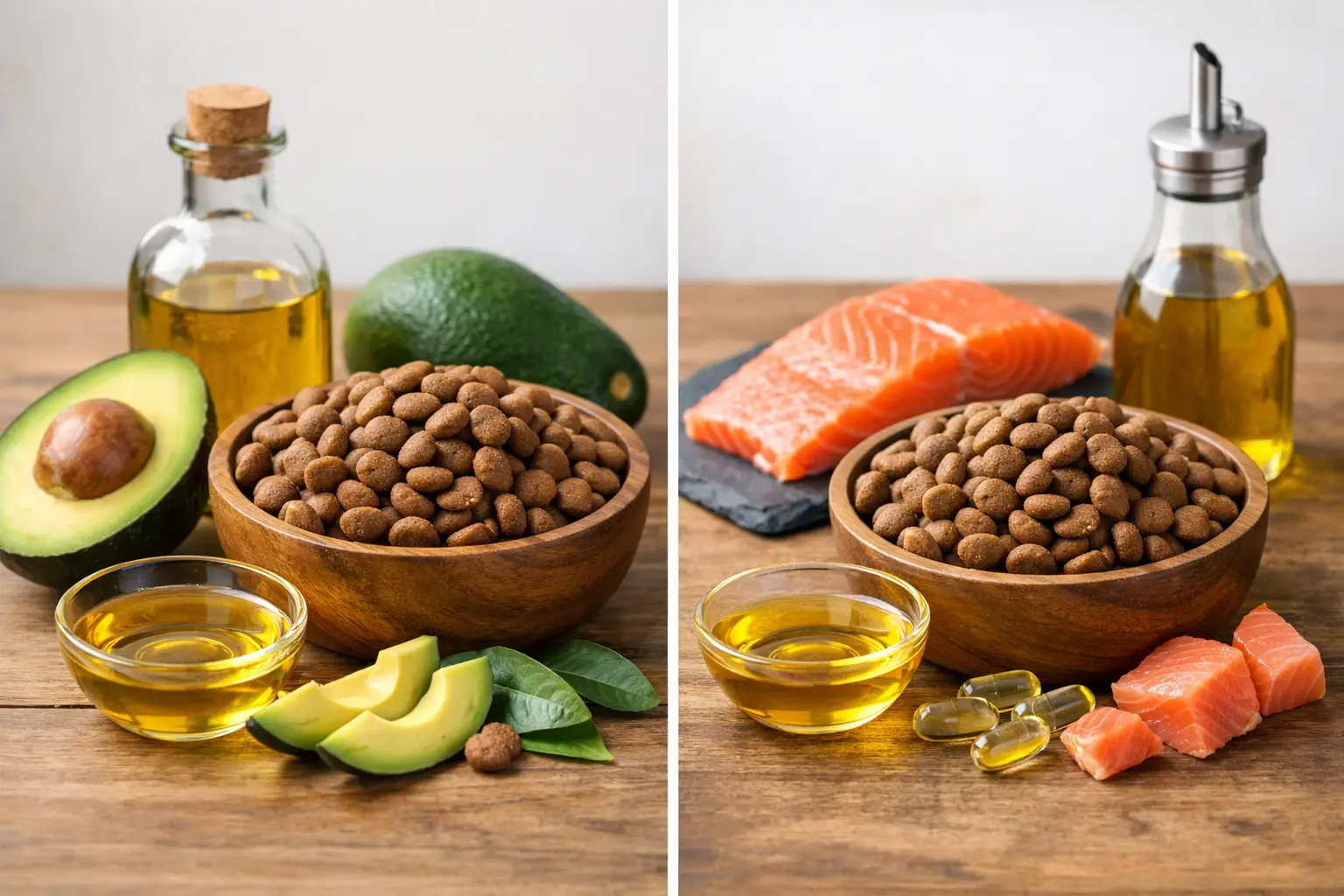
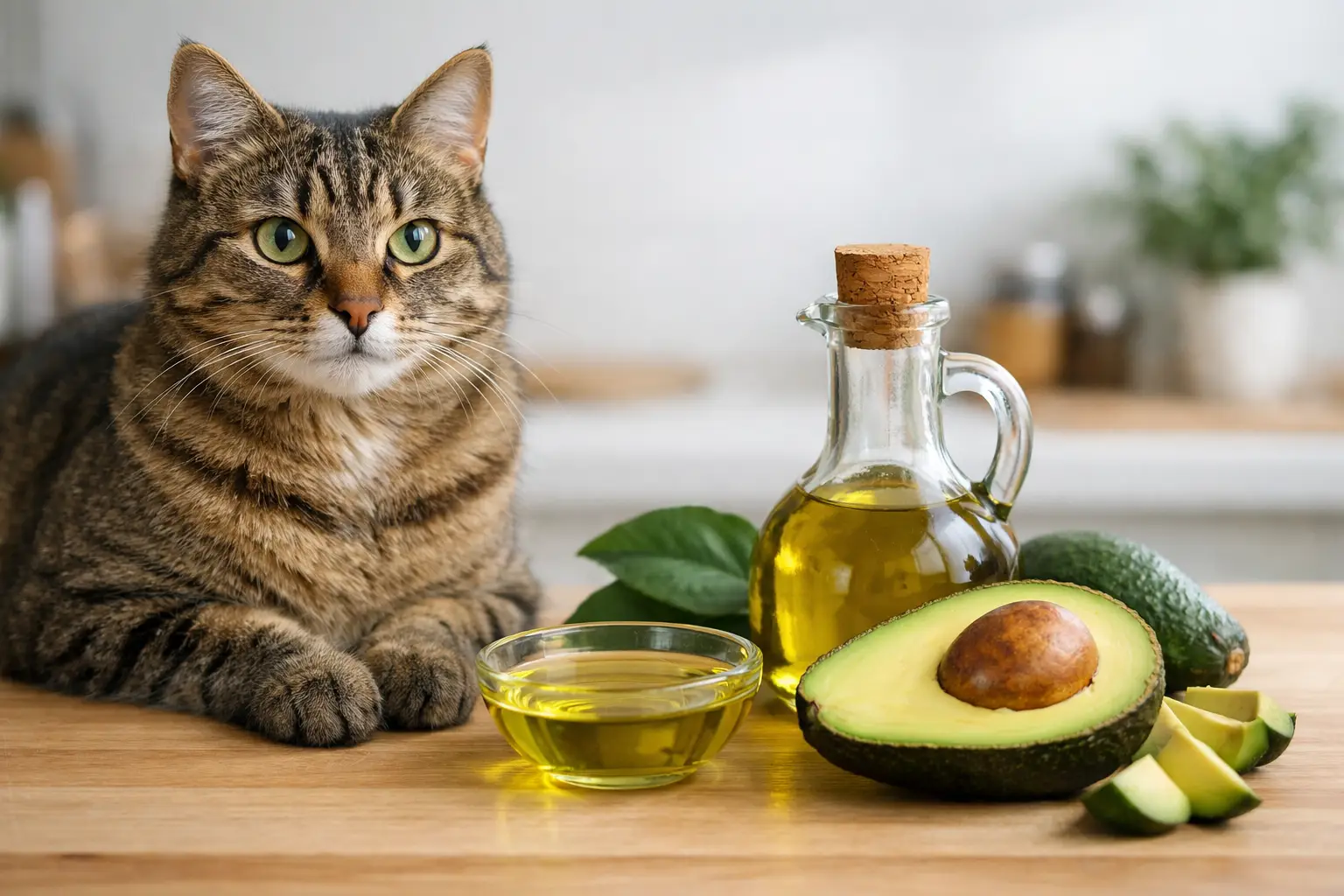
A glossy coat and comfortable skin often start with what is in your cat’s bowl, which is why many pet parents ask: can cats eat avocado oil? In the right context, avocado oil can be part of a cat’s diet. The key is context. A small amount used in a complete and balanced cat food is very different from pouring oil from your kitchen bottle onto dinner.
Cats have specific nutritional needs, and even wholesome ingredients need the right formulation and portion. Here is what to know about avocado oil, avocado itself, and choosing food that supports your cat’s everyday wellness.
Can cats eat avocado oil safely?
Generally, avocado oil is considered safer for cats than other parts of the avocado plant, especially when it is included in a properly formulated commercial cat food. The oil is primarily a source of fat, including unsaturated fatty acids that can help support healthy skin and a soft, beautiful coat as part of an overall nutritious diet.
That does not mean avocado oil should become a home remedy or a daily topper. Cats are obligate carnivores, meaning animal-based nutrition should remain at the center of their diet. They also need precise levels of nutrients such as taurine, arachidonic acid, vitamins, and minerals. Avocado oil alone cannot provide that nutritional foundation.
A quality cat food that uses avocado or avocado oil is designed with the full recipe in mind. Its fat level, calories, and essential nutrients are balanced to support feline needs. Adding extra oil at home can throw off that balance surprisingly quickly, particularly for smaller cats or cats that are prone to weight gain.
Why avocado oil appears in some cat foods
Avocado oil is valued for its naturally occurring fatty acids and its ability to support skin and coat health. Healthy dietary fats help the body absorb certain fat-soluble vitamins and contribute to normal skin function. For pet parents, the visible difference may be a coat that feels softer and looks more vibrant over time.
Still, no single ingredient creates good health on its own. A shiny coat can reflect many things: adequate protein, appropriate fatty acids, regular grooming, hydration, parasite control, and a diet that agrees with your cat. The most meaningful benefit comes from a complete feeding plan, not from adding more and more of one “superfood” ingredient.
This is where formulation matters. AvoDerm cat foods use avocado as a signature ingredient within recipes developed for complete, balanced daily nutrition. That approach gives cats the potential skin and coat benefits of avocado-based nutrition without asking pet parents to guess at portions.
Avocado oil is not the same as whole avocado
The avocado fruit, leaves, bark, skin, and pit are not interchangeable. Avocado plants contain persin, a natural fungicidal compound. Different parts of the plant have different concentrations, and the leaves, skin, pit, and other plant material are generally more concerning than refined avocado oil.
Cats are not usually as sensitive to persin as some animals, such as birds, horses, and certain livestock. But that is not a reason to offer whole avocado freely. The pit is a serious choking and intestinal blockage risk, while rich avocado flesh may cause stomach upset in some cats. The skin and leaves should never be offered.
If your cat steals a tiny lick of avocado flesh, there is usually no reason to panic. Remove the food, monitor your cat, and call your veterinarian if you notice vomiting, diarrhea, unusual tiredness, breathing changes, or any sign that the pit or skin may have been swallowed. A swallowed pit warrants prompt veterinary advice, even if your cat seems normal at first.
The biggest consideration: fat and calories
Oil is concentrated fat. A little goes a long way, and cats do not need a large amount to exceed their daily calorie needs. Too much dietary fat may lead to loose stool, vomiting, or reduced appetite. For cats with a history of digestive trouble, obesity, pancreatitis, or a condition requiring a therapeutic diet, an added oil can be especially inappropriate.
Even a cat who tolerates avocado oil may gain weight if extra calories are added consistently. Carrying extra weight can affect mobility, grooming, comfort, and long-term health. That is why a balanced food is the easier and more reliable choice than supplementing with oil at home.
If you are considering avocado oil because your cat has dry skin, dandruff, itching, or a dull coat, pause before changing the menu. These signs can have many causes, including fleas, allergies, overgrooming, fungal or bacterial skin conditions, and an underlying medical concern. A veterinarian can help identify the cause rather than masking it with a high-fat add-on.
Should you give your cat avocado oil from the kitchen?
For most cats, there is no need. Culinary avocado oil is not formulated as a feline supplement, and its quality, serving size, and effect on your cat’s overall diet have not been tailored to your pet. A lick from a spoon or a trace amount accidentally consumed from a pan is unlikely to be an emergency for a healthy adult cat, but it should not become a routine treat.
The same applies to foods cooked in avocado oil. Plain, unseasoned food is less concerning than food prepared with garlic, onion, chives, heavy salt, sauces, or spices. Garlic and onion are toxic to cats, and rich table food can upset a cat’s digestive system even when the oil itself is not the main problem.
If your veterinarian recommends adding a specific fat source to your cat’s diet, follow their direction on the product and serving size. Cats with health conditions need individualized guidance, not a one-size-fits-all amount found online.
How to choose an avocado-based cat food
For pet parents interested in avocado-based nutrition, look past the front-of-bag ingredient story and consider the whole formula. A food should be labeled complete and balanced for your cat’s appropriate life stage. It should also provide adequate animal protein and list feeding guidelines that make it practical to maintain a healthy body condition.
A thoughtful recipe makes room for beneficial ingredients while keeping calories and nutrients in proportion. This matters because cats do best with consistency. Their digestive systems can be sensitive to abrupt food changes, and a sudden switch can cause avoidable stomach upset.
When introducing a new cat food, transition gradually over about seven to 10 days. Start by mixing a small amount of the new food with your cat’s current food, then slowly increase the new food while decreasing the old. If your cat develops ongoing vomiting, diarrhea, refusal to eat, or itching, check with your veterinarian.
Watch your cat, not just the ingredient label
Every cat is an individual. A food may be an excellent fit for one cat and less suitable for another because of age, activity level, medical history, or food sensitivities. As you transition, look for practical signs that your cat is doing well: steady energy, normal litter box habits, a healthy appetite, comfortable skin, and a coat with a soft, healthy-looking sheen.
Keep treats and toppers modest, too. Treats should make up only a small part of daily calories so your cat’s complete food can continue doing the nutritional heavy lifting. Fresh water should always be available, especially for cats who eat primarily dry food.
When to call the veterinarian
Call your veterinarian or a pet poison resource promptly if your cat has eaten an avocado pit, leaves, skin, or a large amount of avocado. Seek advice as well if your cat has repeated vomiting, diarrhea that does not resolve, abdominal discomfort, weakness, trouble breathing, or any sudden behavior change after eating something unfamiliar.
For a minor taste of avocado oil, monitoring may be all that is needed for a healthy cat. But when you are unsure how much was consumed, whether another ingredient was involved, or whether your cat has an existing health condition, it is always reasonable to call. Quick guidance can bring real peace of mind.
The best way to bring avocado oil’s potential benefits to your cat’s bowl is not by improvising with pantry ingredients. Choose a complete, balanced cat food made with purposeful nutrition, introduce it thoughtfully, and let your cat’s healthy skin, happy appetite, and beautiful coat tell the story over time.