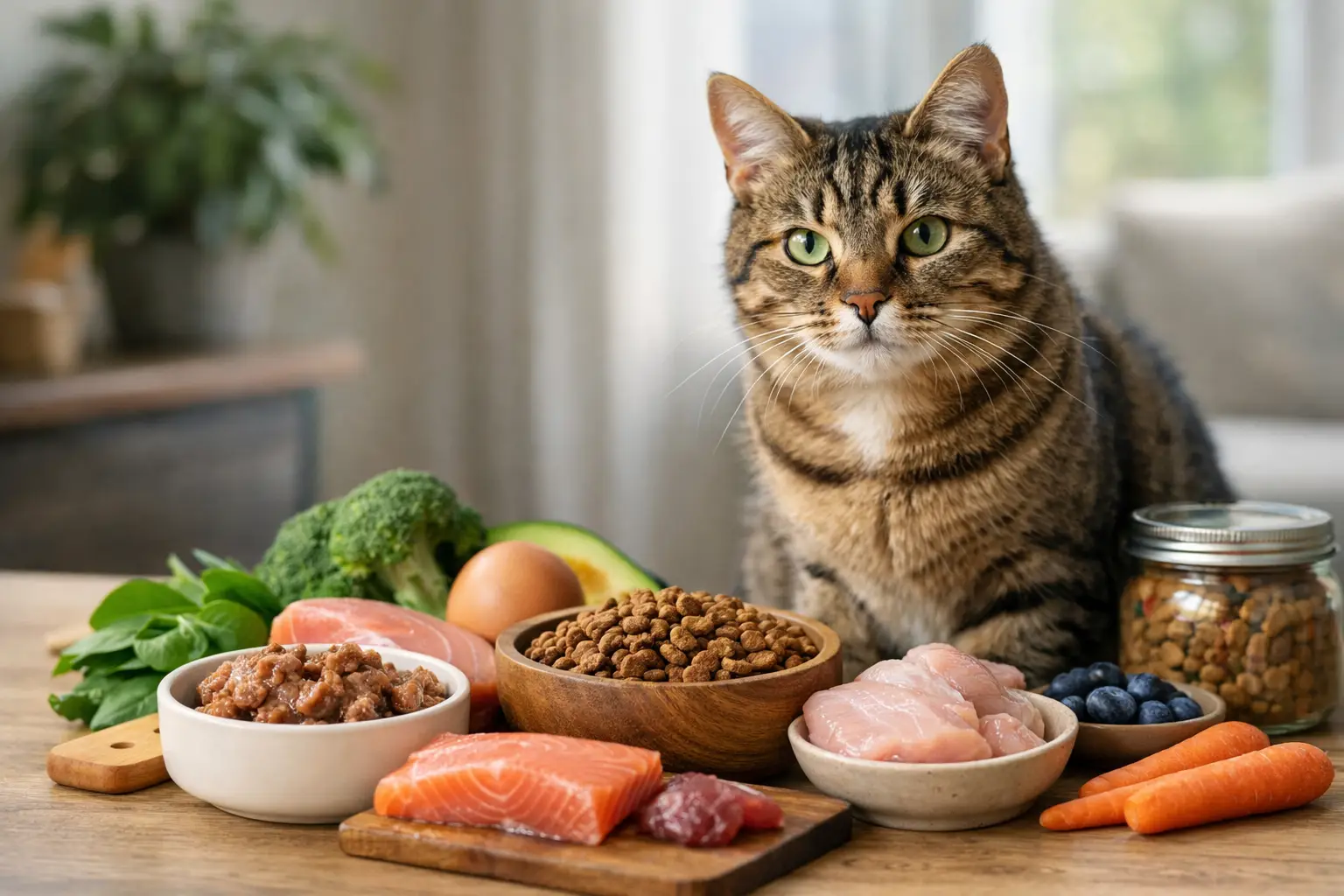
That soft belly, glossy coat, and contented nap on the windowsill can make indoor living look effortless. But indoor cats have nutritional needs that deserve attention. With fewer chances to roam, hunt, and burn energy, the best natural cat foods for indoor cats should deliver concentrated nourishment without piling on unnecessary calories.
A natural diet is not about chasing the longest list of trendy ingredients. It is about choosing complete, balanced food made with thoughtfully selected ingredients that support your cat’s daily health – from lean muscle and digestion to skin, coat, and a healthy body condition.
What Makes Natural Cat Food a Smart Choice for Indoor Cats?
Cats are obligate carnivores, which means animal-based protein is at the center of their nutritional needs. They need specific nutrients from animal ingredients, including taurine, arachidonic acid, and preformed vitamin A. A food can feature wholesome fruits, vegetables, or oils, but those additions should support a meat-forward nutritional foundation rather than replace it.
For an indoor cat, energy balance matters just as much as ingredient quality. A cat who spends most of the day lounging may need fewer calories than an active outdoor cat, yet they still need complete nutrition in every serving. The right food helps support a healthy weight while providing the protein, fats, vitamins, and minerals your cat needs to thrive.
Natural foods can be a great fit when they focus on recognizable, purposeful ingredients and are formulated to meet AAFCO nutritional levels for your cat’s life stage. Look beyond front-of-bag phrases, though. “Natural” is a useful starting point, not a guarantee that one food is right for every cat.
How to Choose the Best Natural Cat Foods for Indoor Cats
Start with the nutritional statement. Choose a food labeled complete and balanced for adult maintenance if your cat is fully grown, or for growth if you have a kitten. Cats with medical conditions, senior cats, and pregnant or nursing cats may have different needs, so your veterinarian is the best partner for individualized feeding guidance.
Put animal protein first
A quality natural cat food should make it easy to see its protein sources. Chicken, turkey, salmon, tuna, duck, and other animal ingredients can help provide the amino acids cats rely on to maintain lean muscle. Protein is especially valuable for indoor cats because preserving muscle helps support healthy metabolism as activity levels change.
The ingredient list offers useful context, but it is not the whole story. The guaranteed analysis, calorie content, and complete-and-balanced statement matter, too. A food with a clear animal protein focus and the right calorie level is generally more useful than one selected solely because a single ingredient appears first.
Pay attention to calories, not just the scoop
Indoor cats can gain weight gradually, especially after spaying or neutering, as they mature, or when treats become part of the daily routine. Measure meals with a standard cup or food scale instead of free-feeding from a full bowl. Even premium food can contribute to excess weight when portions are larger than a cat needs.
Feeding recommendations on the package are a practical starting point, not a permanent rule. Your cat’s ideal portion depends on age, body size, activity, metabolism, and whether they eat wet food, treats, or both. Check their body condition regularly: you should be able to feel the ribs under a light layer of fat and see a gentle waist from above.
Support digestion with a gradual approach
A sensitive stomach does not always mean a cat needs the most limited ingredient list available. Sometimes the bigger issue is a sudden food change, oversized portions, or too many different treats. Look for a food with quality protein and a formula your cat tolerates consistently.
When introducing a new natural food, transition over seven to 10 days. Mix a small amount of the new food with the current food, then gradually increase the new portion. If your cat develops ongoing vomiting, diarrhea, appetite changes, or itching, pause the transition and contact your veterinarian. Those signs can have many causes and deserve professional attention.
Choose fats with a purpose
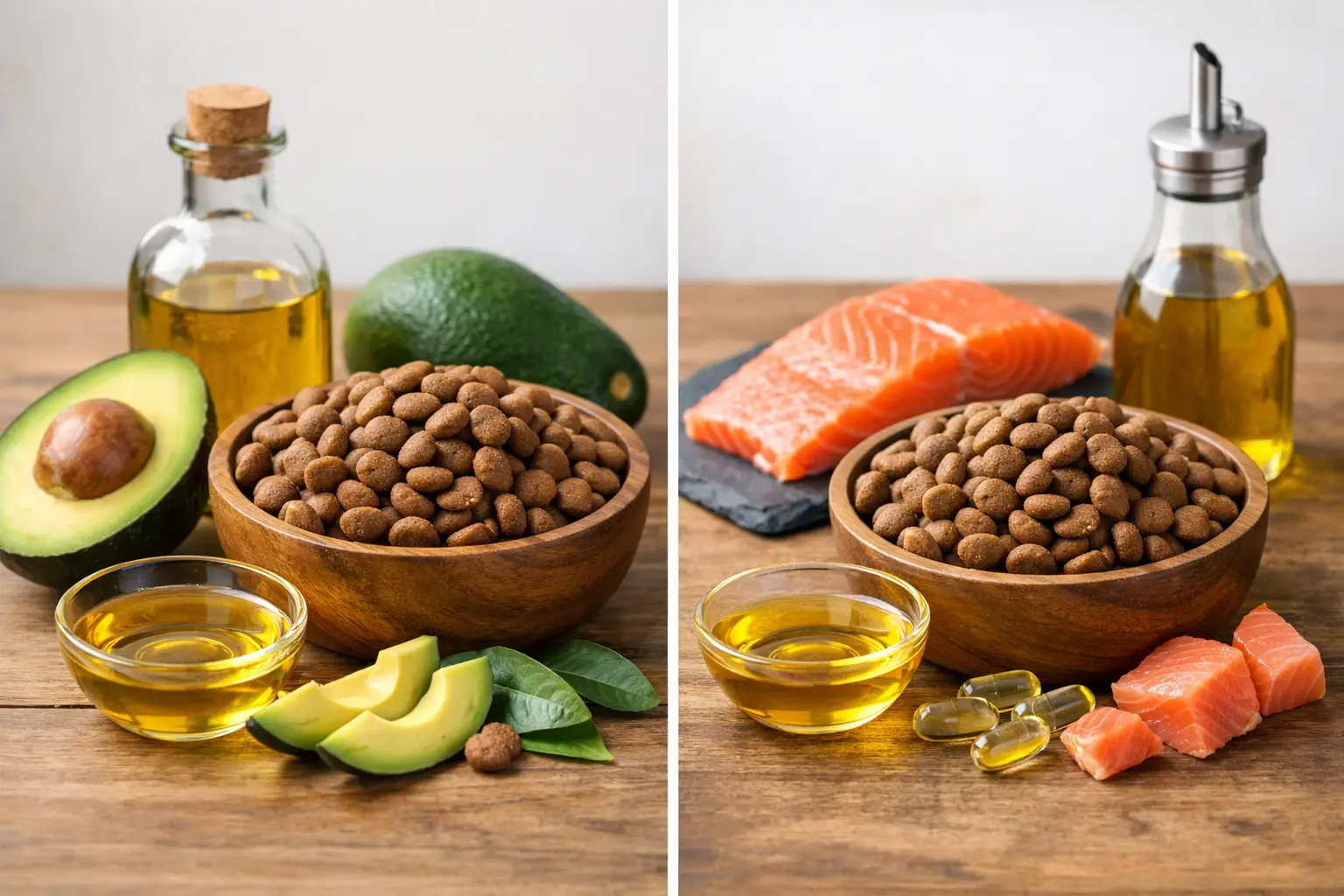
Dietary fat provides energy and helps support healthy skin and a beautiful coat. Omega fatty acids are especially valuable for cats who deal with dry-looking skin or a dull coat. The goal is balance: cats need nourishing fats, but high-fat foods can add calories quickly for less active cats.
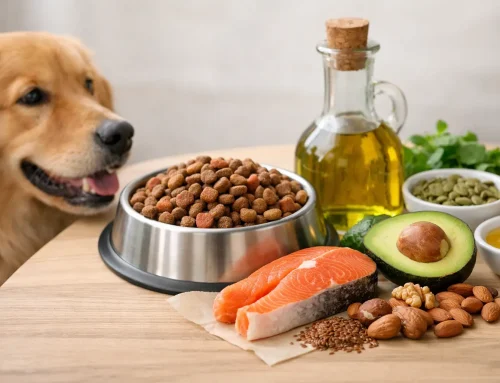
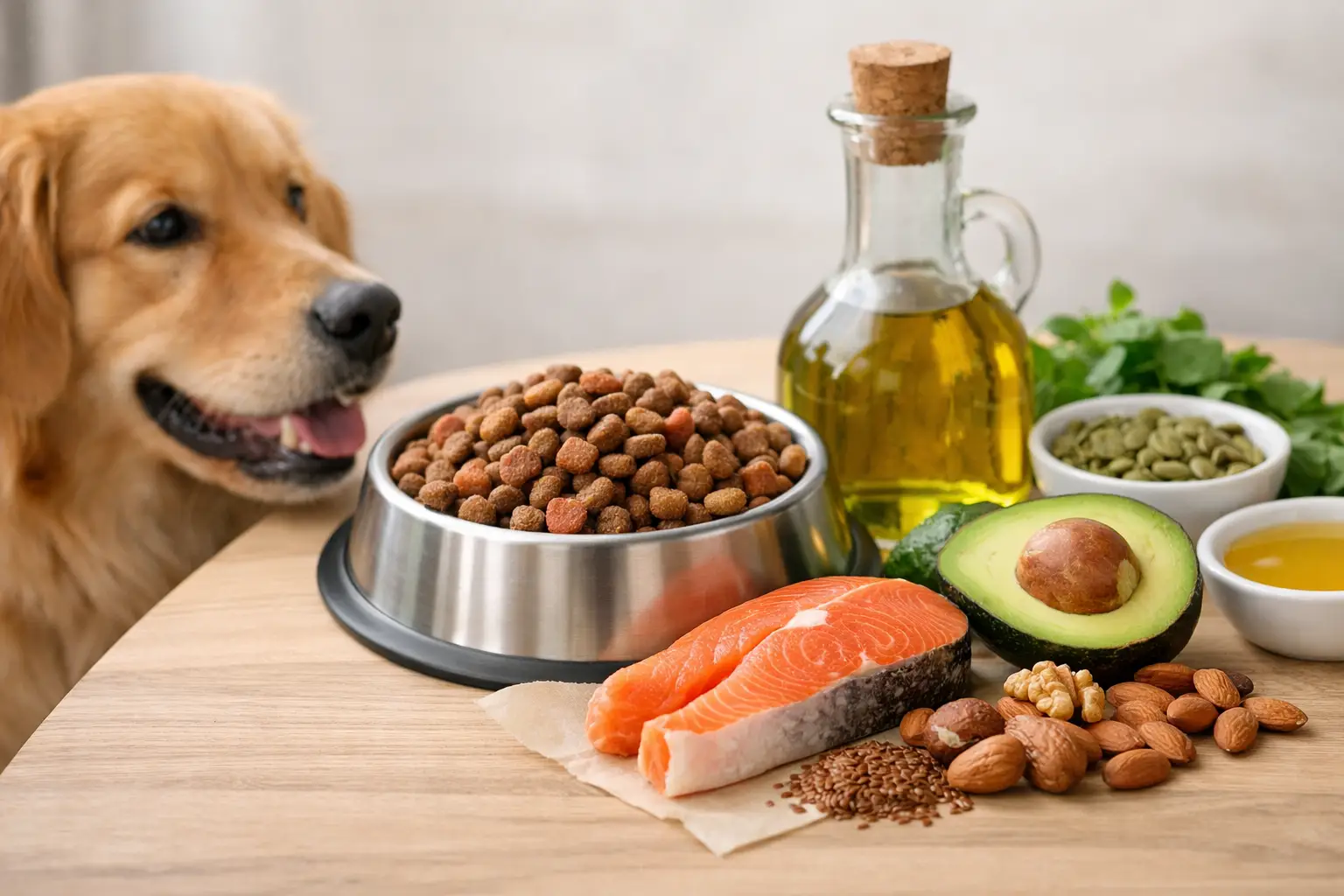
AvoDerm formulas use avocado and avocado oil as signature ingredients, valued for naturally occurring omega fatty acids that help support skin and coat health. As with any complete cat food, the benefit comes from the overall formulation, appropriate portions, and consistency at mealtime – not from one ingredient alone.
Consider wet and dry food as complementary options
Dry food offers convenience, measured portions, and a texture many cats enjoy. Wet food adds moisture and can be especially helpful for cats that do not drink much from their water bowl. Some indoor cats do well on one format, while others benefit from a combination feeding routine.
If you feed both, count the calories from both foods before deciding portions. Adding wet food on top of a full dry-food serving can quietly turn a balanced plan into overfeeding. Fresh water should always be available, and a clean, appealing water station can encourage more frequent drinking.
Ingredients Worth Looking For – and Labels to Read Carefully
The best choice is rarely the food with the most dramatic marketing claim. Instead, look for a formula built around a few meaningful markers of quality:
- Named animal protein sources that suit your cat’s preferences and tolerance.
- A complete-and-balanced nutritional statement for the correct life stage.
- Calorie information that helps you portion meals accurately.
- Added taurine, an essential nutrient for feline heart and vision health.
- Purposeful fatty acids and antioxidants that support skin, coat, and overall wellness.
It also helps to read labels with a calm, practical mindset. By-products are not automatically poor-quality ingredients, and grain-free is not automatically better for every cat. Some cats do very well with grain-inclusive foods, while others may need a different formula based on individual tolerance. What matters most is how the food is formulated, how your cat responds, and whether it supports healthy weight, normal stool, good energy, and a coat that looks and feels healthy.
Common Indoor-Cat Feeding Mistakes
The biggest mistake is assuming that a food labeled for indoor cats eliminates the need for portion control. Indoor formulas may be designed with calorie awareness in mind, but each cat still has an individual energy requirement. Measuring food and monitoring body condition are essential.
Another common issue is treating food as the only solution for boredom. Cats may ask for food because they want interaction, novelty, or play. Short daily play sessions with a wand toy, puzzle feeders, climbing spaces, and rotating toys can make indoor life more active and rewarding. That activity supports healthy weight while giving your cat an outlet for natural behaviors.
Finally, avoid frequent, abrupt diet changes in pursuit of the “perfect” food. A steady, appropriate diet usually gives you a clearer picture of what is working. If you want to try a new formula, make one change at a time and give your cat enough time to adjust.
Let Your Cat’s Everyday Health Guide You
A food can look excellent on paper, but your cat provides the most useful feedback over time. Healthy appetite, comfortable digestion, steady energy, a maintained body condition, and soft, shiny fur are encouraging signs that their nutrition is supporting them well. No food can replace veterinary care, especially when changes are sudden or persistent, but daily observation makes you a powerful advocate for your cat’s wellness.
Choose natural nutrition with a clear purpose, feed the right amount, and keep mealtime consistent. For an indoor cat, those simple habits can help good health show in all the little moments you share.