A cat’s coat usually tells you something before the rest of the body does. If the fur looks flat, dry, rough, or less glossy than usual, nutrition is one of the first places to look. When pet parents ask how to pick cat food for dull coat issues, the best answer is not to chase flashy packaging or vague beauty claims. It is to look closely at nutrients, ingredient quality, and whether the food supports whole-body wellness.
A healthy coat starts beneath the surface. Fur quality is tied to skin health, hydration, digestion, and how well your cat uses the nutrients in the bowl every day. That means the right food can make a visible difference, but only if it is complete, balanced, and built with ingredients that truly support skin and coat condition.
How to pick cat food for dull coat concerns
The first thing to check is whether the food is complete and balanced for your cat’s life stage. A shiny coat is not the result of one trendy ingredient alone. Cats need a full spectrum of nutrients working together, including protein, essential fatty acids, vitamins, and minerals. If the food is not nutritionally complete, coat quality may suffer even if one or two ingredients sound impressive.
Protein matters because hair is made mostly of protein. Cats are obligate carnivores, so they need animal-based protein sources to help maintain skin and coat health along with lean muscle and overall condition. If your cat’s coat looks dull, a food with quality animal proteins is a smarter starting point than one built around fillers or heavy carbohydrate content.
Fat is just as important, especially the right kinds of fat. Essential fatty acids help support the skin barrier and can improve softness and shine over time. Omega-3 and omega-6 fatty acids both play a role, and balance matters. Too little fat can leave the coat looking dry. Too much of the wrong kind can create other nutrition issues, especially in less active indoor cats.
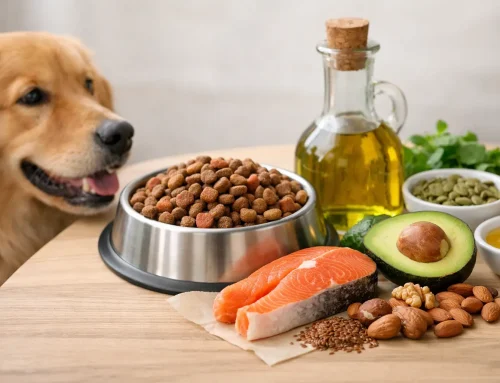
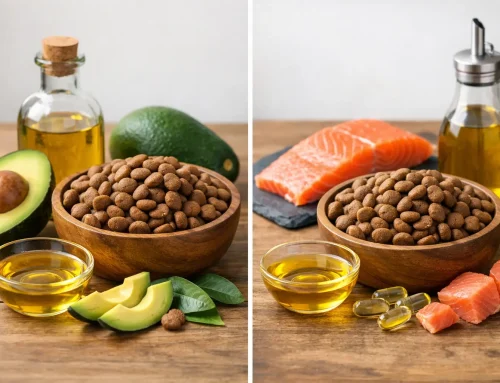
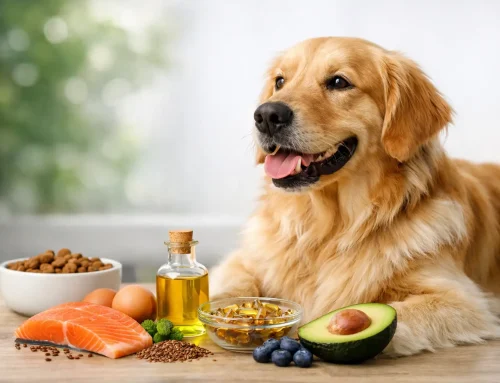
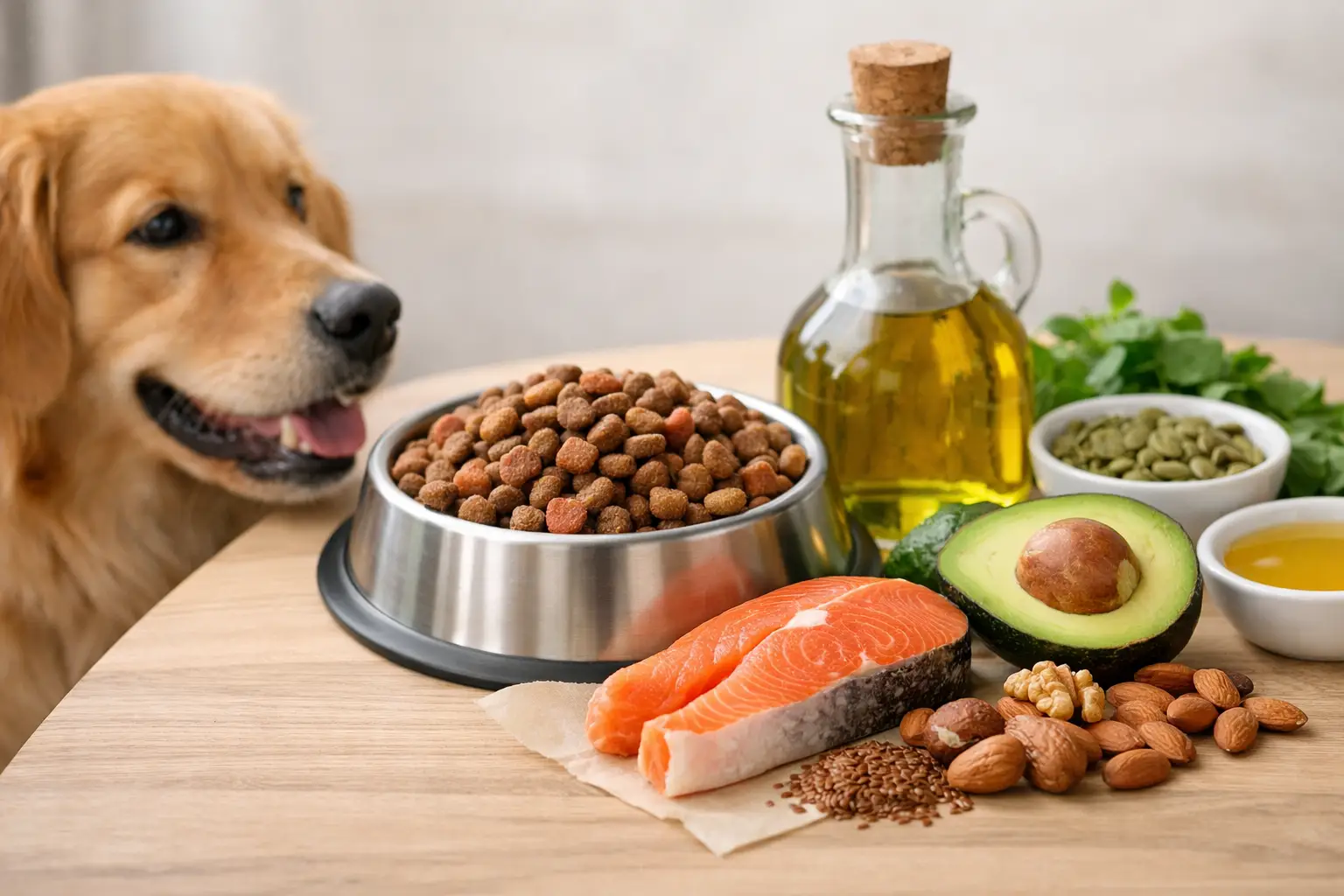
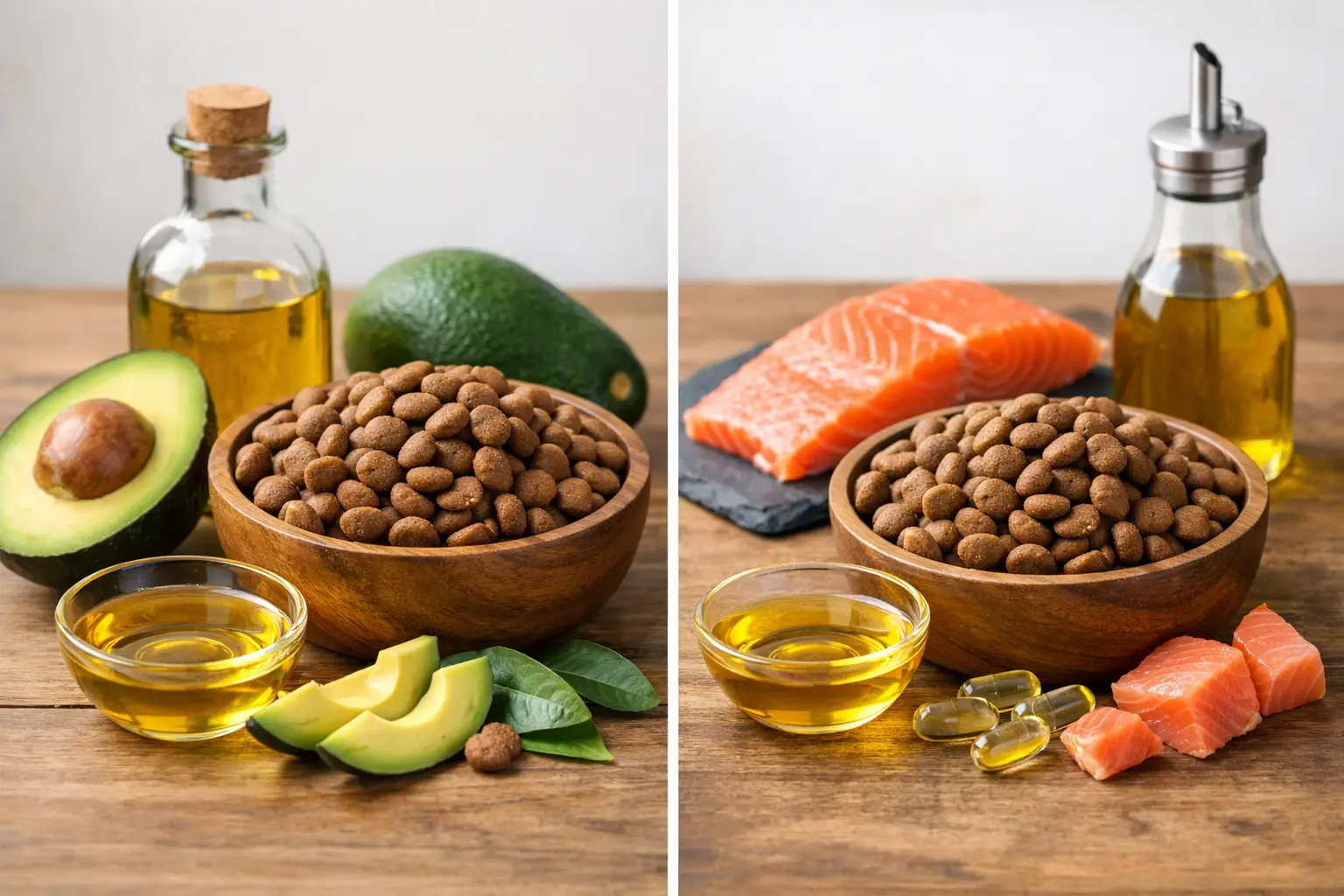
This is also where ingredient function becomes useful. Foods made with nutrient-rich fats and oils can help support healthy skin from within. Avocado oil, for example, is valued in pet nutrition for its naturally occurring omega fatty acids that help nourish skin and support a beautiful coat. That benefit is most meaningful when it appears as part of a complete formula, not as a marketing add-on.
The nutrients that make the biggest difference
If you are trying to improve coat condition through food, a few nutrients deserve extra attention.
High-quality animal protein
A dull coat can sometimes reflect poor protein quality or a diet that does not give cats enough usable animal protein. Look for clearly identified protein sources and formulas designed for feline needs. Coat health is rarely just a cosmetic issue. It can be one of the visible signs that your cat is not getting ideal daily nutrition.
Omega fatty acids
Omega-6 fatty acids help support the skin’s natural barrier, while omega-3s help maintain normal skin condition. Together, they can help with softness, shine, and overall coat texture. Sources vary by formula, so it helps to look beyond the front of the bag and see what fats and oils are actually included.
Vitamins and minerals
Nutrients such as vitamin E, zinc, and B vitamins help support skin function and coat quality. You do not need to memorize every micronutrient, but you do want a formula designed to deliver complete daily nourishment rather than one focused on a single claim.
Moisture support
Some cats are not great drinkers, and hydration can affect skin and coat condition. Wet food can be helpful for cats that need more moisture in their routine. For some households, a combination of dry and wet food makes sense. It depends on your cat’s preferences, lifestyle, and any guidance from your veterinarian.
Ingredients to look for when comparing foods
If you are standing in the pet food aisle wondering how to pick cat food for a dull coat, think function first. Look for real nutritional purpose behind the ingredient list.
A strong formula often includes quality animal protein, beneficial fat sources, and ingredients selected to support skin health. Natural ingredient positioning can be helpful, but only if the formula still delivers complete and balanced nutrition. A food should not sound healthy only because it uses buzzwords.
You should also pay attention to digestibility. A cat has to be able to properly digest and absorb nutrients to see coat benefits. If your cat has a sensitive stomach, frequent loose stool, or signs of food sensitivity, the issue may not be just the coat. In those cases, choosing a food that supports digestive comfort can help the skin and coat too.
What not to rely on
Not every dull coat is solved by switching foods, and not every “skin and coat” label is equally useful. Treat broad claims with a little healthy skepticism.
A food loaded with artificial colors or unnecessary extras is not going to outperform a thoughtfully formulated diet just because the package promises shine. The same goes for treats or toppers that claim quick beauty results. Real coat improvement usually takes consistent daily feeding, not a shortcut.
It also helps to avoid changing foods too often. Constant switching can upset digestion, and that can make it harder to tell what is actually helping. If you choose a new food, give it time and transition gradually.
When dull fur may be about more than food
Nutrition is powerful, but it is not the only factor. A coat can lose shine because of stress, parasites, allergies, overgrooming, age, underlying illness, or even weight issues that make grooming harder. If your cat’s coat has changed suddenly, if the skin looks irritated, or if you notice hair loss, dandruff, sores, or major itching, it is worth checking in with your veterinarian.
This is especially true if the dull coat comes with other changes like low energy, vomiting, appetite shifts, or weight loss. Food can support wellness, but it cannot replace medical care when something deeper is going on.
Dry food, wet food, or both?
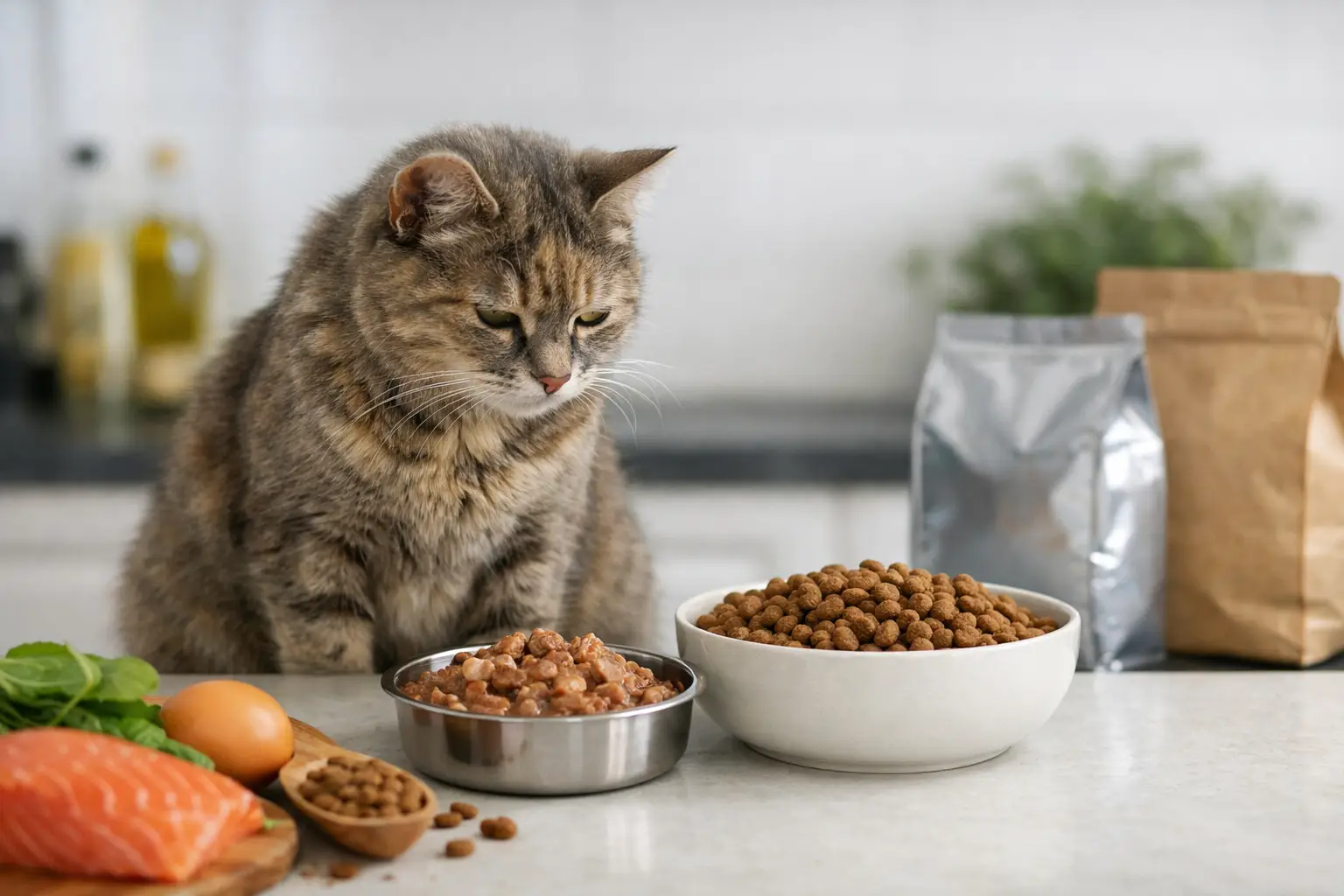
There is no one-size-fits-all answer here. Dry food can be a convenient way to deliver complete and balanced nutrition, and many cats do very well on it. Wet food adds moisture, which may benefit cats that need more hydration support. For some pet parents, feeding both creates the best balance of convenience, enjoyment, and nutritional variety.
The bigger question is whether the food you choose meets your cat’s needs consistently. A premium formula with skin and coat support can be a smart choice in either format if it provides the right nutrient profile. If your cat is picky, the best food on paper still has to be one your cat will actually eat day after day.
How long it takes to see coat improvement
Coat changes usually do not happen overnight. Once you switch to a better-fitting food, you may start seeing improvements in softness and shine within several weeks, but fuller visible change often takes longer. Fur has a growth cycle, and the body prioritizes essential functions before cosmetic improvements.
That is why consistency matters. Feed the new food as directed, avoid overdoing extras, and keep portions appropriate for your cat’s age and activity level. Good health shows over time.
A practical way to choose with confidence
Start with your cat in front of you. Consider age, activity level, indoor or outdoor lifestyle, sensitivity history, and any known health concerns. Then read the label with a clear goal: complete and balanced nutrition with quality animal protein, beneficial fatty acids, and ingredients chosen to support skin and coat health.
If your cat has both dull fur and digestive sensitivity, choose a formula that addresses both rather than focusing only on appearance. If your cat seems healthy overall but the coat looks lackluster, a premium food with omega-rich ingredients may be exactly the upgrade your routine needs. AvoDerm formulas are built around avocado and avocado oil as nutrient-rich ingredients that help support healthy skin and a beautiful coat, which is why ingredient quality can make such a visible difference.
The best choice is usually not the food with the loudest promise. It is the one with thoughtful nutrition, ingredients you can feel good about, and a formula your cat thrives on every day.
A shinier coat is a great goal, but what makes it worth chasing is what it often reflects underneath – nourished skin, balanced nutrition, and a cat that feels as good as they look.